K O R E A
travel guide
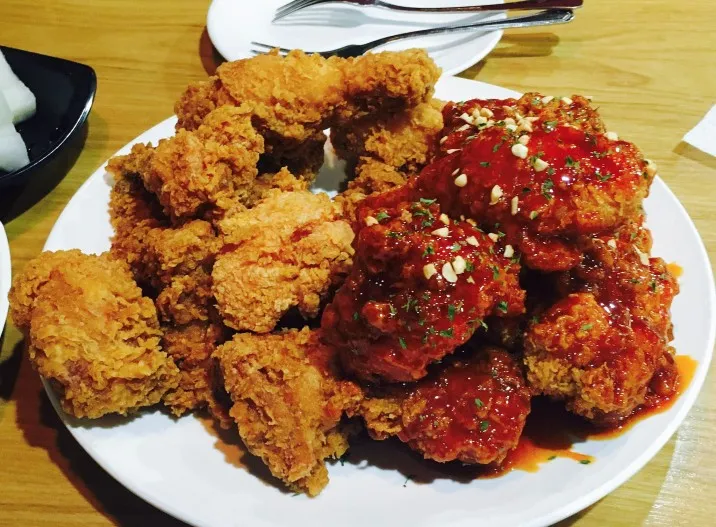
I was beyond excited to visit Korea. Truth be told, it just wasn’t on my radar. I knew the headlines. K-pop. The cute fashion. Fried chicken with a skin so thin and shattering it makes every other fried chicken on earth hang its head in shame. A national airline with a logo that, for reasons nobody has ever adequately explained to me, looks exactly like Pepsi. Oh, and Gangnam, courtesy of a man in a tuxedo doing a horse dance across every television set on the planet, circa 2012.
Ultimately, I was indifferent about visiting Korea, ignorantly assuming it would be just like Japan, the same vibes, the same culture. To understand Korea, you need to know its past. Invaded by Japan (twice) and North Korea, it has centuries of harsh conflicts under its belt. This is a country that has been occupied, colonized, divided, and bombed back to the Stone Age, and has somehow come out the other end with a fierce, stubborn pride that borders on the supernatural. Fifty-two million people on a peninsula smaller than most American states. And yet, somehow, their music is on every playlist, their dramas have grown adults weeping into their pillows at two in the morning, their snacks sit on grocery shelves in small towns millions of miles away, and their skincare has conquered the bathroom counters of women who cannot pronounce a single ingredient on the bottle. Hallyu. The Korean Wave. In every measurable way: a phenomenon.
Korean is the tenth-most studied language on Duolingo. Ten million people a year, on buses and couches and toilets, trying to wrap their mouths around 안녕하세요. A decade ago, that number would have been a rounding error.
Korea is nothing like I thought it would be. It is not a sidekick of its East Asian neighbours. It is not anybody’s understudy. Despite it’s bruised past, this nation continues to spread joy to anyone that dabbles in its culture.
Korea Travel Guides
Korea Essentials
How To Get Around Korea
Korea’s transport network is one of the best in the world. Fast, clean, punctual, and surprisingly easy to navigate as a visitor.
T-money Card
Pick one up at any convenience store or subway station as soon as you arrive or pre-book online. This is a rechargeable card that works on subways, buses, and taxis across the country. Tap on, tap off. You also get a small discount per ride compared to buying single tickets.
Top it up at any GS25, CU, or 7-Eleven: convenience stores are everywhere and the process takes about 30 seconds.
Works nationwide: the same card transfers between subway, city bus, and intercity routes with seamless discounts.
KTX High Speed Train
For getting between cities, the KTX is the way to go. Seoul to Busan in two and a half hours, Seoul to Gyeongju in under two. Fast, comfortable, and reliable. Book in advance through the Korail website or app, especially around public holidays.
Korea Rail Pass: if you’re moving around a lot, a multi-day rail pass for foreign visitors can save money. Buy it before you arrive.
Kakao T
Korea’s equivalent of Grab or Uber. Download it before you travel. Works across Seoul and most major cities, prices are metered and fair, and you can pay by card in-app. Invaluable late at night or when you’re somewhere the subway doesn’t reach.
Intercity Buses
An affordable alternative to the KTX for routes not covered by rail. Express buses are comfortable, air conditioned, and depart from dedicated express bus terminals in most cities. Slower than the train but often cheaper and surprisingly direct.
Pack a layer: the AC is always aggressive. It gets cold fast on longer journeys.
Taxis
Widely available, metered, and generally honest. Standard taxis are black or orange, with deluxe black taxis being slightly pricier but premium. Most drivers speak little English so having your destination written in Korean or ready to show on your phone helps a lot.
Use Kakao T instead of flagging: in-app booking avoids any language barrier and the fare is confirmed before you get in.
Domestic Flights
Mainly useful for reaching Jeju Island, Korea’s most popular holiday destination and not accessible by train. Flights from Seoul take about an hour. Korean Air and Asiana are the main carriers; budget options include Jeju Air and Jin Air. Book ahead, especially in spring and autumn when Jeju is extremely popular.
Rental Bikes
Seoul has an excellent public bike share scheme called Ttareungyi, with docking stations across the city. Perfect for the Han River parks and riverside paths. Daily passes are cheap and the app is available in English. Jeju and other slower-paced destinations are also very bikeable.
Han River cycling: the riverside paths stretch for kilometres and are completely flat. One of the best free things to do in Seoul.
How Expensive Is Korea?
Korea is surprisingly affordable, especially compared to Japan or Western Europe. Street food and local restaurants are cheap, you can eat well for under $10 a day if you stick to spots locals actually go to rather than the tourist-facing places. Transport is another win: the subway system is efficient and cheap, and the KTX bullet train makes getting between cities easy without a massive price tag. Accommodation covers all budgets, from goshiwons and hostels to solid mid-range hotels. Where costs creep up is if you’re shopping in Myeongdong or eating in tourist hotspots. Our biggest expensive across our 3 months in Korea were actually groceries, and yes we were buying local goods.
Best Time To Visit Korea
Korea has two best seasons: spring (March to May) and autumn (September to November). Spring is cherry blossom season and one of the most beautiful times to be in the country with parks, palaces and streets completely transforming. Autumn brings cooler temperatures and stunning foliage and is arguably slightly less crowded than spring.
Summer is hot, humid, and gets hit by monsoon season, so expect heavy rain if you go between June and August. Winter is cold and dry, with snow in some regions and a quieter atmosphere overall.
Best Korean Food: What To Eat In Korea
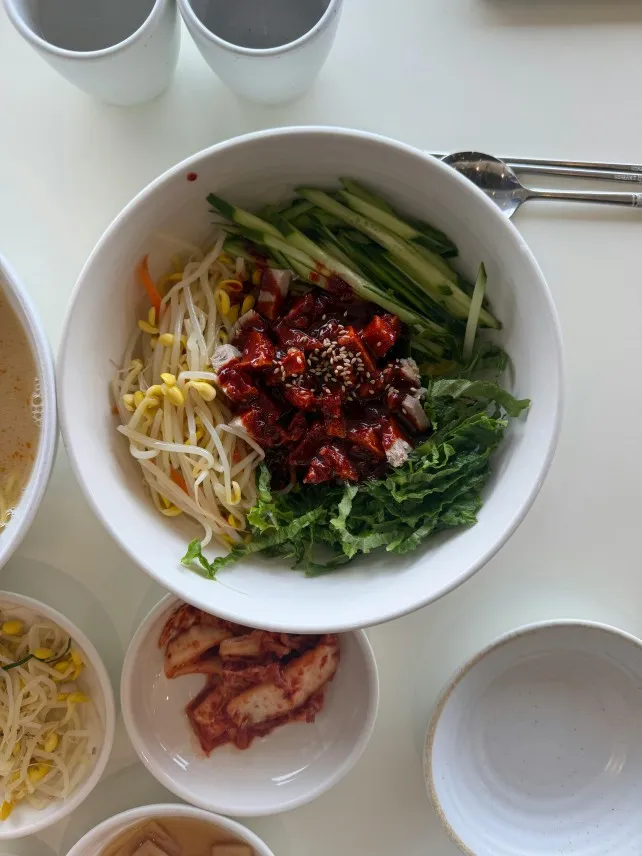
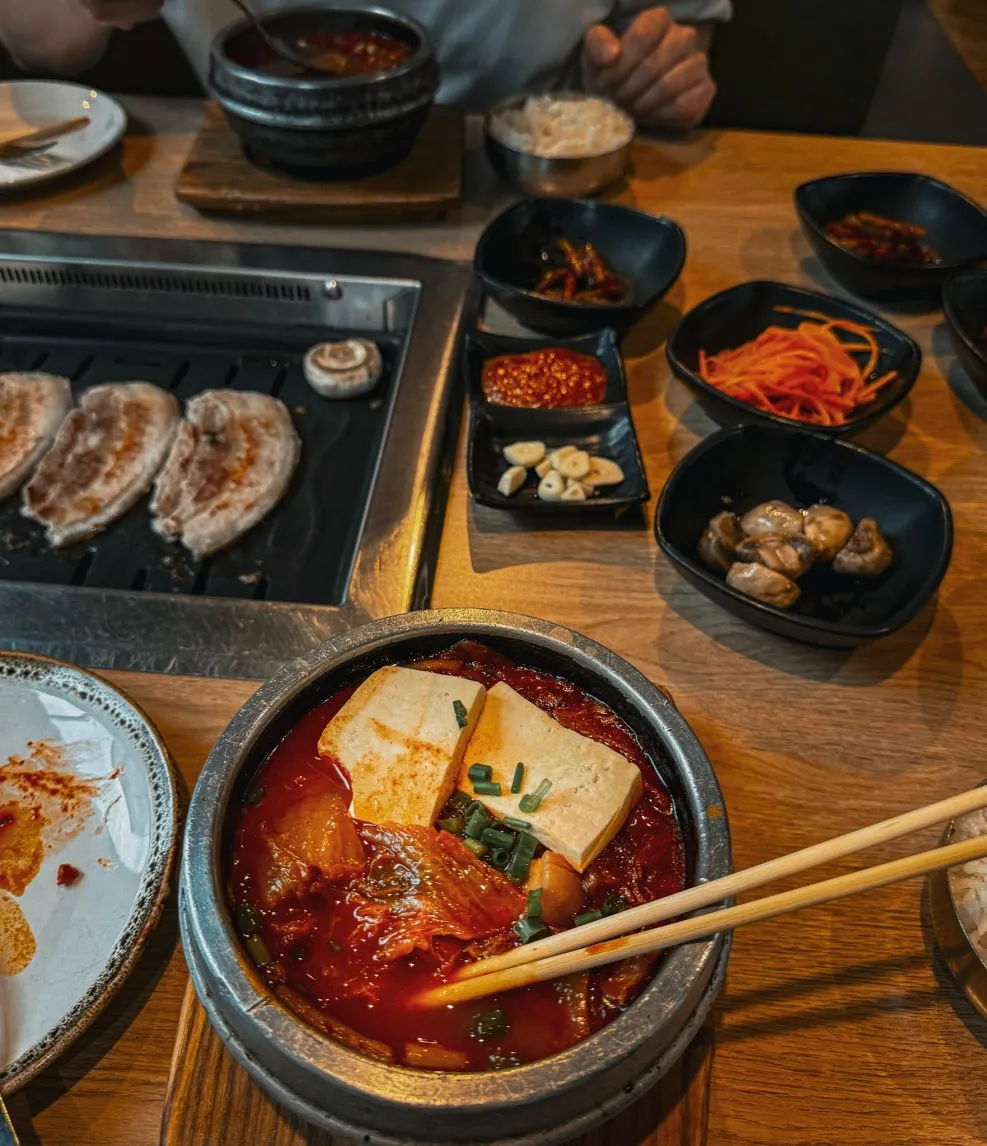
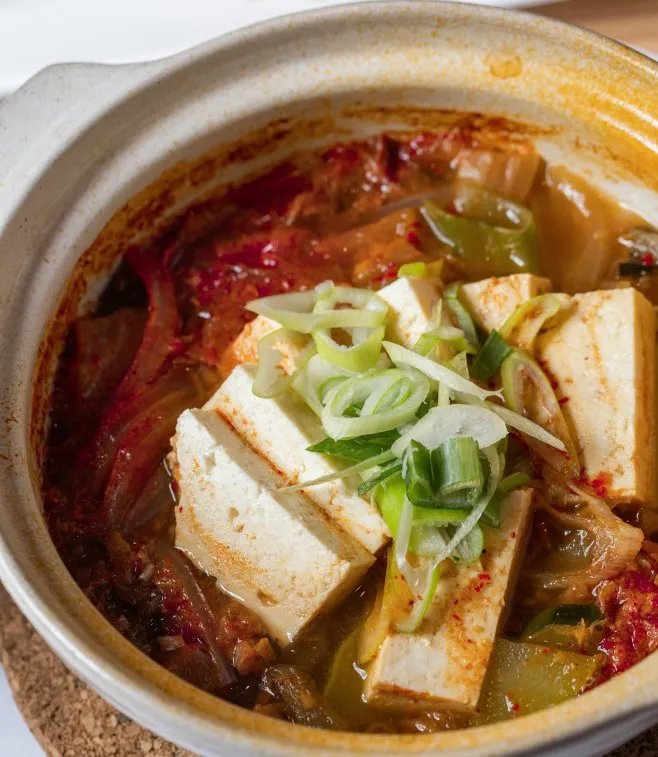
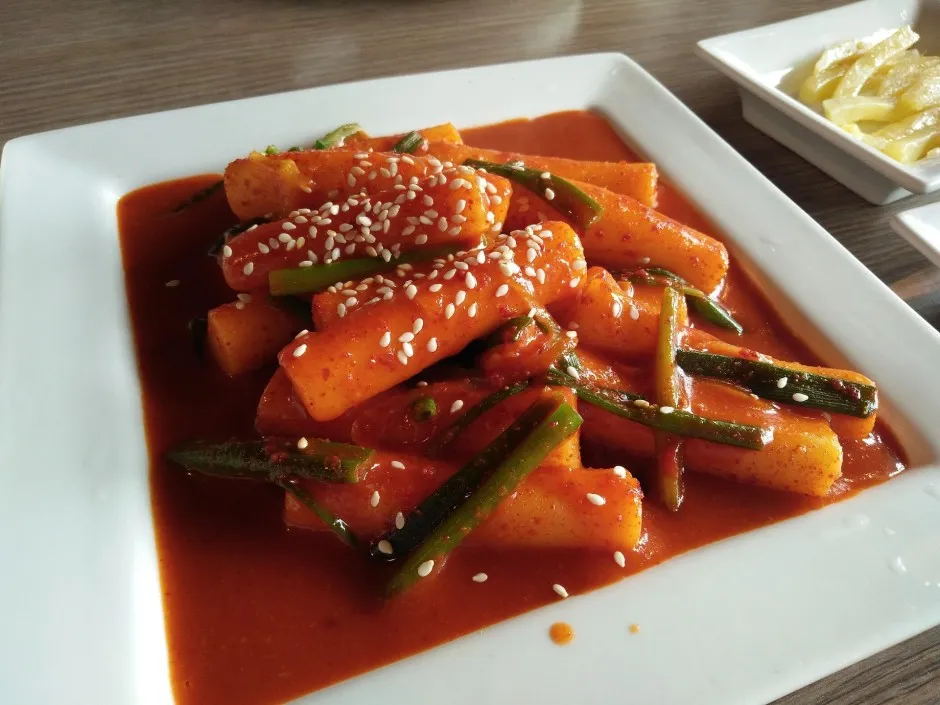
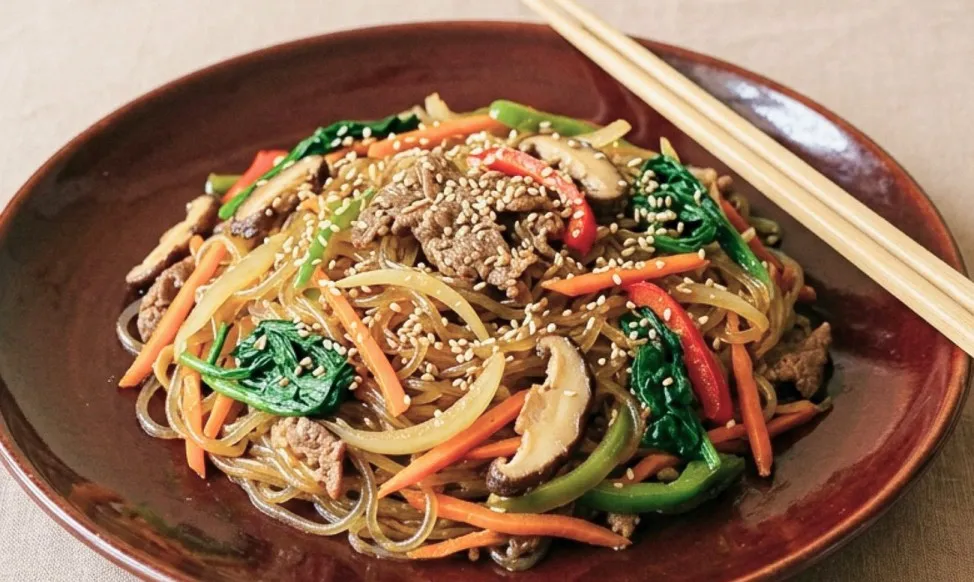
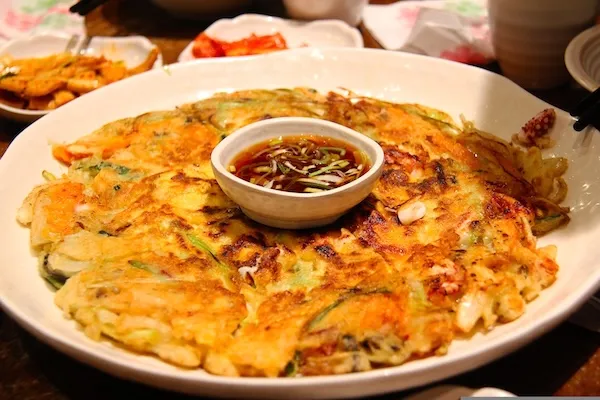
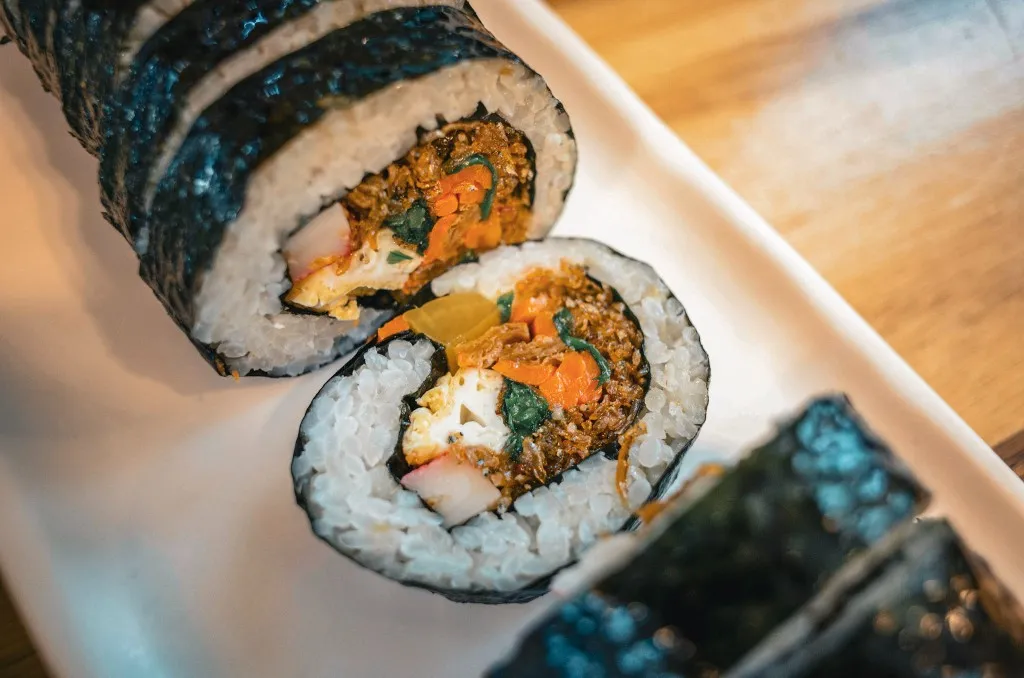
Korean food is bold and heavily spice-forward, tread carefully if you have a low heat tolerance. Gochujang (fermented chilli paste) and gochugaru (chilli flakes) show up in a huge number of dishes, so spice is not the exception, it’s the rule. That said, not everything is fiery, there’s plenty of grilled meat, soups and rice dishes that are completely mild, so you won’t go hungry if you can’t handle heat.
Eating in Korea is also a communal experience. Meals are shared, dishes arrive at the centre of the table and everyone eats from the same plates. Almost every meal comes with banchan, a spread of small side dishes (kimchi, pickled vegetables, seasoned greens) that you didn’t order and don’t pay extra for, they just appear. It makes even a simple meal feel like a proper spread. Dining here is less about what’s on your plate and more about the whole table.
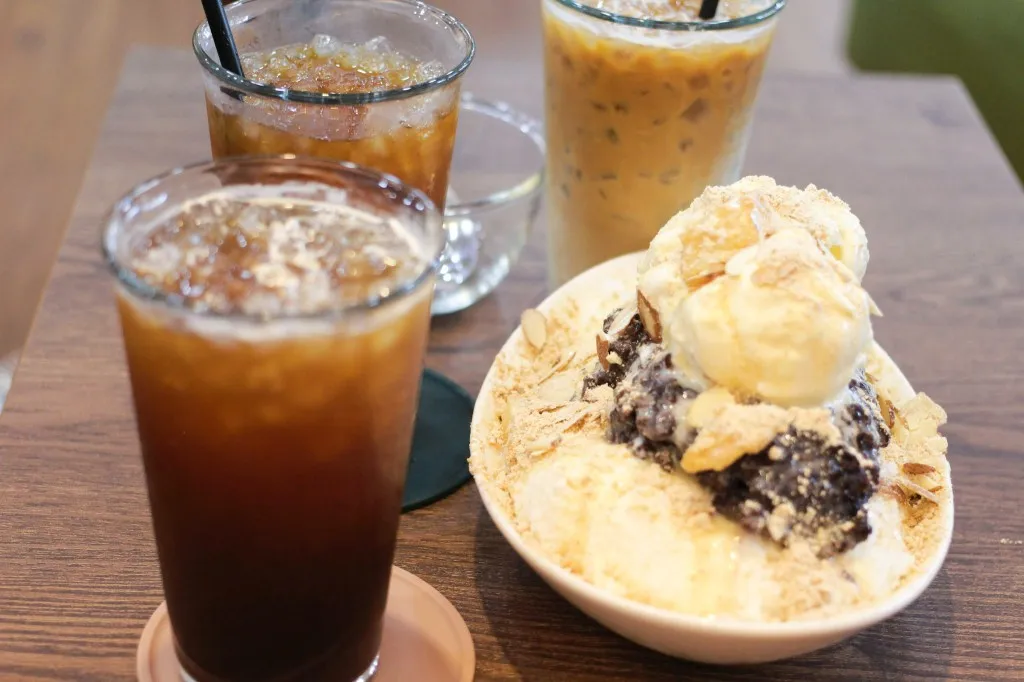
Korean Dishes You Have To Try
Best Things To Do In Korea