Japan Travel Guide
J A P A N
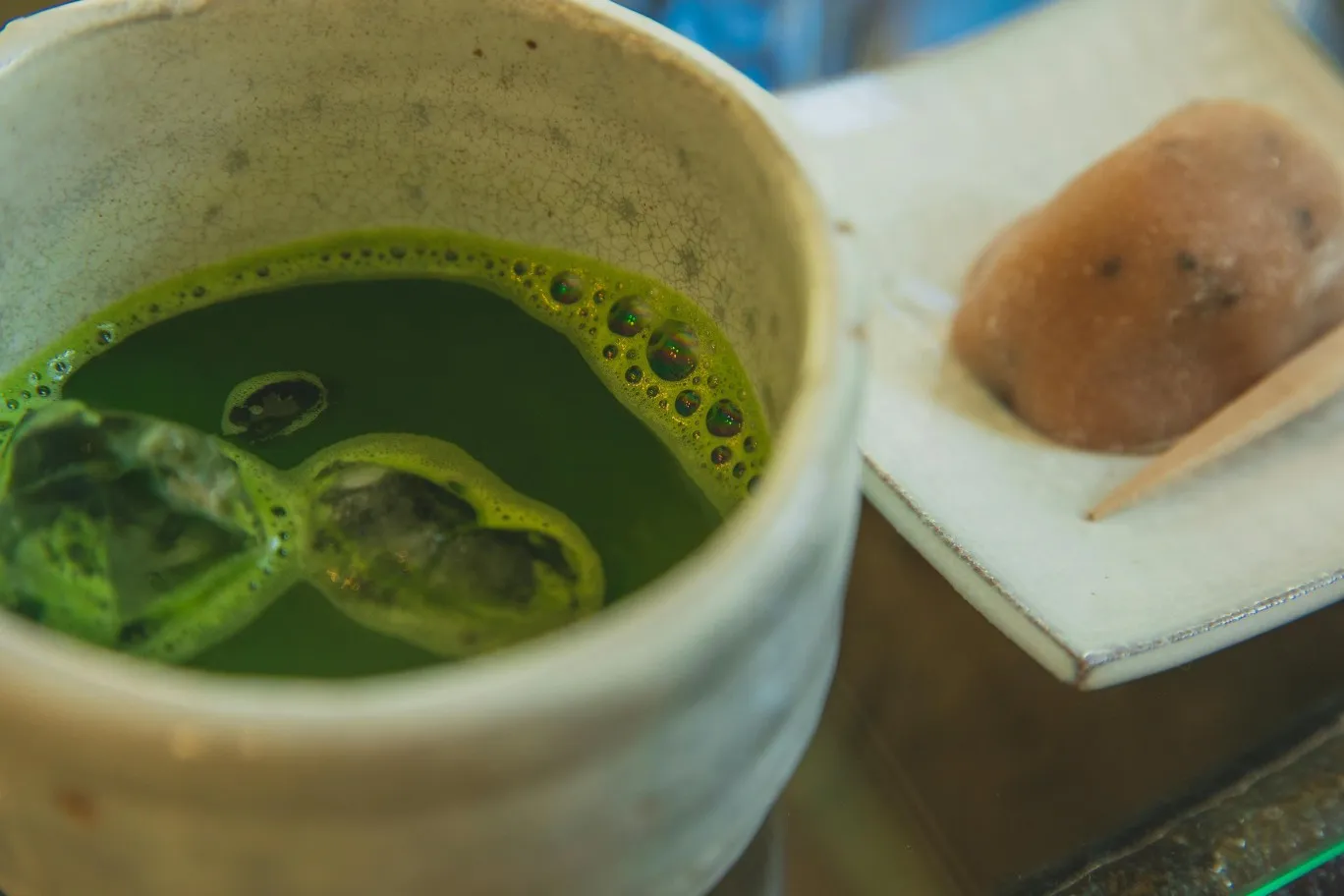
Japan is one of those rare places that genuinely exceeds expectations and I say that having spent almost one year living there. From eating ramen at midnight in a tiny Tokyo izakaya, watching the sun rise over Fushimi Inari to stumbling across a matcha café in Kyoto’s backstreets, Japan gets under your skin.
These are my honest, first-hand guides to help you plan the trip properly.
Japan Destinations
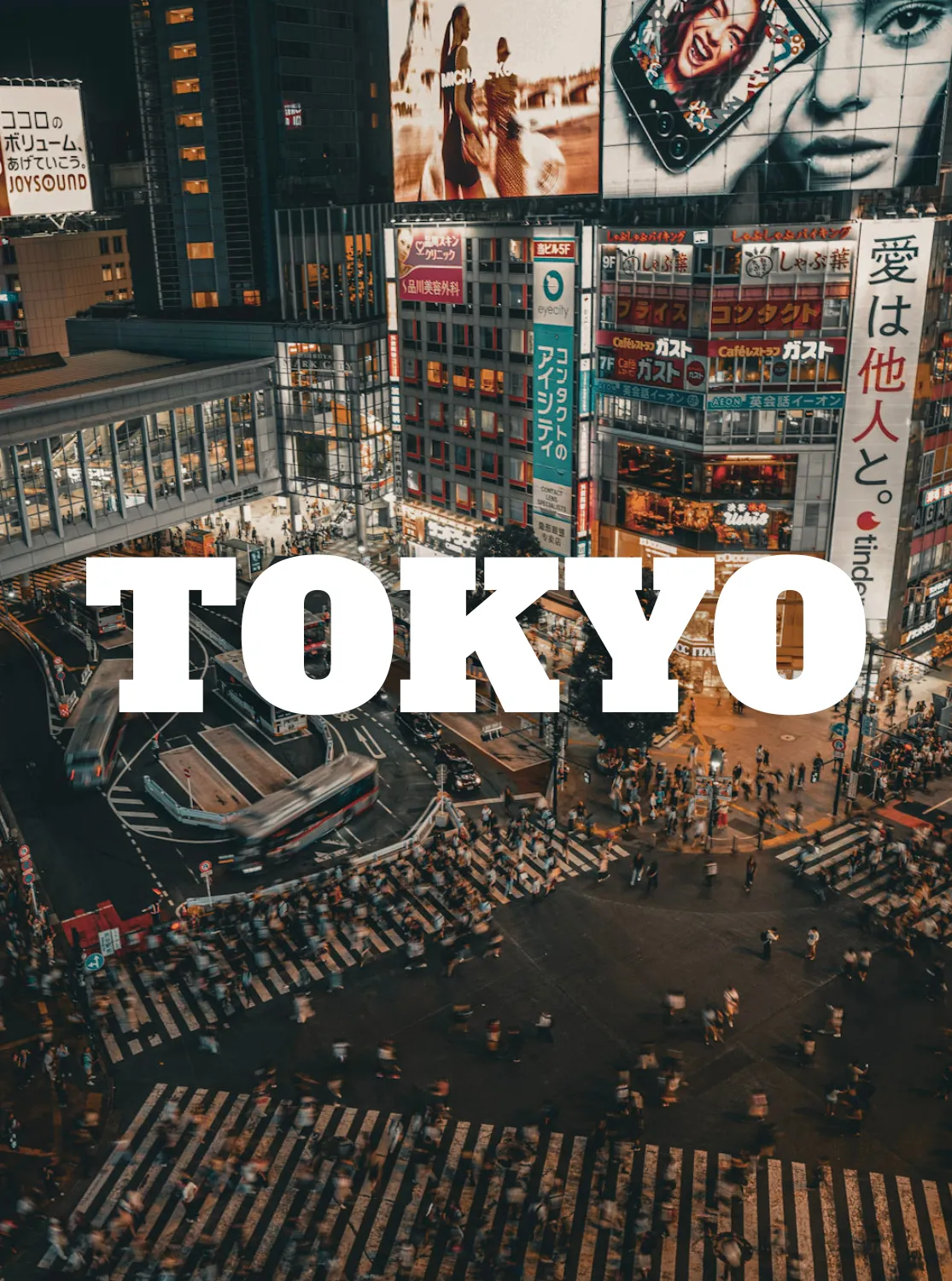
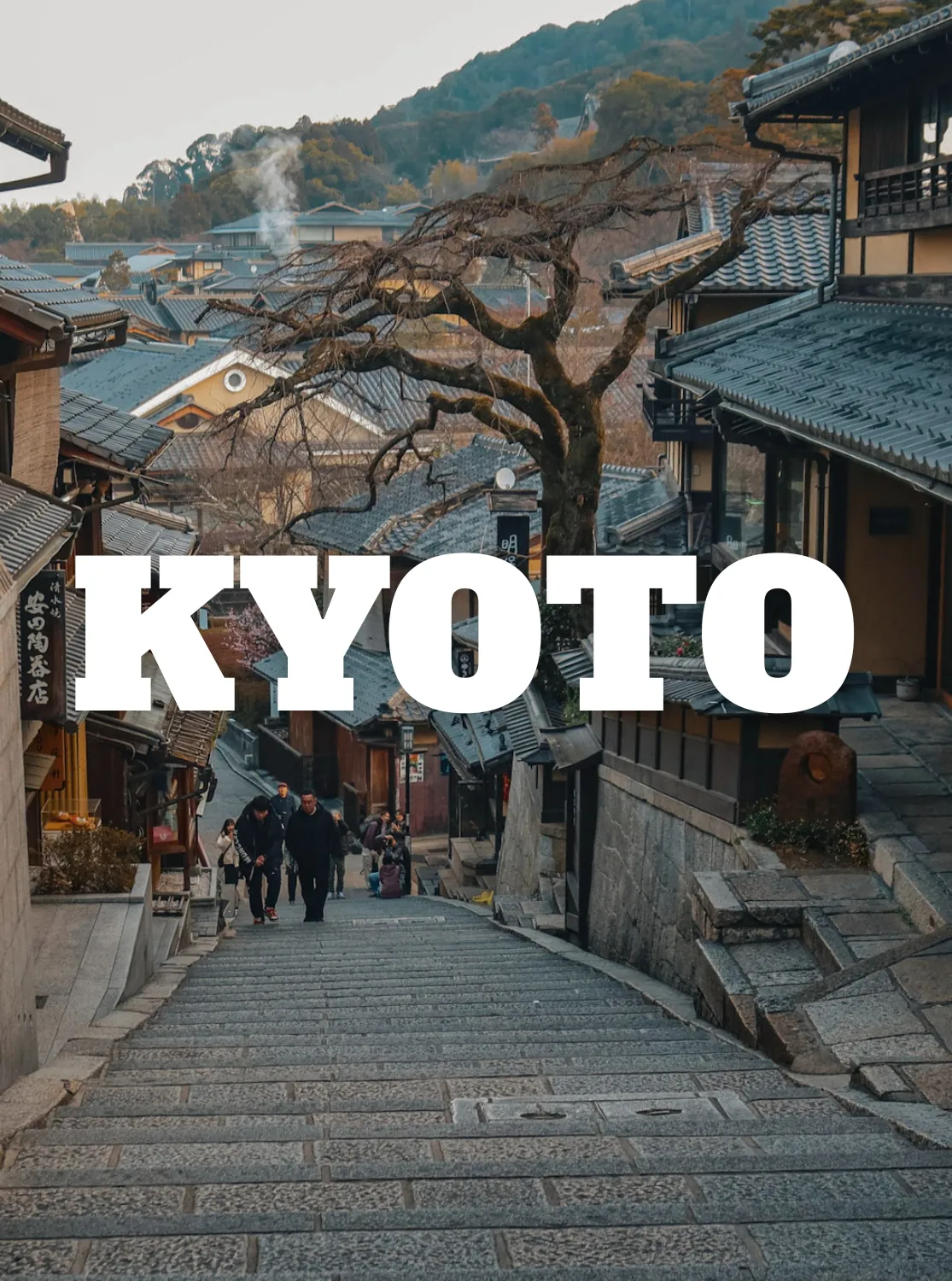
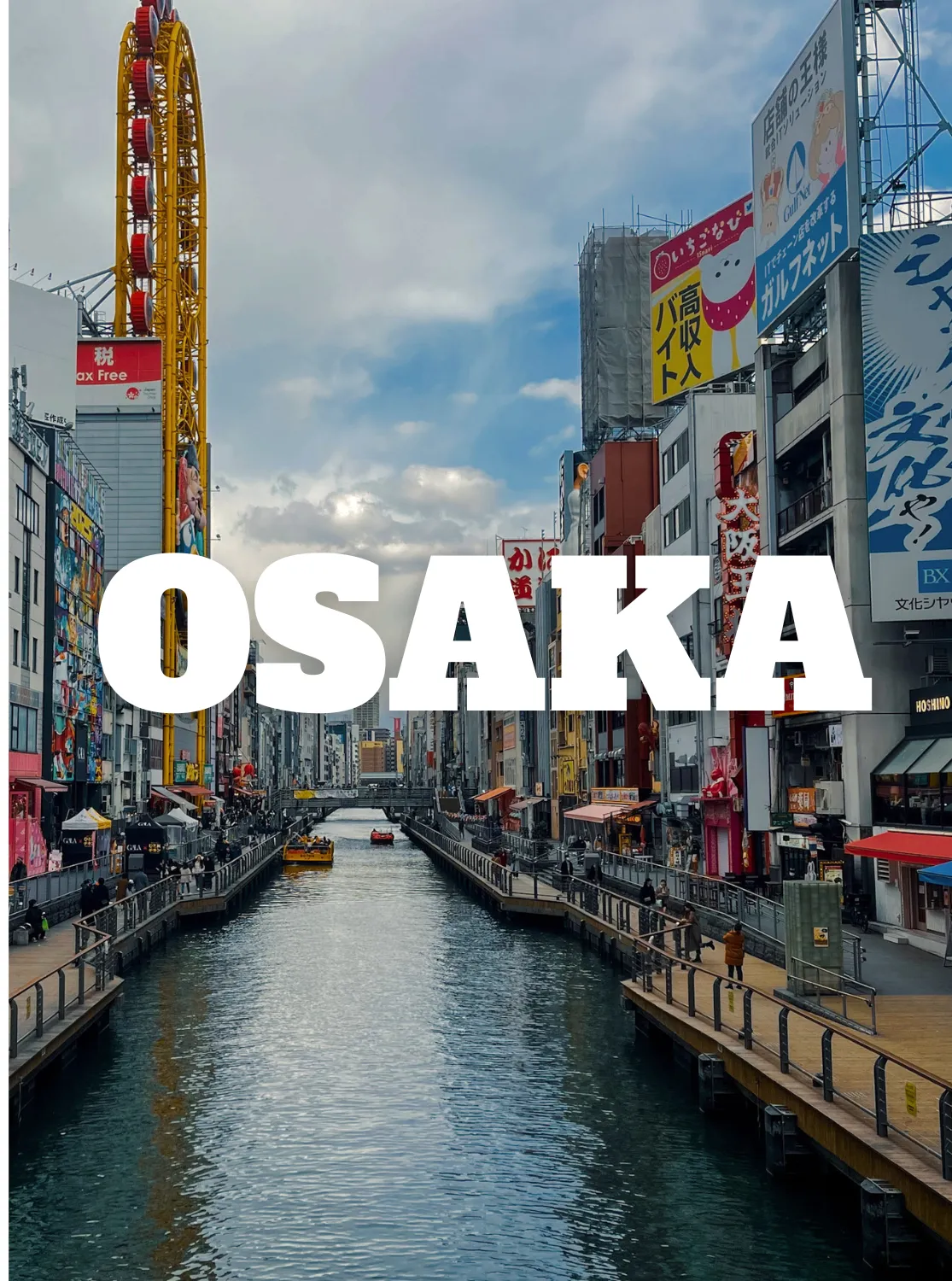

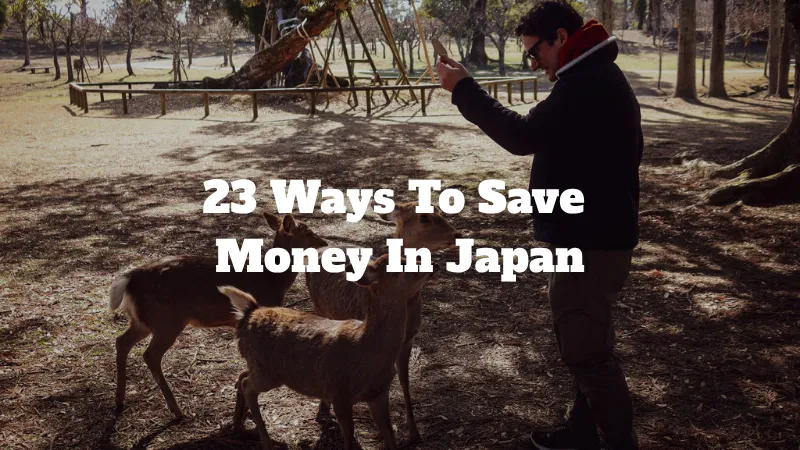
How To Travel Japan On A Budget
How to extend your budget to get the most out of your Japan trip. These 23 money saving hacks are what I have picked up along the way.
Japan Essentials
How To Get Around Japan
Everything you need to know about getting from A to B
Get a Suica card on day one
Rechargeable IC card that works on almost every train, subway and bus in Japan. Tap in, tap out – no fumbling for change, no buying individual tickets. Also works at convenience stores to pay for food and drinks. You can purchase them from airport vending machines or go to your Apple wallet, tap ‘+’, select travel card and search for Suica, PASMO, or ICOCA . You are then able to top it up and use from your phone.
Shinkansen between cities
Japan’s bullet train connects all the major cities at speeds that make flying feel pointless. Tokyo to Kyoto in just over 2 hours. Book ahead during cherry blossom season and Golden Week — seats sell out fast. Book here →
Google Maps for everything
Surprisingly accurate for Japanese public transport, it tells you the platform, which carriage to board and which exit to use. Download offline maps for each city before you land.
Hire a car outside the cities
Worth it for rural areas like Okinawa and the Japanese Alps — public transport simply can’t match the freedom. Driving is on the left and road signs are mostly in Japanese so make sure you get an international driving permit before you travel. Book car here →
Buses are an excellent budget-friendly option if time isn’t an issue. Overnight buses between cities in particular are a great way to save on both transport and accommodation.
Taxis are very expensive in Japan — use them as a last resort. Late at night or when you’re carrying heavy bags are the only times they’re really worth it.

The Truth About Japan’s MiPig Cafes
I really regret visiting Japan’s famous animal cafe. This is everything I learned and why I encourage you not to visit.
How Expensive Is Japan?
Honestly, Japan has a reputation for being expensive that is slightly outdated. Since COVID, the yen has weakened significantly which means your money goes further than it did a few years ago. That said, it is not a budget destination either.
The biggest costs are flights and accommodation. Once you are there, day to day spending is very manageable if you are smart about it. Convenience store meals cost next to nothing and are genuinely delicious. Ramen shops, standing sushi bars and local izakayas will feed you well for very little. Where people overspend is on tourist trap restaurants near the main sights, taxis and booking everything last minute. Most of the top attractions like temples are actually free.
A realistic daily budget once you land is somewhere between $60-$100 per person depending on how you travel. That covers accommodation, food, transport and the odd activity. If you are staying in mid-range hotels and eating a mix of cheap and mid-range food, budget closer to $120-$150. Luxury is a different story entirely.
The one thing worth splurging on is the Shinkansen and a tea ceremony in Kyoto. It is not cheap but it is one of the best travel experiences you will have anywhere in the world.
Best Time To Visit Japan
The two seasons everyone talks about are spring and autumn and for good reason.
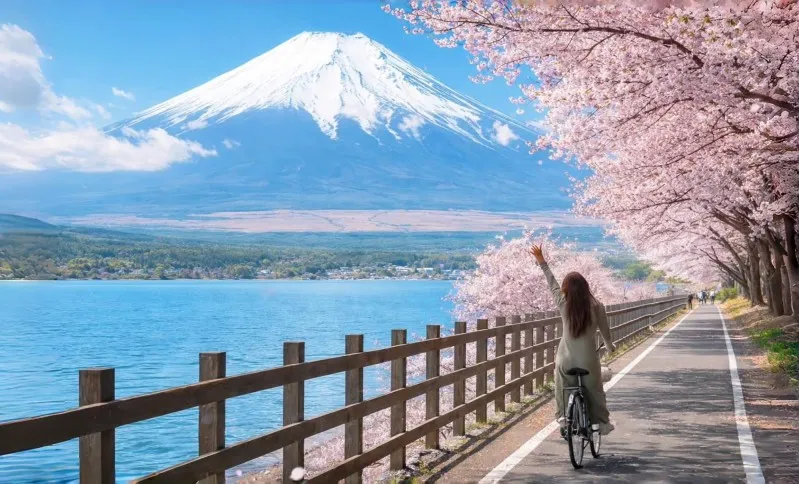
March to May is cherry blossom season. It is genuinely as beautiful as it looks in photos and worth planning your trip around if you can. The catch is that everyone else has the same idea. Crowds are at their peak, hotels book out months in advance and prices spike. Book early or accept that popular spots like Maruyama Park in Kyoto will be absolutely rammed.
October and November bring the red autumn foliage. The colours are spectacular, the weather is crisp and the crowds are slightly more manageable than spring. This is personally my favourite time to visit.
Summer (June to August) is hot, humid and rainy season hits in June and July. I don’t think it’s worth visiting Japan during this time, you’ll be avoiding the outdoors in search of some AC. Winter (December to February) is cold but quiet, cheaper and honestly underrated especially if you want to see snow in places like Nikko or the Japanese Alps.
If flexibility is not an option and you have to travel in peak season, just book everything as far in advance as you possibly can.
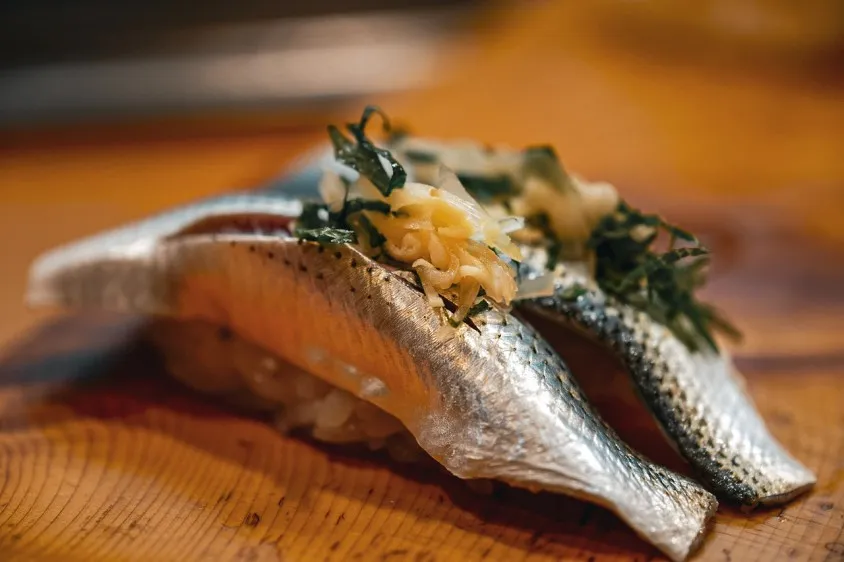
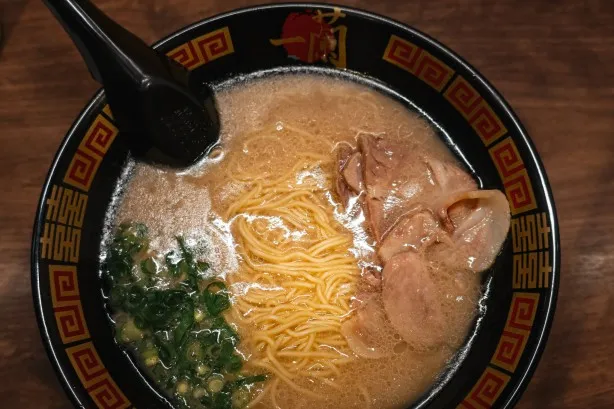
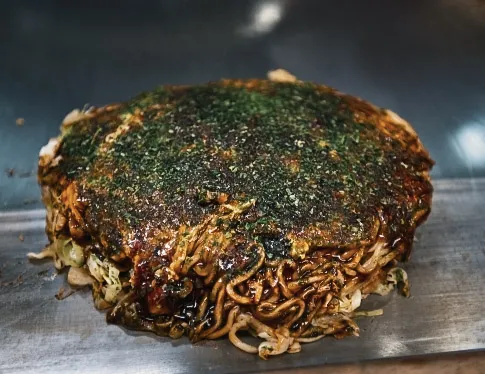
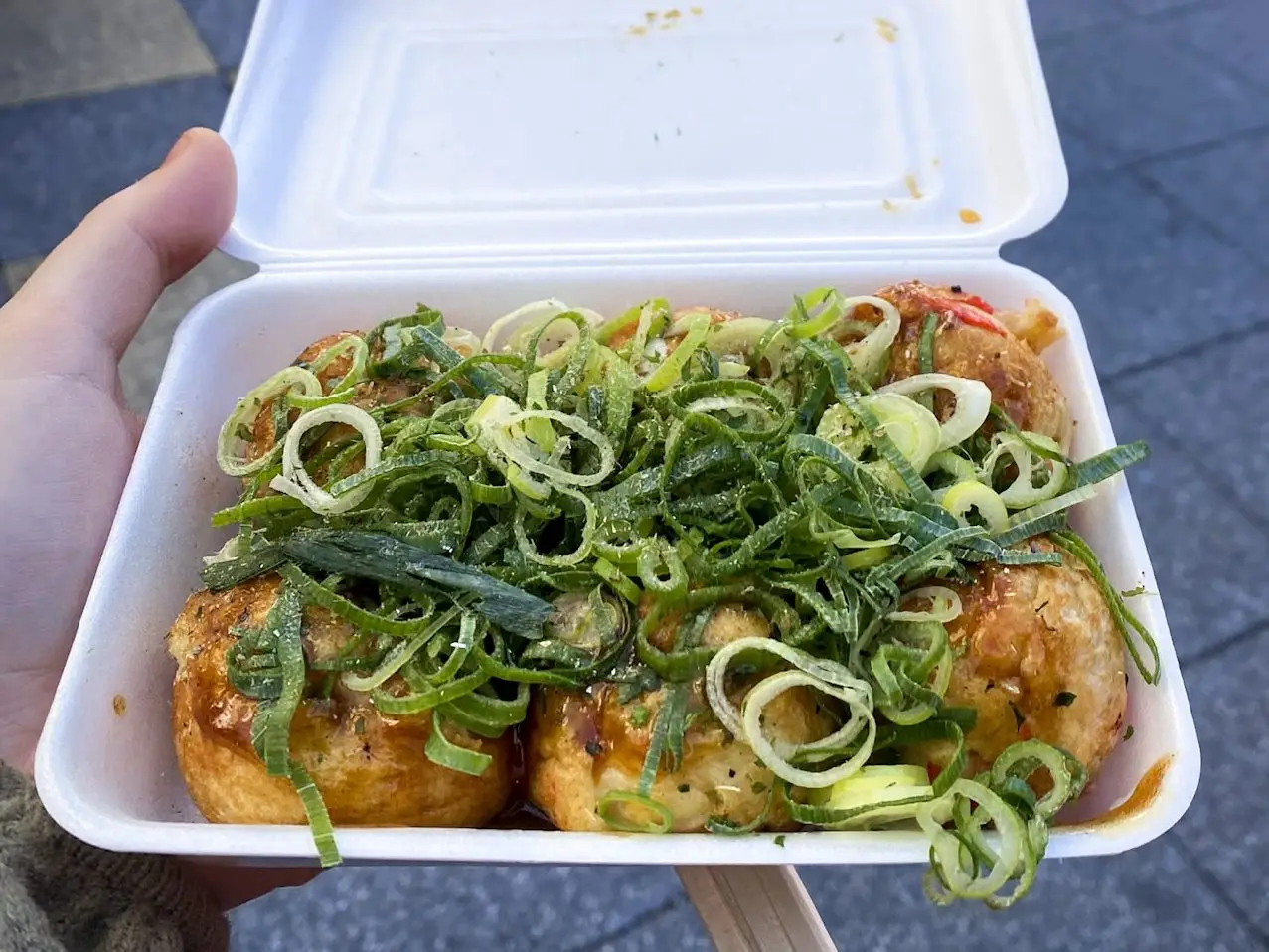
Must Eat Food In Japan
Japan will ruin you for food everywhere else. Here’s what you absolutely cannot leave without eating.

Bucket List Activities
My favourite experiences worth booking in advance

Dream hotels in Japan
Handpicked luxury stays you’ll love
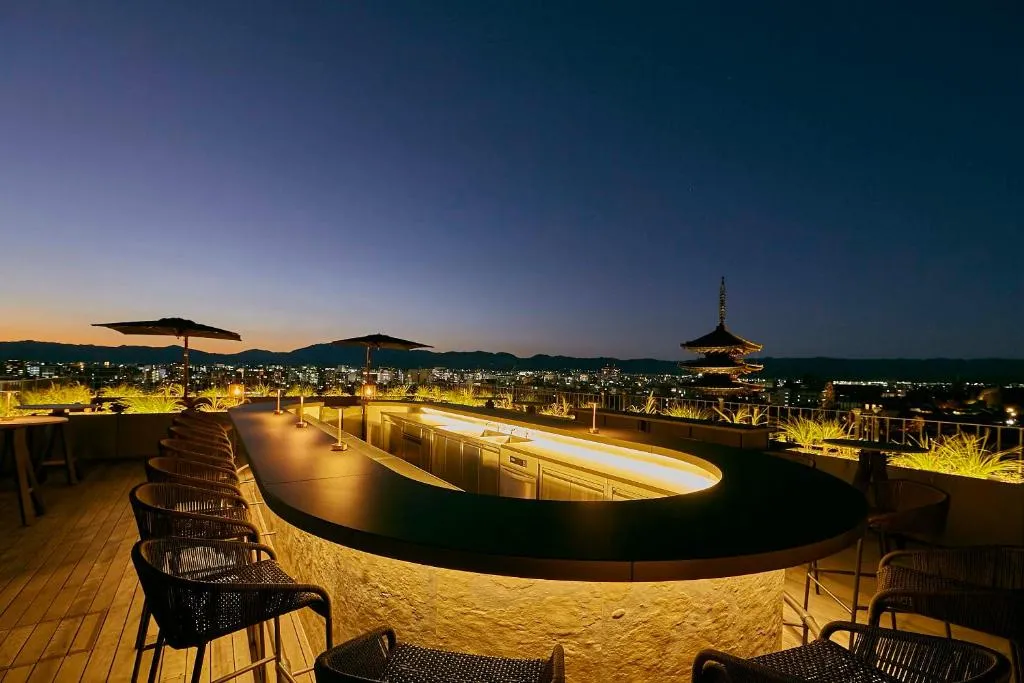
Hotel Seiryu Kyoto Kiyomizu
Overlooking Kiyomizu-dera Temple, this 5-star hotel is oozing luxury. Rooftop cocktails, 4 restaurants and rooms from an impressive 480 sq ft.
View hotel →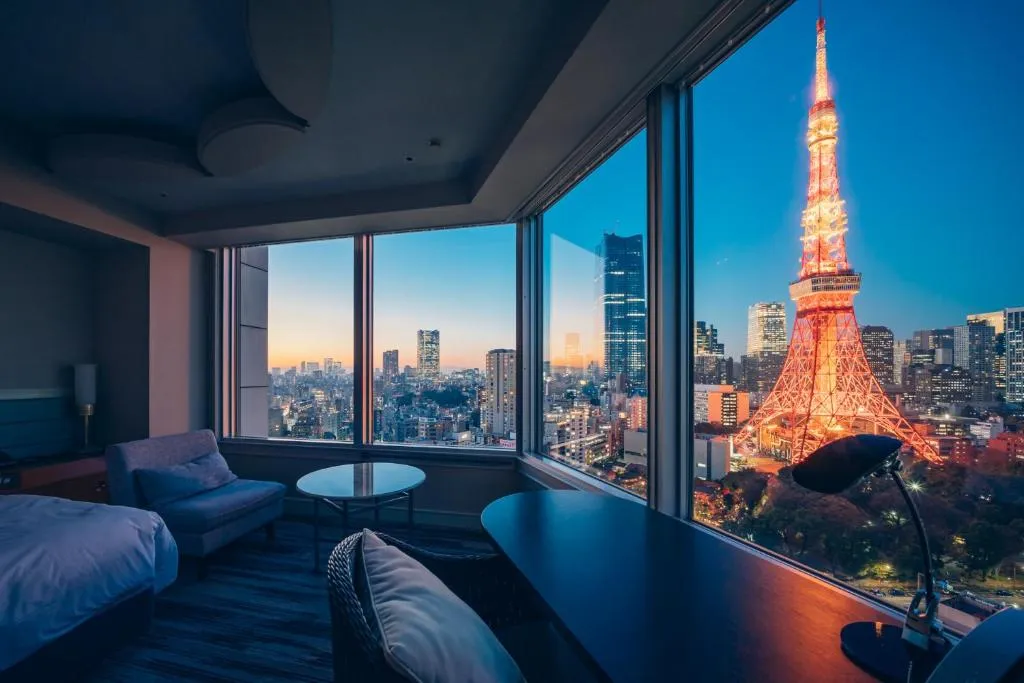
The Prince Park Tower Tokyo
Insane views of Tokyo Tower and the city skyline. Hot-spring spa, indoor pool and a 33rd-floor lounge.
View hotel →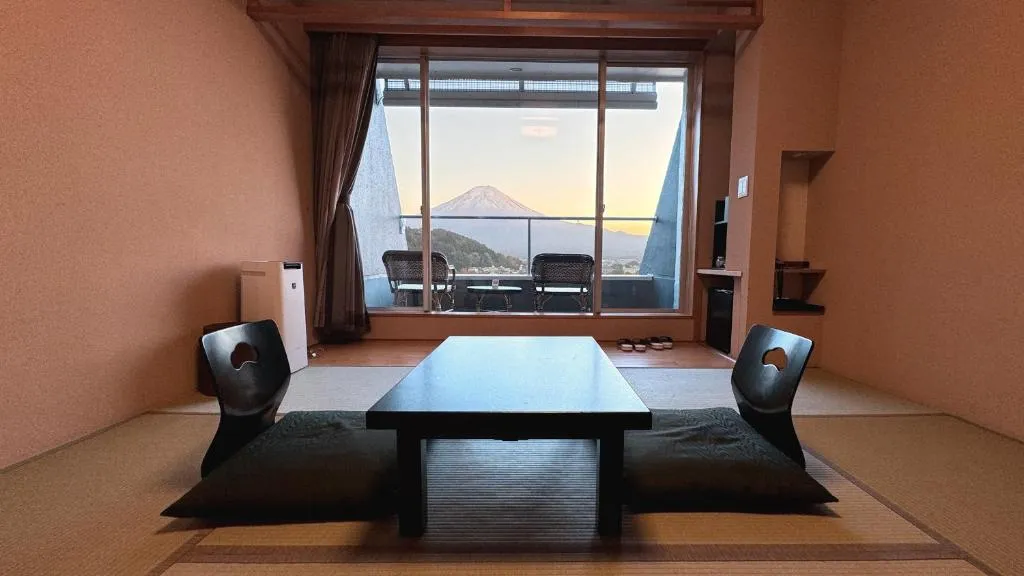
Mizno Hotel
Wake up on Lake Kawaguchi to views of Mount Fuji. A once in a lifetime stay — the only problem is you won’t want to leave.
View hotel →Travel Resources
Tools I personally recommend for your trip to Japan
Apps To Download In Japan
Small downloads that make a big difference 🇯🇵
Google Maps
Best for subways. Shows ideal carriage + correct exit. Search in Japanese using Google Translate.
YuMi Translator
Reliable offline translator for menus and signs.
Gurunavi
Restaurant reviews and table reservations.
Japan Official Travel App
Up-to-date events and attraction info.
Yurekuru
Real-time earthquake alerts in English.
Japan ATM Navigation
Find ATMs that accept foreign cards.
Wolt
Easy food delivery with lots of choice.
LUUP
E-scooter and e-bike rental app.
Klook / GetYourGuide
Book attraction tickets and tours safely.
Japan Packing List
The non-obvious stuff worth packing before you fly
Type A adapter
Japan uses flat two-pin plugs at 100V. Most modern electronics handle the voltage fine, but you’ll need the right plug shape. Grab one before you fly as airport shops charge a premium.
Portable Wi-Fi or a local SIM
Staying connected is essential for maps and transit apps. Pocket Wi-Fi routers can be rented at the airport and returned on the way home. Alternatively, an eSIM from Airalo → is cheaper and takes two minutes to set up.
Coin purse
Japan is still largely cash-based and you’ll accumulate ¥100 and ¥500 coins faster than you expect. A small coin purse keeps things manageable. Trying to fish coins from the bottom of a bag at a busy konbini gets old quickly.
Handkerchief and SPF
Many public restrooms don’t have hand dryers or paper towels, a small cloth is genuinely useful every single day. And Japan’s UV index is no joke from April onwards; pack a proper SPF 50 rather than relying on finding your brand there.
Compact umbrella
Rain comes suddenly and often. A small folding umbrella lives in your day bag and saves you every time. Convenience stores sell cheap ones if you forget, but the quality isn’t great.
Don’t bother with toiletries beyond the basics. 7-Eleven, FamilyMart and Lawson stock shampoo, deodorant, skincare and medicine. You’ll find what you need within five minutes of your hotel.
Travel light if you’re moving between cities. Lugging a large suitcase through train stations is exhausting. Japan’s luggage forwarding service (takuhaibin) ships bags cheaply between hotels overnight, use it.
Japan FAQ
How many days do I need in Japan?
Two weeks is the perfect amount of time for a first trip to Japan. It gives you enough time to cover the big hit destinations like Tokyo, Kyoto and Osaka properly without feeling like you are rushing. If you can stretch to 16 or 17 days you can add Okinawa, Sapporo
or Fukuoka without it feeling cramped.
Ten days is doable but you will have to make choices. Pick two or three cities and do them well rather than trying to tick off everything. Japan is one of those places where slowing down rewards you more than rushing around.
Anything under a week and you will leave frustrated.
How much cash should I bring for my Japan trip?
More than you think. Japan is still very much a cash society, particularly outside the big cities. Many restaurants, small shops and izakayas are cash only and the last thing you want is to be standing outside a ramen shop with no yen.
Keep around 10,000 yen (roughly $60/€50/ £50) in cash per day for food and small purchases, pay for attractions and shopping with your card. This will just be a buffer for unexpected cash-only situations, you won’t need to spend the full 10,000 yen everyday.
ATMs are everywhere. 7-Eleven and Japan Post ATMs are the most reliable for foreign cards. Withdraw in larger amounts rather than lots of small transactions to avoid fees stacking up.
Is tipping rude in Japan?
Yes, do not tip. It is not just unnecessary, it can actually cause offence. In Japan, good service is standard, not something that needs to be rewarded on top of the bill. Leaving money on the table will confuse staff and in some cases they will chase after you to return it thinking you forgot it. It will be awkward and also insulting to the staff. This applies everywhere. Restaurants, taxis, hotels, ryokans. No tips, ever.
Is Japan safe for solo travellers?
Japan is one of the safest countries in the world, full stop. I have travelled there solo and the level of safety compared to most other destinations is genuinely remarkable. Violent crime is extremely rare, people are helpful and respectful and you can walk around late at night without a second thought in most cities.
Solo female travellers specifically ask me this a lot. My honest answer is that Japan is one of the most comfortable solo female travel destinations I have been to. The usual common sense applies but beyond that you can relax in a way you probably cannot in most other places.
Do I need to speak Japanese to visit Japan?
No, but a few words go a long way. In Tokyo, Kyoto and Osaka you will get by absolutely fine with English. Train stations, airports and most tourist areas have English signage and staff in hotels almost always speak some English.
Where it gets trickier is in smaller towns and local restaurants with no English menu. This is where Google Translate and the YuMi translator app earn their place on your phone. Point your camera at a menu and it translates in real time. It is not perfect but it is good enough.
Learning a handful of words before you go will genuinely change how locals respond to you. Sumimasen (excuse me), arigatou gozaimasu (thank you) and konnichiwa (hello) will get you a long way. People appreciate the effort even if your pronunciation is terrible.