O S A K A
Japan’s kitchen Osaka should be an essential stop on everyone’s Japan itinerary. Not as overwhelming as Tokyo and less busy than Kyoto, of all the places I visited in Japan, Osaka had a real edge and even in some parts even felt gritty, which if you know Japan you know that is very rare.
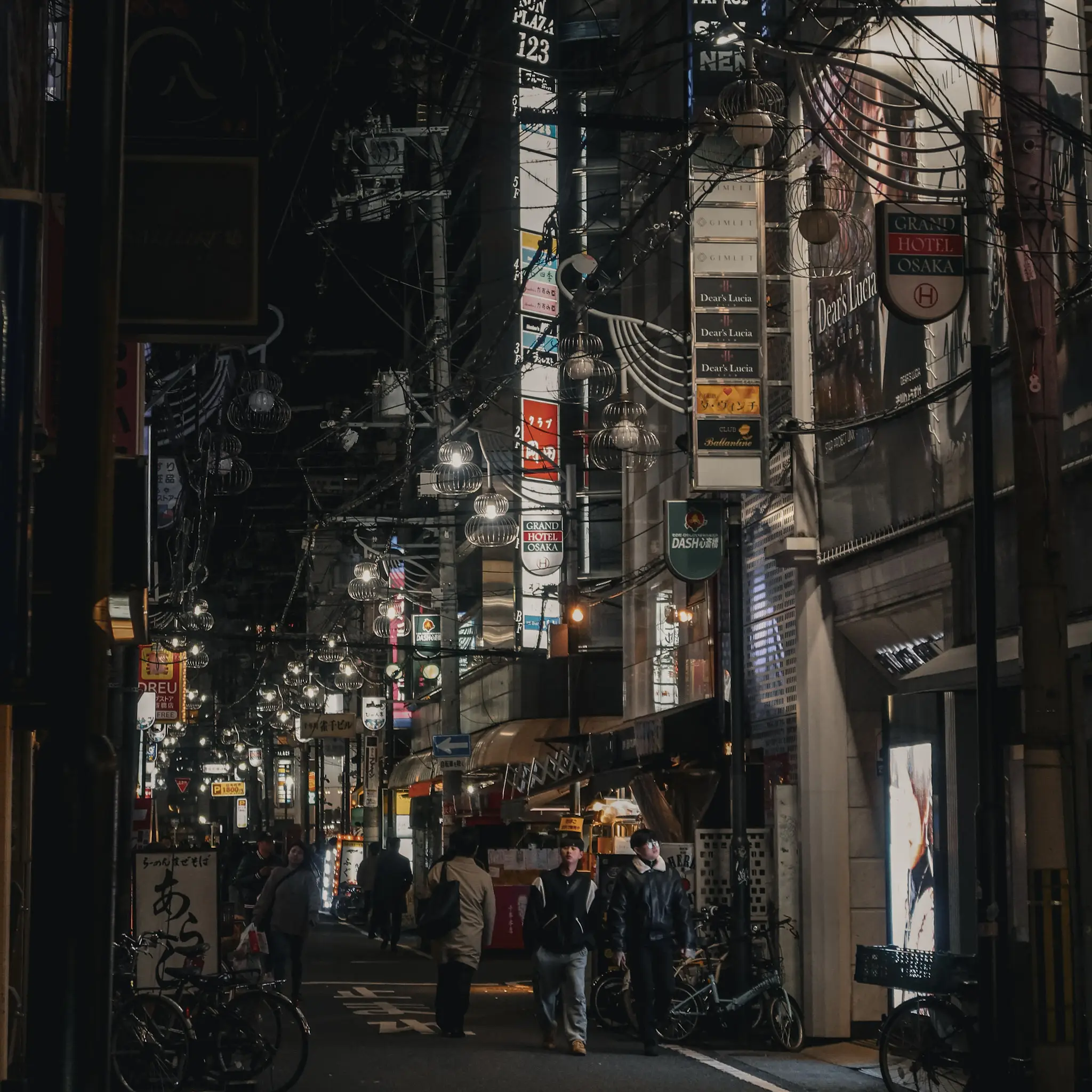
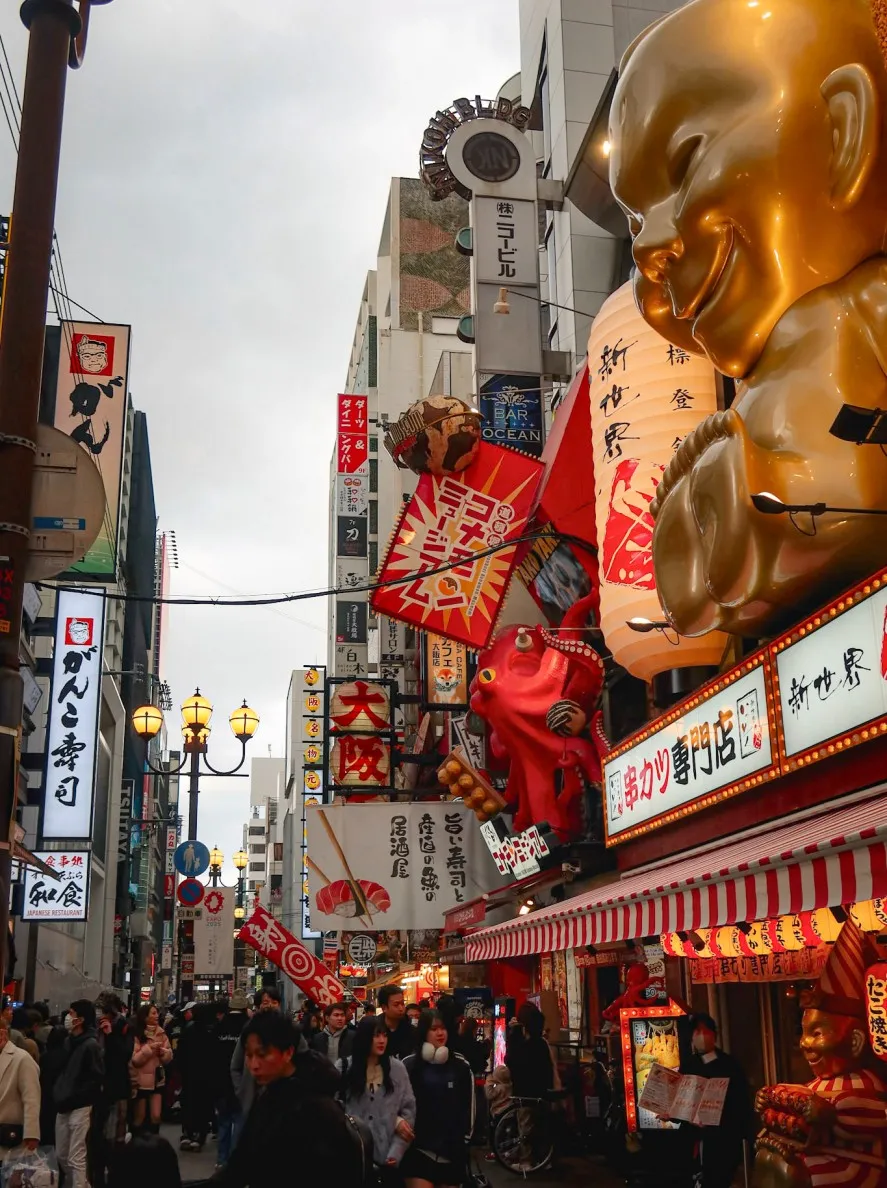
Along with a sprinkle of grit, Osaka is playful. The shop fronts are bold, with bright colours and 3D characters emerging from them. I’ve never been anywhere like it. Dontonbori felt like an adult playground with all the neon lights, Shinsekai takes you back a few decades and Janjan-Yokocho is where you go for the best kushikatsu and retro arcade games.
If you are planning a trip to Osaka then check out my detailed posts below along with a few helpful tips and recommended experiences to ensure you have a memorable Osaka trip. Osaka is also one of four cities I cover in my full Japan travel guide, if you are still in the planning stages, that is a good place to start.
Osaka Posts
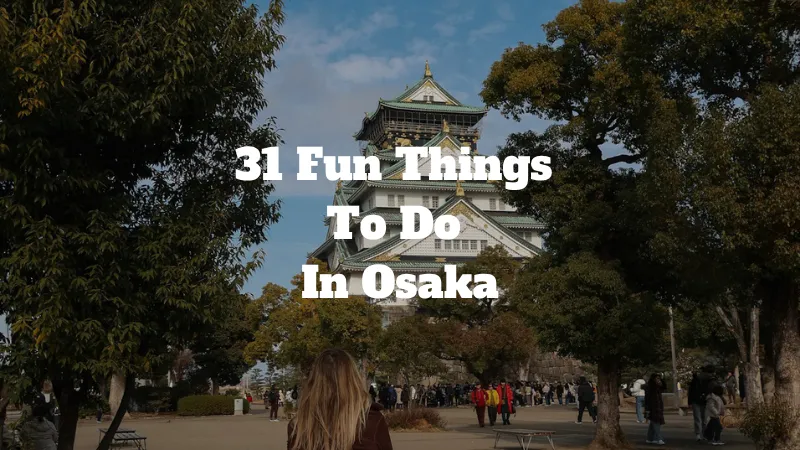
31 Fun Things To Do In Osaka
All the best things to do in Osaka including day trips to parks, Universal Japan and lesser known attractions.
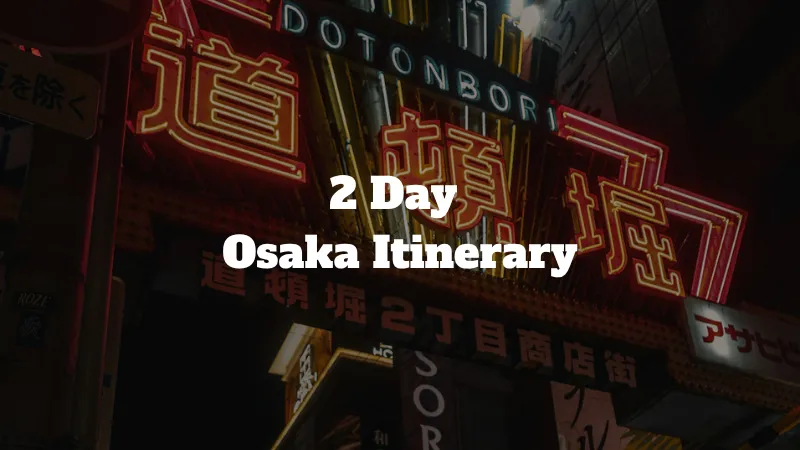
2 Days In Osaka
How to spend 48 hours in Osaka. Itinerary is optimised with a map.
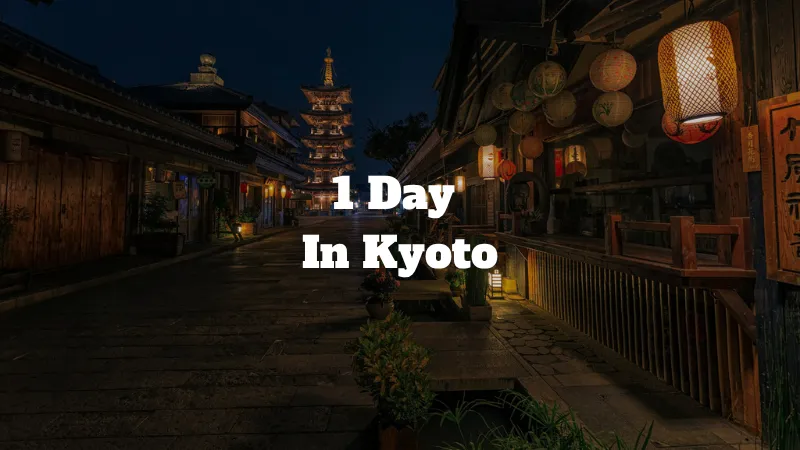
1 Day In Kyoto – Osaka Day Trip
A realistic 1 day Kyoto itinerary that takes you to the best corners of the city.
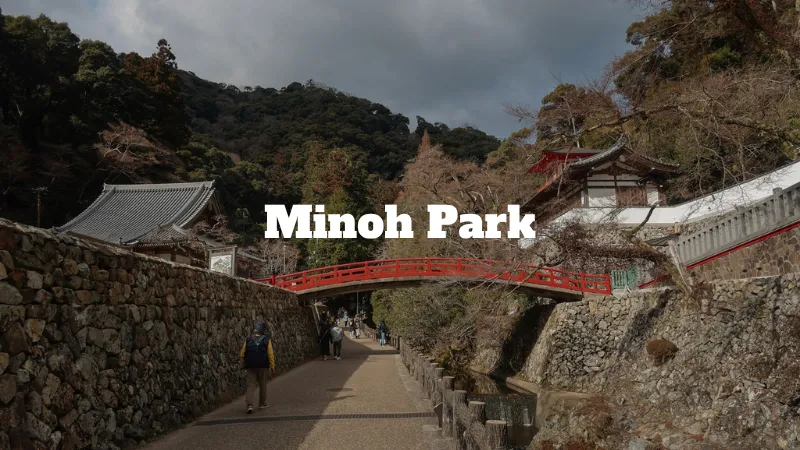
Minoh Park – Osaka Day Trip
A day trip to Minoh Park famous for its waterfall and deep fried maple leaves.
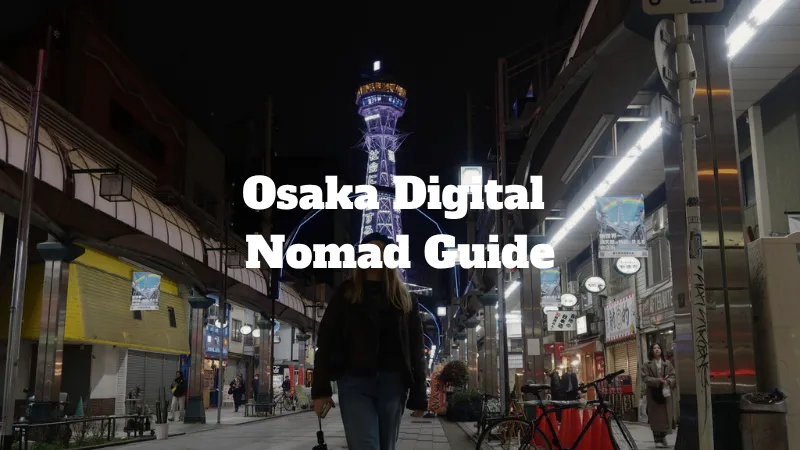
Osaka Digital Nomad Guide
Thinking of becoming a digital nomad in Osaka? This guide tells you everything you need to know to get set up.
Medical expenses in Japan are THREE times the cost for tourists in when compared with residents. A simple GP visit can be approximately 34,000 yen. Make sure you have travel insurance in place before arriving in Japan. I recommend True Traveller for EU/UK citizens and World Nomads for anyone outside of here.
About Osaka
Osaka has been a trading city for over a thousand years and that commercial DNA never left. It was the economic engine of Japan long before Tokyo took over, and locals will remind you of that with pride. Situated in the Kansai region, roughly 2.5 hours from Tokyo by Shinkansen, it sits alongside Kyoto and Kobe, three very different cities within easy reach of each other.
What Osaka is actually known for is food. Takoyaki, okonomiyaki, kushikatsu are its specialities, the city has a saying, kuidaore, which roughly translates to “eat until you drop.” People here take that seriously. Aside from food, it has a raw, unpretentious energy that the rest of Japan’s big cities sometimes lack. Dotonbori is loud and neon-lit, Shinsekai still has an old city grittiness and neighbourhoods like Nakazakicho feel like they exist in their own quiet pocket.
Today Osaka is bigger and busier than it looks on a map, but never feels as relentless as Tokyo.
Where To Stay In Osaka
I wrote in more detail about where to stay in Osaka here. These are are few hotels that are centrally located and clean.
Budget | Daiwa Roynet Hotel is a 3 star hotel in Umeda, a short walk from Osaka Station. Rooms are spacious and comfortable. The hotel also has a coin launderette
Mid-range | OMO7 is a 5-star hotel where every room has a city view. Located in Shinsekai, you will be in a lively area full of fantastic food options. Rooms are large, bright and modern, some room options include a kitchen. The hotel provides a shuttle bus to Universal and has an on-site bathhouse.
Luxury | Citadines located in Namba, just a stones throw from Dotonbori, this 5-star hotel is the perfect base for your trip to Osaka. The hotel features a gym, comfortable lounge and restaurant. The rooms are spacious with modern decor. A breakfast buffet is available every morning.
Best Time To Visit Osaka
The best times to visit Osaka are in spring (March, April, and May) and autumn (October and November). These seasons offer the most comfortable weather for travelling. Along with the comfortable temperatures, it is also when Japan’s beautiful scenery comes to life. In spring, Osaka’s cherry blossoms cover the city in pastel pink, making everything insanely pretty. Similarly, autumn offers rich hues of reds and oranges, creating a stunning backdrop when visiting shrines and temples.
Osaka has cooler weather than Tokyo, January is the coldest month with temperatures dipping to 6°C. Whereas Summer can become very humid and wet, with the highest temperatures occurring in August reaching 29°C. June is the wettest with 9 inches of rain.
Getting Around Osaka
Metro
The Osaka Metro is your best friend here. It’s clean, reliable and easy to navigate even if you have zero Japanese. Load an IC card (Icoca or Suica) with yen and tap on, tap off no faffing with ticket machines every time. The Midosuji Line (the red one) does most of the heavy lifting, connecting Umeda, Namba and Tennoji. If you’re planning a busy day of moving around, a day pass is worth picking up.
Bikes
Osaka is flat, which makes cycling actually enjoyable rather than a workout you didn’t sign up for. Docomo Cycle has docking stations dotted around the city and a day pass won’t break the bank. It’s a nice way to get into quieter neighbourhoods without being glued to the metro map.
Taxis
Taxis in Japan are metered and honest. That said, they are pricey compared to the metro so save them for late nights when the trains stop running around midnight. The GO app works well if you want to book ahead rather than hailing one on the street.
Best Osaka Experiences