S E O U L
travel guide
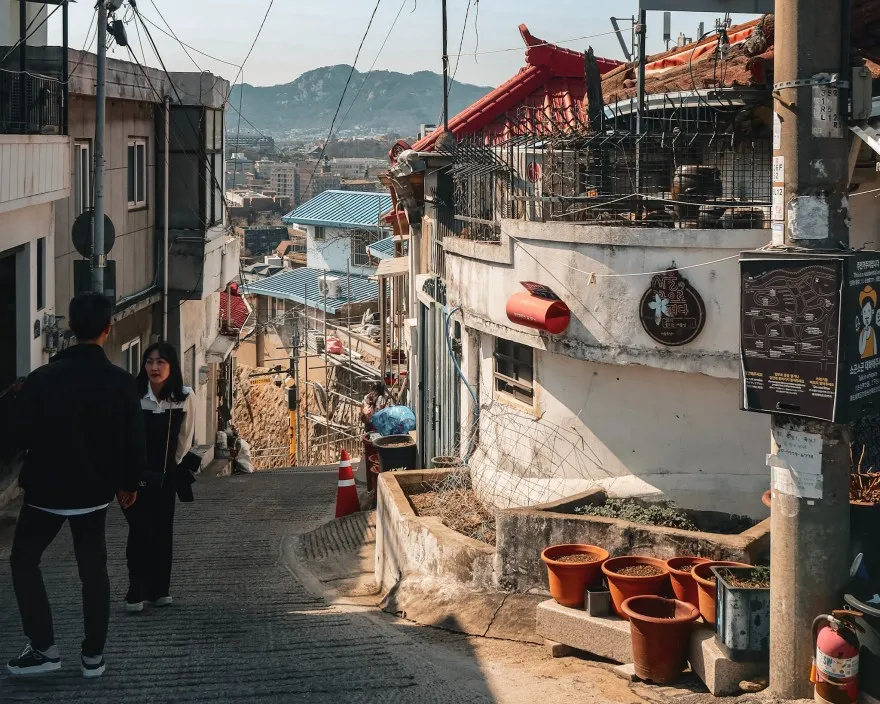
I stayed in Sadang, not a neighbourhood most guidebooks send you to, but a proper Seoul one, where office workers pour out of the subway at 7am and Gwanaksan looms green at the end of every street. I’d grab an iced americano from a chain cafe called A Twosome Place (there’s one on every corner and I stopped pretending otherwise), and ride Line 2 or Line 4 into the city. I never got tired of the view as the train crossed Han River.
Seoul is Korea’s capital and the engine of everything, K-pop, skincare, fashion, the food trends that reach the rest of the world eighteen months later. It’s a city of 10 million that feels even bigger, stacked with 600-year-old palaces on one block and glass towers the next. You come to Seoul to be swept along.
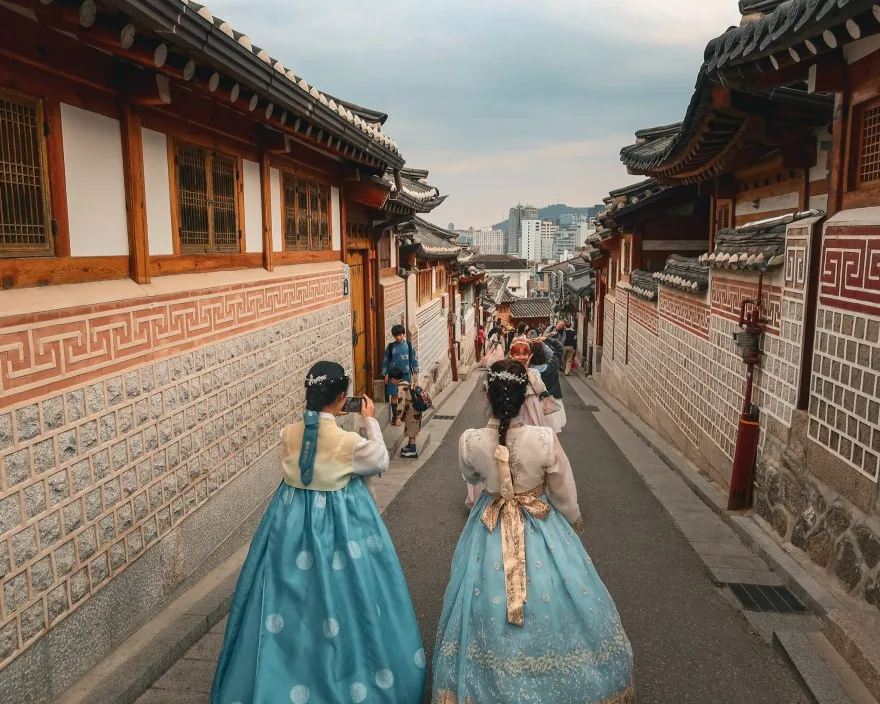
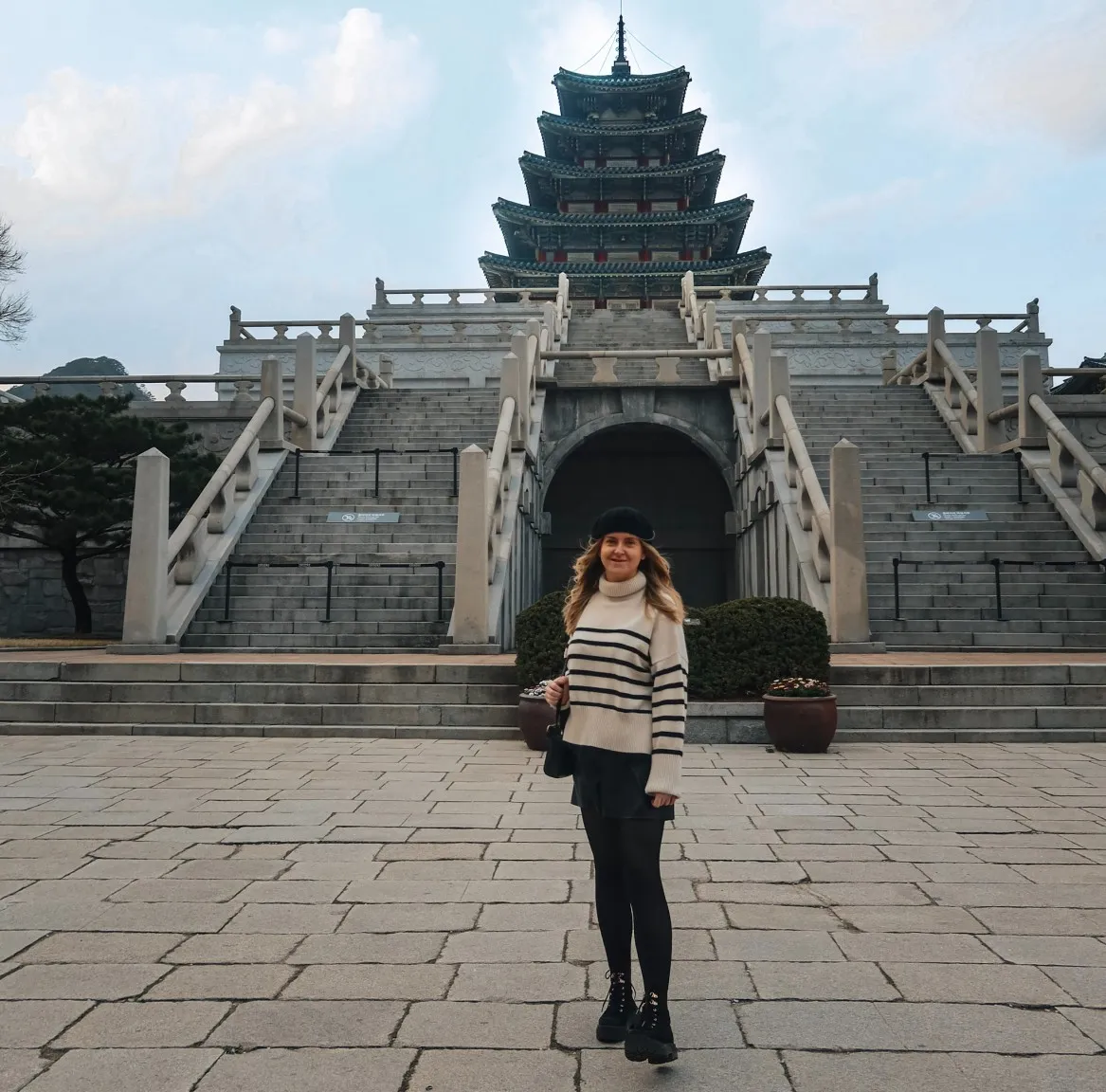
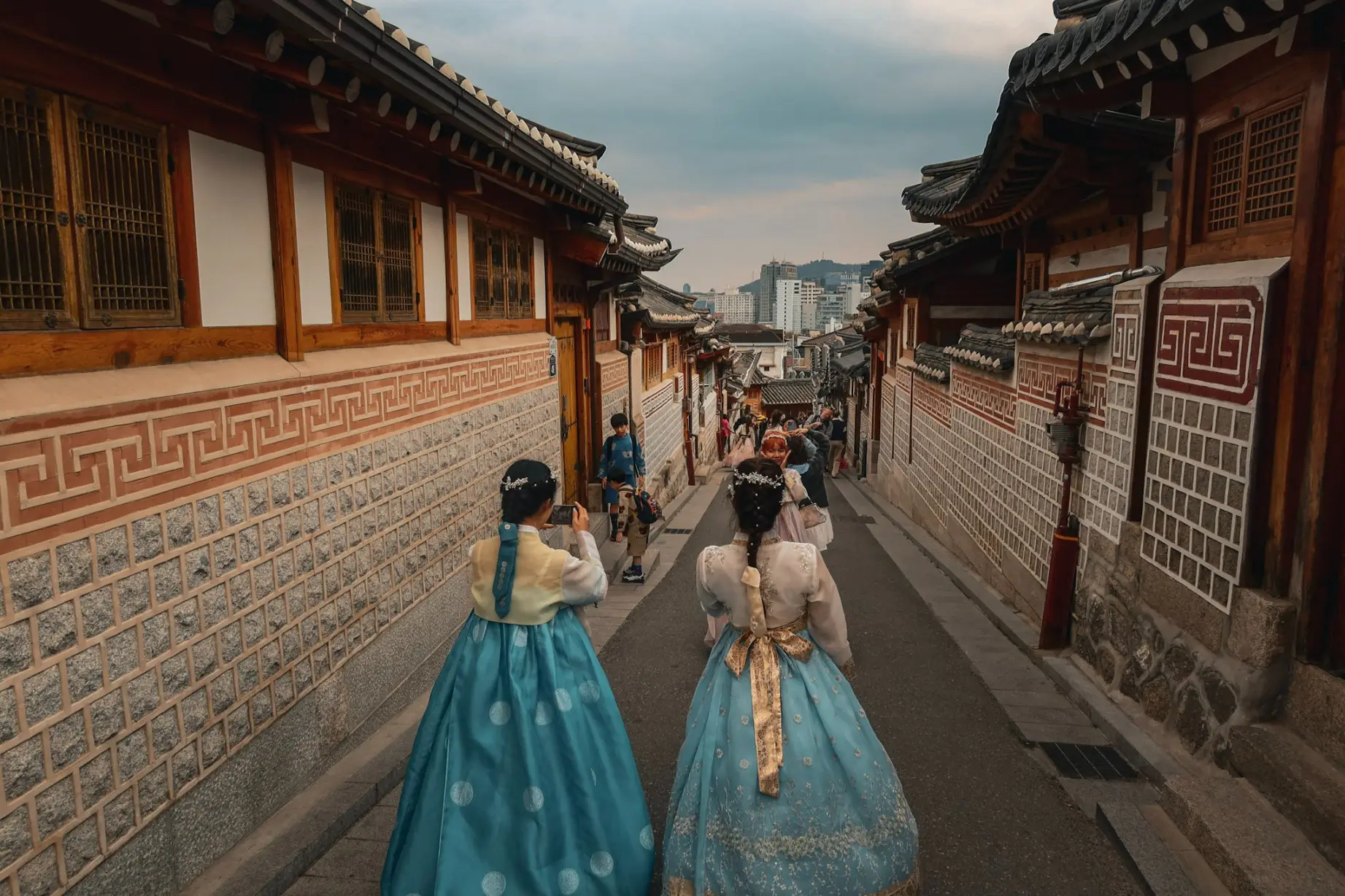
Give Seoul at least four or five days. Enough time to wander Bukchon in the early morning before the tour groups arrive, eat your way through Gwangjang Market, catch the changing of the guard at Gyeongbokgung, lose an afternoon in a Seongsu concept store and end up at 2am in a Euljiro pocha you’ll never find again.
 First time to South Korea? Read my South Korea travel guide for all the essential information you need to plan your trip.
The Seoul Essentials
Best Time to Visit
October and early November is Seoul at its peak. Blue skies, cool temperatures, and the old palaces ringed by red and gold maples. Late March into early April brings cherry blossoms along the Han River and Yeouido Park, but the bloom lasts barely a week and the crowds move fast.
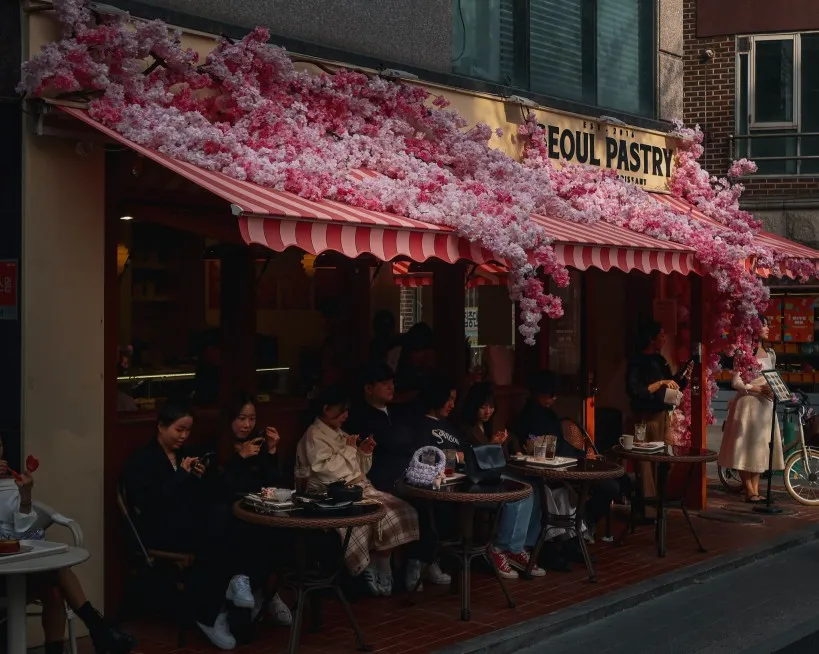
June to August is hot and sticky, and the monsoon (jangma) lands in July with heavy rain that can flood the low streets for hours at a time. December to February drops well below freezing, often to minus ten, but the skies are bright and dry, and the city handles winter beautifully with heated shopping arcades and ondol-floor cafés.
How Much Is A Hotel In Seoul?
Seoul sits in the middle for cost. Noticeably cheaper than Tokyo, a clear step up from Bangkok or Taipei, with design hotels that punch well above their price. Gangnam is polished and pricey, Myeongdong is touristy but walkable to the palaces, and Hongdae and Itaewon hold most of the good budget beds.
Hongdae, Euljiro, and Seongsu are better value than the tourist cores and sit closer to the best food and nightlife anyway.
How Many Days In Seoul?
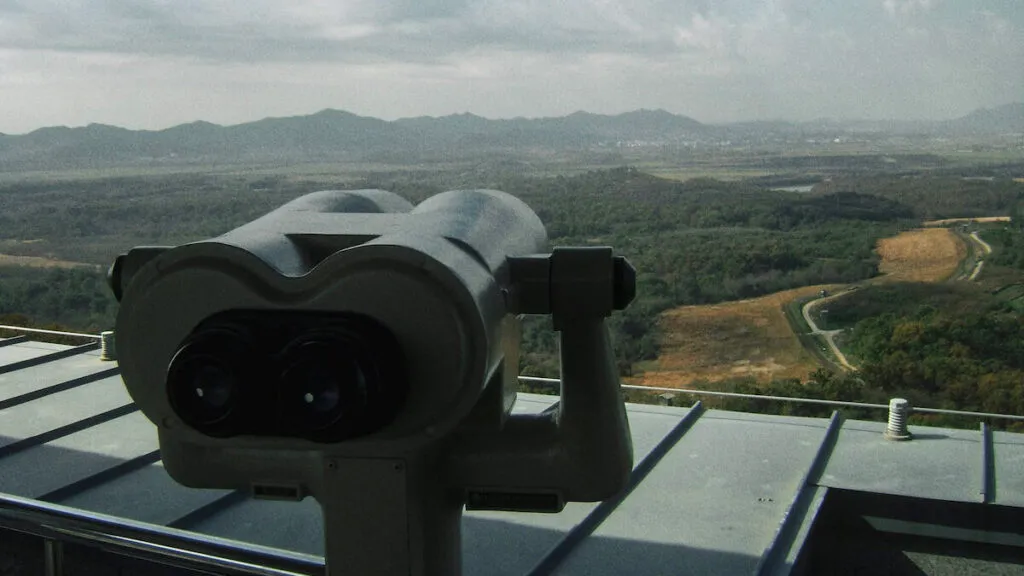
Three days covers the headliners. Gyeongbokgung Palace with the guard-changing ceremony, Bukchon Hanok Village in the afternoon, and evenings split between a Mapo Korean BBQ and a late night in Hongdae. Five days gives you room for a DMZ tour (only possible through an organised operator), a night along the Han, and slower time in Ikseon-dong or Seongsu. A full week opens up a KTX run to Busan (two and a half hours south, a completely different city) or the hanok streets of Jeonju.
Shaded days optional but worth it if time allows.
What To Eat In Seoul
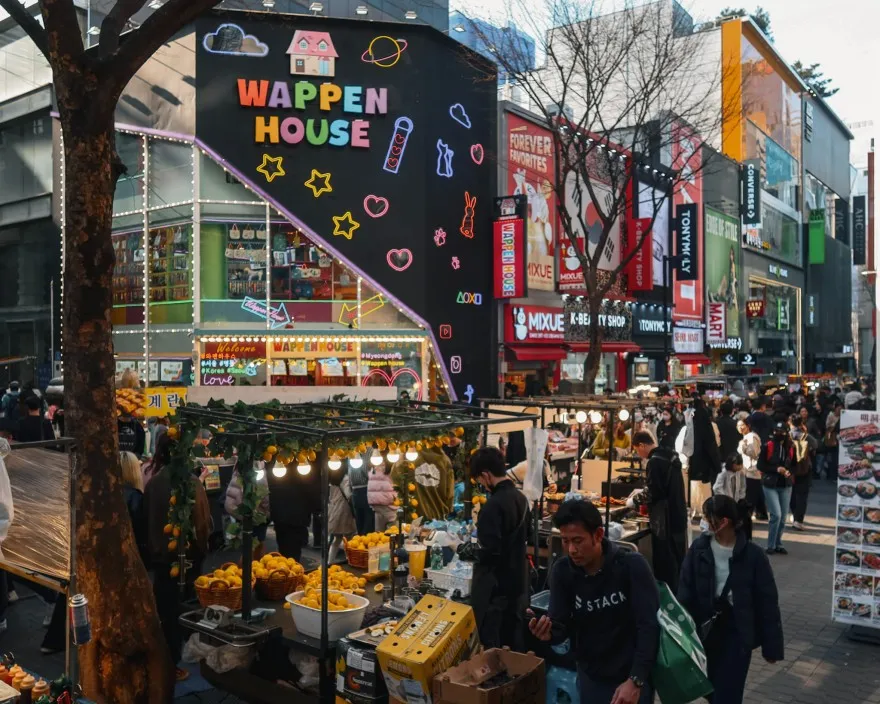
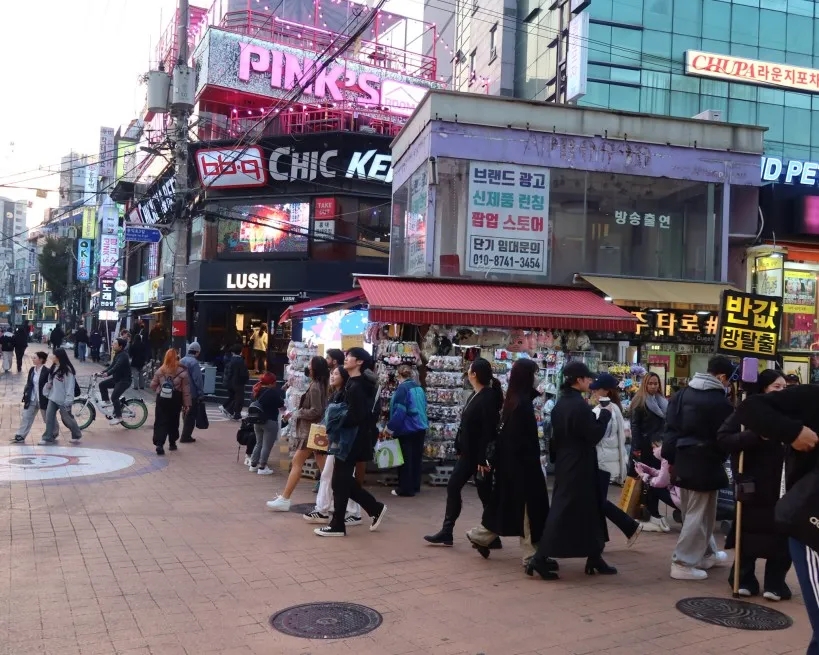
Seoul eats extremely well at every price point. Street tents in Myeongdong, pojangmacha after midnight, and some of the best fried chicken on the planet.
Where To Stay In Seoul
A crucial detail about Seoul is that this city is very spread out. There are 25 districts and 425 sub districts. So there is no real city centre, rather multiple centres within different districts. Each district has it’s own vibe which is exciting as a tourist when you’re exploring.
First-time visitors wanting to be close to the main attractions should stay in Myeongdong, on the foothills of Namsan Mountain or Houngdae for nightlife and cafe hopping. Bukchon and Insadong are the cultural hubs with traditional hanok villages and temples. While Gangnam is the commercial district but also offers good nightlife and upscale shopping, it’s just further out than other districts.
I wrote a detailed guide on where to stay in Seoul, covering the best 9 districts in detail including the proc and cons of staying in each area.
Best Hotels In Seoul
Budget | Myeongdong Ecohouse
Mid-range | Hotel Baroato 2nd
Luxury | LYJ SUITE
Getting Around Seoul
The fastest way to get around Seoul is the MRT. Locations are displayed and announced in Korean and English. It operate 5:30 AM to midnight – which is crucial information if you want to experience Seoul’s nightlife.
Prices start at ₩1,400 for trips under 10 km, with an extra ₩100 charged every 5km after that, capping at ₩2600-₩2700 for a single trip.
Buses are cheaper but the traffic is bad and often is overcrowded, we primarily used the MRT and it was perfect.
Additionally, you cannot rely on GoogleMaps in Korea. It does not work. Instead, download Naver Maps which gives you the most accurate walking directions along with real time subway and bus schedules.
Get around Korea hassle-free with a T-money prepaid transport card. Use this card on the metro, buses and even in convenience stores. It will save you money in the long-term rather than buying single tickets each trip.
Best Things To Do In Seoul
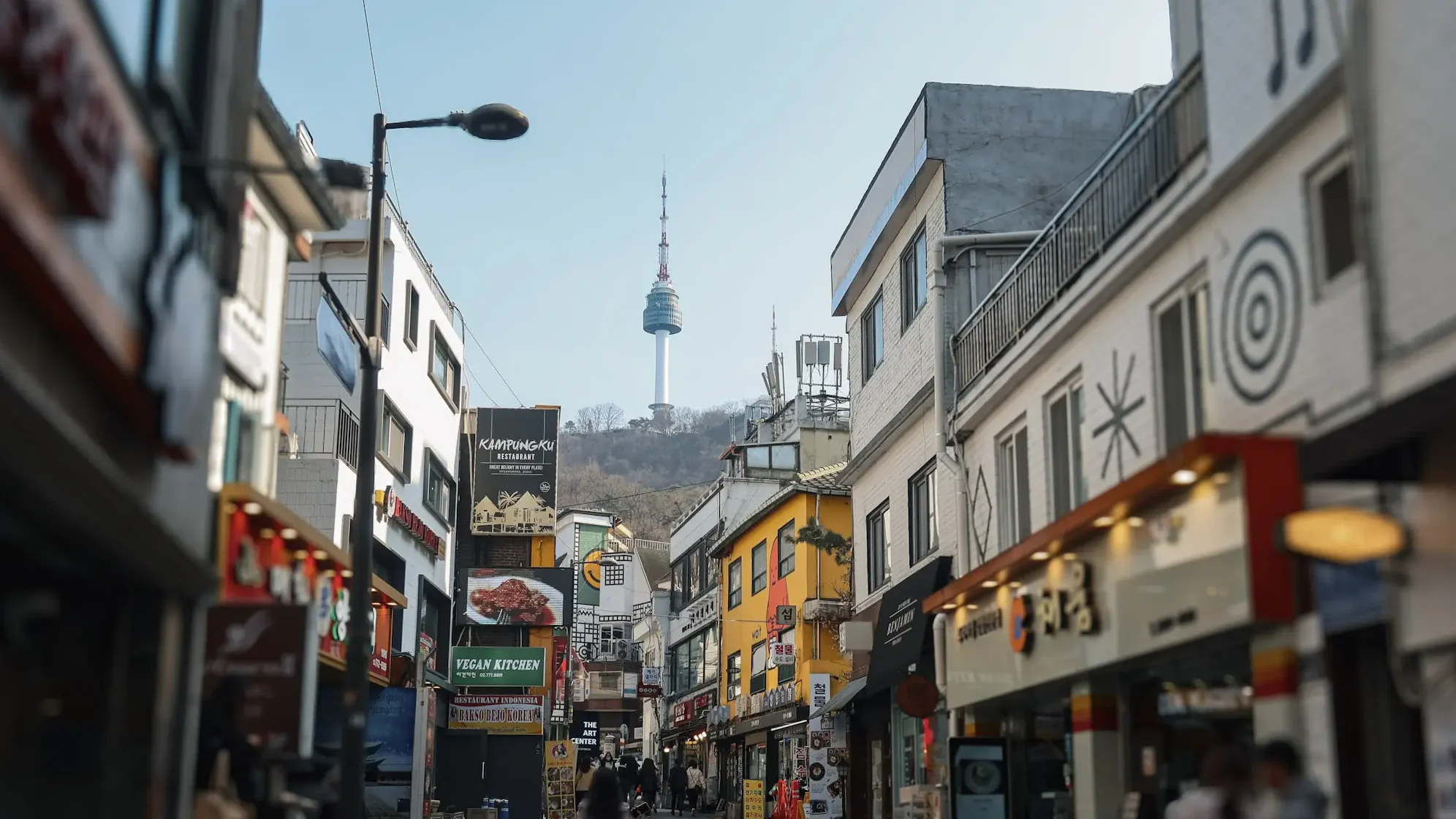
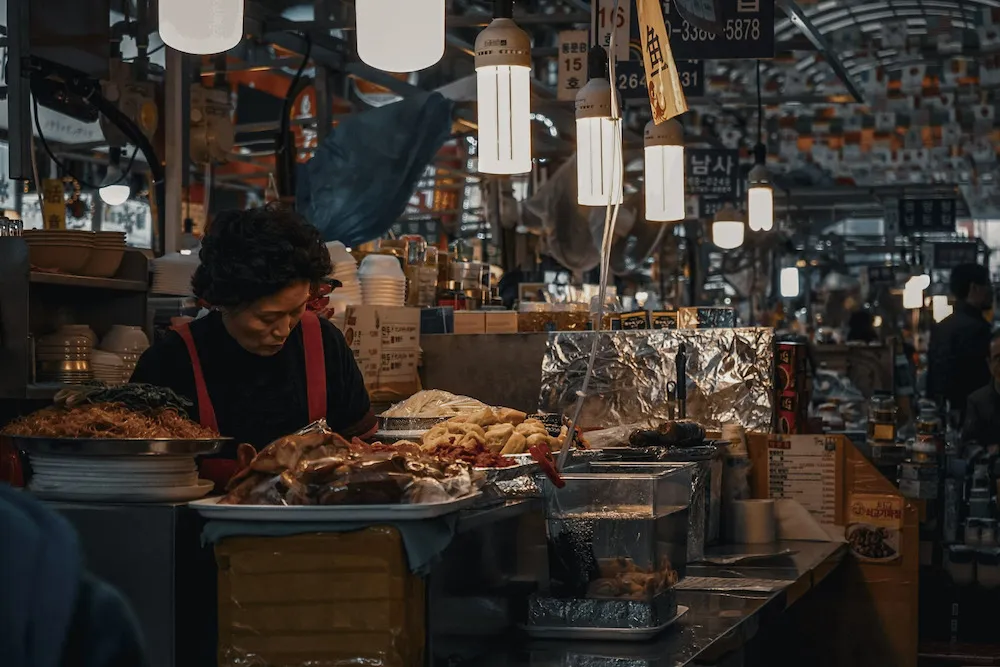
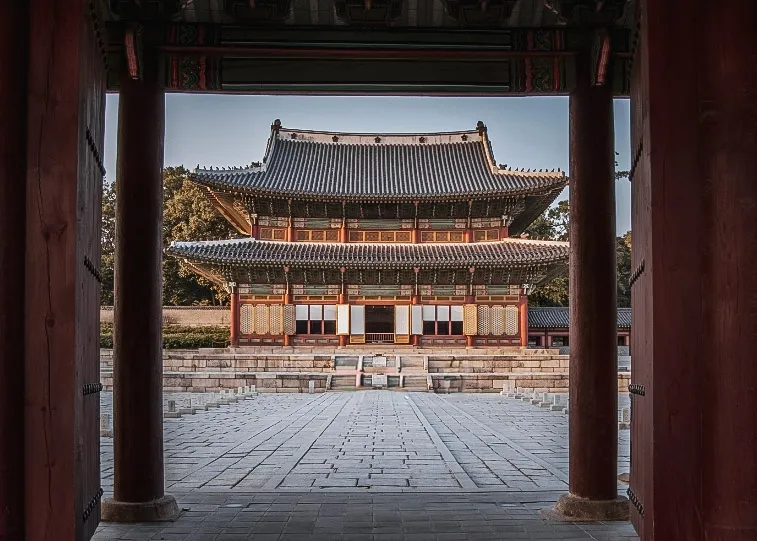
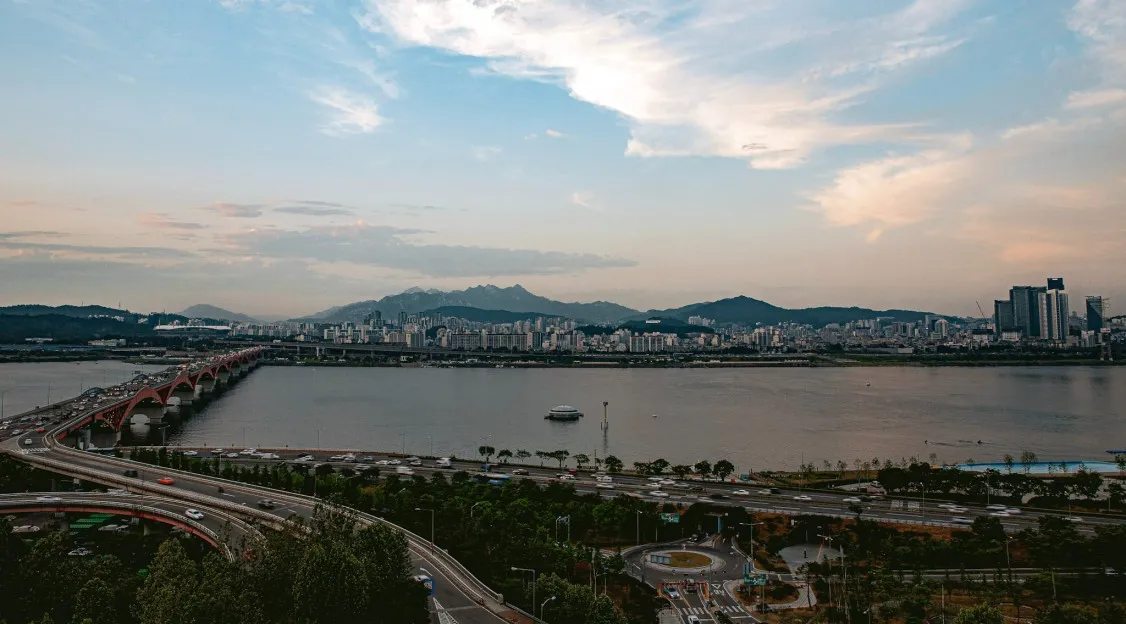
For more things to do in Seoul check out my 26 best things to do in Seoul guide and my 10 day Seoul itinerary.