I T A L Y
travel guide
Italy is rigged. The ingredients are better, the bread is better, the coffee is better, and the people in charge of feeding you actually care whether you enjoy it. You will have the best meal of your life there. Then you’ll have a better one the next day, possibly at an unassuming focacciaria, drinking espresso that ruins you for every cup of coffee you’ll drink afterwards. That’s the deal.
This is not a guide that will tell you to “embrace la dolce vita.” That phrase belongs in a stock photo, next to hands clinking wine glasses against a sunset. Real Italy is messier and louder and frequently involves shouting. Real Italy has waiters who will absolutely correct your order, grandmothers who run kitchens with iron-fisted competence, train conductors who have strong opinions about your validation stamp, and Vespa drivers who treat every red light as a polite suggestion. It is, all of it, the best country in Europe. Possibly the world. I’m not here to argue about it.
Here’s what this guide actually is. The practical bits I wish someone had told me before my first trip, and the second, and the third. Where to actually stay, not where Tripadvisor says. What to actually eat, not what’s on the laminated tourist menu. When to come (not August, please god, not August). How to move around the country without losing entire mornings to platform confusion. Which of the affiliate links scattered across the internet are worth a damn, and which aren’t.
Because Italy is not really one country. It’s twenty stubborn republics that share a flag, a single trip will not cover them. Don’t try. Pick a region. Stay longer than you think you need to. Eat too much. Drink the house wine. Order what’s local even if it sounds weird. Walk slower than feels natural. Get lost on purpose.
Andiamo.
Travel Insurance
The boring bit that matters.
Pick your policy by passport, not by destination.
Nobody buys travel insurance with any enthusiasm, and almost everyone wishes they had at some point, usually around the moment a Vespa scrape becomes a hospital visit, or a delayed flight wipes out a non-refundable hotel. Two providers cover almost everyone reading this:
True Traveller
If you hold an EU passport, True Traveller is the most sensibly priced option I’ve found, and although it’s an EU-citizen-only product, it covers you anywhere in the world. They also let you buy cover after you’ve already left home, which most insurers refuse to do.
Get a quote →World Nomads
For travellers from outside the EU, and for anyone planning a longer trip with the usual mix of hiking, scooters, and ill-advised cliff-jumping, World Nomads remains the standard. They cover adventure activities most insurers won’t touch, and you can extend from the road.
Get a quote →How To Get Around Italy
Italy is one of the easiest countries in Europe to move around in, and one of the few where you don’t need to fly internally. The trains are fast, the network is dense and the alternatives buses, ferries, the occasional rental car, fill in everywhere the trains don’t reach. A bit of planning saves you a meaningful amount of money.
Train
Italian trains come in four broad tiers and the difference between them matters more than the marketing suggests.
- Frecciarossa, Frecciargento, Frecciabianca: Trenitalia’s high-speed family. The Frecciarossa is the flagship: Rome to Milan in under three hours, Rome to Florence in ninety minutes, Milan to Venice in two and a half. Comfortable, fast, almost always on time. This is what you want for the long hops between major cities.
- Italo: the privately-run high-speed competitor. Same routes as the Frecciarossa, often slightly cheaper if you book early, sometimes nicer carriages. There is no reason to be loyal to one or the other; just take whichever is cheaper on the day you’re travelling.
- Intercity: the middle tier. Slower, older, less glamorous, but cheaper than high-speed trains and perfectly fine for medium distances. Useful for places the Frecce don’t go, like much of the south.
- Regionale: the local trains. Cheap, slow, often crowded in peak seasons, no seat reservations. You’ll use these constantly for short hops, Florence to Pisa, Naples to Pompeii, Salerno to the Amalfi towns. Regional tickets are not tied to a specific train, so you must validate them in the little green or yellow machines on the platform before boarding. Skip this and you’ll be fined, no exceptions.
There are three ways to book Italian trains: directly through Trenitalia or Italo‘s websites, in person at the station or through a third-party app like Omio.
One app, every platform.
Omio — the easiest way to book buses and trains across Europe.
I use Omio for one reason: it’s the easiest place to compare trains, buses, and the occasional ferry across Europe in a single screen. You search a route, see Trenitalia and Italo (and any relevant bus options) side by side, book in two taps, and the ticket lives in the app on your phone.
The real value: every ticket lives on your phone. No printing, no fishing through inboxes on a platform when the conductor walks past.
The booking process takes about thirty seconds. The ticket arrives instantly. On the day of travel, you open the app, show the QR code or the seat number to the conductor, and that’s it.
Book on Omio →Bus
If you’re not in a rush or your destination does not have train access, then the next best thing is a bus. Most travellers will only need to use regional buses to connect smaller towns such as along the Amalfi Coast, around Sicily, into the Tuscan hill villages), and long-distance intercity coaches.
FlixBus runs the budget intercity network, Rome to Naples for €10, Milan to Florence for €15, that kind of thing. Slower than the train and less comfortable, but a fraction of the price if you’re on a tight budget or booking last-minute. Other reliable companies are itabus and Marino Bus.
Local buses are usually run by the regional transport authority and the booking systems vary wildly. In most cases you just buy the ticket at a tabaccheria (the corner shop with the big T sign) or the bus station before boarding. Tickets bought on the bus itself, where it’s even allowed, cost more. Alternatively, you can buy your ticket on MooneyGo app, most bus companies are on there.
Driving
Italians drive the way Italians do everything else: with confidence, opinion, and very little respect for the dotted lines. This is not a country where you want your first European driving experience.
A few things to know before you pick up keys:
You don’t need a car in any major Italian city. Rome, Florence, Naples, Bologna, Milan, Venice – none of them require it. Most have ZTL zones (zone a traffico limitato, restricted traffic zones) in their historic centres and you will be ticketed automatically by camera if you drive into one without authorisation. The fines arrive at your home address, in your home country, six months later and they are enforced. Don’t try it.
Where a car is actually needed are places like the Tuscan back roads, the Itria Valley in Puglia, the inland mountain villages of Sicily, anywhere the trains don’t go. The driving in the countryside is lovely.The driving in cities is not.
Roman drivers treat lane markings as suggestions. Neapolitan drivers treat red lights as suggestions. Scooters will appear from your blind spot. Pedestrians cross without looking. In the south especially, accept that the rules of the road as you know them are operating at maybe sixty percent strength and the missing forty percent is improvisation.
The good news: most Italian drivers are highly skilled, and the chaos is more orderly than it looks. The bad news: you have to be paying attention every second, and a defensive, slightly-paranoid driving style is the only one that works.
A few practical points:
- Roads with a green sign are autostrade (toll motorways). Take a ticket on entry, pay on exit; have a credit card ready.
- Roads with a blue sign are toll-free state roads. Often slower but more scenic.
- Speed limits are aggressively enforced by camera, and the tickets follow you home. Stick to the posted limit.
- Park only in white-lined spaces (free) or blue-lined spaces (paid). Yellow lines are residents only; you will be towed.
- If you’re renting, get an automatic if you don’t drive manual at home, narrow Italian roads with a stick shift you’ve never used is a bad combination.
For everywhere a train won’t reach.
DiscoverCars for the best prices, every time.
If a car is non-negotiable for the trip you’re planning, DiscoverCars consistently finds the best price by comparing every rental company at the airport in a single screen. Pick up at the airport, drop off at the airport, and let the cities have their pedestrian peace.
Compare prices →How Expensive is Italy?
Italy is genuinely two economies. The north (Milan, Venice, the Lakes) is on a par with Paris. The south (Naples, Puglia, Sicily) is one of the cheapest corners of Western Europe. Rome and Florence sit in the middle, leaning expensive in tourist season.
A few prices to anchor you:
Save on coffee, lunch (a deli panino is €5 and incredible) and on staying in cities with too many hotel. Choose Bologna instead of Florence, Lecce or Bari instead of the Amalfi Coast, Naples instead of Capri.
Splurge on the slow dinner with wine you can’t pronounce, the cooking class in Bologna, the boat day on the Amalfi Coast even though it’s ridiculous.
Hostels, street food, mostly walking. Doable in Naples, Bologna, Palermo. Hard in Venice or the Amalfi Coast.
A nice B&B, one proper meal out, a couple of museums. This is what most people actually spend, and it gets you a great trip.
Boutique hotels, long dinners, you stop checking prices. Italy rewards this bracket more than most countries, you start eating very, very well.
The point of Italy is the meals, the views, and the slowness. Cutting corners on those is cutting corners on the entire trip.
Best Time To Visit Italy?
When Italy peaks. Cinematic light, weather you can eat outside in, wisteria across Rome in late April. The week after Easter is ideal, mid-May to early June is the best moment of the entire year.
Brutal in the cities. Rome hits 38°C, Florence is worse, Venice becomes a queue. Italians sensibly leave town in August, and so should you. Head south, to the coast, the Dolomites, or the lakes. Don’t do a city-hopping itinerary unless suffering is part of the holiday.
Runs spring desperately close. September feels like extended summer with the crowds gone, sea still warm, prices dropped, light gold. October brings the grape harvest and truffle season. Late September in Venice is the reason photographers exist.
Quietly underrated. Rome in January is luminous and almost empty, museums are properly inhabitable, hotel prices halve. Carnival in Venice, skiing in the Dolomites, mild lunches outside in Sicily. It rains, days are short, but you’ll have Italy slightly to yourself.
Go mid-September to mid-October. Warm enough to swim, cool enough to walk all day, quiet enough to actually enjoy the places you came to see.
The one to avoid: August — and especially the week around Ferragosto (15 August). The country shuts down, the cities are ovens, the coast fills up, and prices peak. Go literally any other time.
Italian Food: What To Eat In Italy
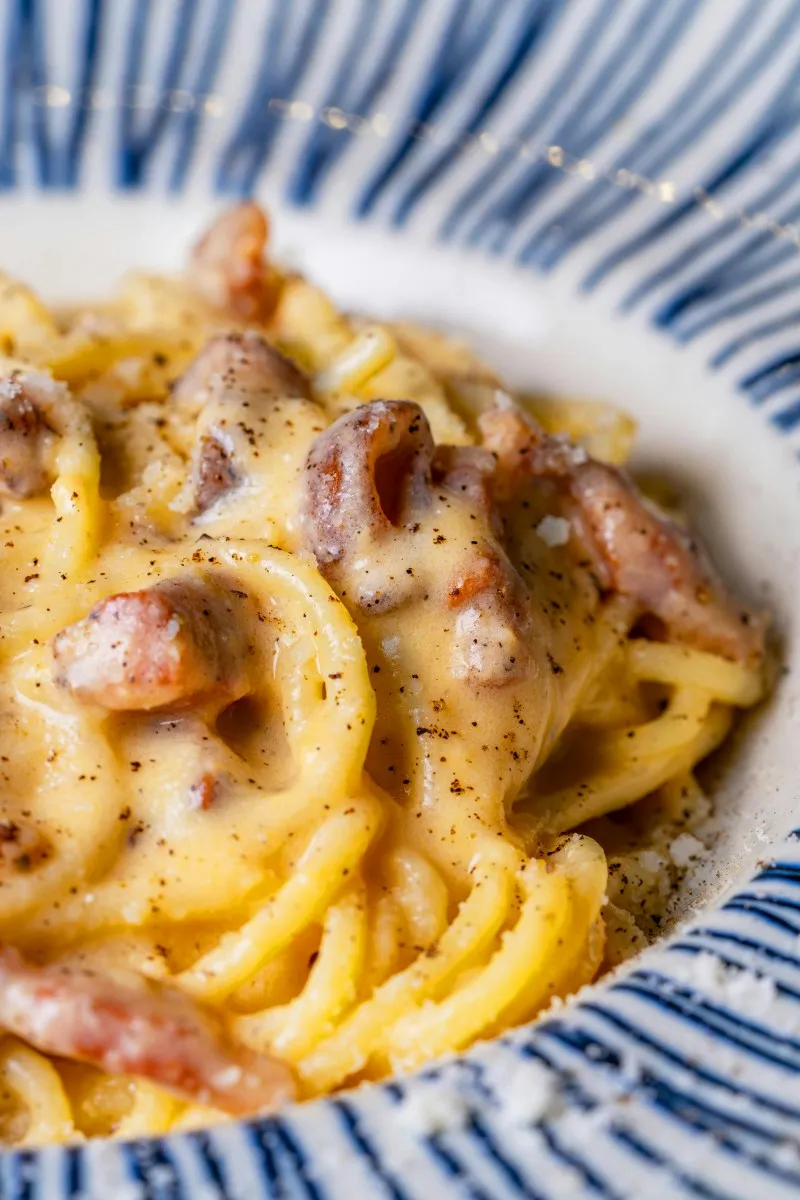
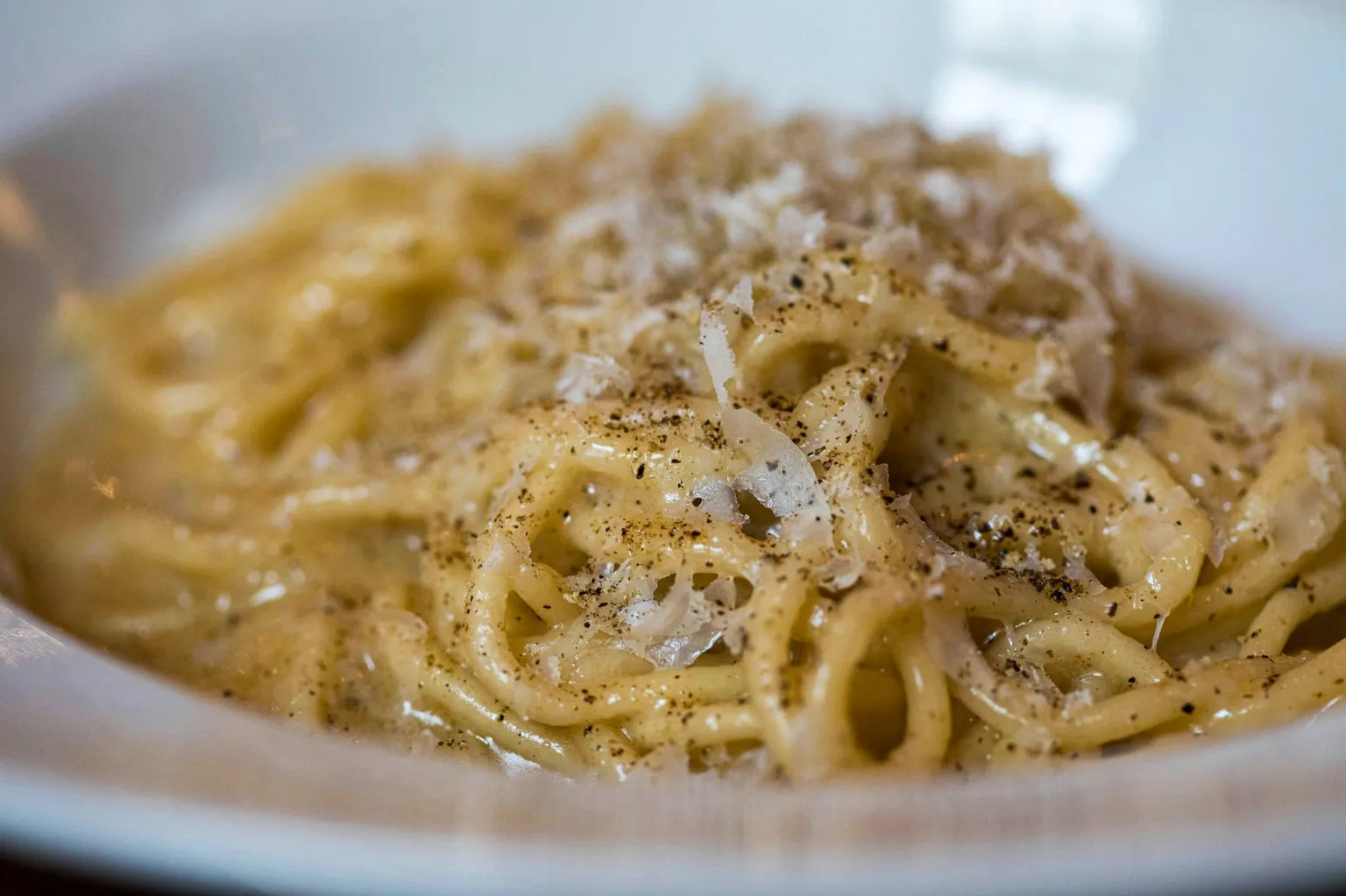
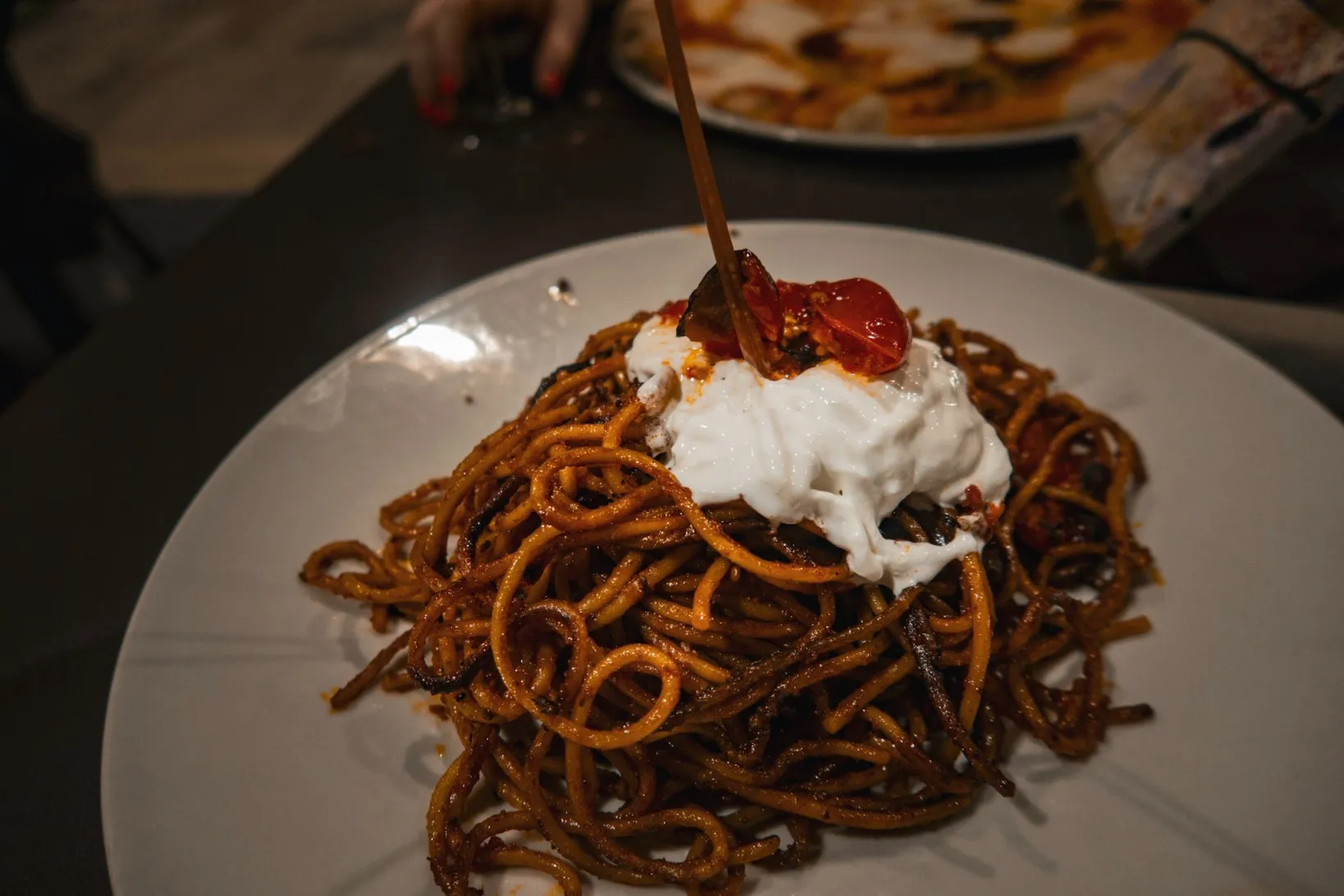
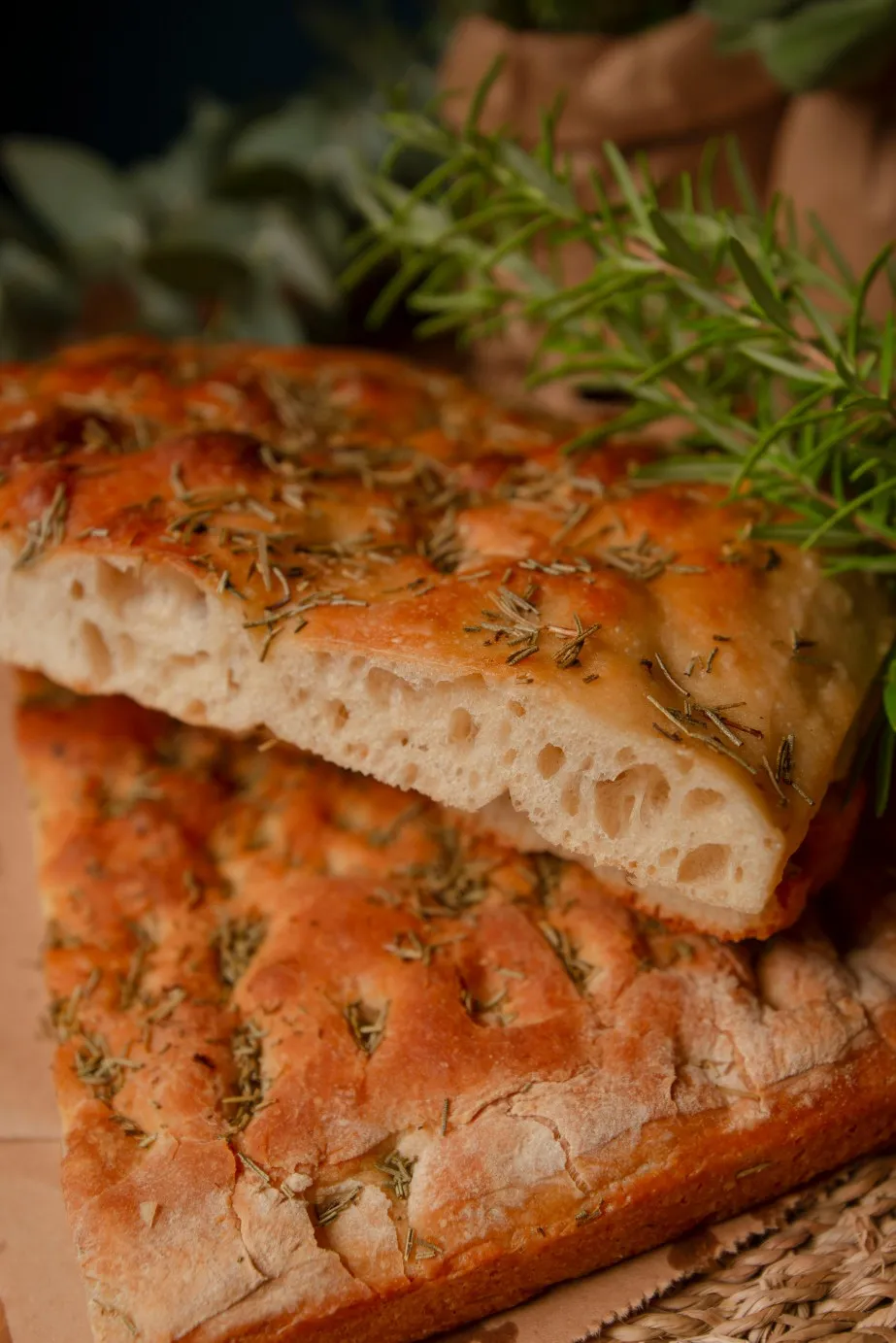
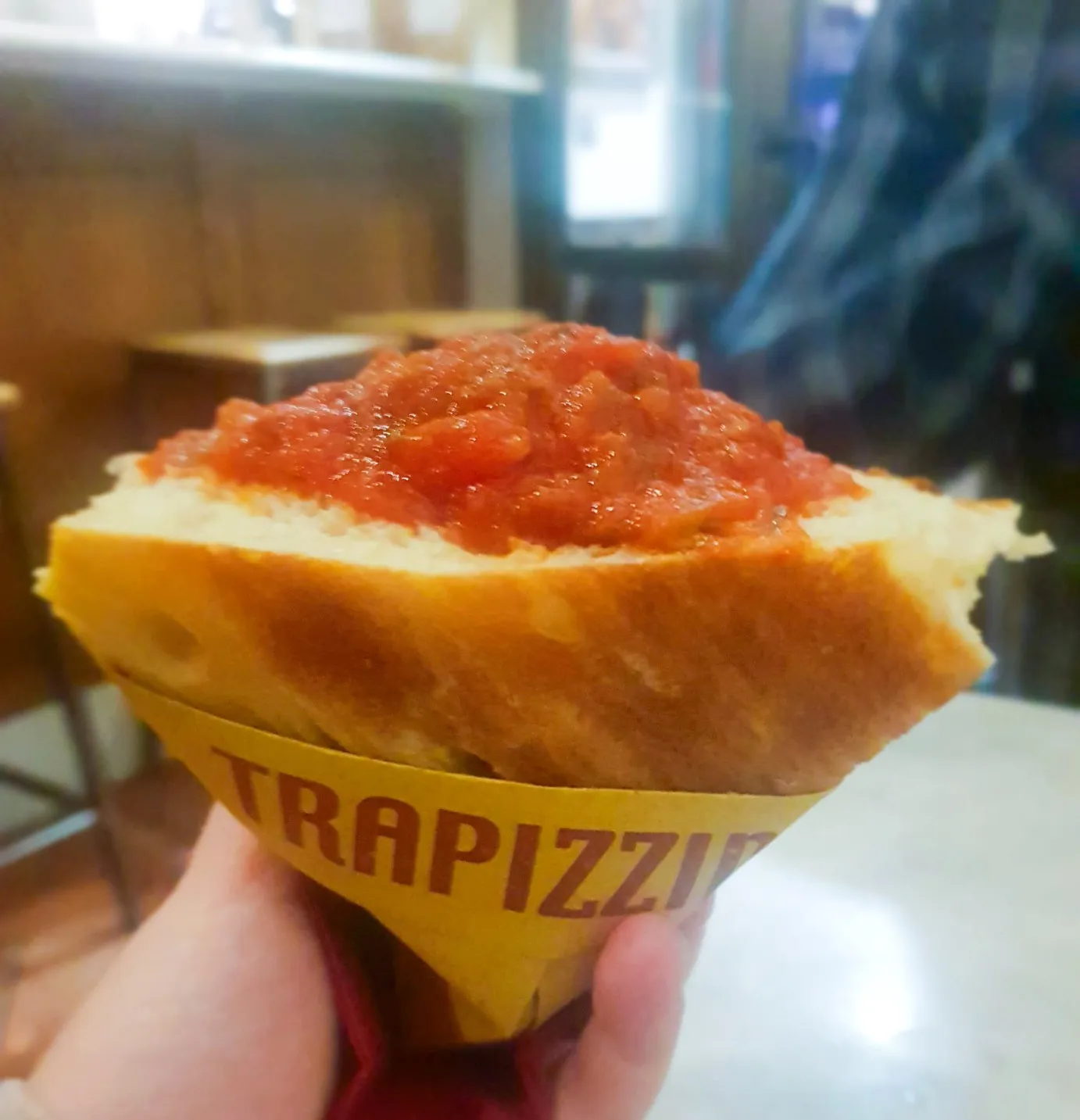
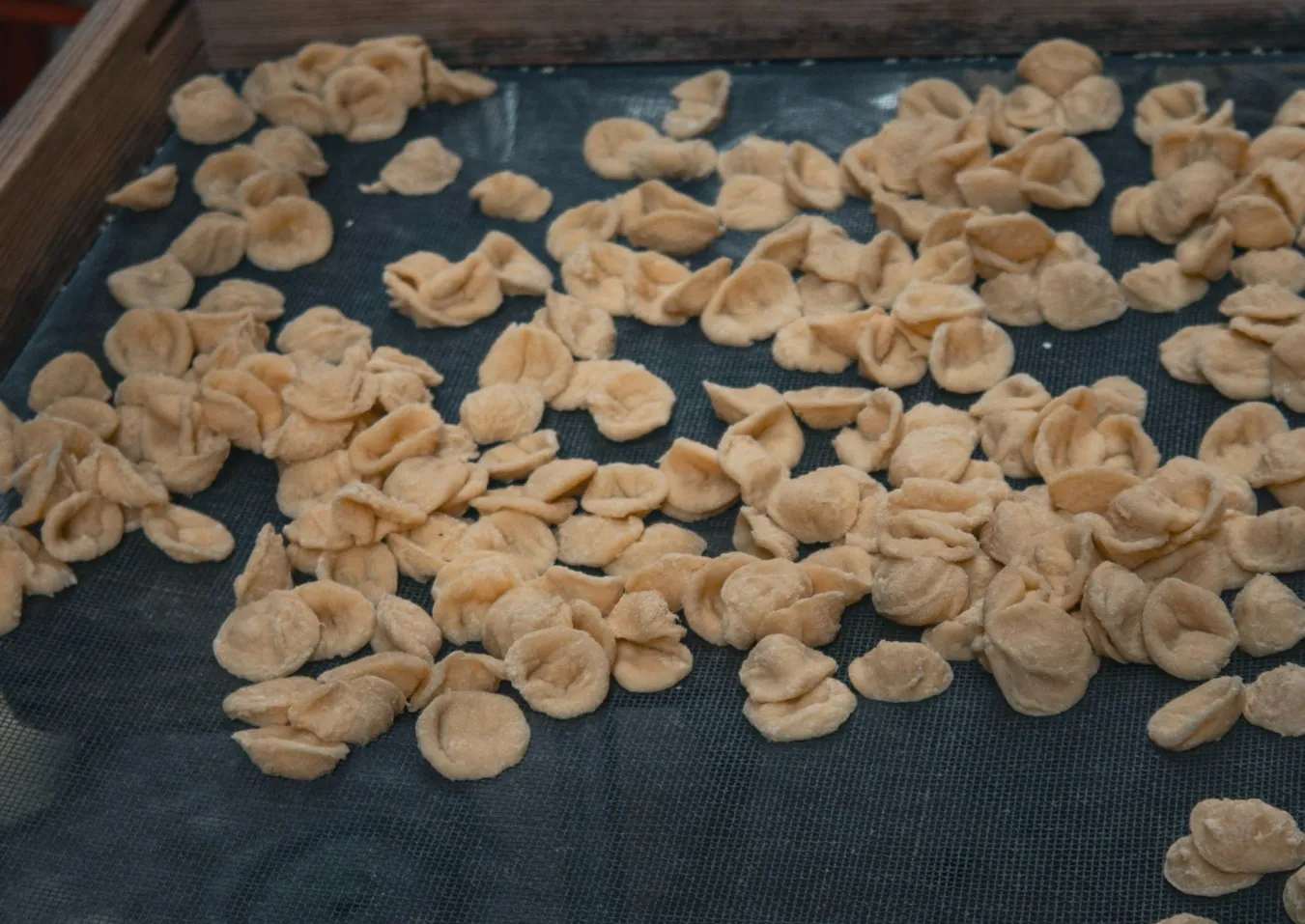
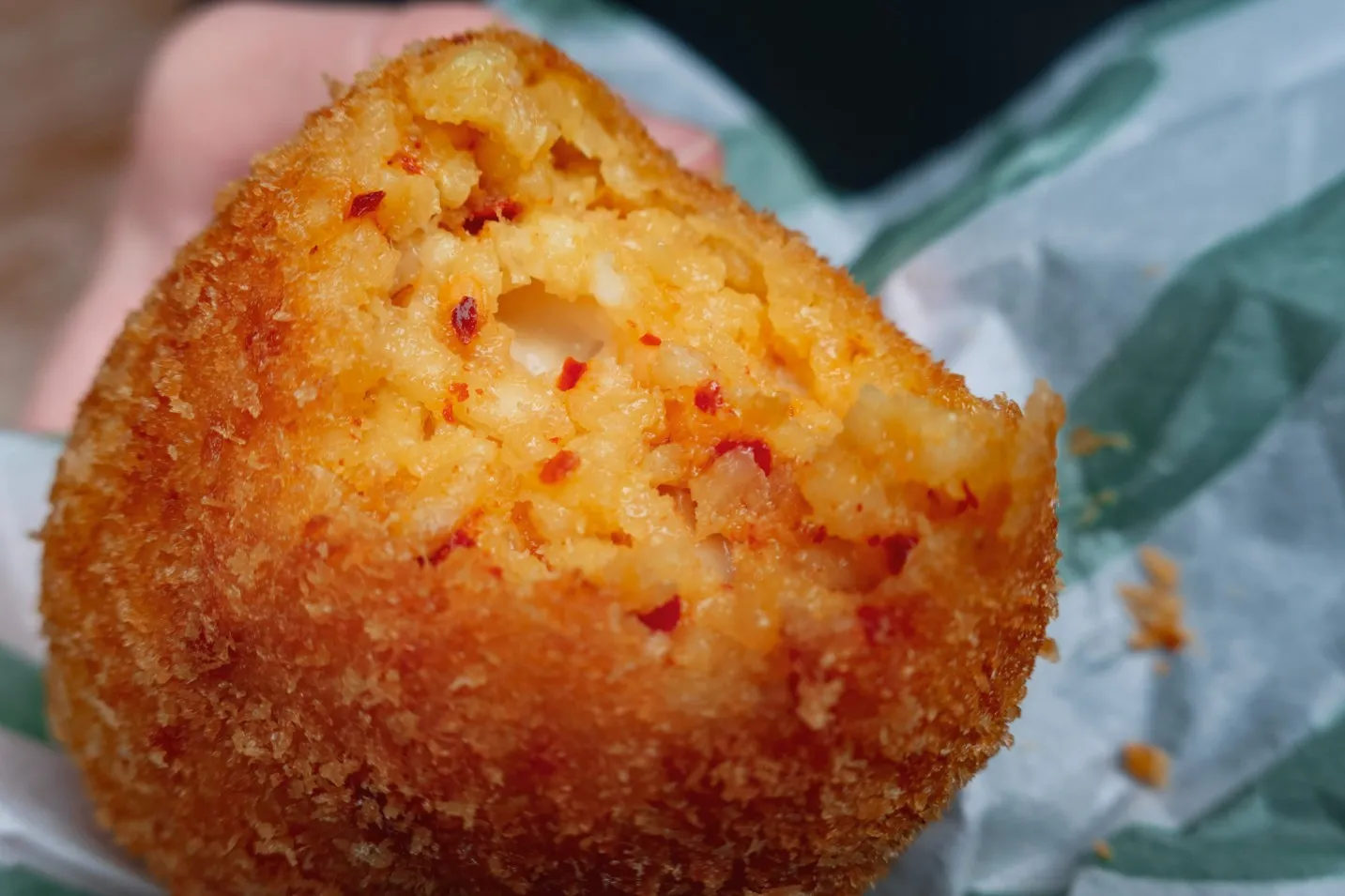
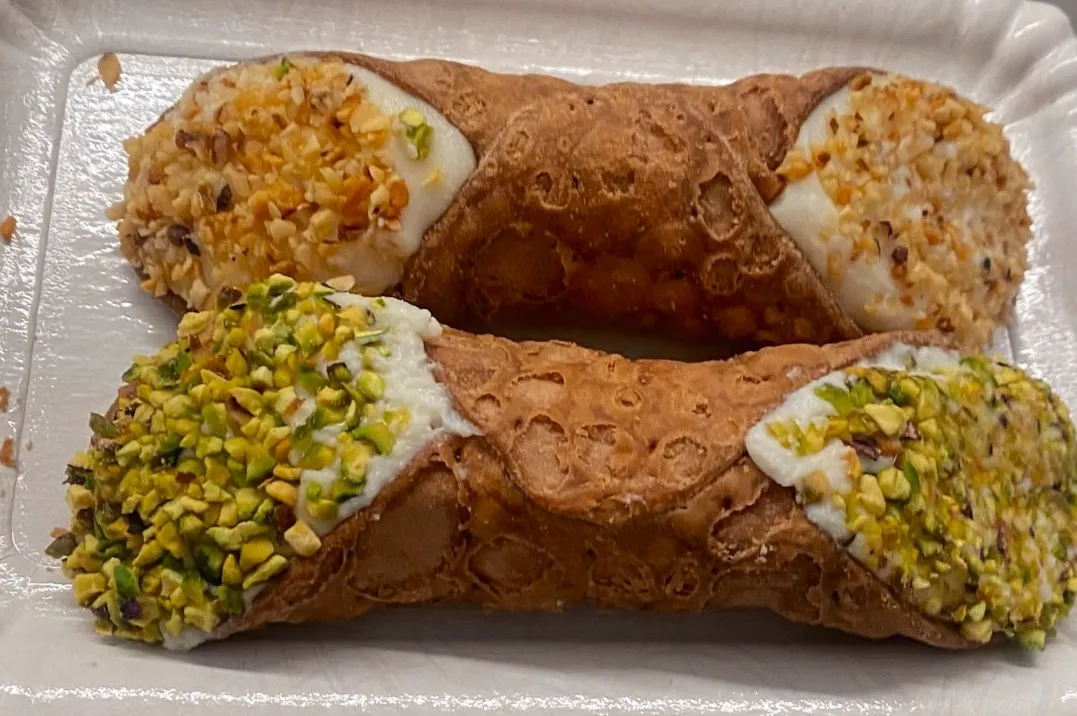
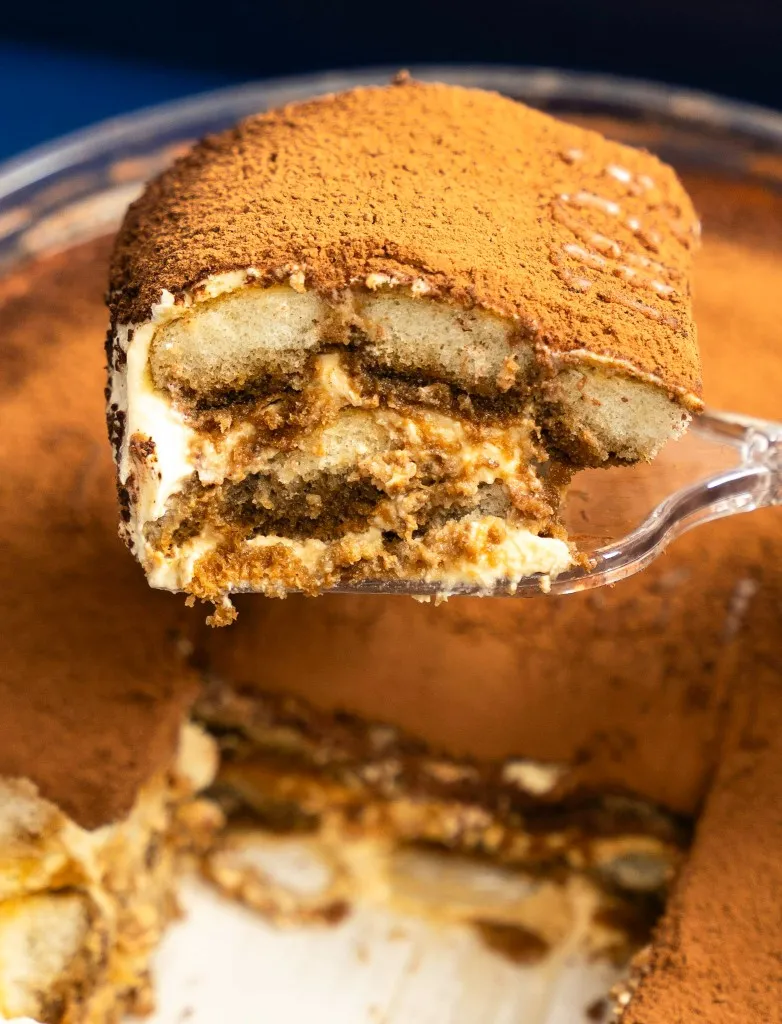
Italian food is regional to a degree non-Italians find difficult to accept ,a dish that is sacred in one city is not even considered sixty kilometres away. Here are eight worth crossing a region for.
There are no rules here, except the one most foreigners break: order what’s local, and stop asking for things off-menu. The waiter in Naples will not put cream in your carbonara. The waiter in Rome will not bring you parmesan with the seafood pasta. They are not being difficult. They are being correct, and you are about to eat the best meal of your trip.
`


Skip the airport SIM kiosk.
Airalo: install a plan before you land.
The airport SIM card desk is a tax on people who didn’t plan ahead. Airalo sells eSIMs you install on your phone before you leave home; you land in Rome, switch the line on, and you’re online before you’ve reached passport control. An Italy-only plan covers a one-week trip; a Europe-wide plan is the move if you’re hopping borders.
Check first that your phone supports eSIM (most phones from 2018 onwards do) and that it isn’t carrier-locked.
Browse plans →Where To Go In Italy
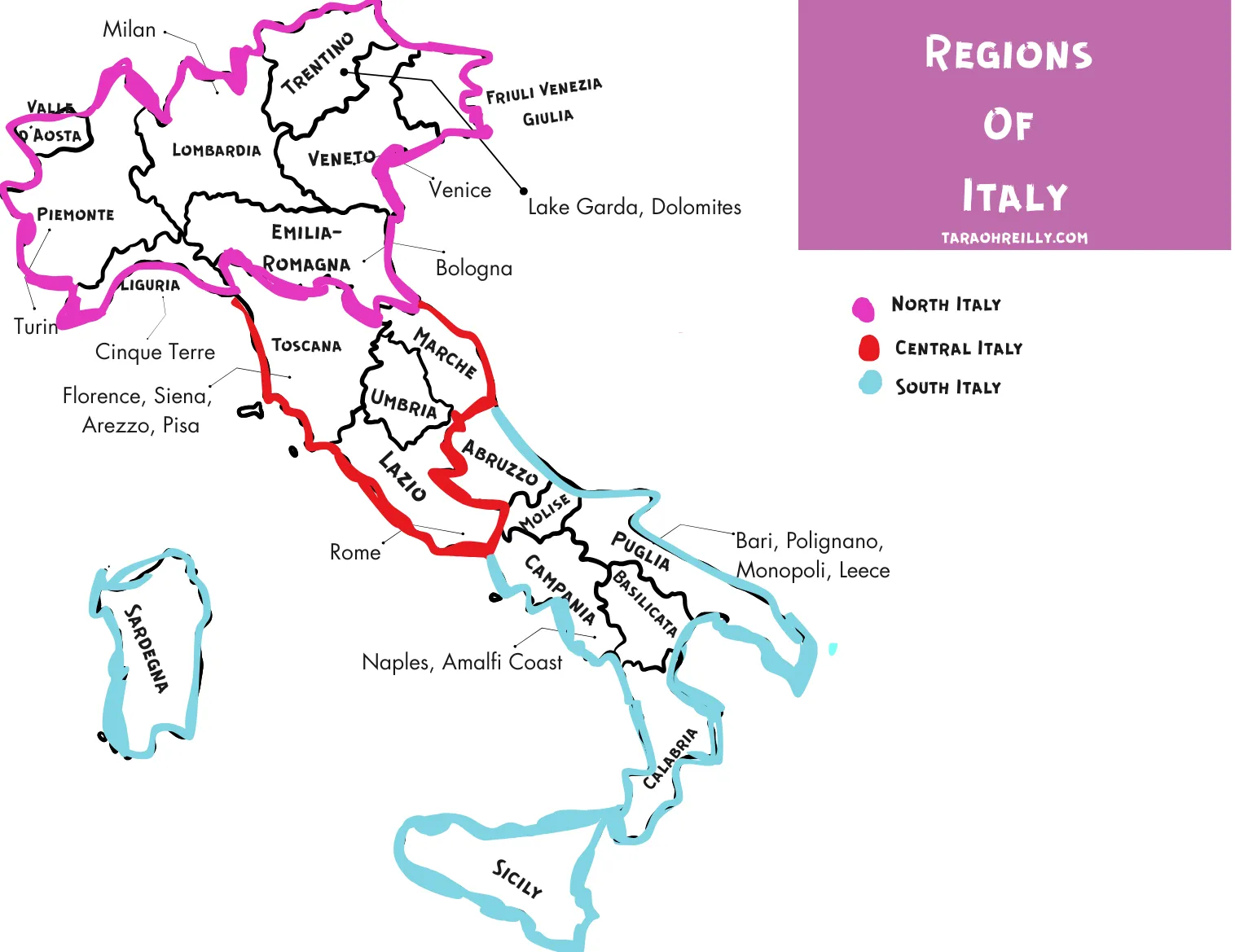
Italy is roughly three countries stacked on top of each other. The north is industrial, alpine, slightly Austrian, and expensive. The centre is the Italy of postcards: Tuscany, Rome, Renaissance everything. The south is wilder, hotter, cheaper, and arguably the most authentic. Most first-time travellers stay above Rome and miss the best of the country. Here’s how the three actually break down, and what each one is really for.
North Italy
Northern Italy is the country’s economic engine, and it shows. Cities are wealthier, infrastructure is sharper, restaurants are more polished, and prices are higher. The food shifts away from olive oil and tomatoes towards butter, rice, polenta and slow-cooked meat. German and French start creeping into menus near the borders. It’s a different mood from the rest of the country, and worth at least a week of any first trip.
Milan Milano
Italy’s design and fashion capital, much-maligned by travellers who give it a day and decide it’s “not Italian enough.” Stay longer. The aperitivo culture is the country’s best, the contemporary art scene is genuinely world-class, and the duomo at sunset still does the thing duomos are supposed to do.
Venice Venezia
Two nights minimum, because day-trippers miss the entire point. Stay in Cannaregio for sleep, eat cicchetti standing at bars in Castello, and get up at six to walk an empty San Marco. The day-trip version is misery. The overnight version is one of the best experiences in Europe.
The Lakes Como, Garda, Maggiore
George Clooney’s holiday home isn’t lying. Lake Como is genuinely as beautiful as the photos, and Bellagio in late September with the crowds gone is one of the great Italian moments. Garda is bigger, busier, and family-friendly. Maggiore is the quietest of the three.
The Dolomites Dolomiti
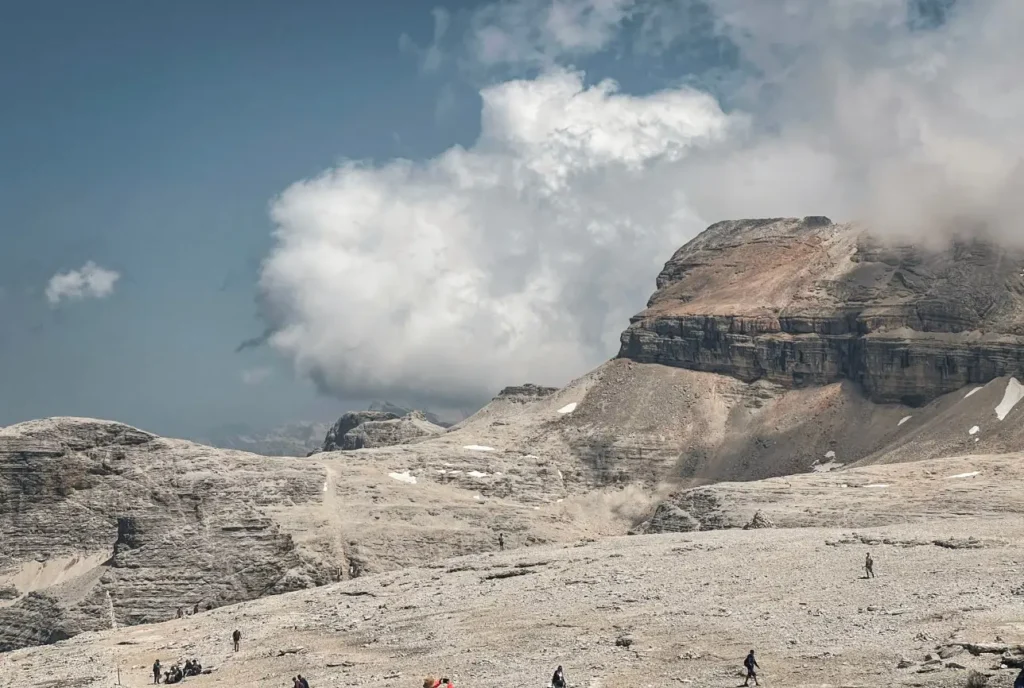
Italy’s alpine north. Hiking heaven in summer and ski paradise in winter. Cortina d’Ampezzo is glamorous, Bolzano is the gateway, and the Alta Via 1 is one of Europe’s great hut-to-hut treks. It feels more Austrian than Italian, because historically it was.
Piemonte Piedmont
Wine country (Barolo, Barbaresco), truffle country (Alba in October), and chocolate country (Turin). Slower than Tuscany and considerably less touristy. Best in autumn, when the harvest is on and the fog rolls in over the vineyards.
Cinque Terre five lands
Five clifftop fishing villages on the Ligurian coast, photogenic to the point of cliché. Touristed within an inch of its life in summer, so go in May or late September. Stay two nights, hike between the villages, eat trofie al pesto on a terrace.
Bologna la Grassa
A city most travellers fly over and shouldn’t. Italy’s quietly-best food city, the home of tagliatelle al ragù, and a perfect base for day trips to Modena (balsamic), Parma (ham), and Ravenna (Byzantine mosaics). Beautiful, walkable, underrated.
Turin Torino
Royal palaces, arcaded boulevards, the world’s best chocolate, and the kind of café culture that’s been going since the 1800s. Quietly grand, properly elegant, and a fraction of the cost of Milan. Worth two days as part of a Piemonte trip.
Sophisticated city trips, alpine hiking and skiing, lake holidays, food tourism, design and fashion.
You want hot weather and beach culture, or you’re on a tight budget. The north is the priciest third.
Central Italy
Central Italy is what most people picture when they picture Italy. Cypress trees, sunflowers, hilltop towns, frescoed churches, Vespa scooters on cobblestones. It’s also the most touristed third of the country, which means crowds, queues, and inflated prices in the obvious places. The trick is to base yourself somewhere good and resist the urge to tick off too many cities.
Rome Roma
Three nights minimum, four ideally. Stay in Monti or Trastevere, never near the Vatican. The Colosseum and Vatican are unmissable but need booking weeks ahead. The Pantheon is best at opening, the Galleria Borghese is worth the timed ticket, and dinner happens at nine, never before.
Florence Firenze
Smaller than you expect. Two days in the centre is enough, then a third for Fiesole or a Chianti vineyard. Book the Uffizi and Accademia weeks ahead or skip them. The Oltrarno, on the south side of the river, is where Florentines actually live.
Tuscany Toscana
The countryside is the point. Hire a car, base yourself in Siena, San Gimignano, or somewhere in the Val d’Orcia, and drive the back roads. Pienza for cheese, Montalcino for Brunello, Montepulciano for Vino Nobile. Best in May and September.
Umbria Umbria
Tuscany’s quieter, cheaper, and arguably prettier sister. Perugia, Assisi, Orvieto, Spoleto. Fewer tour buses, lower prices, the same hilltop drama. The food is more rustic too: black truffles, roast pork, dense farmhouse bread.
Le Marche the Marches
The Italy nobody outside Italy seems to know about. Beach towns, medieval villages, almost no foreign tourists, and prices half what Tuscany charges. Worth a few days if you’ve already done the obvious bit and want a quieter version of the same beauty.
First-time visitors, art and history obsessives, road trips through wine country, anyone who came for the postcard version.
You hate crowds in summer. The big sights are heaving from June to August. Come in May, late September, or January.
South Italy
Southern Italy moves to a different rhythm. Cities are louder, the heat is real, prices drop noticeably, and the food gets simpler and better. This is the Italy of olive groves, lemon orchards, white-washed villages and ancient Greek ruins on empty beaches. It rewards travellers who slow down, and punishes anyone trying to do five regions in a week.
Naples Napoli
The most alive city in Italy and the one most travellers skip. Stay in Chiaia, eat pizza at Da Michele or Sorbillo, take the funicular up Vomero for the view at dusk. It’s chaotic, generous, and the best food city in the country. Three nights, minimum.
Amalfi Coast Costiera Amalfitana
Yes, it’s exactly what you have seen in films. Yes, it works. Stay in Salerno or even Naples and day-trip rather than pay coast prices, or splurge once on a Positano hotel and accept the bill. Best in May, June, or September. August is brutal.
Puglia Puglia
The heel of the boot, increasingly fashionable but still affordable. Whitewashed towns (Ostuni, Locorotondo), trulli houses (Alberobello), an Adriatic that is warm and clear and largely empty. Lecce as a base, a car for the rest. Best in May, June, and September.
Sicily Sicilia
An island, a kingdom, a separate civilisation. Palermo for markets and layered empires, Catania for Etna, the southeast (Modica, Noto, Siracusa) for baroque drama. Allow a full week and rent a car. The trains exist but are not the point.
Abruzzo Abruzzo
Wild mountains, three national parks, and a coastline most travellers never reach. Bears and wolves still live in the interior, the food is hearty, the prices are gentle. The Italy of fifty years ago, more or less, with very little of the polish.
Basilicata Basilicata
Italy’s quietest region, and home to Matera, the cave city carved into the rock that was once one of the poorest places in Europe and is now a UNESCO site. Wild, dramatic, almost lunar in places. Two nights in Matera is the move.
Sardinia Sardegna
An island with the clearest water in the Mediterranean, prices that swing from rock-bottom (the interior) to eye-watering (the Costa Smeralda), and a culture that feels closer to Spain than to mainland Italy. Best as a beach trip in June or September.
Beach trips, slow food obsessives, budget travellers, repeat visitors who’ve done the obvious cities, anyone who wants Italy with fewer foreigners around.
You can’t handle real heat in summer, or you want to hop between five places by train. The south is for staying put.
Italy Travel Guides
B A R I
D O L O M I T E S
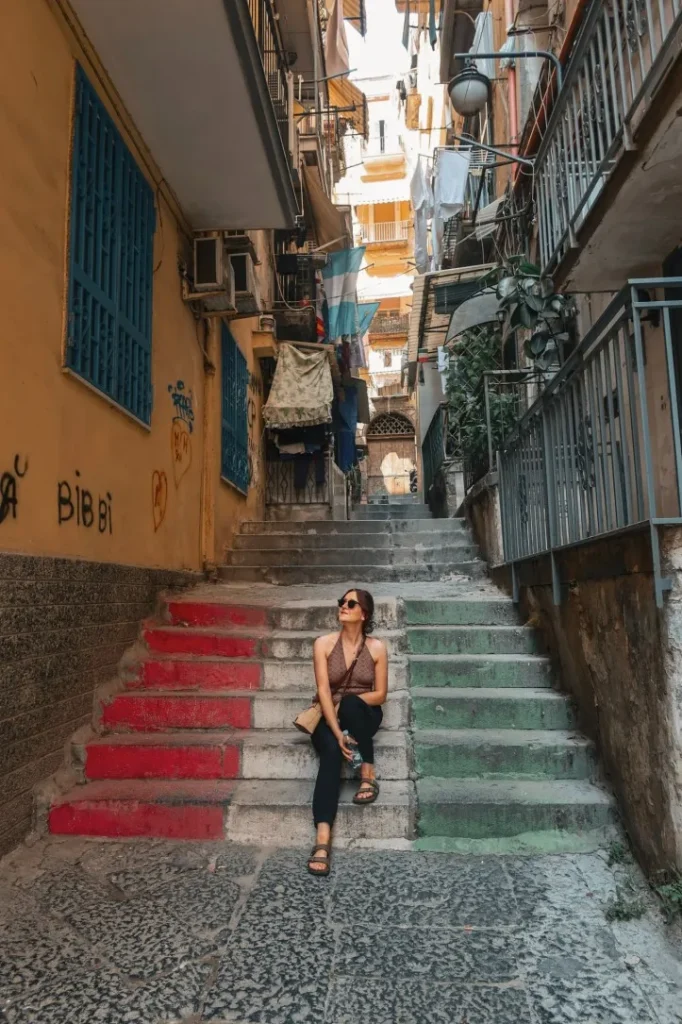
N A P L E S
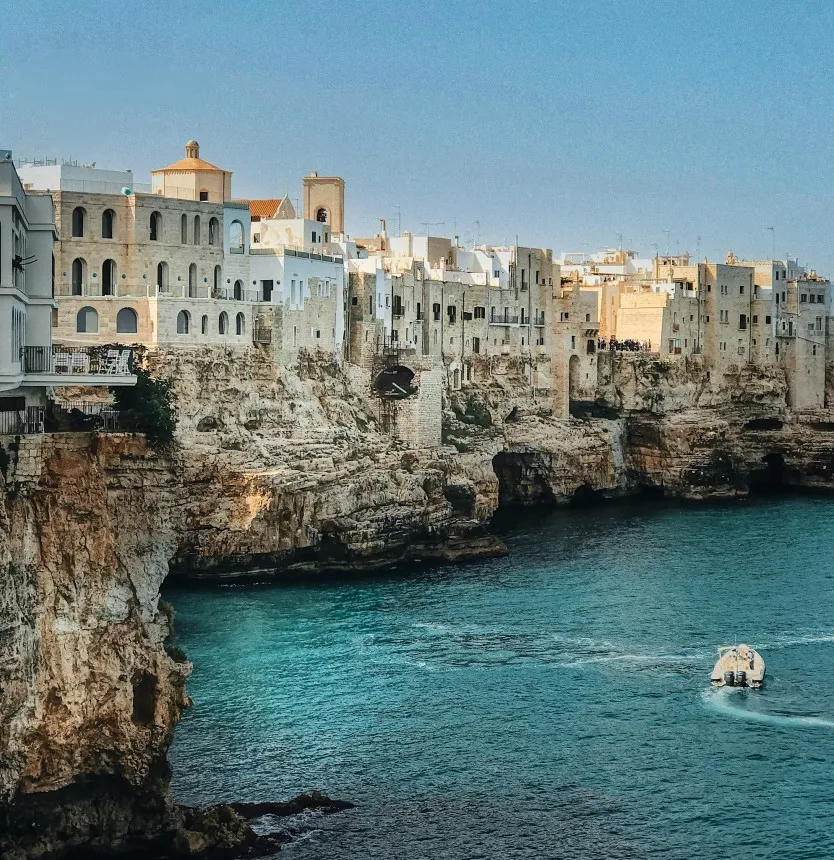
P O L I G N A N O
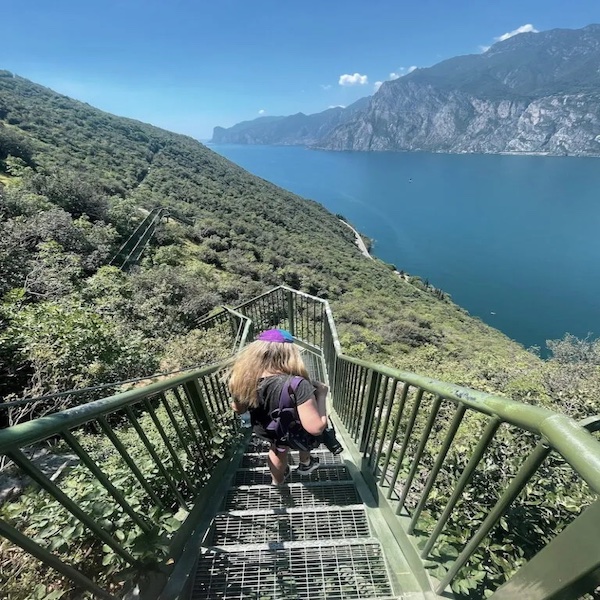
RIVA del GARDA
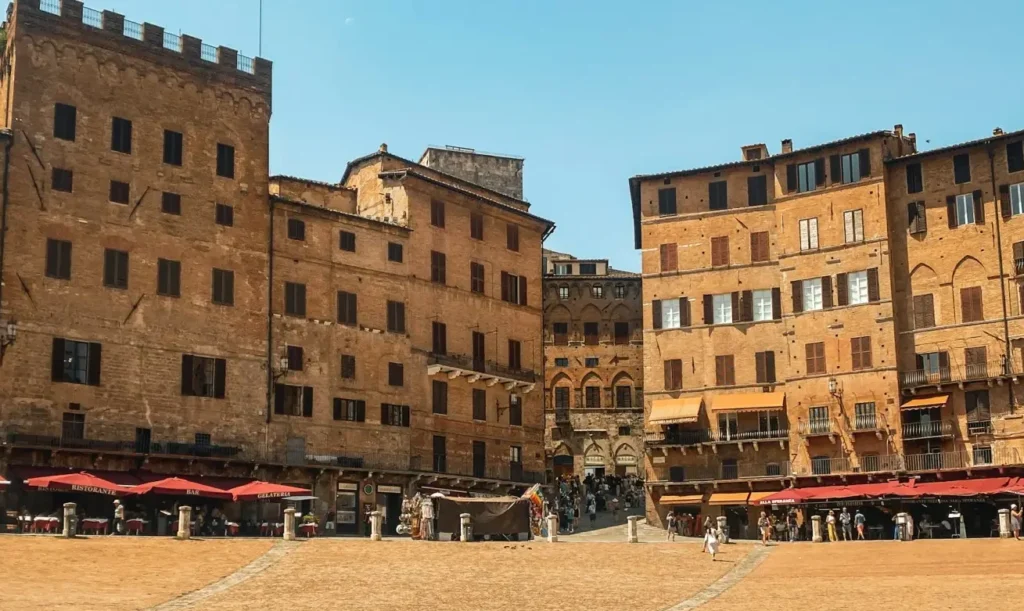
S I E N A
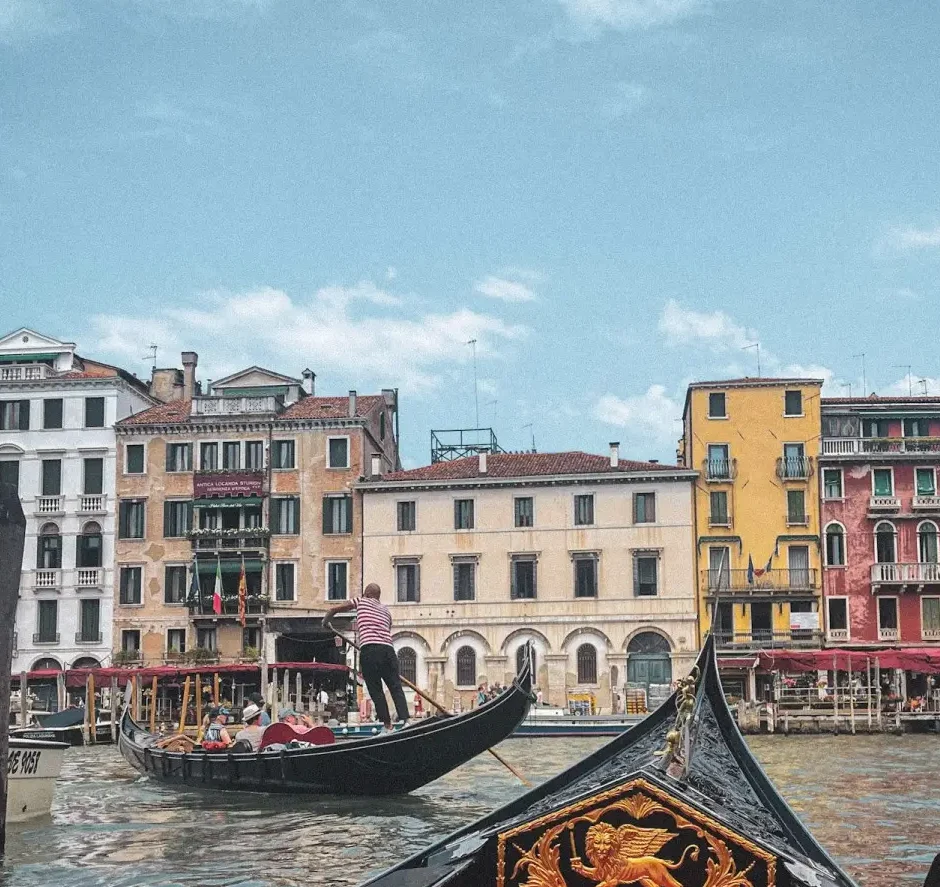
V E N I C E

Some links in this post are affiliate links, which means if you make a purchase I may earn a commission at no extra cost to you