B A N G K O K travel guide
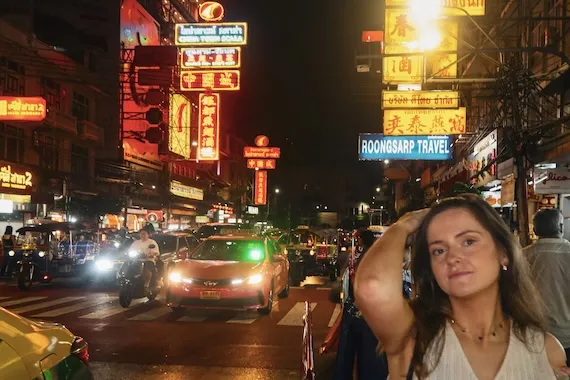
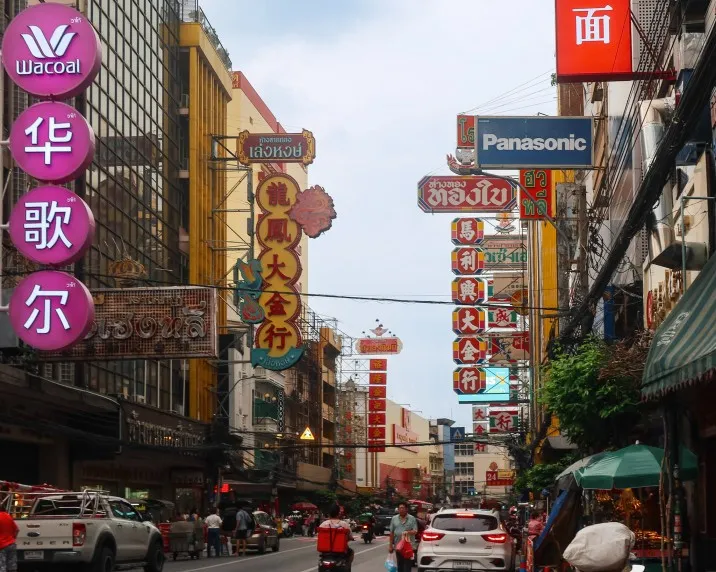
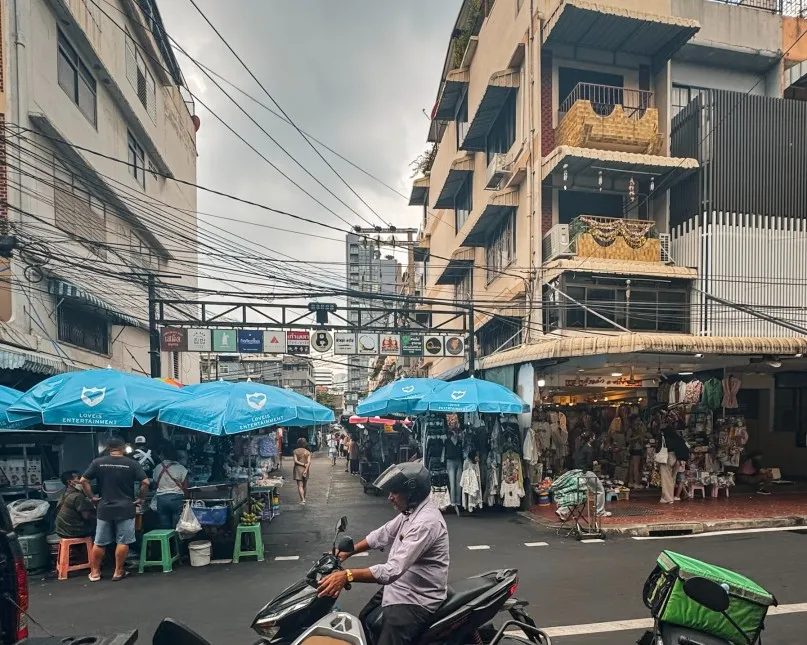
I have a confession, I hated Bangkok for my first 2 days of being there. Every road crossing felt like I was in a game of chicken with every driver just as I thought I was in the clear a motorbike would appear out of thin air. The raw chicken meat displayed so openly on the side of the street marinating in pollution and sun rays. The pollution made me aware of my respiratory system for the first time in my life. The faint smell of sewage coming from the drains almost knocked me out. But on day 3, something changed. Seated on a small plastic stool in Chinatown eating crispy pork, surrounded by neon signs, crowds of people and so much smoke. I usually hate crowds, but felt so energised and alive by this city. The lights, the noise, the crowds. Falling into its rhythm and completely under its spell.
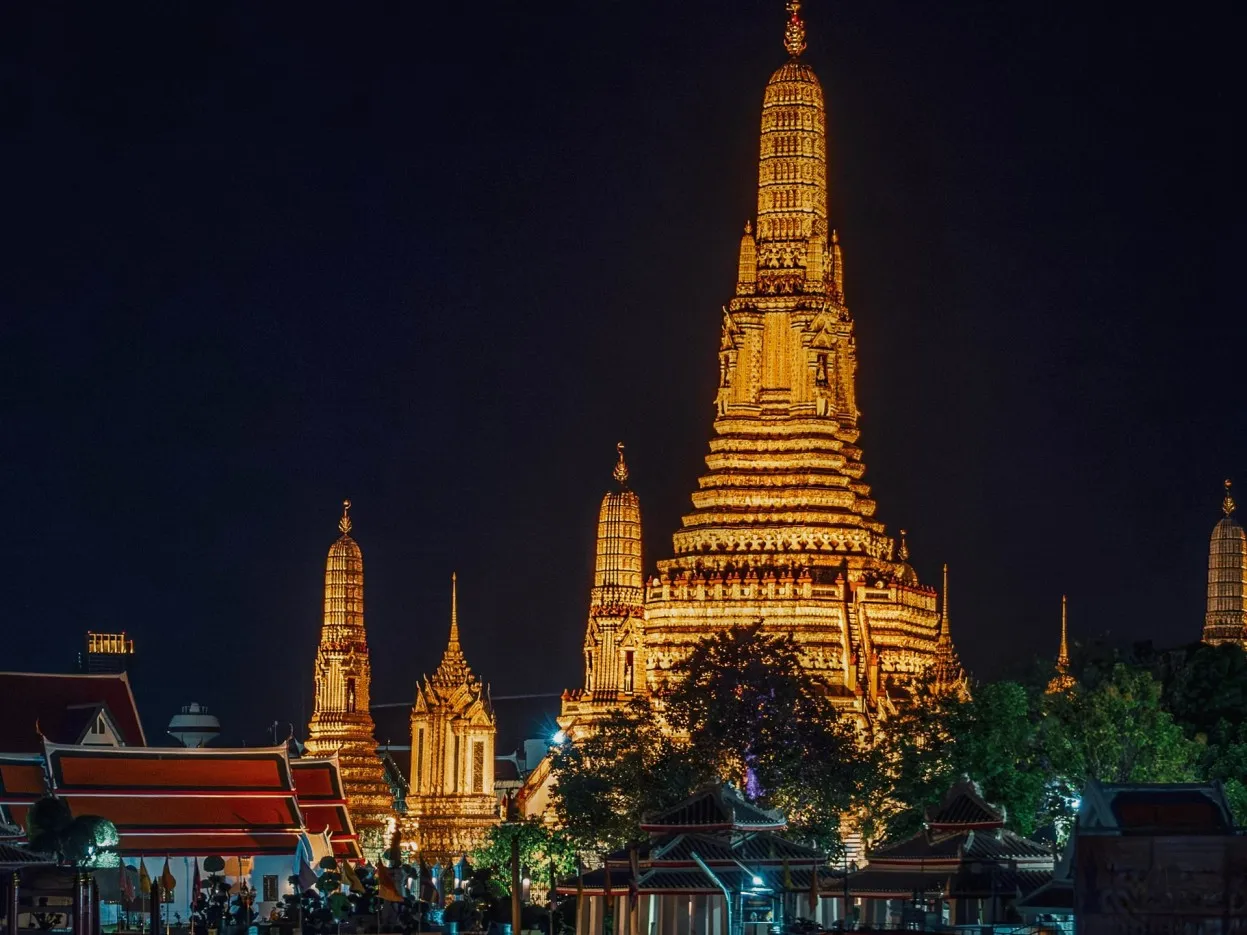
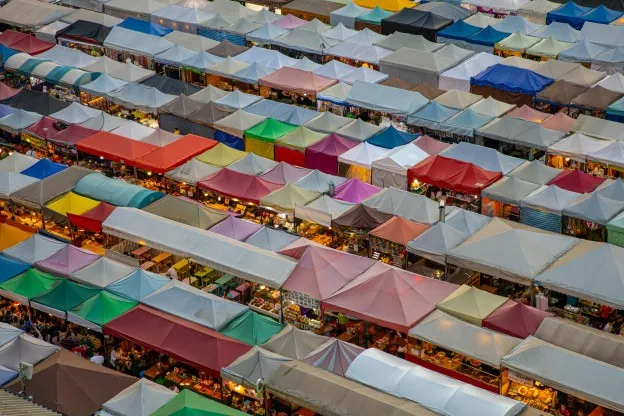
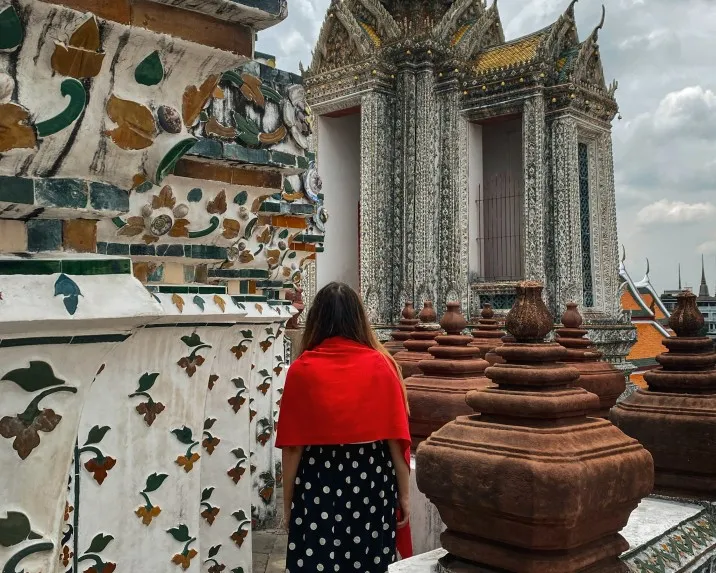
We can all agree that Bangkok has a bad reputation. Dirty. Dangerous. Smelly. Sleazy. These are real descriptions I had heard. But the longer I spent in Bangkok the more it became apparent that most people don’t stay long enough to really experience it. They come for the obligatory Khao San pub crawl, bucket of alcohol in hand, Pad Thai for breakfast, lunch and dinner, maybe one or two temple visits and then fly off to their next stop. Instagram carousel achieved, but they’ve missed out on some of the best parts of Bangkok. Like taking the Chao Phraya Express boat at sunset while the sun falls behind Wat Arun, discovering trendy speakeasies in the old streets of Chinatown, the lively coffee shops that have better atmosphere than most bars on Soi Cowboy, or the real local food markets (aka where the good stuff is).
I have spent a lot of time in Bangkok. I hated the chaos but now long for it when I’m not there. I miss walking down a huge street surrounded by skyscrapers taking one turn and finding a quiet soi with a decades-old food stall, I miss the constant buzz of motorbikes and how the drivers will always stop to let you pass. The chaos that in the beginning can feel like it is trying to kill you, ends up feeling like it’s looking out for you.
 First time to Thailand? Read my Thailand travel guide for all the essential information you need to plan your trip.
The Bangkok Essentials
March and April are manageable, but heat climbs sharply toward 40°C. Songkran (mid-April) is a joyous all-city water fight — wonderful if you want it, chaotic if you don’t.
May to October is rainy season. Downpours are usually short and dramatic rather than all-day, but humidity is oppressive and flooding can disrupt the lower city.
Where To Stay In Bangkok
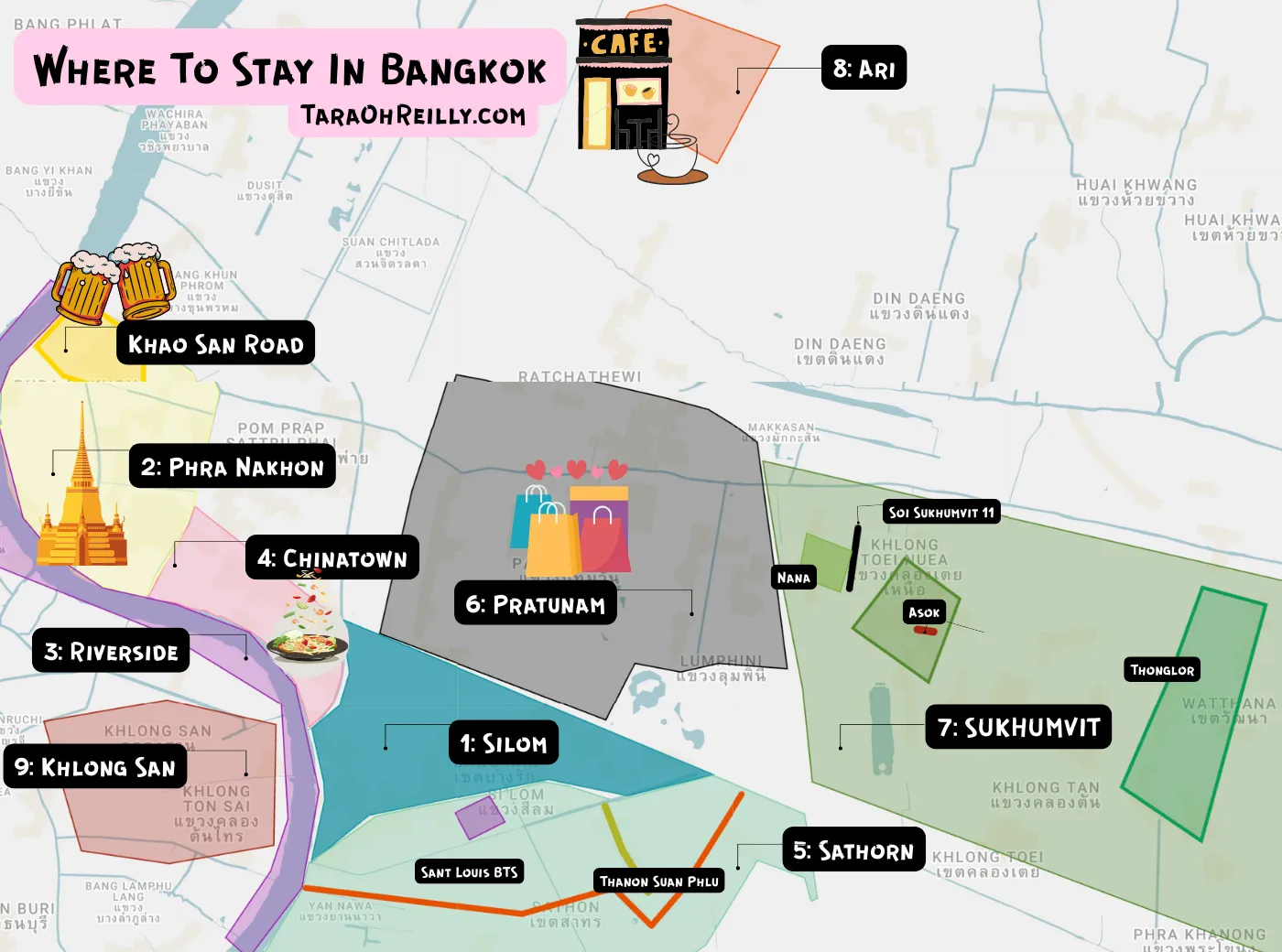
Choosing where to stay in Bangkok is a big deal, especially if it’s your first time to visit. It’s a huge city with each area giving a different vibe.
So, you need to figure out what kind of experience you want. Bangkok is a city that can offer it all.
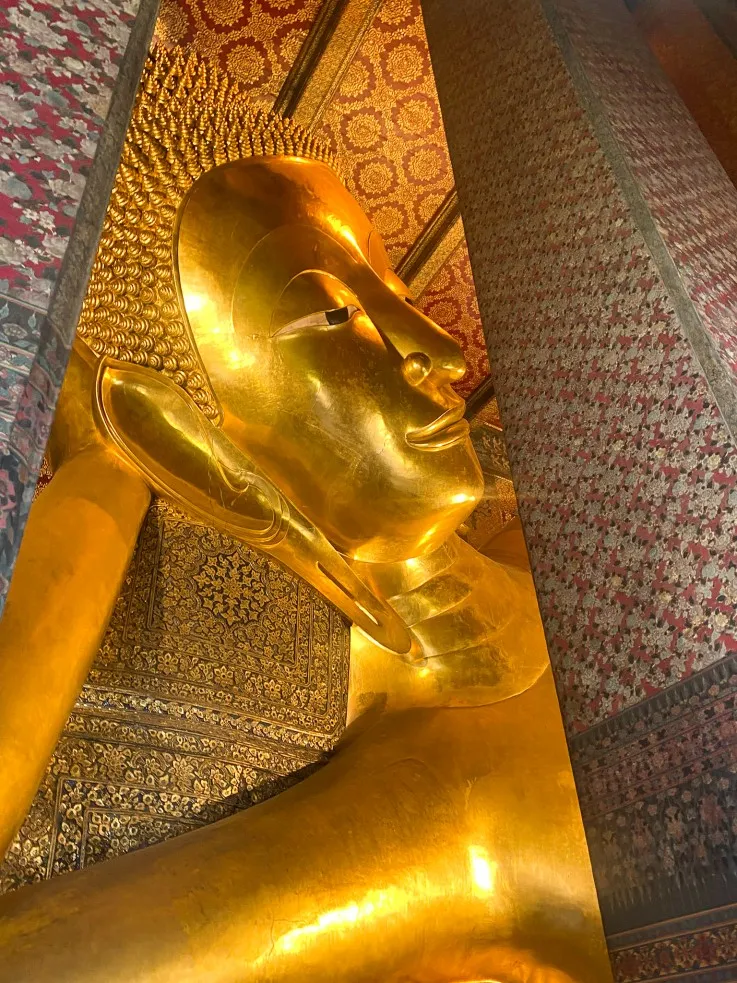
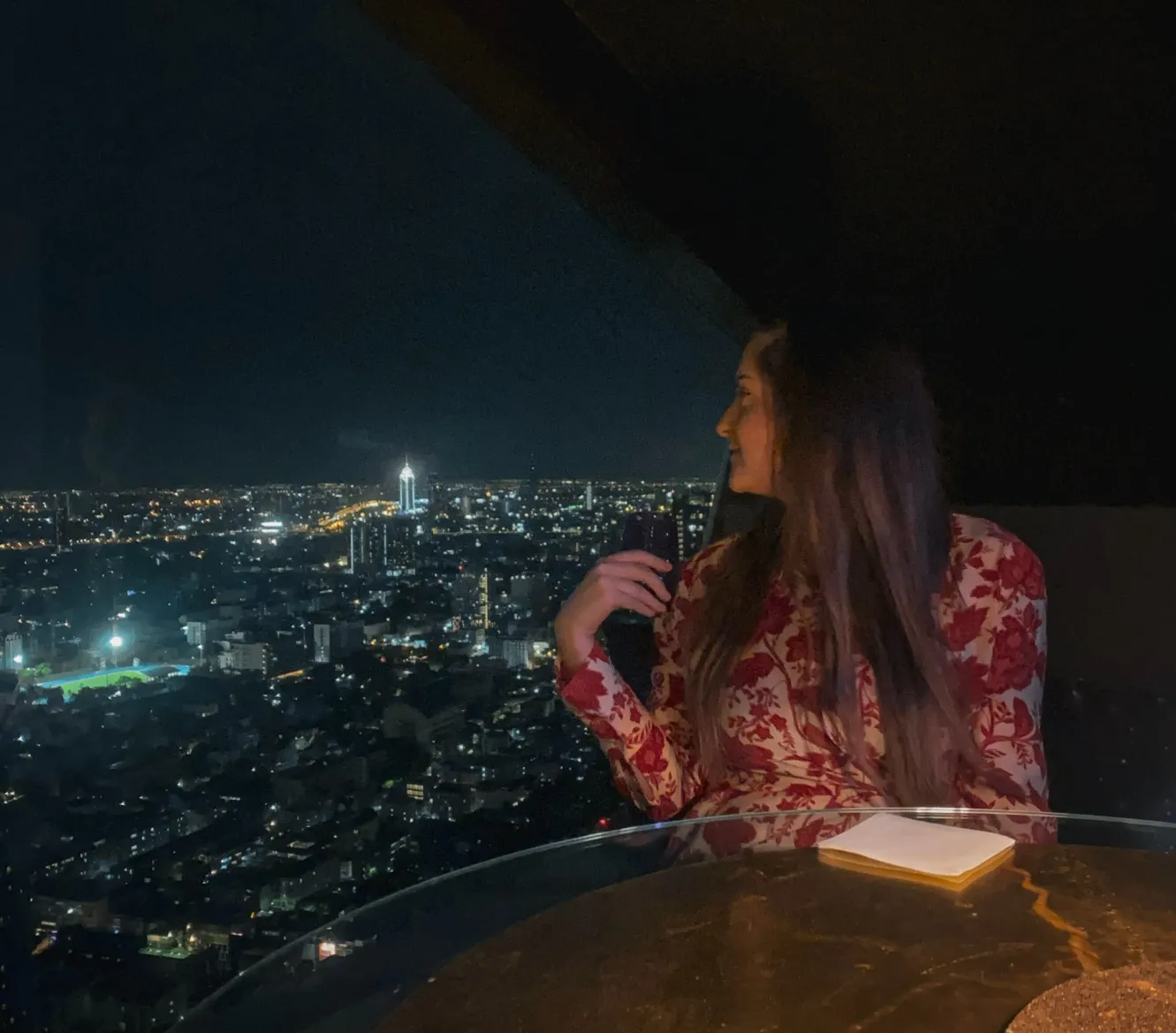
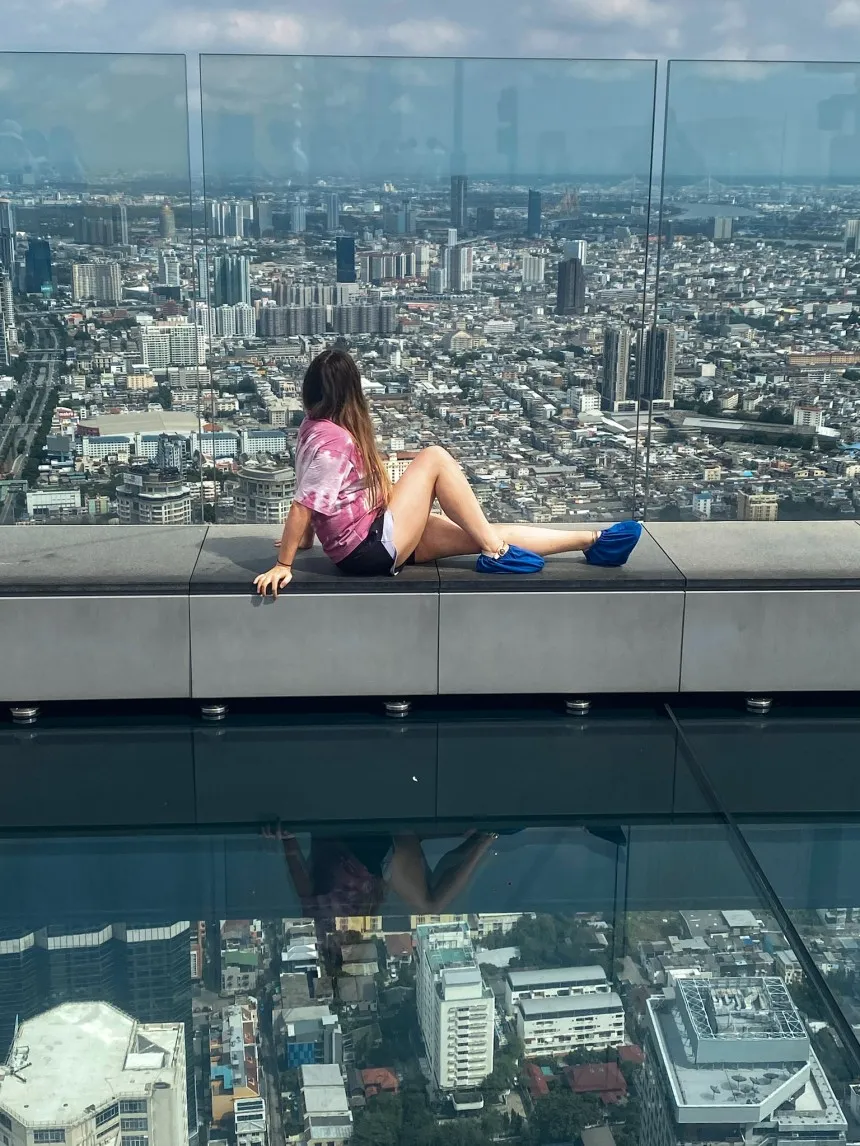
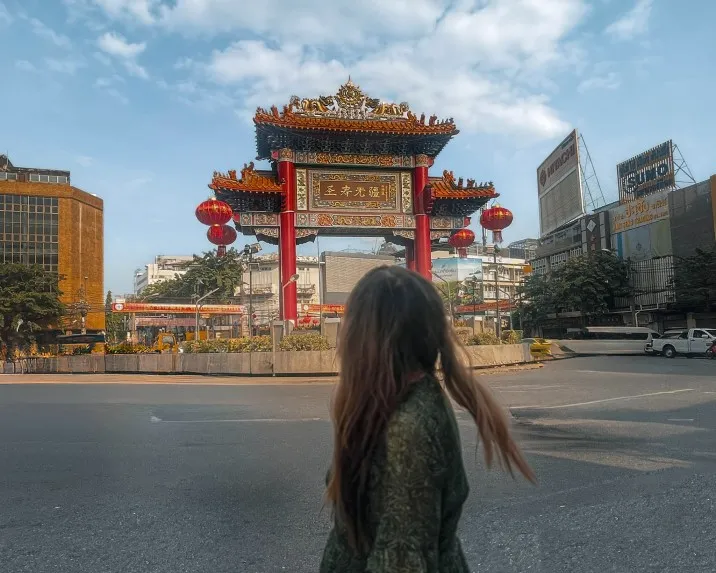
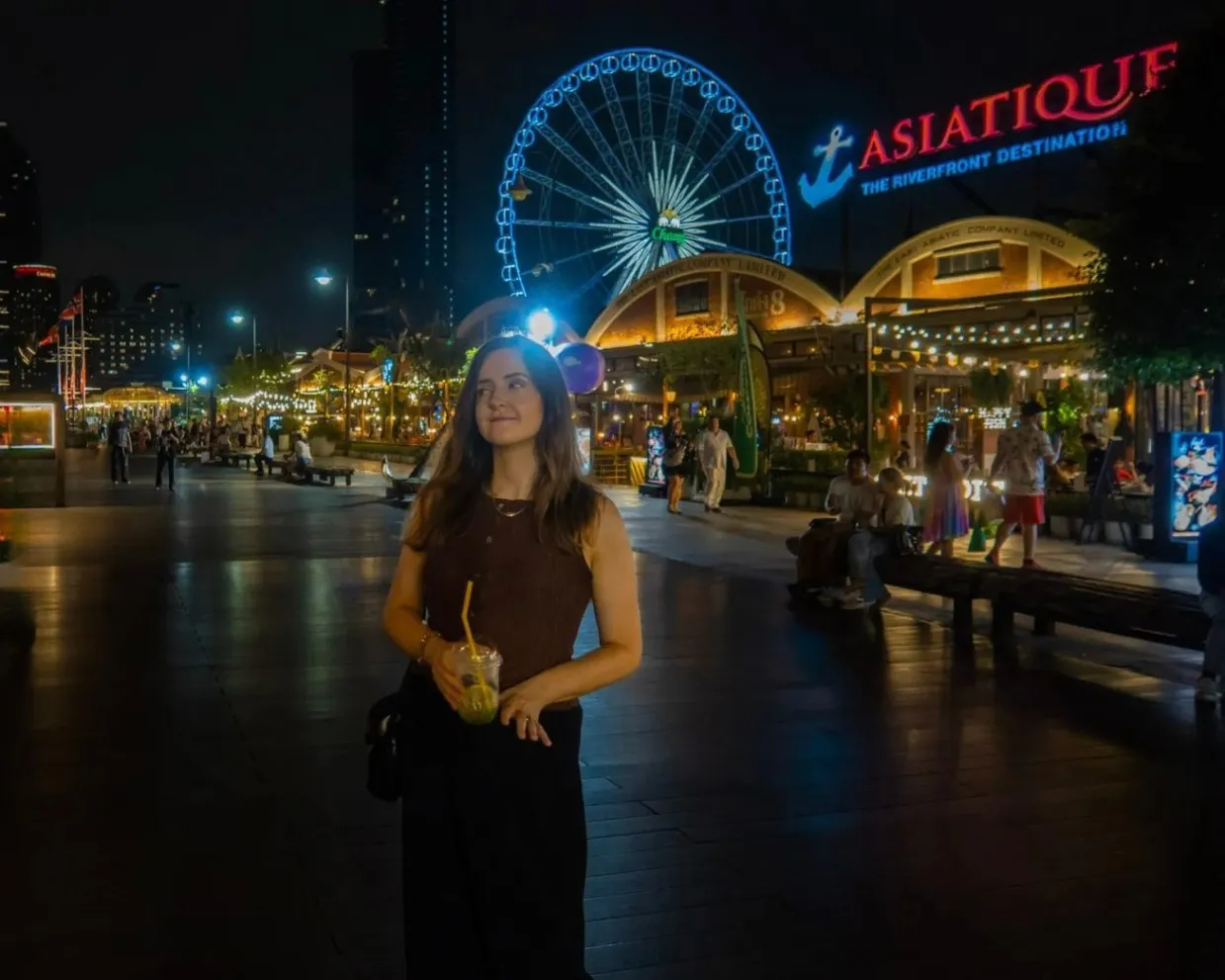
Young bagpackers should head to Phra Nakhon, home to the infamous Khaosan Road. There are many hostels here where you can meet other bagpackers. It’s also known as the old city and is where Wat Arun and Wat Pho are. Silom is my number one pick, being central you can reach other areas of the city with ease, it has rooftop bars, food markets and many great cafes. Families will love Riverside where taking a longtail boat down Chao Phraya River is your best mode of transport and your close to the family friendly entertainment venue Asiatique. While Chinatown is often overlooked, but is one of Bangkok’s most exciting and budget friendly areas, stay here for culture, amazing food and trendy cocktail bars.
I wrote in more detail about the 9 best areas to stay in Bangkok here.
Best Hotels In Bangkok
Budget | Kinnon Deluxe Hostel Coworking Cafe
Mid-range | Shanghai Mansion
Luxury | Sala Rattanakosin
Getting Around Bangkok
BTS Skytrain + Metro
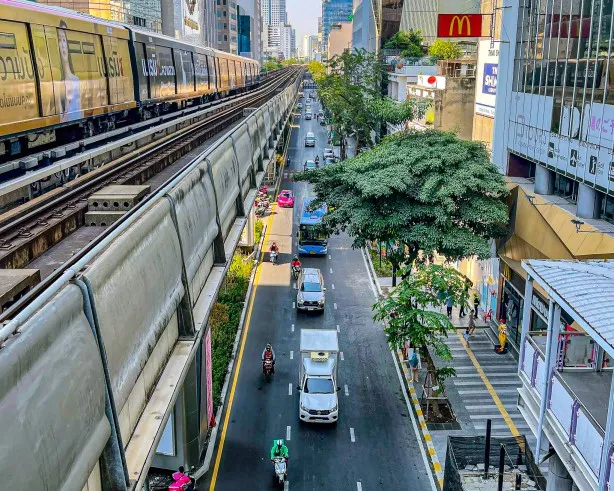
The backbone of the city. The BTS Skytrain covers the main tourist and business corridors of Sukhumvit, Silom, Siam, gliding above traffic on elevated tracks. The MRT (subway) runs a separate network that intersects at key points like Asok/Sukhumvit and Sala Daeng/Si Lom, and it’s the best way to reach Chinatown (Hua Lamphong) and the train station.
Currently the BTS and MRT use different payment systems: Rabbit for BTS while the MRT allows you to tap on and off with your bank card at the gates. Worth getting on day one. Alternatively, the BTS has the option to purchases a token from the ticket machines with cash. Trains run roughly from 6am–midnight, are air-conditioned, and cost ฿17–฿59 depending on distance. If you’re staying more than a few days, a day pass pays for itself quickly.
Local Bus
The cheapest way to move around the city with fares starting at just ฿8–฿15, but the tradeoff is navigating Bangkok traffic alongside everyone else. Air-conditioned buses (marked in blue and orange) cost a little more; the older fan-cooled ones are the bargain option. Google Maps now covers Bangkok bus routes reasonably well, and the ViaBus app is handy for live tracking. Buses are best for trips that the Skytrain doesn’t cover directly, or when you have time and want to experience the city at street level rather than above it.
Boat
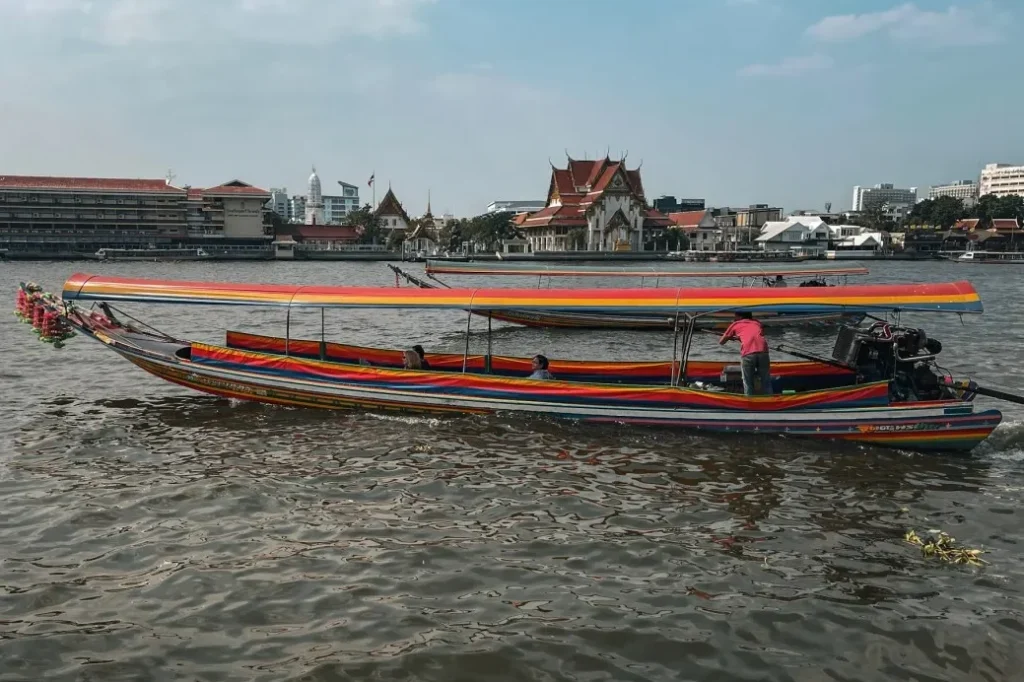
This became my favorite way to get around Bangkok, I found it so peaceful. The Chao Phraya Express is a local boat – a large longtail style boat. It goes down the Chao Phraya, passing many big attractions like Wat Arun, IconSiam and Asiatique.
Alternatively, the Blue Flag Tourist Boat; a ferry style boat also covers major attractions but is more expensive that the Chao Phraya Express however it’s also more comfortable. You can purchase tickets online or on the boat.
Tuk Tuks
More of an experience than a practical daily option. These three wheeled open-air vehicles are everywhere near tourist areas and temples. They are iconic, noisy, and zero air conditioning. Always agree on a price before you get in, and be firm: ฿100–฿200 is reasonable for a short trip in the centre. Watch out for drivers who offer suspiciously cheap rides and then detour via a gem shop or tailor, this is a classic Bangkok hustle. For spontaneous short hops between sights in the Old City, Chinatown or near the river, though, they’re fun.
Grab Bikes
The fastest way to cover short to medium distances when the roads are clogged. Book through the Grab app, select GrabBike, and a motorbike taxi will reach you in minutes. Helmets are provided. Fares are metered within the app so there’s no haggling, typically it’s ฿30–฿80 for most inner-city trips. Note that bikes can’t use expressways, so for longer cross-city journeys the car options in Grab make more sense. You’ll also spot the traditional orange-vest motorbike taxis clustered at the end of every soi (side street), these work on negotiated flat fares and are great for the last stretch when you’ve gotten off the Skytrain.
Best Things To Do In Bangkok