O K I N A W A
Sitting outside a ramen restaurant in Kyoto, we got talking to an American couple. They were in the military, based somewhere called Okinawa. All I could think of was “where on earth is Okinawa”? A quick google search gave me my answer. Scrolling through the images, I made a mental note that I had to visit here one day. Over a year later I was touching down in Naha.
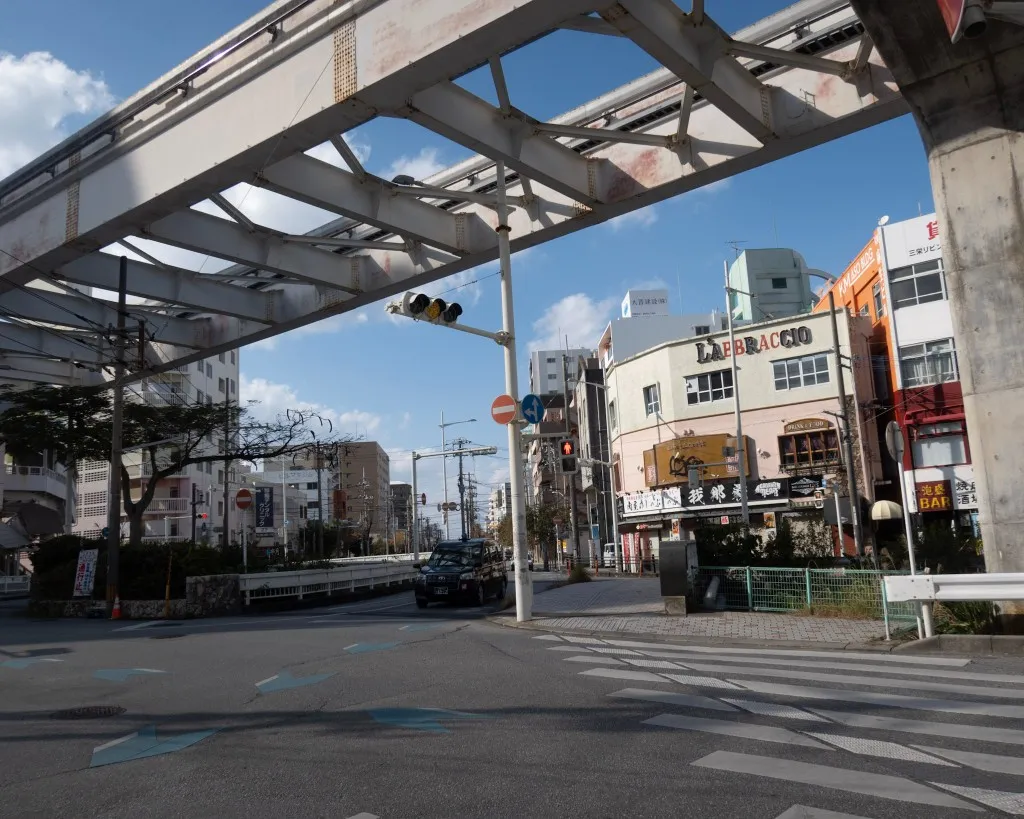
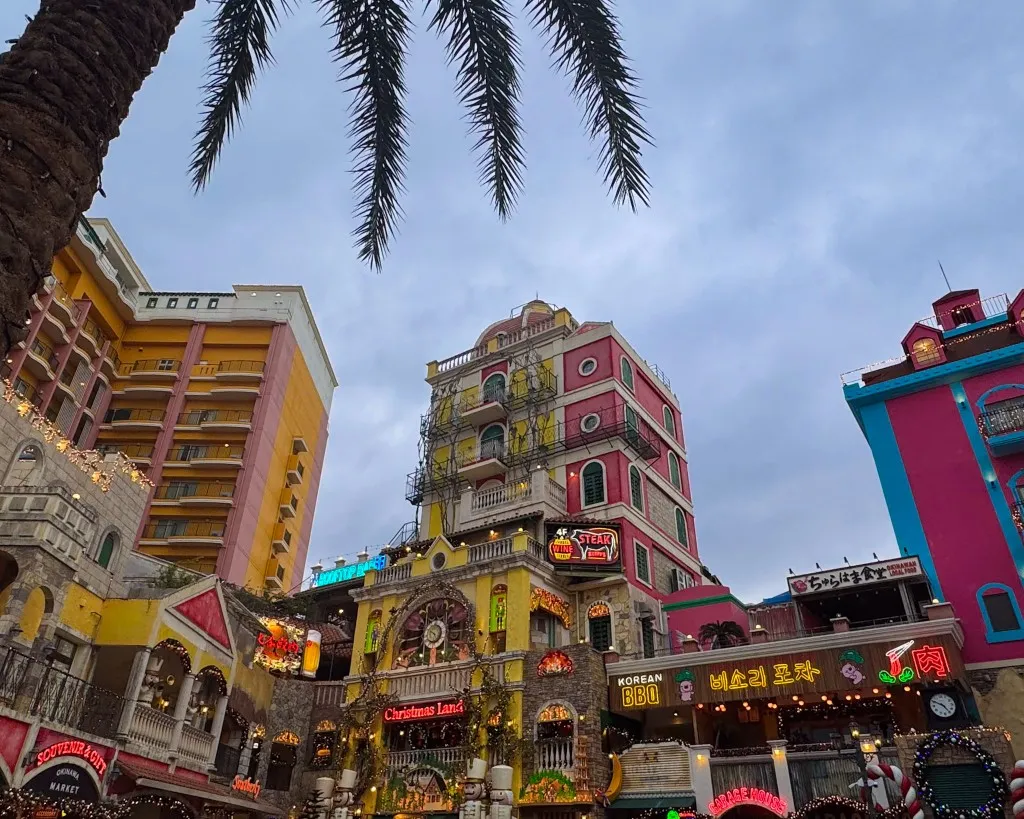
Okinawa was nothing like I expected. Is anything really? We had spent the last few months exploring Taiwan, spending much of it in the busy and heavily polluted cities. Island life was just what we needed. I was hyped for palm trees, coconuts and beach bars, but to my confusion all I could see was grey. The buildings blurred into the sky, only interrupted by a monstrous grey monorail track, if Naha was anything to go by then Okinawa was a concrete island, not a paradise island.
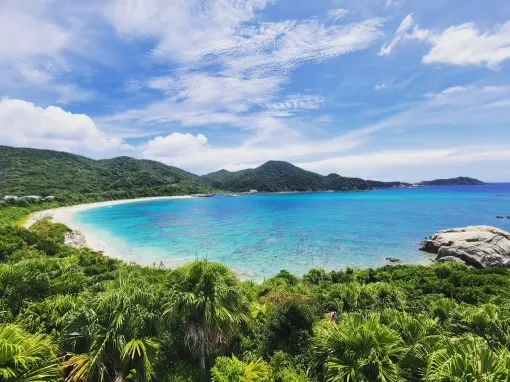
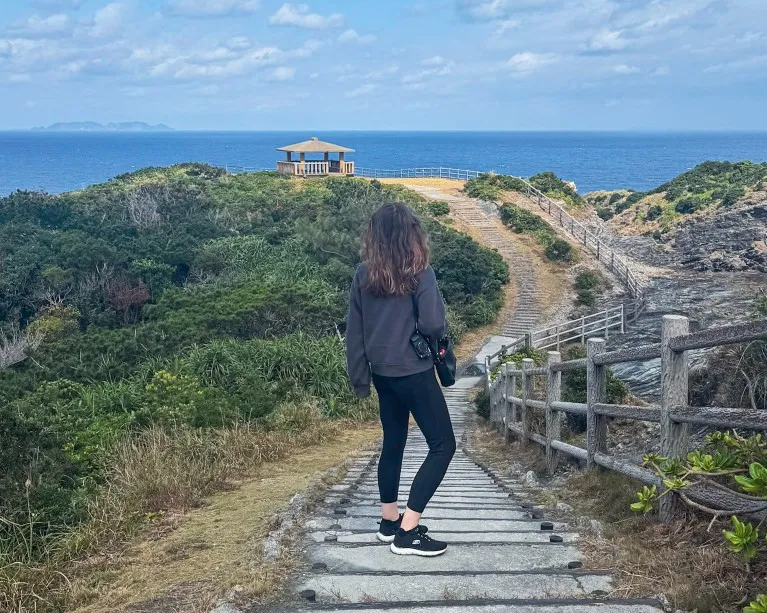
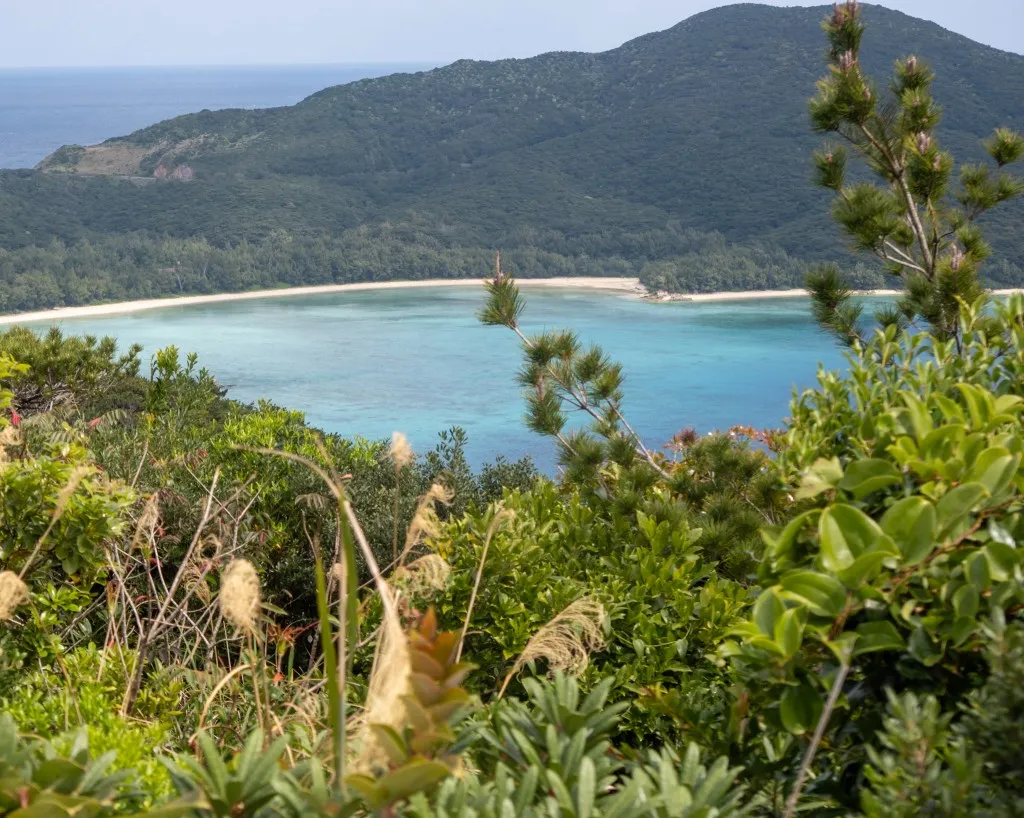
Okinawa requires you to make some effort, the most beautiful beaches are on the surrounding islands 90 minute ferry ride away while the best scenery is in the north. Don’t expect to land in Naha with the pristine beaches and lush scenery on your doorstep. But make that effort, and Okinawa delivers something unlike anywhere else in Japan. We ended up loving it so much we stayed for our full 3 month visa.
If you’re combining Okinawa with the mainland, my Japan travel guide covers Kyoto, Osaka and Tokyo along with everything you need to know before you land.
Best Time to Visit
Spring (March – May) and Autumn (October – November) are Okinawa at its finest, warm but not sweltering, seas calm enough to snorkel, and hotel prices at their most human. Late October is a particularly nice when the rainy season is long gone, typhoons have tapered off, and the water is still warm.
How Much Is A Hotel In Okinawa?
Okinawa ranges from no-frills guesthouses near Kokusai-dori to world-class beach resorts on the Motobu Peninsula. Beach-adjacent properties command a premium, especially in summer.
Prices spike sharply during cherry blossom season and autumn foliage. Book 2–3 months ahead for spring and autumn. Okinawa’s resorts fill up fast, especially on the Kerama Islands.
How Many Days In Okinawa?
Four days is perfect the main island: Naha’s Shuri Castle, Kokusai-dori, the war memorials in the south, and the glass-clear waters of the Motobu coast. Add two or three more days and you can day-trip to the Kerama Islands or take the ferry to Miyako-jima.
Shaded days optional but I highly recommended if time allows.
What To Eat In Okinawa
Ryukyu cuisine is its own world, distinct from mainland Japanese food, shaped by centuries of trade with China, Southeast Asia, and the old Ryukyu Kingdom.
About Okinawa
Okinawa wasn’t always Japanese. For centuries it was the Ryukyu Kingdom, an independent trading nation that did business with China, Korea and Southeast Asia long before Japan came into the picture. It had its own language, its own king, its own castle at Shuri.
Japan annexed it in 1879. Then in 1945 came the Battle of Okinawa with 82 days of fighting that killed nearly a quarter of the island’s civilian population. It’s the wound that still defines how Okinawans see themselves.
Following the Battle of Okinawa the Americans ran the islands until 1972, leaving behind a legacy that’s still visible today with military bases cover a fifth of the main island. But underneath all of it, the Ryukyu identity survived. The food is different, the music is different, the people will tell you they’re Okinawan first, not Japanese.
Where To Stay In Okinawa
Where you stay in Okinawa can make or break your trip. It’s not easy driving or getting a bus between different towns in Okinawa due to the heavy traffic. So realistically, you will not want to travel the island every day. The best way to explore the island is to stay in a few different areas, this will minimise your time spent in traffic.
I wrote a detailed guide on where to stay in Okinawa, covering the 8 best areas.
- Naha: capital city of Okinawa, great base for exploring central Okinawa, lots of history, culture and nightlife. Not great for beaches. Budget friendly.
- Chatan: resort town with good beaches, lots to see around America Village, and good nightlife.
- Onna: resort town with excellent beaches, good for families or those looking to snorkel.
- Nago: a city in north, more laid back than Naha. Where to go to experience the rugged side of Okinawa.
- Motobu: dramatic coastline, good base for exploring the northern coastline and feels more local than other towns in Okinawa.
- Yomitan: small village with excellent beaches, lots of culture to appreciate like how local artisans make Yomitan-yaki ceramics.
- Islands (my pick of the surrounding islands)
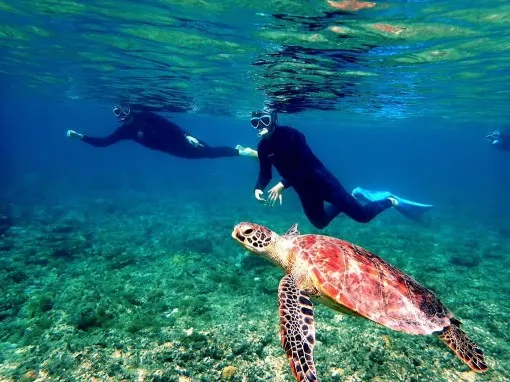
- Zamami Island: part of the Kerema Islands, a remote island with some of the best beaches I have ever been on. Swim with sea turtles and whale watch here.
- Ishigaki: come here for the best diving in Okinawa, it’s a tropical island 400km of Okinawa, if you’re looking for stunning beaches you’ll find them here. You can also island hop between Taketomi, Iriomote, and Kohama.
If you don’t plan to rent a car then the best places to stay in Okinawa without a car are Naha, Chatan and Onna.
Getting Around Okinawa
Okinawa is a long and narrow island, 67 miles to be exact. With mostly two-laned roads the traffic can be a nightmare, especially around military bases between 4-6:30 PM. A 20 minute journey can easily turn into an hour of snail pace traffic.
Okinawa has a great bus network, particularly around Naha, Chatan and Onna. The only downside is that there is no bus lane, so you can’t skip the traffic. There is also a monorail called the YuRail that circles Naha, including the airport.
You can use the prepaid ICOCA/SUICA card, that you might have from visiting mainland Japan, on the YuRail but not on the bus. The bus only accepts the local OKIWA card which you can purchase at YuRail stations. Both modes of transport accept cash. On the bus just grab a paper ticket when you board and then pay the driver when you get off.
Public transport is affordable with YuRail fares ranging from 230–370 yen there is also a 1 day pass (800 yen) and a 2 day pass (1,400 yen). Bus fares depend on distance, and start at 240 yen.
The best way to explore Okinawa is by renting your own car. This allows you to reach remote beaches, northern forests, and cultural sites. The freedom to stop at scenic viewpoints and hidden cafes makes driving worthwhile. Rental costs start around 3,000–5,000 yen/day; compare prices on sites like DiscoverCars.
To drive in Japan you need an International drivers license. You can easily apply for this online.