K Y O T O
I love Kyoto, a city of over 1,600 temples that truly transports you back in time. But the closer you look you realise how modern this city really is. Old wooden buildings may have an old world exterior, but inside are aesthetic matcha dessert cafes, trendy coffee shops, upmarket sushi restaurants and speakeasy bars. It is a non-negotiable on any Japan itinerary.
This Kyoto travel guide covers everything you need to know before visiting.
If you are visiting multiple cities, my Japan travel guide covers the essentials that apply everywhere.
Best Time to Visit
Spring (mid-March – April) and Autumn (October – November) are the sweet spots — cherry blossoms or fiery maples, mild temperatures, and Kyoto at its most cinematic. Early November is a particular favourite.
How Much Is A Hotel In Kyoto?
Kyoto has something for every budget from compact guesthouses in the backstreets of Gion to luxurious ryokan experiences with kaiseki dinner included.
Prices spike sharply during cherry blossom season and autumn foliage. Book 3–4 months ahead for peak periods.
How Many Days In Kyoto?
Four days is ideal. You’ll cover the major shrines, a bamboo grove morning, at least one full day in Arashiyama, and still have time to get happily lost in Higashiyama. Five or six days lets you breathe and take a half-day trip to Nara.
Shaded days optional but I highly recommended if time allows.
What To Eat In Kyoto
Kyoto cuisine — kyo-ryori — is subtle, seasonal and deeply visual. Prioritise these before you leave:
About Kyoto
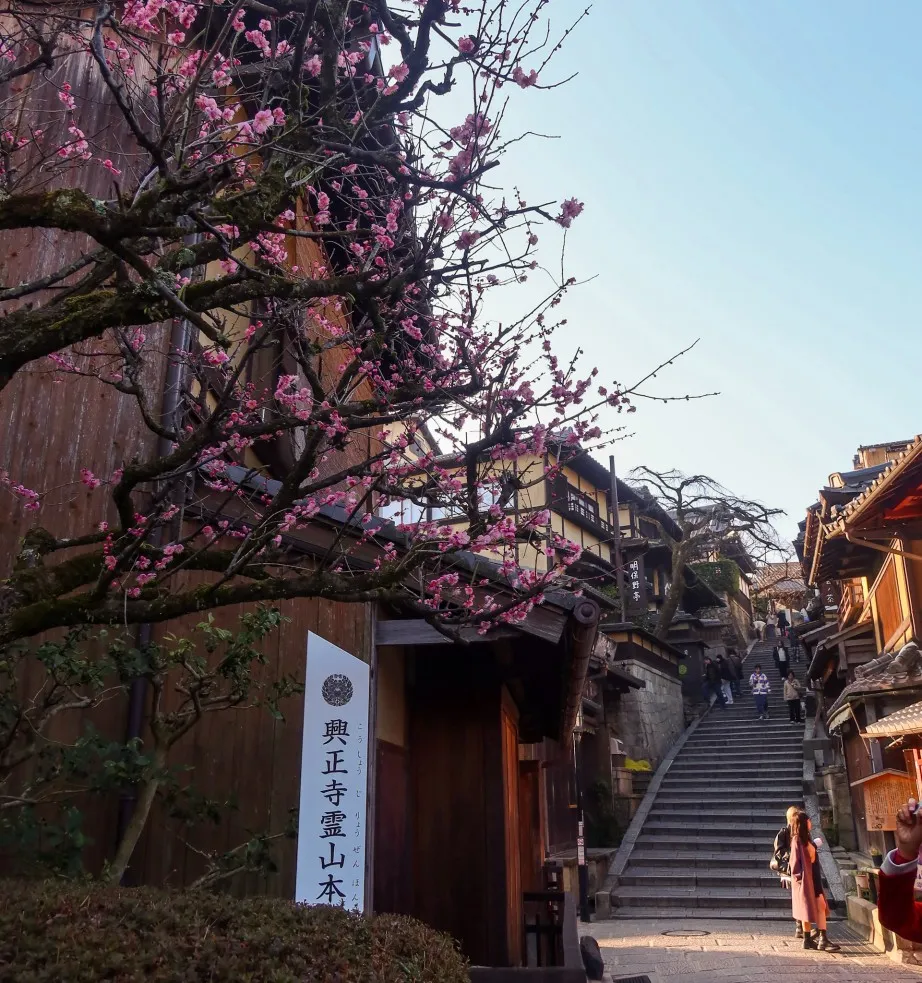
If Tokyo is Japan’s future, Kyoto is its soul. For over a thousand years this was the imperial capital of Japan and that history is everywhere you look. Over 1,600 temples, 400 shrines and 17 UNESCO World Heritage Sites packed into one city. It is genuinely unlike anywhere else in the world.
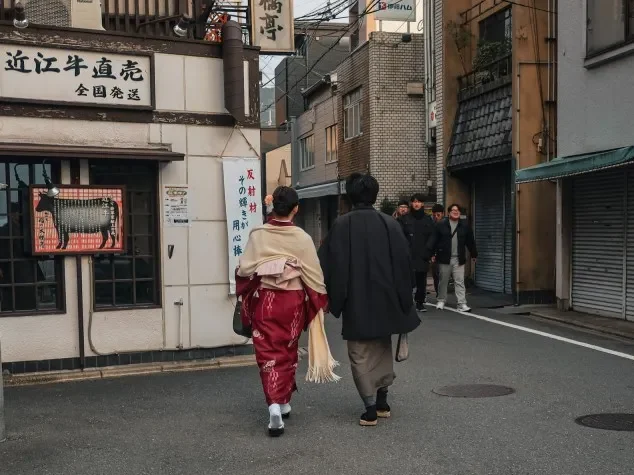
What makes Kyoto different from the rest of Japan is that it was largely spared from the bombing campaigns of World War II. That decision, controversial at the time, is the reason the city looks the way it does today. Walking through Gion or Higashiyama you are looking at streets that have barely changed in centuries. That feeling is hard to find anywhere else in Asia.
Kyoto was the imperial capital from 794 until 1869 when Emperor Meiji moved the seat of power to Tokyo. During those 1,000 years it was the centre of Japanese culture, religion, art and politics. The geisha culture that Kyoto is famous for today is a direct product of that imperial history. The city needed to entertain visiting dignitaries and diplomats and the geisha districts grew up to do exactly that.
Today Kyoto is one of the most visited cities in Japan and the crowds at the main sights reflect that. Fushimi Inari, Arashiyama and Kinkakuji can be overwhelming in peak season. But Kyoto rewards people who get up early, stay late and wander off the main tourist trail. The city has a quieter, slower side that most visitors completely miss because they are too busy ticking off the highlights.
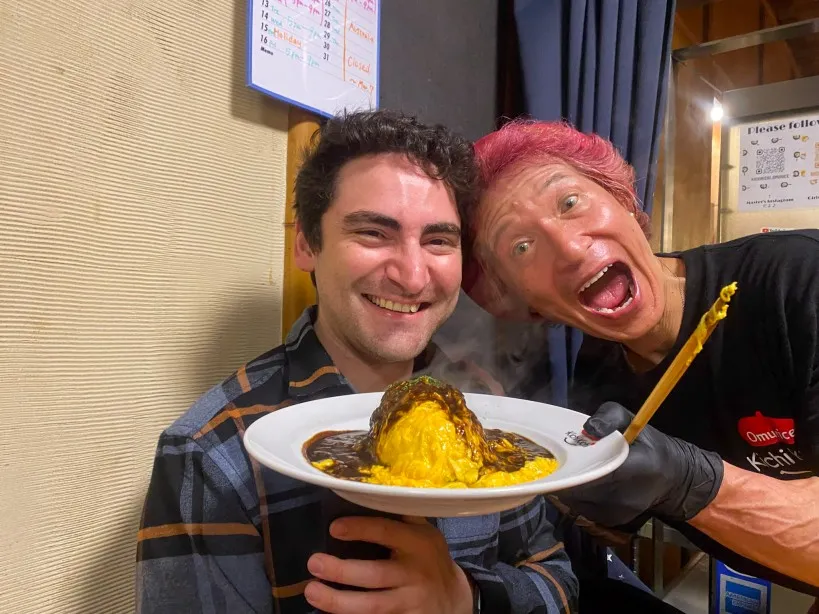
It is also a city that takes food seriously. Kyoto cuisine, known as kyo-ryori, is its own distinct style focused on delicate flavours, seasonal ingredients and presentation. It is very different from the bold street food of Osaka and worth seeking out properly while you are there. Kichi Kichi is one of Kyoto’s most famous restaurants, come here to try the famous omurice.
Where To Stay In Kyoto
The beauty of Kyoto is that it’s very walkable and pretty small compared to other Japanese cities. The main three areas that would cover most travellers are Southern Higashiyama for atmosphere, Downtown for convenience, or Northern Higashiyama for value with fewer crowds.
If you’re on a budget then Kyoto Station Area or the area around Imperial Palace have lots of budget options.
My where to stay in Kyoto guide covers the six best areas to stay. For hotels check out my recommendations.
- Best luxury hotel: Hotel Seiryu Kyoto Kiyomizu (Southern Higashiyama) – from $636/night with views of Kiyomizu-dera Temple.
- Best ryokan experience: Ryokan Togetsutei (Arashiyama) – from $450/night with riverside location and private cypress baths.
- Best mid-range hotel: Hotel Okura Kyoto (Downtown) – from $140/night with direct subway access and mountain views.
- Best budget option: Rinn Miyagawacho (Southern Higashiyama) – from $52/night with traditional tatami floors in Gion
Getting Around Kyoto
Kyoto is a walkable city, it’s actually the best way to explore, how else are you going to discover the ancient temples that only locals know about? I didn’t take the metro or bus to get around the city, most attractions are within a 10 – 15 minute walk of one another, the furthest are about a 25 minute walk away.
However, if walking isn’t really your jam or you’ve filled up on too much ramen then there is a bus and metro system.
The bus covers most of the main sights but it does get crowded on the routes that go past the big temples and famous streets like Ninenzaka. The metro has jsut two lines – the Karasuma line and Tozai Line. The Karasuma line connects Kyoto Station with the city centre whereas the Tozai line is the most “touristy” one which covers the sightseeing areas of Higashiyama and Downtown.
My absolute favorite way to get around Kyoto is by cycling. Kyoto is actually considered one of Asia’s best cities for cycling due to hpw flat and scenic it is – which obviously really helps fatigue. Most of the attractions also have designated biking parking spots too.
For outlying areas like Arashiyama and Fushimi Inari you can take a train from Kyoto Station.
Best Experiences In Kyoto

Kyoto Day Trips
Osaka
Osaka is only 40 minutes from Kyoto which makes it a very easy day trip, though honestly 2 days in Osaka is the very least it deserves. It’s an edgy city that is very different to Kyoto, the contrast travelling between the two is definitely something you should experience.
If you are short on time and can only do a day trip then focus on exploring Dontonbori and Shinsekai. The food alone is worth the trip Osaka takes street food seriously (it’s lovingly referred to as Japan’s kitchen) in a way that even Tokyo doesn’t match. You must try Takoyaki and Okonomiyaki.
Mt. Inari & Arashiyama
What’s better than a day trip that covers more than one location. Mt Inari and Arashiyama are easy to combine from Kyoto.
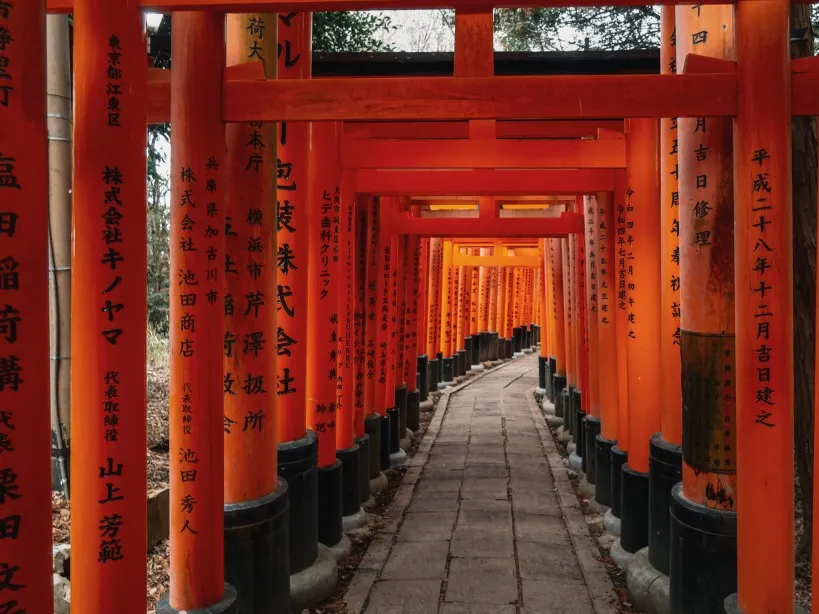
Mt Inari is located 8 km from Kyoto, taking 5 minutes on the train (Nara line) from Kyoto station. This was one of the best experiences I had in Japan, it involves climbing up 12,000 steps through 10,000 torii gates to a total height of 233 metres. It takes around 90 minutes to do the full loop. It’s vital you arrive as early as possible as this places gets crowded, for context 10 million people visit here per year. The best time to beat the crowd is arriving before 8 AM, this ensures you have a peaceful hike.
From Inari, Arashiyama is 22 minute train ride away (Nara Line – switch at Kyoto station to the San-In Line)
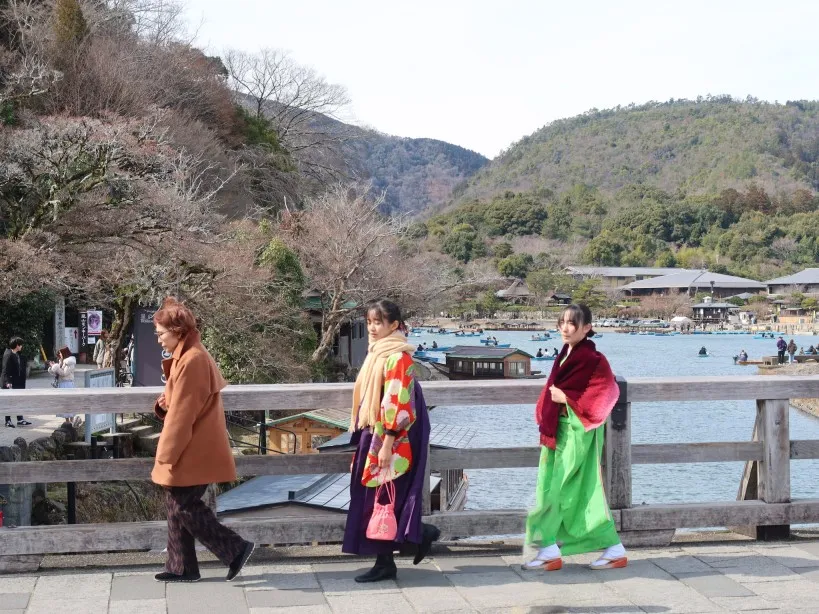
Arashiyama sits on the western outskirts of Kyoto and is a must visit. It’s a place for people wanting a slice of Japan’s rich nature with Mount Arashiyama, Katsura River and Iwatayama Monkey Park. It is also home to the famous bamboo grove, a non-negotiable on most people’s Kyoto itinerary (personally I think it’s overhyped but if you can get her before the crowds it’s a better experience).
Given its location it’s a hotspot for traditional onsen where you can have a relaxing soak while overlooking the river.
Nara
Nara is one of the easiest and most rewarding day trips you can do from Kyoto. Just 30 minutes from Kyoto station on the Kintetsu Limited Express or 40 minutes on the Kintetsu-Kyoto Line.
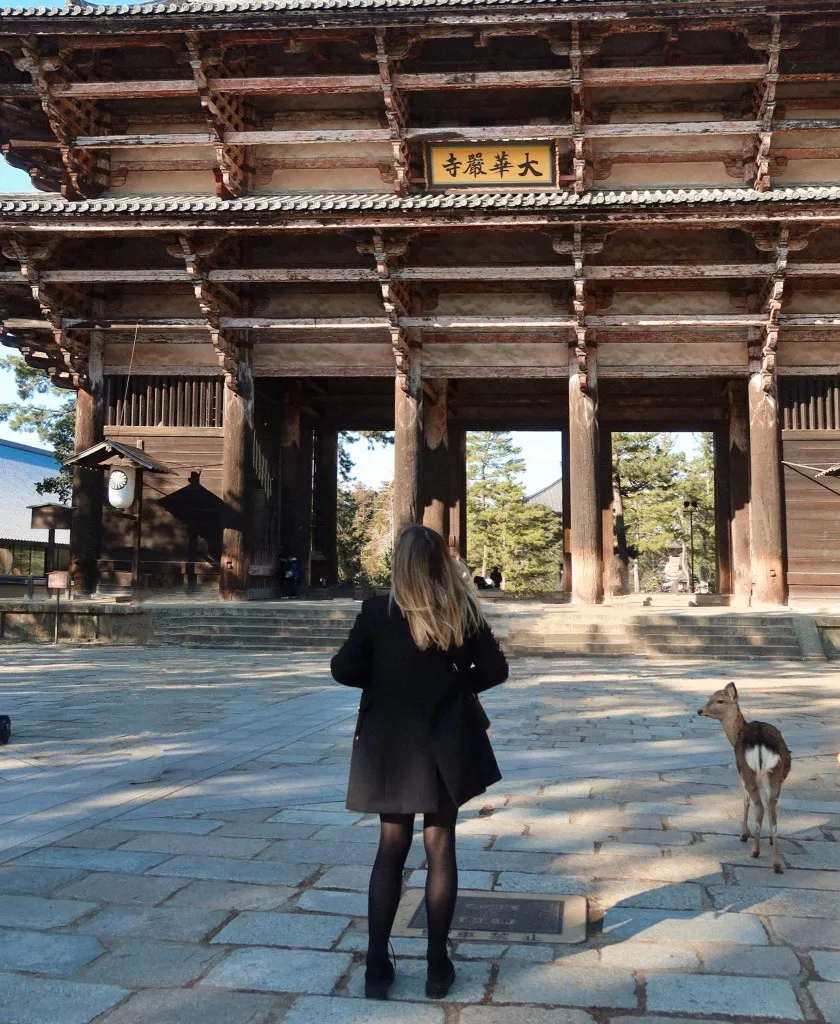
The deer are the main draw and honestly I found them equally cute and scary. What nobody tells you is that they can be a little aggressive, they want one things and one thing only, and if you on’t give them that cracker expect to be headbutted or even chased
That said, it is magical, I mean deers learning how to bow. You can find them in Nara Park as you explore the many temples such as Todai-ji temple and Yoshikien Garden. I recommend the full day here, take your time at the temples and then explore the town.
Kyoto Resources
Kyoto Posts