V I L N I U S
travel guide
Vilnius Essentials
The bits worth knowing first.
When to go
May through September is the easy answer. December for Christmas markets, skip January and February unless you want snow on purpose.
The best months for Vilnius are May, June and September. Long days, terraces open, parks full, and the weather behaves itself without the July crowds or prices. Late May has the cherry blossoms out in Bernardinai Garden and Vingis Park, and by September the tourist peak is over but everything is still fully open.
July and August are the warmest months and the most popular, with temperatures up to 24 to 26°C and the city at its busiest during Vilnius City Days in early September and the general summer festival run. Good if you want maximum atmosphere, less good if you don’t like queueing. Locals also tend to go on holiday in August, so the city quietens a little towards the end of the month.
December has its own case to make. The Christmas market in Cathedral Square opens in late November and the Old Town does the whole mulled wine and fairy lights thing properly. It’s cold, but it’s the kind of cold that suits the architecture.
January and February get properly harsh, regularly minus 5 to minus 10, with short daylight and icy cobblestones. It’s also when prices are lowest and the city is at its quietest, so there’s a case for going if budget matters more than comfort. October and November sit in between: grey, rainy, fewer people, and the parks turn a good orange before the leaves give up.
What it costs
The cheapest of the three Baltic capitals. You can do Vilnius properly without watching every euro.
Vilnius is genuinely affordable, even by Baltic standards. A sit-down dinner with drinks for two usually runs €40 to €60, speciality coffee is €3 to €4, museum entry is €5 to €10, and a single public transport ticket is around €1 to €1.50. Most things cost noticeably less than Tallinn or Riga, let alone Stockholm or Berlin.
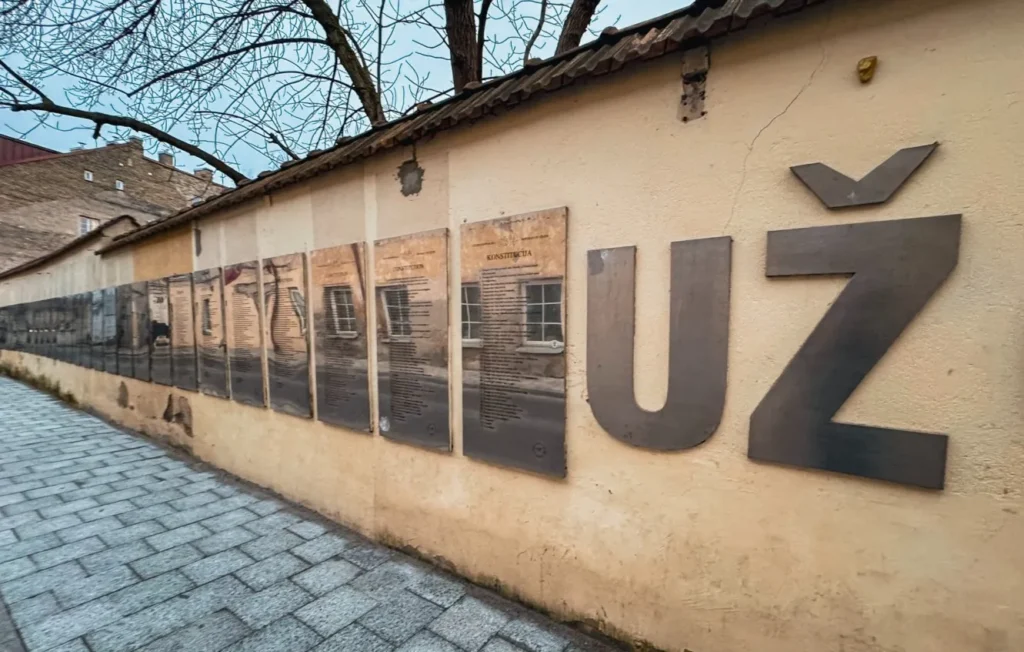
For accommodation, Old Town is the right call for short trips since everything is walkable and the Gates of Dawn to Cathedral Square stretch covers most of what you came for. For longer stays, Užupis is worth a look too: it’s a five minute walk from Old Town, has its own slightly bohemian identity, and tends to run a little cheaper.
Christmas market season and any major summer festival weekend will push accommodation rates up noticeably. Book those windows early if you can.
How long to stay
Three days for the city, five to seven if you want a proper day-trip loop around Lithuania.
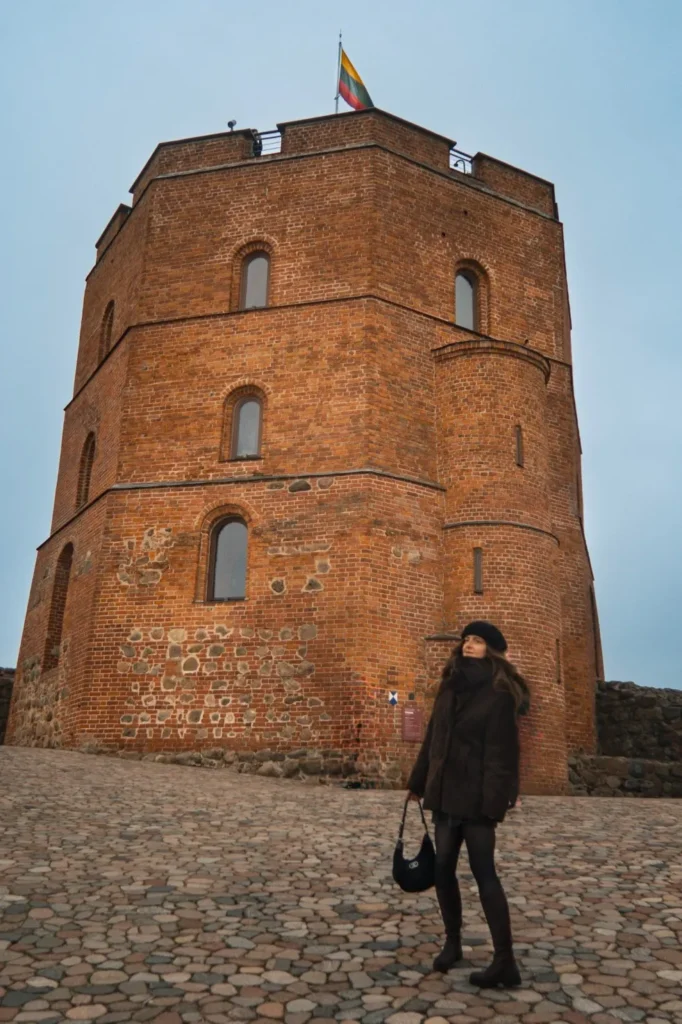
Three days is the sweet spot for Vilnius itself. Day one for Old Town: Cathedral Square, Gediminas Tower, Pilies Street and the Gates of Dawn. Day two for Užupis and Vilnius University’s courtyards, plus the Museum of Occupations and Freedom Fights if you want the heavier history. Day three for a trip out of the city.
Trakai is the obvious choice and the easiest: 28 kilometres out, buses every 30 to 40 minutes from the bus station, about 40 minutes each way, and a 20 to 30 minute walk from the bus stop to the lakeside castle. Budget half a day. If you want a second destination and have more time, Kaunas is roughly 1.5 hours away by train or bus and worth a full day on its own for the Art Deco streets and the Ninth Fort. The Hill of Crosses, near Šiauliai, is the most committing day trip at over 200 kilometres and around two and a half hours each way, so it really only works as either a long single day or an overnight.
Two days is doable if you’re tight on time but you’ll be skimming. You’ll see Old Town properly and not much else, and you’ll likely leave wanting one more morning for Trakai.
Solid pink is the minimum. Lighter days are what I’d add if I had the time again.
What to eat
Heavy on potatoes, rye and dairy, built for cold winters. Better, and stranger, than its reputation suggests.
Lithuanian food doesn’t get talked about much outside the region, and that’s a shame. It’s hearty rather than refined, built around potatoes, rye bread and dairy, with a Karaim pastry tradition folded in from Trakai. None of it is trying to be fancy and most of it is exactly what you want after a day of walking on cobblestones.
Vilnius Guides





Tara O’Reilly
Hello, I am Tara, the creator of this travel blog! After 4 years of full-time travel, I’ve learned what actually matters when planning a trip and what’s just tourist hype. I share brutally honest guides, realistic itineraries and real tips (including the downsides) about the places I’ve been to. No sugar-coating, no fluff, just the information you actually need to plan a great trip.