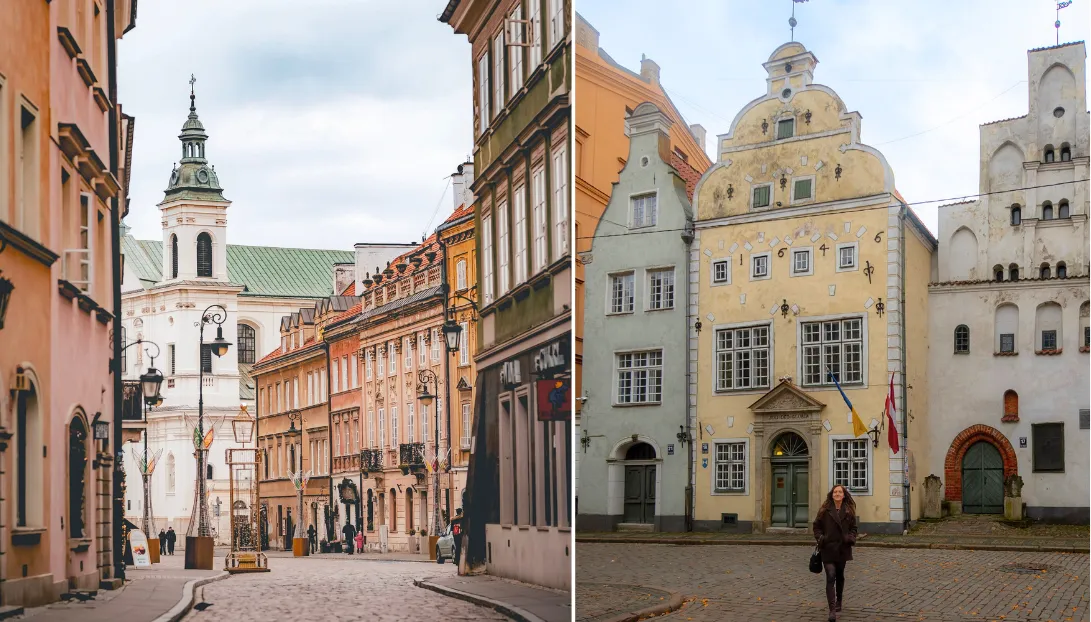
So you’re trying to decide between Vilnius and Riga, and honestly, I get why it’s a hard call. Both are Baltic capitals, both use the euro, both get lumped together in the same “cheap European city break” conversation and from the outside they can look pretty interchangeable, but they are not.
I’ve spent real time in both, not just a rushed weekend ticking off the main square and calling it done, and they ended up feeling like completely different trips. Riga is bigger, busier, and has an architectural trick up its sleeve that surprised me. Vilnius is quieter, and had me wandering side streets for hours without meaning to.
If you’ve only got a few days and can’t do both, this guide is here to help you actually pick one instead of just flipping a coin. I’m going through architecture, food, nightlife, cost, day trips and the practical stuff nobody tells you until you’re already there, and I’ll give you my honest verdict on each. Spoiler: I do have a favourite, and I’m not going to pretend otherwise.
If you’ve got four days or more though, my advice is simple. Do both. The two cities complement each other and the journey between them is half the fun anyway.

Some links in this post are affiliate links, meaning I may earn a commission at no extra cost to you if you make a purchase.
The Facts
Vilnius
Riga
The Quick Answer
Pick Riga if: you want Art Nouveau architecture, a bigger and more cosmopolitan city, a proper (if stag-heavy) nightlife scene, the best flight connections in the Baltics, and genuinely brilliant public-transport day trips (beach, bogs, castles).
Pick Vilnius if: for a slower pace, one of Europe’s largest Baroque Old Towns, the best food and coffee culture in the region, the bohemian Užupis vibe, and slightly better value.
If you have 4+ days I recommend visiting both. The cities complement each other and the trip between them is part of the experience.
Vilnius Or Riga
Architecture & Old Town
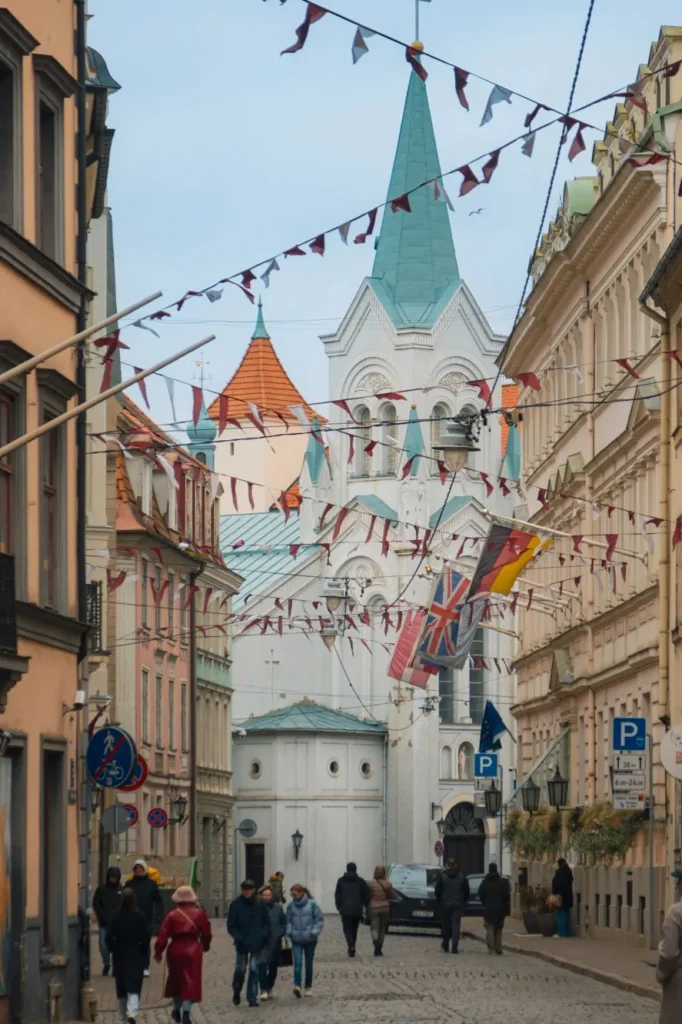
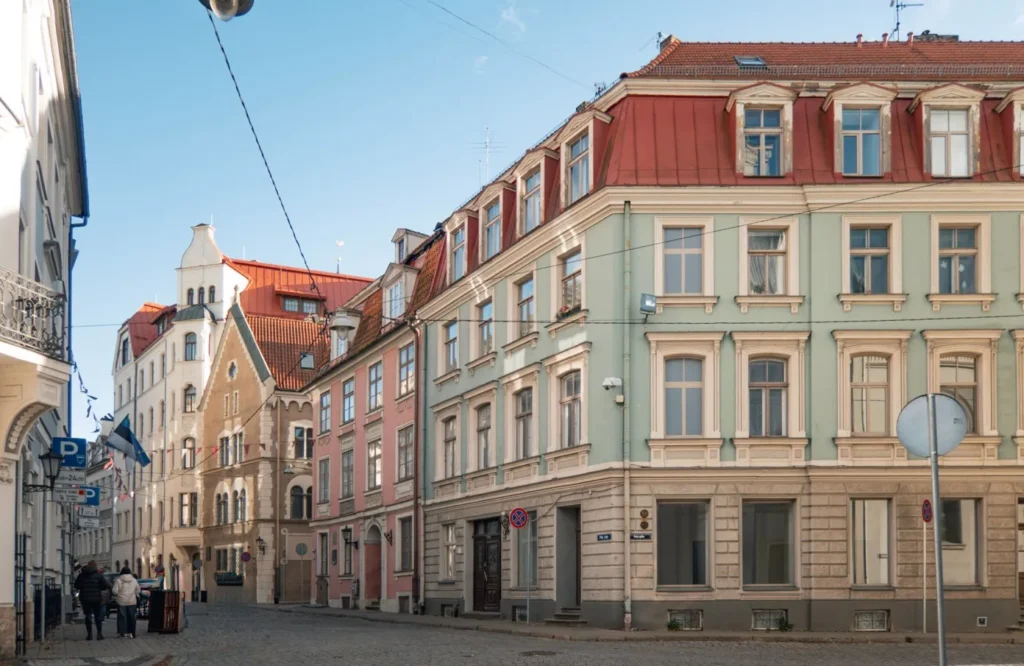
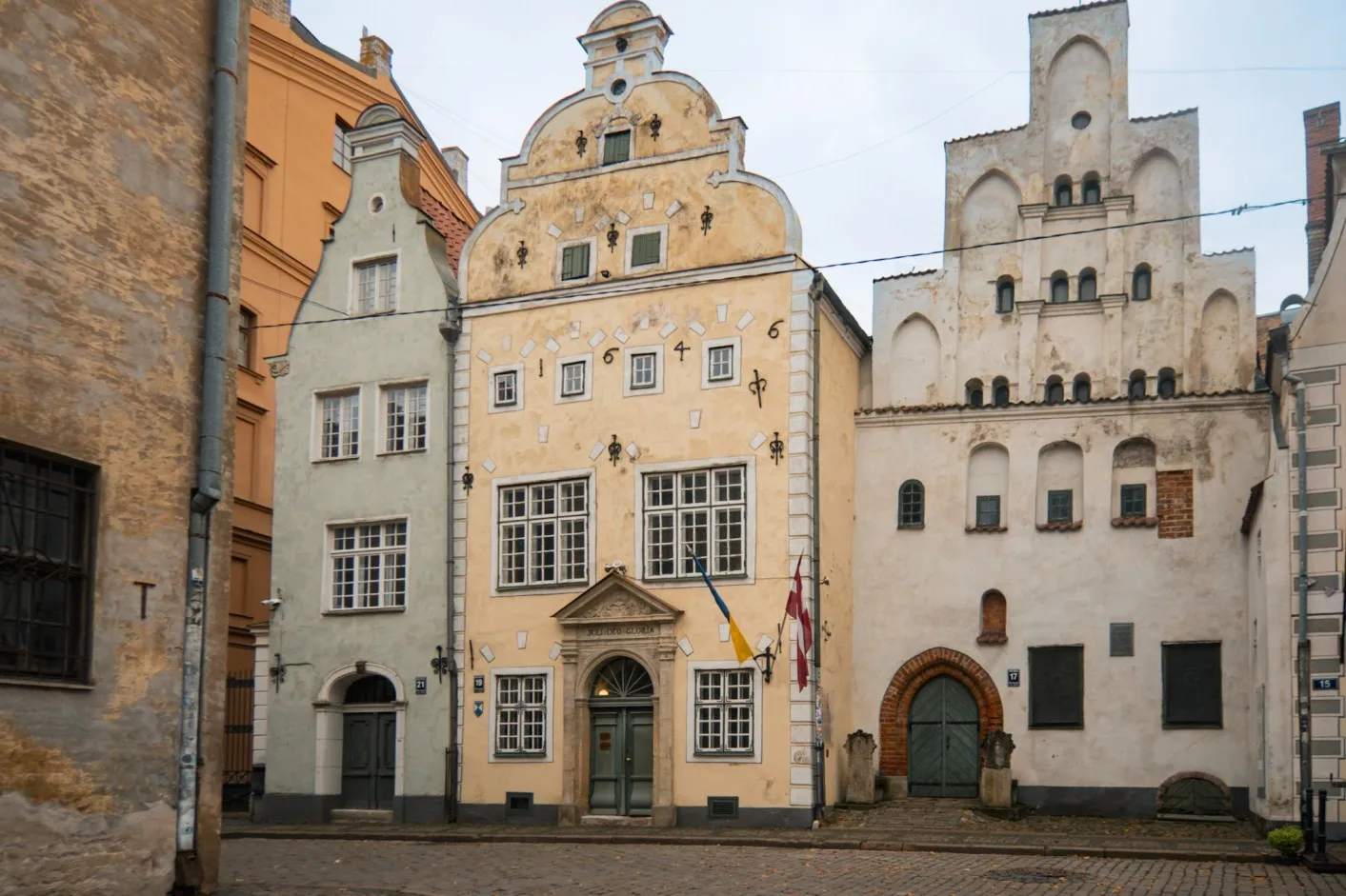
Riga is all about the Art Nouveau. Its medieval core, the UNESCO World Heritage Site Vecrīga (that’s Old Town to you and I ), is compact and you can walk the main sights in a couple of hours. But the real showstopper is the Quiet Centre (Klusais centrs), a 10 minute walk north of the Old Town, where street after street is lined with ornate facades. Roughly 800 Art Nouveau buildings were built here (about 600 survive today), making up around a third of the whole city centre. Latvian architectural historian Jānis Krastiņš is the source of the widely repeated claim that this share “makes it the city with the highest concentration of such buildings anywhere in the world,” ahead of Vienna or Brussels. Head to Alberta iela and Elizabetes iela for the famous ones, including the screaming faces and peacocks designed by Mikhail Eisenstein.
RELATED: 24 Best Things To Do In Riga (+1 to skip) →
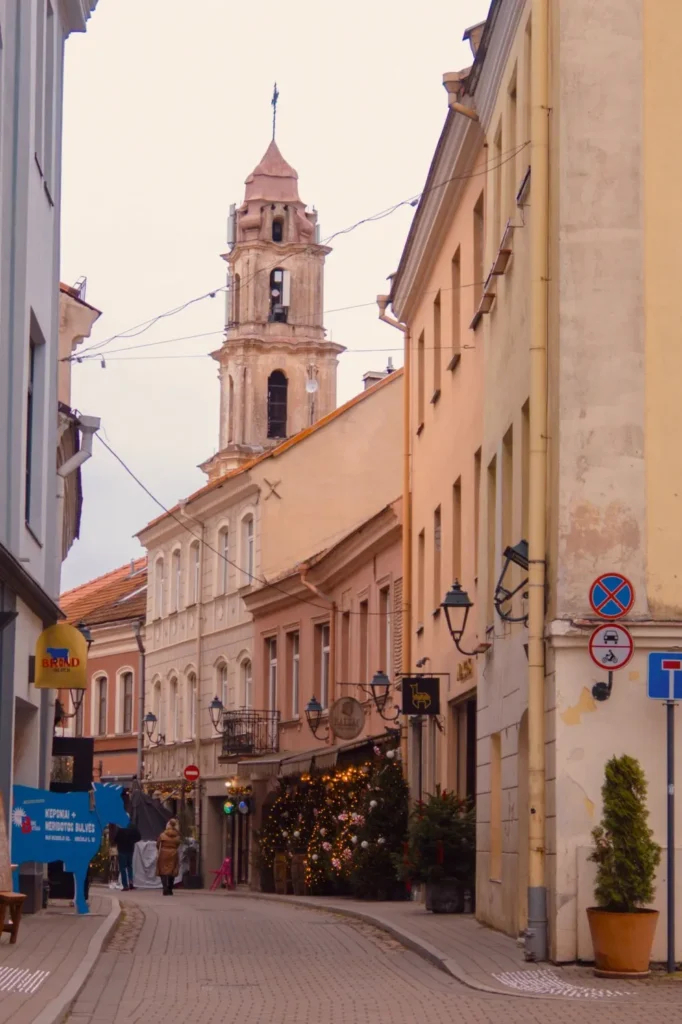
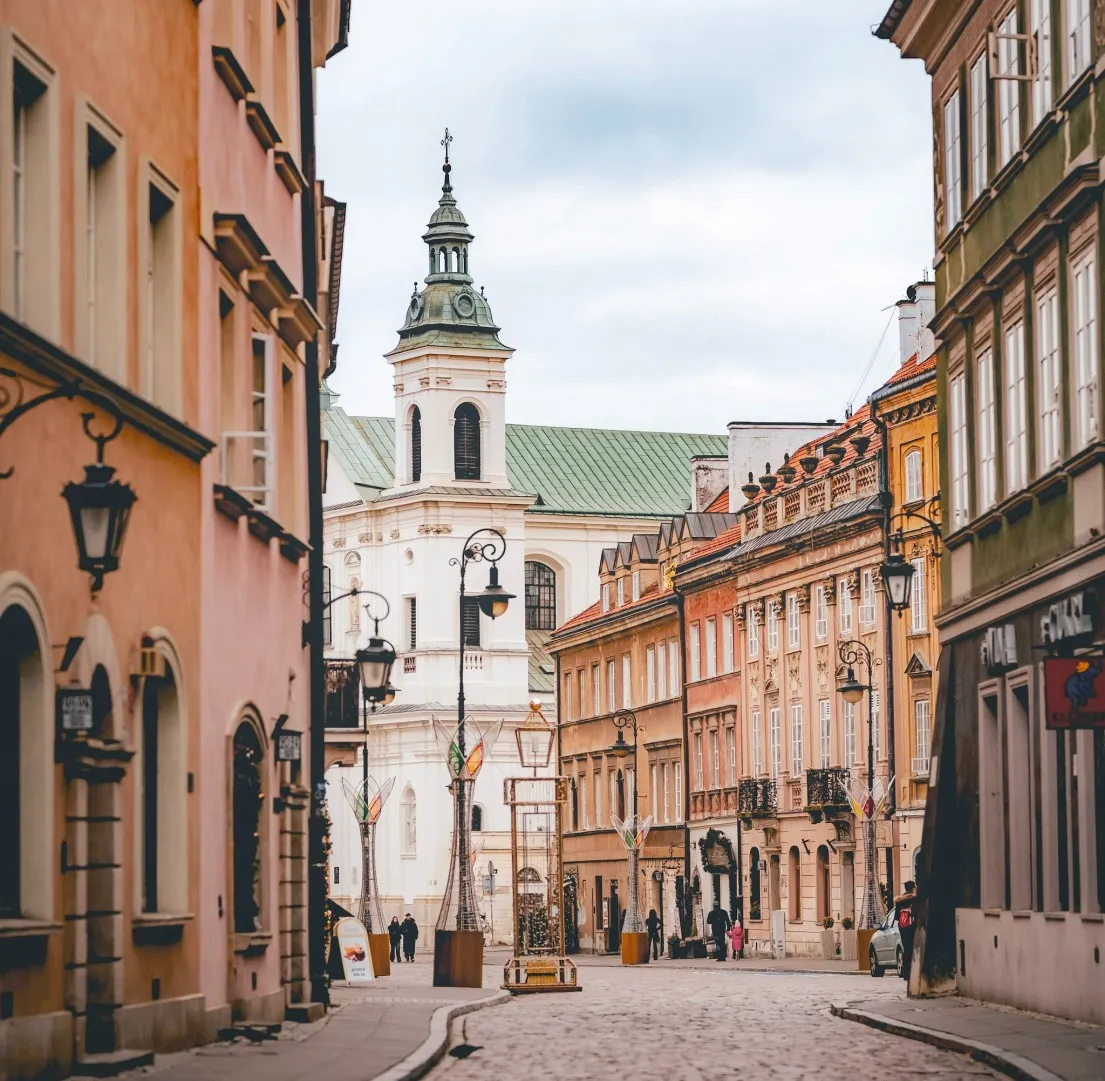
Vilnius plays a completely different game. Also UNESCO status, the Historic Centre of Vilnius covers 352 hectares (with a large buffer zone around it), which still makes it around four times the size of Riga’s medieval core and one of the largest surviving old towns in Northern Europe. It’s softer, more lived-in and layered with centuries of styles: Gothic, Renaissance, Baroque and Neoclassical all elbowing each other. In fact “Vilnian Baroque” is named after the city, which is the easternmost Baroque city. It’s full of churches, hidden monastery courtyards and little squares you stumble into by accident.
Verdict: Riga wins for a single jaw-dropping “wow” (the Art Nouveau is genuinely unlike anywhere else). Vilnius wins if you want an Old Town you can get lost in for days without running out of corners. Architecture nerds should try to do both.
RELATED: 21 Fun Things To Do In Vilnius →
Atmosphere & Pace
This is where the cities diverge most.
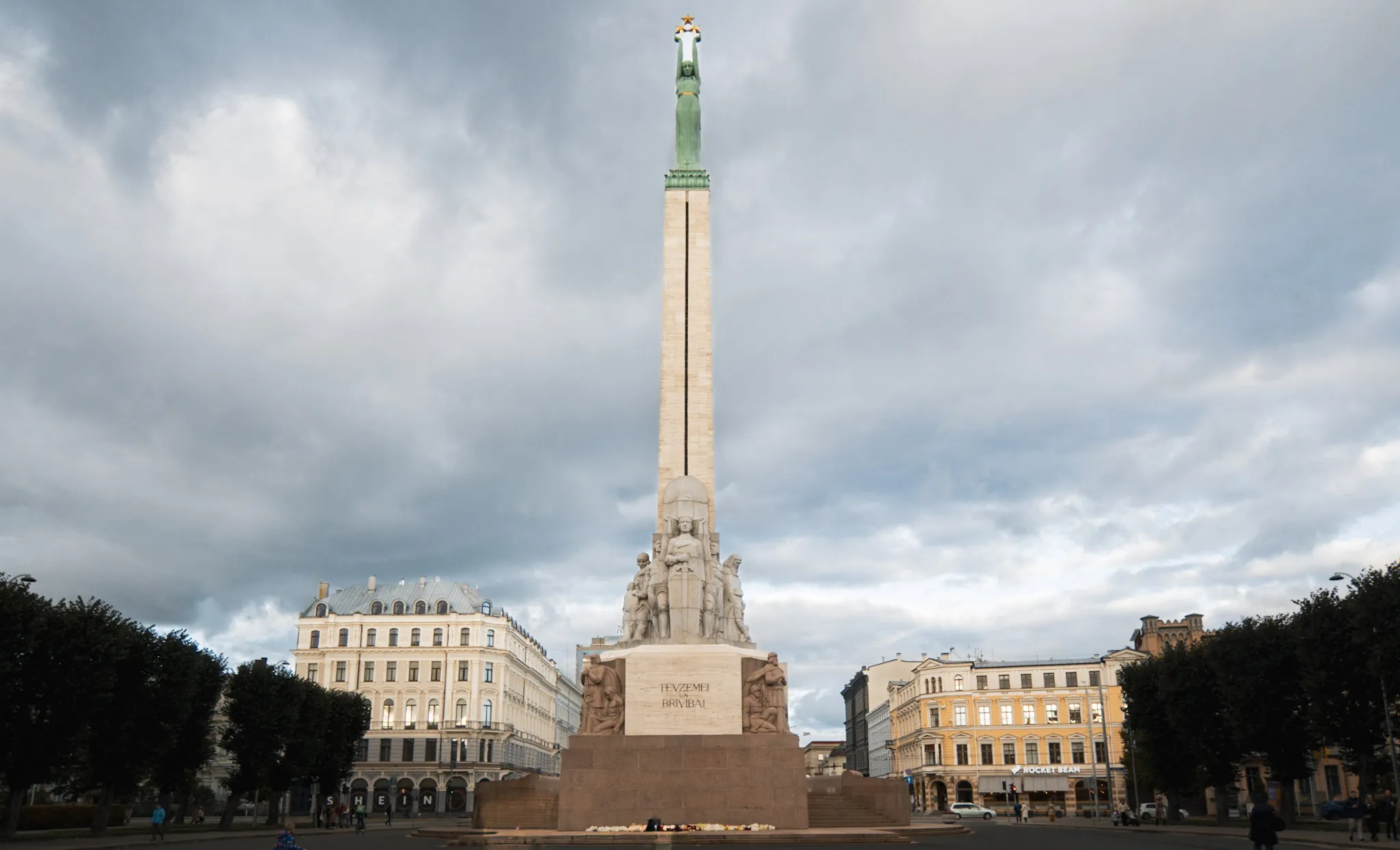
Riga is the bigger one. It’s the largest city in the Baltics, more cosmopolitan, busier and in places polished that make it feel like a capital.. It also has that post-Soviet industrial edge in other spots, which some people love and some find a bit rough around the edges.
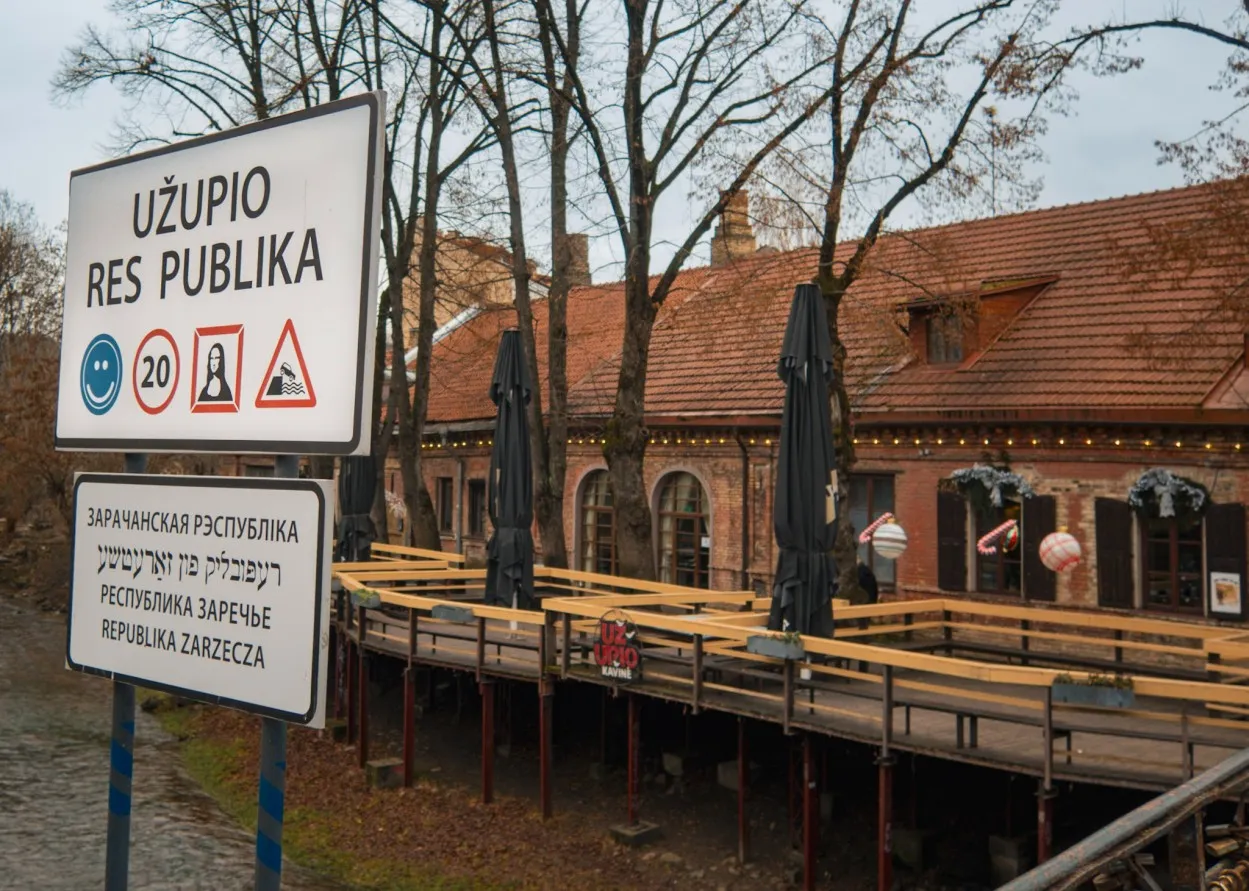
Vilnius is smaller and more relaxed. It has a real bohemian reputation, loads of street art and then there’s Užupis, the self-declared artists’ “republic” tucked into the Old Town across the little Vilnia river. It has its own tongue-in-cheek constitution (translated into dozens of languages and read aloud on the street every 1 April), an angel statue and a different vibe from the rest of the city.
Verdict: Riga for energy and a big-city feel. Vilnius for a mellow, creative, wander and linger mood.
RELATED: Best Things To Do In Uzupis Vilnius →
Food & Drink
Riga does hearty Latvian comfort food really well: potato salads, dumplings, schnitzel-style pork, rye bread, the lot. The absolute must-visit is the Central Market, housed in five former Zeppelin hangars right by the station. It’s one of the largest markets in Europe, draws around 80,000 shoppers a day, and it’s a brilliant, cheap, local place to graze. The coffee (KALVE Roasters) and craft beer (Labietis) scenes are strong too.
RELATED: 11 Latvian Foods You Need To Try →

Vilnius is where I think the food is leaps ahead. The café culture is excellent, its quietly building a reputation as one of the best coffee and café cities in the Baltics, the comfort food is delicious (cepelinai, the stuffed potato dumplings; kibinai, the savoury pastries; and šaltibarščiai, the neon-pink cold beet soup you have to try at least once), and the contemporary restaurant scene has exploded. The Michelin Guide flat-out calls Vilnius “the leading gastronomic destination in the Baltic States”: of the 44 Lithuanian restaurants in the 2026 Guide, 31 are in Vilnius, including all of the country’s Michelin-starred restaurants (Demo, Džiaugsmas, Nineteen18, Deep Roots, plus Red Brick just outside the city) and a stack of good-value Bib Gourmand spots like 14Horses and Gaspar’s. Just note that’s a mix of full stars and “selected” and Bib Gourmand recommendations, not 20-plus Michelin starred places.
RELATED: Traditional Lithuanian Food: 15 Best (and Weirdest) Dishes to Try →

Verdict: Vilnius for café culture and the more exciting modern dining scene.
RELATED: 6 Best Cafes In Vilnius →
Nightlife
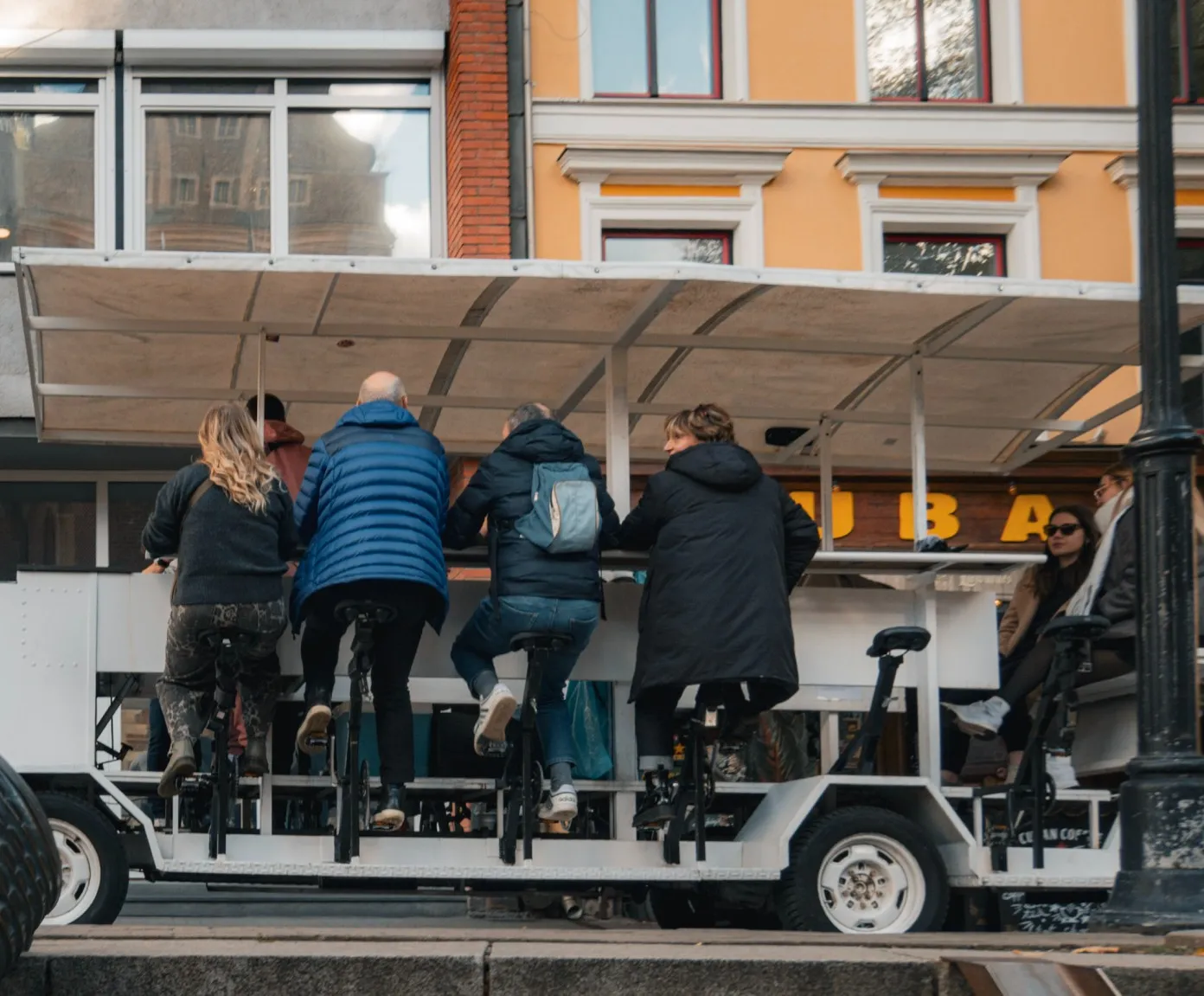
Riga has a reputation as a stag- and hen-party magnet, and it’s earned. The club district in the Old Town is compact and walkable, busy from roughly Wednesday to Saturday, and it can feel touristy and a bit pricey in the thick of it. There are many shot bars with 20 shots for €12 and every few hours you’ll see a beer bus go by. If you want a big, boozy, easy night out, you’ll find it in Riga. If stag dos aren’t your thing, it can be a bit much and it’s worth being choosy about bars (there are a few known overcharging traps around the main party streets).
Vilnius has a smaller scene driven a lot by the student population, centred on the “nightlife triangle” of Vilniaus, Islandijos and Vokiečių streets. It feels more local and less packaged. Šnekutis (Šv. Mikalojaus g. 15, with other branches) is still going strong as the classic no-frills spot for cheap Lithuanian beer and hearty food. Pink Poodle (Vilniaus g. 23), which opened in 2024, is the newer, funkier cocktail bar option if you want something a bit more polished, complete with a giant pink poodle on the wall and cocktails topped with candy floss.

Verdict: Riga for a full-on party. Vilnius for a more relaxed, local, student-flavoured night. This is a big part of why I lean towards Vilnius.
RELATED: Where To Stay In Riga: 6 Area Guide →
Cost
This is one of the clearer differentiators: Vilnius is consistently the cheapest of the three Baltic capitals. Accommodation in particular tends to be noticeably better value in Vilnius, and unlike in some cities you don’t pay a steep premium to stay inside the Old Town itself. While Riga is not expensive, I did find their bars and restaurants much more expensive than Vilnius. Where each meal averaged €12 -15 in Vilnius, we were finding it to be around €20 in the Riga.
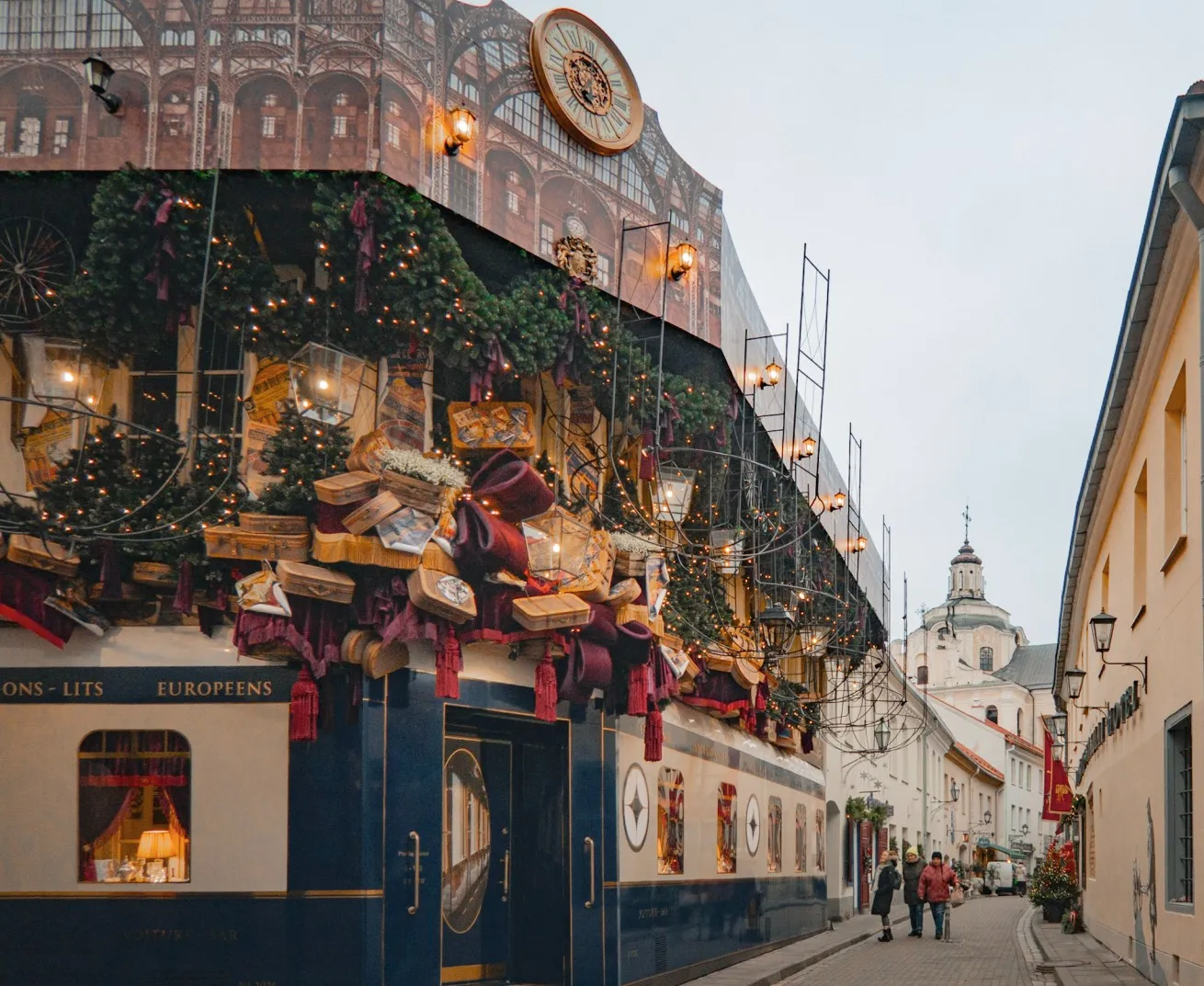
RELATED: Where To Stay In Vilnius | An Honest Area By Area Guide →
Day Trips
This is where Riga flexes. You’ve got Jūrmala, the seaside resort town with its long sandy beach, about half an hour away by train. There are the Ķemeri bog boardwalks for a gorgeous, slightly otherworldly nature walk. And there’s Sigulda, with castles and forest trails. Best of all, you can reach these on public transport without much fuss.
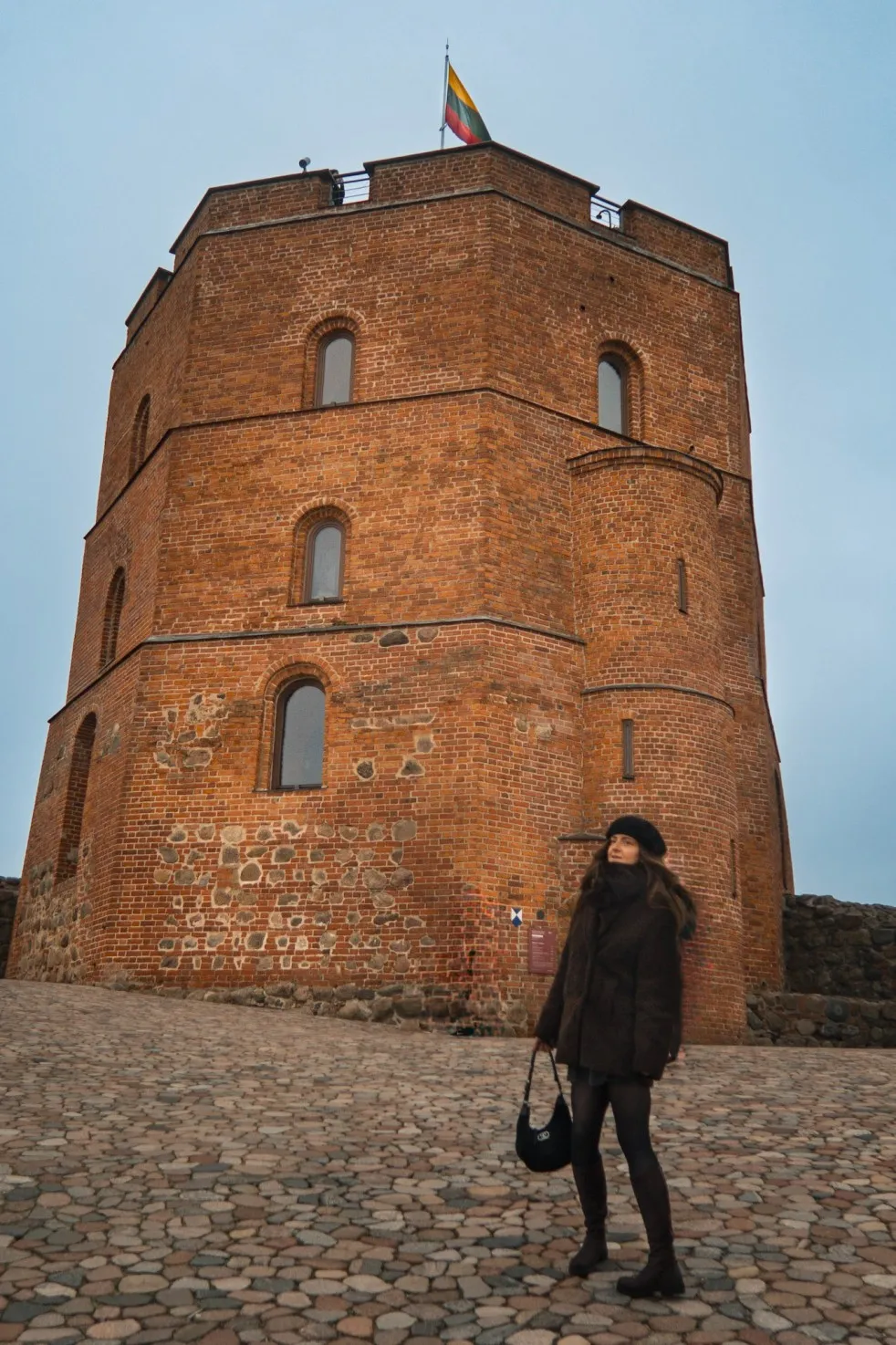
Vilnius’s standout day trip is Trakai, a red-brick island castle in the middle of a lake, about half an hour away by train or bus, and one of the most photogenic short trips in the Baltics. Beyond Trakai, most other Vilnius day trips (like the Hill of Crosses) need a car or organized tour to be practical.
Verdict: Riga for variety and ease of day trips. Vilnius for one genuinely special castle.
Safety
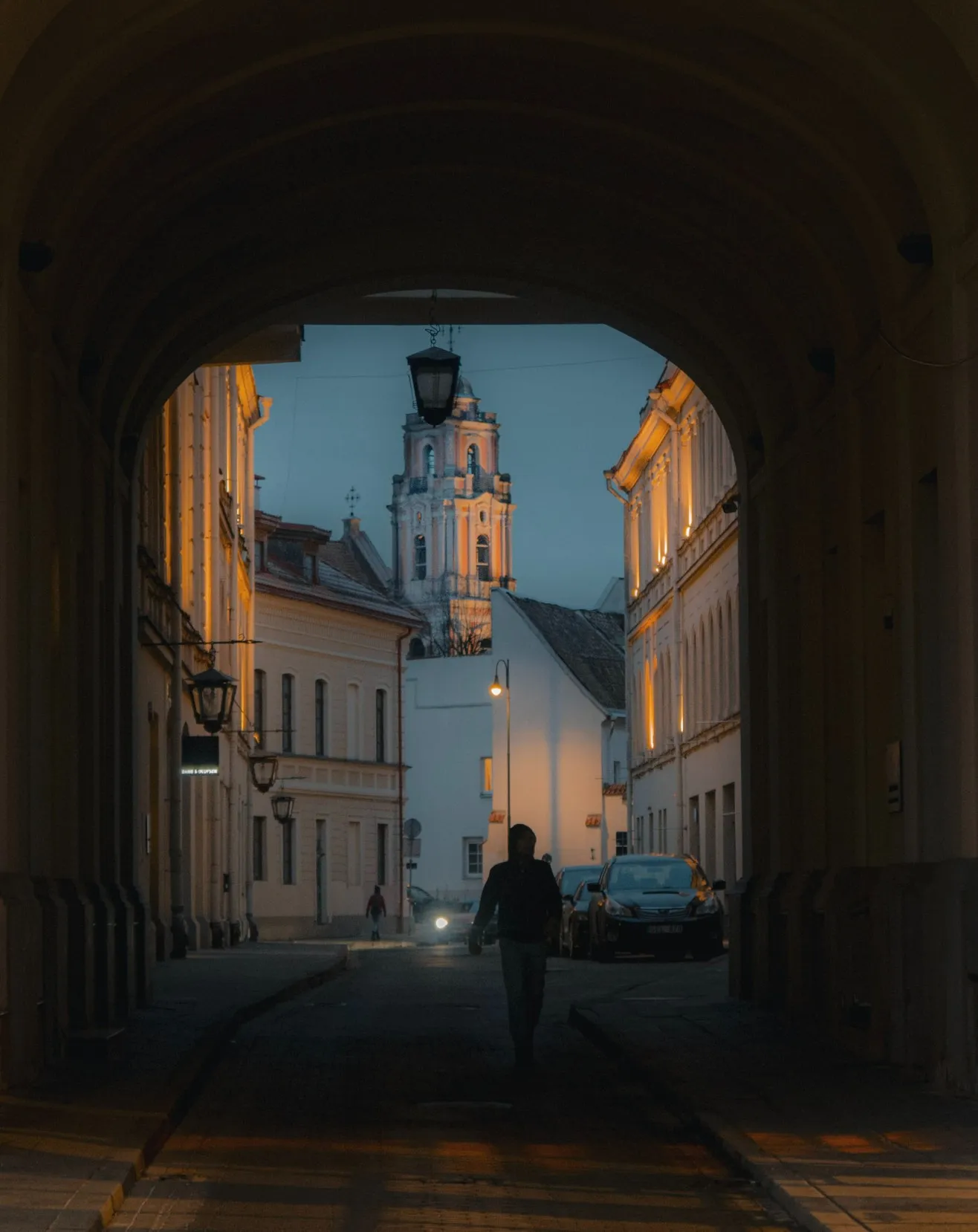
Both cities are very safe for tourists, and both score well on the usual safety indexes. Violent crime is rare in both, and the main thing to watch for is petty stuff: pickpocketing in crowded spots (markets, Old Town, transport hubs) and the odd overcharging scam in tourist-trap bars. In Riga, keep your wits about you around the Central Market, the central train and bus stations, and the Maskavas Forštate (Moscow district) after dark, and be aware the Old Town nightlife can get rowdy late at night. In Vilnius, the same common-sense rules apply, with the Old Town, Cathedral Square and Gediminas Avenue busy and well-lit into the evening. Use official taxis or the Bolt app rather than random cabs in both cities.
I found Riga to feel less safe than Vilnius. I walked both at night, I noticed Riga there’s a lot of drunk men on streets, especially around the train station. I didn’t notice this at all in Vilnius, I didn’t have the same cautiousness I did in Riga.
Verdict: Both very safe. A slight nod to Vilnius on the “feels calm and low-key” front, but you’ll be fine in either.
How To Travel Between Vilnius + Riga
If you’re doing both, the journey is part of the calculation:
- Train: There’s a direct daily train run by LTG, it takes just under 4 hours and costs a fixed €24 in second class (€34 in first, which throws in a little more leg room, water, a hot drink and a brownie). It’s a comfortable modern train with free wifi, and it currently leaves Vilnius at 07:05, arriving Riga 11:04, then heads back to Vilnius from Riga at 16:55. It only runs once a day each way, so you have to plan around the timing.
- Bus: This is the most popular option. Buses run many times a day, take around 4 to 4.5 hours, and cost roughly €13 to €25 (cheaper if you book ahead). You can compare the different buses and costs on Omio.
- Flight: airBaltic flies the route in about 50 minutes of actual flying time, 3 to 4 times a day, but once you add airport faff on both ends it’s not really faster door to door, and it usually costs more.
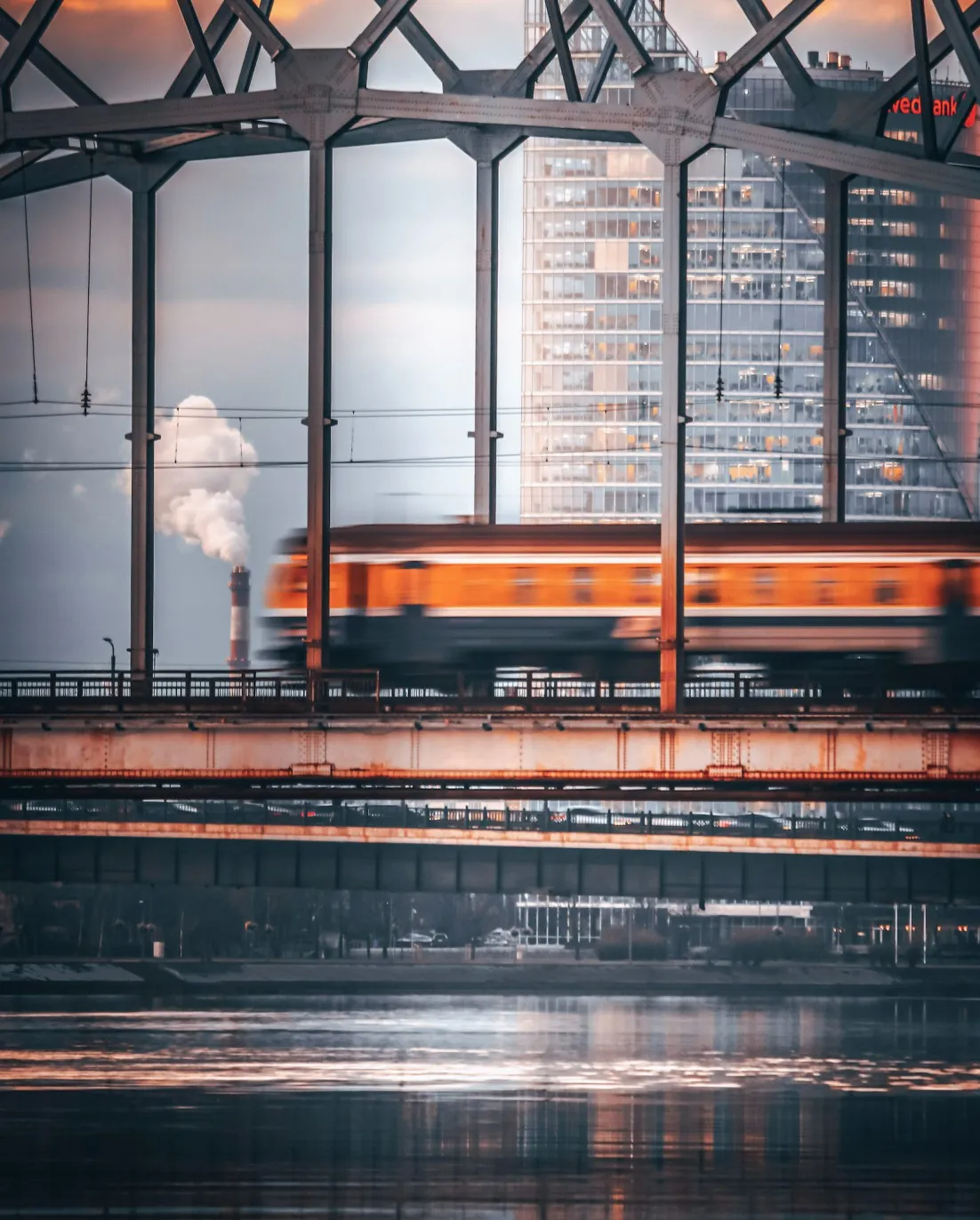
Verdict:Take the bus for flexibility and frequency, or the train if the once-a-day timing suits you. Skip the flight unless it’s dirt cheap.
Best Time To Visit
The Baltics have a continental climate, which means big swings between seasons and a dramatic difference in daylight. This matters more here than in a lot of Europe, so it’s worth thinking about.
Summer (June–August) experiences the best weather July is the warmest month, with daytime highs around 22–24°C in both cities and long, long days. Around midsummer you get roughly 17 hours of daylight in Vilnius, it barely gets fully dark. It’s also peak season, so the Old Towns get busy and prices climb and July is the wettest month too (around 80mm of rain), so pack a light jacket. If you want warmth and buzz, this is it.
Spring and autumn (roughly May and September) are the smart shoulder-season picks. You get comfortable temperatures, thinner crowds and better accommodation prices without the summer premium.
Winter (December–February) is cold, snowy, and dark, with only around 7 hours of daylight in the depths of it and temperatures often below freezing (January averages hover around –5°C in Vilnius). December is gloomy on the sunshine front. But winter has its own magic: both cities do lovely Christmas markets, and Vilnius in particular is famous for its spectacular Christmas tree on Cathedral Square, regularly voted one of the prettiest in Europe. Just pack serious layers and boots with grip, because those cobblestones turn to ice.
RELATED: Vilnius Christmas Market Guide →
On the events front: Riga’s biggest is Jāņi / Līgo (Midsummer), celebrated on 23–24 June with bonfires, flower and oak-leaf crowns, caraway cheese and folk singing that runs all night, with big city-run celebrations on Riga’s hills like Mežaparks and Grīziņkalns. It’s the most Latvian thing you can possibly witness, though be aware the whole country basically empties into the countryside for it and a lot of businesses shut. Riga also throws its Song and Dance Celebration in early July in some years, which floods the city with tens of thousands of singers. Vilnius has a packed calendar too, including the huge Kaziukas (St. Casimir’s) craft fair in early March (one of Europe’s oldest artisan markets, spilling for kilometres along the Old Town streets), Midsummer, the Vilnius City Fiesta / Capital Days on the first weekend of September, Culture Night in June, and those famous Christmas festivities.
Verdict: Both cities are best from late May to early September. Go in May or September for the best balance of weather, value and elbow room. Go in December for the Christmas magic if you don’t mind the cold and dark.
Getting There
Riga International Airport (RIX) is the biggest and best-connected airport in the Baltics, flying to around 95 destinations with airBaltic as the home carrier, plus Ryanair and others. It’s about 10km from the city centre (roughly 20 minutes by car, or bus 22 into town). This is a genuine tick in Riga’s column: it’s often the easiest and cheapest of the three capitals to fly into, and it’s a natural hub if you’re combining Baltic cities.
Vilnius Airport (VNO) is smaller but still well connected, serving around 58 destinations on airlines like airBaltic, Ryanair and Wizz Air. It sits only a few km south of the centre and is quick to reach (bus 88, a short train ride, or a cheap Bolt).
Verdict: Riga has the clear edge on flight connections. Vilnius is still easy, especially from major European hubs and low-cost carriers.
Where To Stay
In Riga, first-timers should aim for the Old Town (Vecrīga) or the streets just on its edge (Centrs), which give you the atmosphere and walkability without being right in the loudest party zone. The Quiet Centre / Art Nouveau district is a gorgeous, more refined, slightly calmer base and still an easy 10–15 minute walk in, often with better-value rooms. Āgenskalns, across the river, is good for a more local, residential feel. Avoid booking right on the noisiest Old Town squares if you’re a light sleeper (stag-party racket at weekends), and the immediate area around the station/market can feel a bit rough at night.
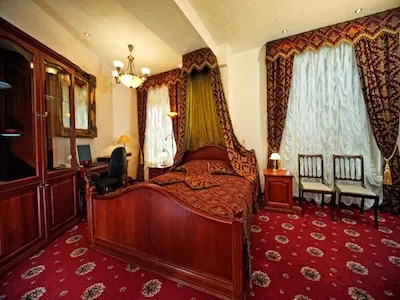
Best Hotels In Riga Old Town

In Vilnius, the Old Town (Senamiestis) is the obvious first-timer base, compact and walkable to everything (base yourself near Cathedral Square if you’re not doing day trips, or near Aušros Vartų if you want quick access to the bus and train stations). Užupis is brilliant if you want the arty, bohemian vibe and don’t mind slightly fewer hotels. Naujamiestis (New Town) is good for value and a trendier, more local scene.
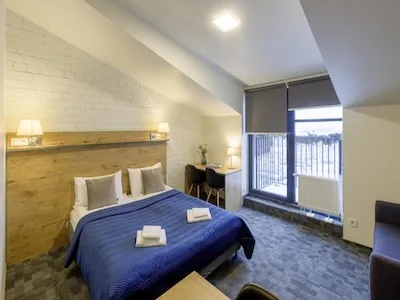
Best Hotels In Vilnius


Language
You’ll be absolutely fine in English in both cities. Younger people, hotel and restaurant staff, and pretty much everyone in the tourist areas speak good English, and menus and signs are widely translated. Older locals may speak less, especially over 60, but you’re very unlikely to hit a real communication wall in either capital.
Money & daily budget
Both are in the eurozone, so no currency faff (and both are in the Schengen area). For a mid-range trip, budget roughly €80–120 a day per person for a comfortable hotel room, restaurant meals, attractions and the odd taxi. You can do it a lot cheaper on a hostel-and-street-food budget (think €55 or so a day), and a lot more if you want fine dining and boutique hotels. Vilnius usually stretches your money slightly further, especially on accommodation. One small tip for both: buy public transport tickets from kiosks rather than the driver to save a few cents, and always validate them, because inspectors are strict.
So, Which One Do I Prefer?
Neither city is objectively “better” it just depends on your wants. Riga gives you more sights, stronger nightlife, and unique architecture you won’t find anywhere else nearby. Vilnius gives you a quieter pace, a bigger Old Town to lose yourself in, better value, and one excellent day trip in Trakai.
My personal favourite is Vilnius. I found it had an edge over Riga with the street art and bohemian vibes. The food quality was better and although Riga is known for its nightlife I much preferred the nights in Vilnius, which has less stags. I could live in Vilnius
Vilnius or Riga Recommendations
- If you can only pick one and it’s your first-ever Baltic trip: go with Riga. It’s the bigger, more central all-rounder, has the easiest and cheapest flights, and the day trips (Jūrmala, Ķemeri, Sigulda) are reachable without a car. It’s the low-risk crowd-pleaser.
- If your trip is about food, atmosphere, value and slow wandering: go with Vilnius. This is my pick, and it’s the one to choose if the idea of a stag-party-heavy nightlife scene puts you off.
- If you have four days or more: do both. Fly into Riga (better connections), spend 2–3 days, take the bus or the direct train to Vilnius (about 4 hours), spend 2–3 days there, and fly home from VNO. This “open-jaw” routing avoids backtracking.
- When to book what: For summer or Christmas-market travel, book hotels 2–4 weeks ahead (more for Kaziukas Fair in early March or Midsummer, when Vilnius and Riga fill up fast). For the direct train, book ahead because it only runs once a day; buses you can be more relaxed about.
- Benchmarks that would change my advice: If you find a Vilnius flight noticeably cheaper or more convenient than Riga from your home airport, that alone can flip the “which one first” decision, since the cities themselves are so close in quality and price. And if you’re travelling in deep winter (December–February) purely for atmosphere, Vilnius’s Christmas tree and market tip the scales its way.