Taipei is, to me, the most underrated city in Asia. Not the obvious recommendation, not the one that tends to be on travellers’ bucket lists, but it is the one that I keep going back to. It was also the only city in East Asia I could see myself settling down in. As a full-time traveller, this is not something I typically feel. Part of it was the routine.
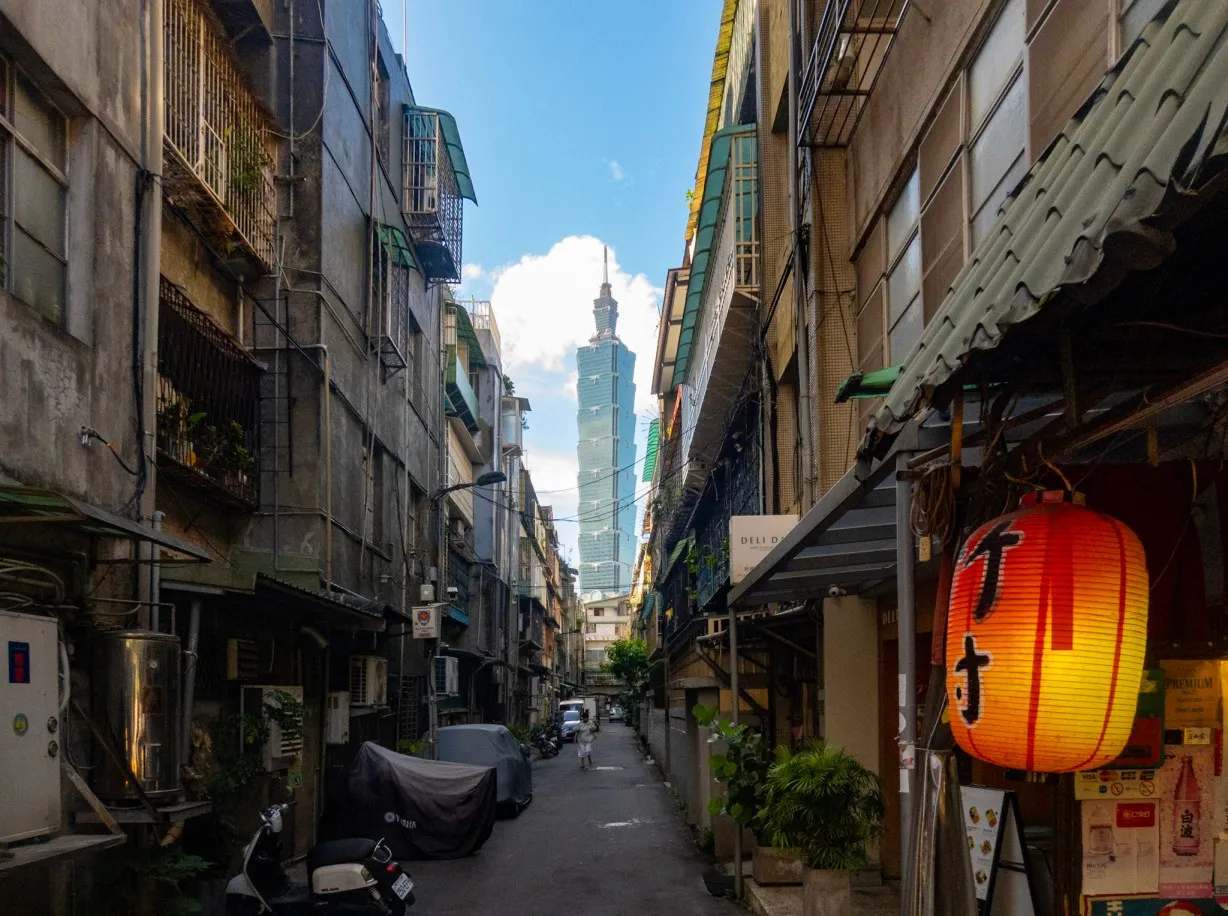
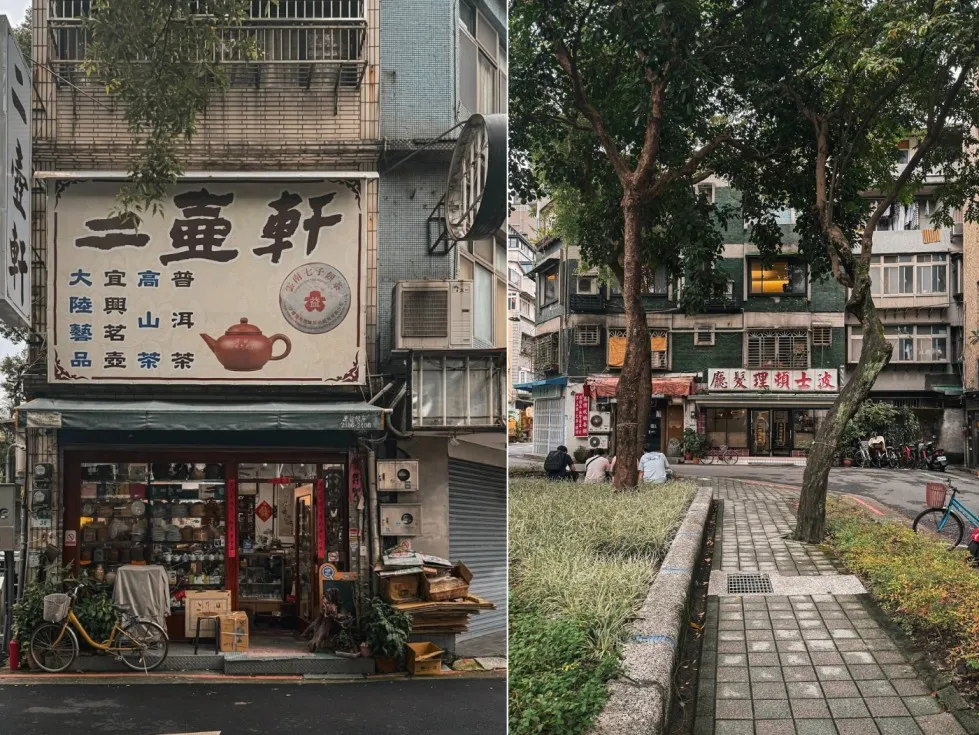
pancake in one hand, I’d set off on my usual morning walks just before the humidity sets in, on foot because Taipei has so many cool little streets to stumble upon. Like Yongkang, named the 4th coolest street in the world. The long queues outside Jiaxiang Soy Milk Shop (家香豆漿店), the beeps of scooters at the red lights, the grey of the city softened by the plants spilling out of every alley and the colour of the old shopfronts. I’d normally end up on Wuxing Street where the morning market would be in full swing, before grabbing a coffee from Ogawa Cafe for the walk back.
This Taipei travel guide is what I’d tell a friend planning their first trip. When to go, what it costs, how long to stay and where to stay.
First time visiting Taiwan? Read my Taiwan travel guide for all the essential information you need to plan your trip.
Taipei Essentials
The bits worth knowing first.
The best months for Taipei are October, November, and April. Daytime temperatures sit in the low to mid 20s, the humidity drops to something a Mediterranean visitor would actually recognise as comfortable, and you get long stretches of clear blue sky over the Tamsui river. Evenings are warm enough to walk the night markets in a t-shirt and cool enough that the soup at the beef noodle counter starts to feel like a good idea again.
October has its own pull. The summer heat finally breaks, the skies clear after the last typhoons of September pass through, and the surrounding mountains turn properly photogenic. Yangmingshan, Maokong, and the Pingxi line all look their best from late October into early December. Note that the Double Ten holiday on the tenth of October fills the city with domestic visitors, and hotel rates spike for that long weekend.
May to September is the difficult half of the year. June and July push 33–35°C with brutal humidity, August is peak typhoon season, and the so-called plum rains can shut down outdoor plans for days on end in May. Winter is mild on paper, with January and February averaging around 16°C, but the city gets a damp grey drizzle that lingers for weeks. The hot springs in Beitou and the steamy night markets are at their best in this weather, but if you came for hiking and rooftop bars you’ll want to come back. If it rains during your time in Taipei there are still many things to do. My Taipei on a rainy day guide has 15 indoor activities to keep you dry.
Jan
Feb
Mar
Apr
May
Jun
Jul
Aug
Sep
Oct
Nov
Dec
Best monthsQuieter, hit and miss weatherSkip if you can
Taipei is noticeably cheaper than Tokyo or Seoul and broadly on par with Bangkok for daily costs, with hotels the main thing that has crept up in recent years. A bowl of beef noodle soup at a serious shop runs around NT$160 to NT$250, a bubble tea at a real chain like Chun Shui Tang or Tiger Sugar around NT$80, and a sit-down dinner with a Taiwan Beer or two will land somewhere between NT$600 and NT$1,200 a head. The MRT is excellent and almost insultingly cheap, with most rides under NT$40 and a day pass at NT$150.
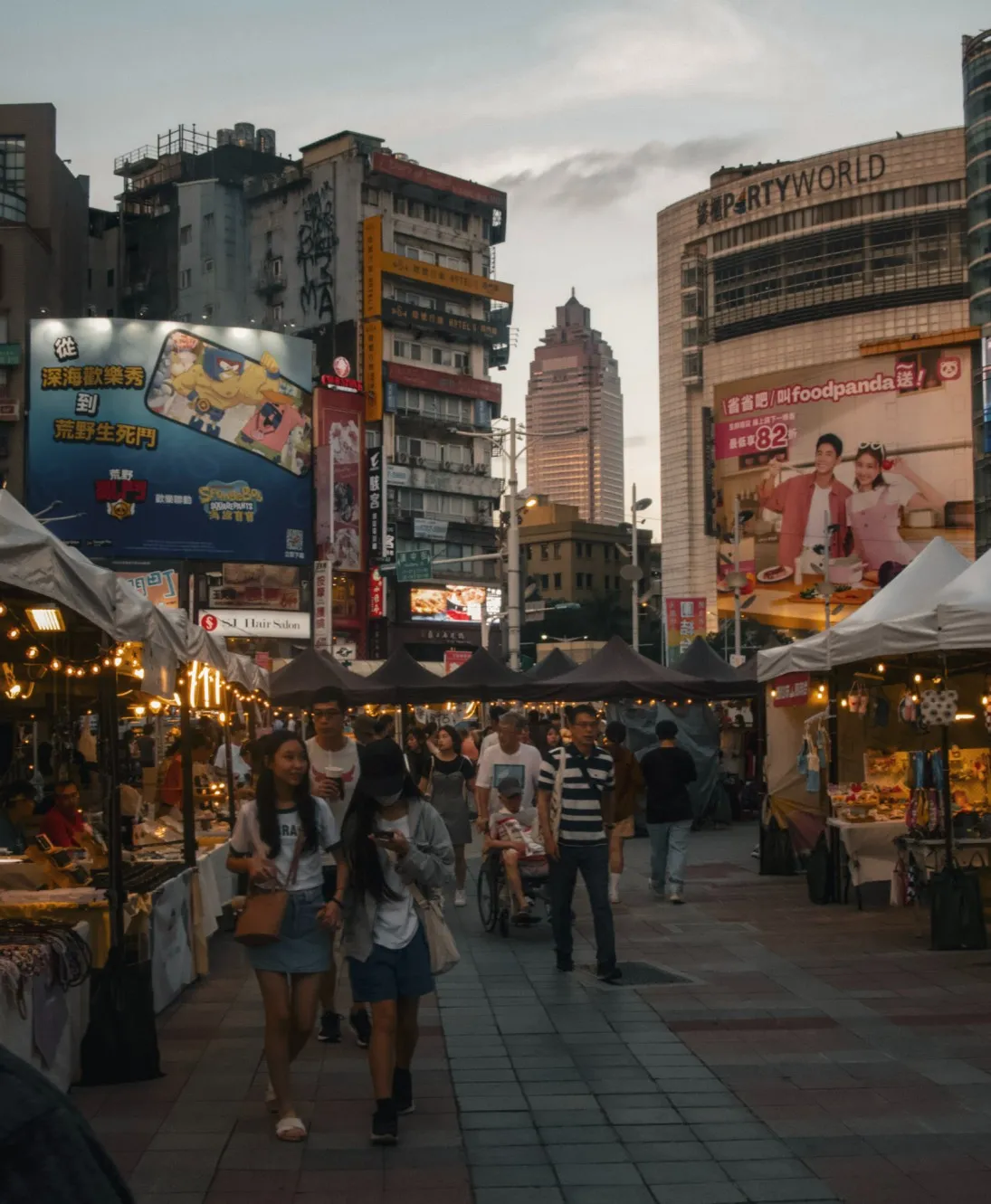
For where to stay, Ximending is the obvious first choice – central, walkable to almost everything, a five-minute taxi from Taipei Main Station, and surrounded by food until 2am. Zhongshan is calmer, with better cafes and design hotels and direct MRT access. Da’an is leafy and residential, good if you want to feel like a local for a week. Xinyi, around Taipei 101, has the skyscrapers and the malls.
NT$3,800
Per night, mid-range
Hostel or budget hotelNT$900–1,800
Three-star with breakfastNT$3,000–5,500
Design hotel in ZhongshanNT$6,000–12,000
Bowl of beef noodle soupNT$160–250
Bubble tea, decent shopNT$70–110
Lunar New Year (late January or February) and the Double Ten weekend in October push rates up sharply and book out the better hotels weeks in advance. If you can travel mid-week in November, you’ll get the best of everything.
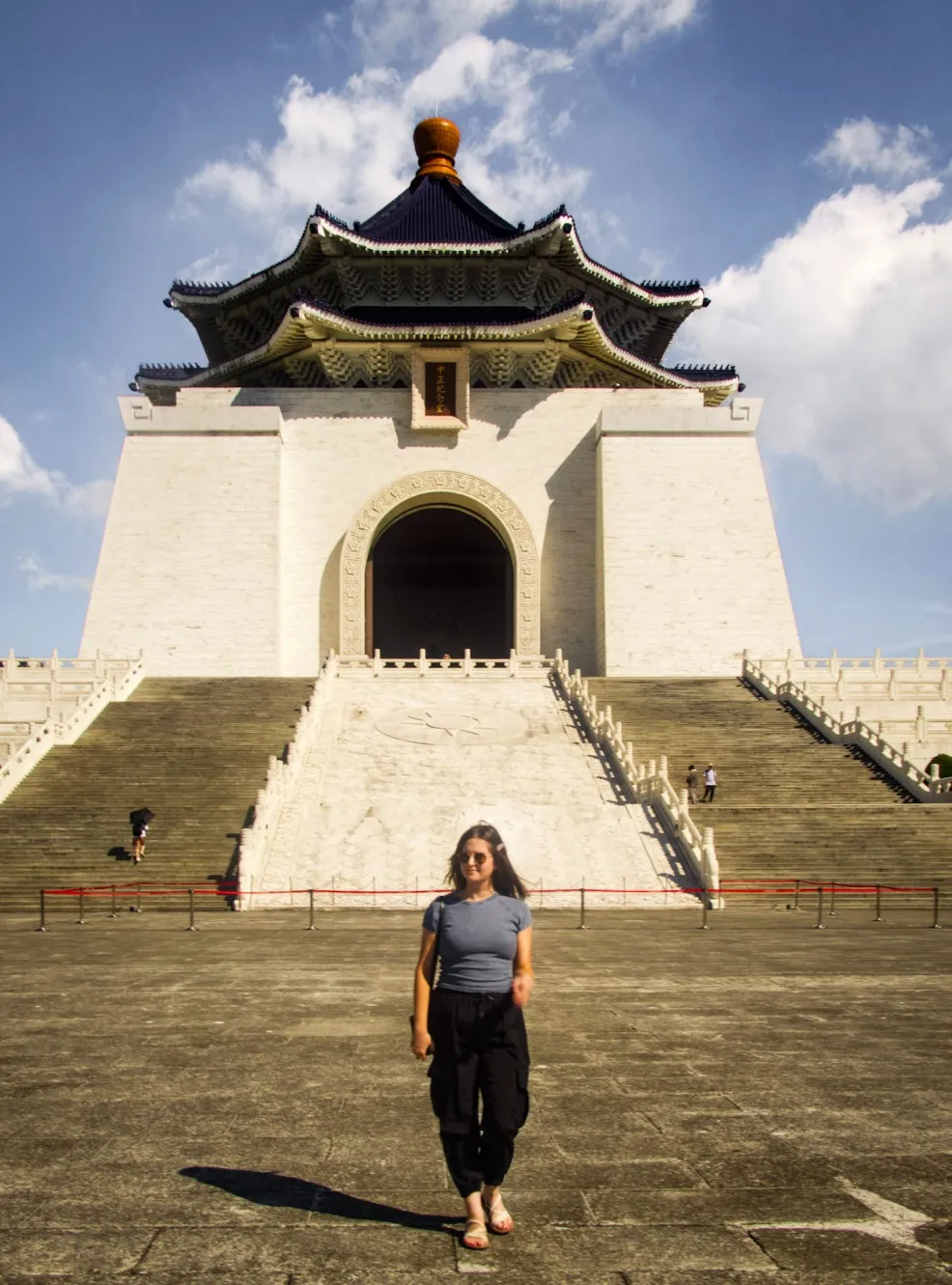
Taipei is bigger than first-time visitors expect, and the MRT does a lot of the work for you. Three full days covers the essentials: Longshan Temple and the Bopiliao lanes in the morning, Chiang Kai-shek Memorial Hall, the National Palace Museum (give it a proper half day, it deserves it), Taipei 101 and the elephant mountain hike at sunset, plus an evening each at Raohe and Shilin night markets. You’ll have eaten enough xiao long bao and sweated through enough shirts to feel you’ve earned the trip back to the hotel.
Use Taipei as a base and the north of Taiwan opens up quickly. Day four is the classic Jiufen and Pingxi line day; old gold-mining mountain village, sky lanterns over the railway tracks at Shifen, and the waterfall if you have the legs left. Day five takes you to Beitou for a hot spring soak and onward up the line to Tamsui for sunset on the river. Day six can be the Yehliu geopark and the rugged north coast, or a hike up Yangmingshan through the cloud forest. With a full week, the high-speed rail puts Hualien and the Taroko gorge within range as a long day trip, though an overnight is much better. Read my detailed 4 day Taipei itinerary and my 1 day itinerary carefully curated to ensure you see the best of the city.
1core
2core
3core
4jiufen
5beitou
6yehliu
7taroko
Solid pink is the minimum.
Taipei eats like a city that took everything passing through and made it more particular. The Hokkien base is still there in the lu rou fan and the oyster omelets, the mainland Chinese diaspora brought beef noodles and soup dumplings with them in 1949, and Japanese refinement shows up everywhere from the bento counters to the matcha cafes. A few things you really should not leave without trying. For more of Taiwanese cuisine, find the best dishes here
.
Beef Noodle SoupThe signature dish
Niu rou mian, often called Taiwan’s national dish. Beef shank slow-braised in soy, rice wine, and star anise, served over thick wheat noodles in a deep mahogany broth, with a spoonful of pickled mustard greens on the side. The annual Taipei Beef Noodle Festival is a real thing. Try Lin Dong Fang near Zhongxiao Fuxing or Yong Kang Beef Noodle in Da’an.
Xiao Long BaoThe export hit
Soup dumplings, eighteen folds at the top, a paper-thin skin holding hot broth and a pork meatball. Din Tai Fung has the global reputation and earns it, but locals will tell you Hangzhou Xiaolongbao behind CKS Memorial is just as good and half the wait. Either way, dip in black vinegar with shredded ginger.
Lu Rou FanComfort food classic
Braised pork belly, finely diced and stewed in soy sauce, rice wine, fried shallots, and five-spice, ladled over hot rice with a soft-boiled egg or a piece of pickled radish on top. The honest, everyday meal of the island. Every cheap canteen does a version, Jin Feng near CKS does the famous one.
Stinky TofuThe night market test
Chou doufu, fermented tofu deep-fried until crisp on the outside and custardy inside, served with pickled cabbage and a hit of garlic chilli. The smell is genuinely confrontational, the taste is much milder than the smell suggests, and getting past the first bite is a small rite of passage. Raohe and Shilin night markets both have legendary stalls.
Wash any of the above down with a Taiwan Beer Gold Medal, a cup of high-mountain Alishan oolong, or a glass of Kavalan whisky if you want to know why Taiwan keeps winning the world awards. All of them made within a few hours of where you’re sitting.
Where To Stay In Taipei
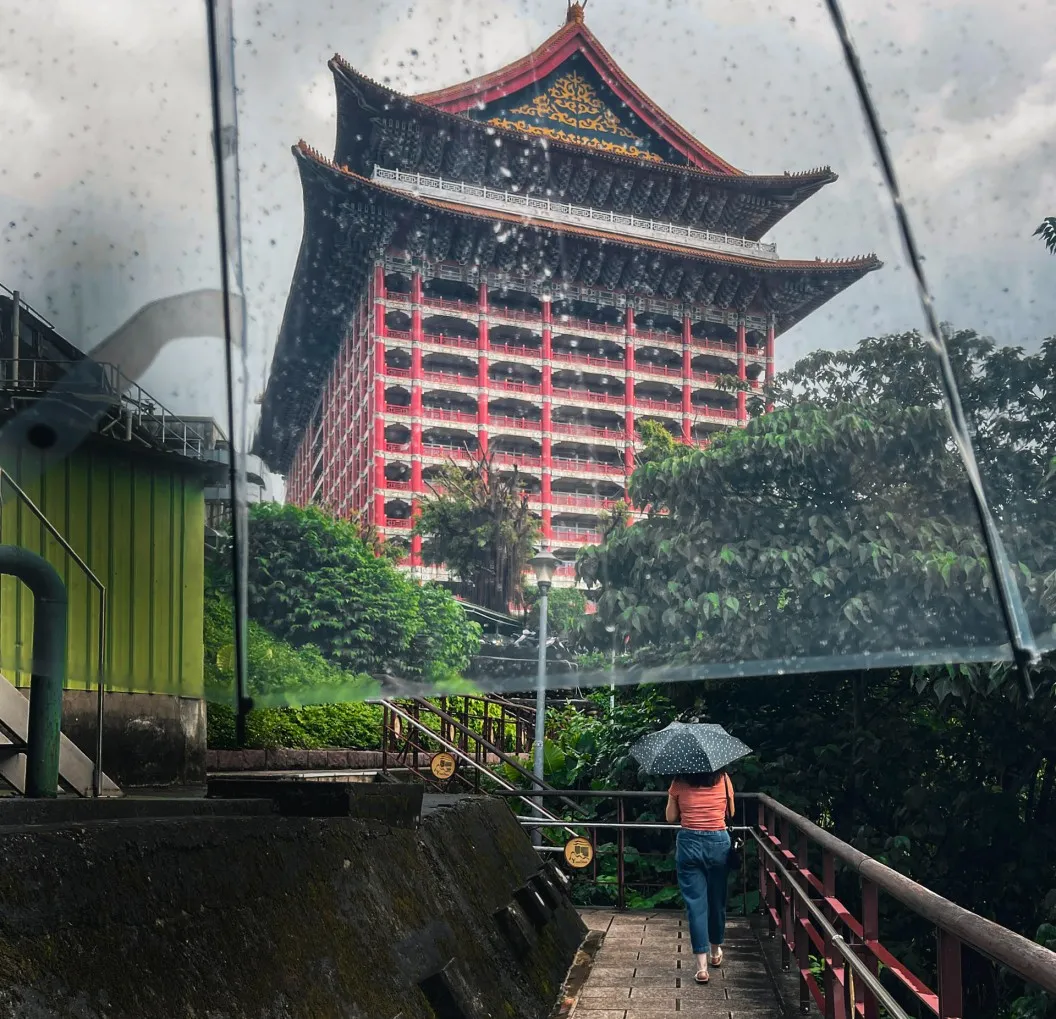
Taipei doesn’t have one centre. It’s a collection of districts and which one you pick shapes the trip more than the hotel does. Six are worth considering: Da’an for a local, leafy stay near Yongkang Street; Ximen for first-timers, cheap hotels, and walkable nightlife; Xinyi for Taipei 101 and the shopping malls; Zhongzheng for proximity to Taipei Main Station and the day trip trains; Datong for old shophouses, tea merchants and the riverside; Zhongshan for trendy / viral cafes clustered around its MRT.
The average three-star runs around NT$3,800 a night, while a five star around NT$7,800. December is the most expensive month, and July the cheapest.
Getting around Taipei is a straightforward affair as there is an excellent public transportation system. The MRT is frequent, fast, clean and inexpensive. A ride costs between NT$20 to NT$65. Purchase an EasyCard – a prepaid transport card that you can use on the MRT, buses, and some trains, it will make your life so much easier. You just tap on and off, you can also get a refund of up to NT$1,000 from information desks in MRT stations and Taoyuan Airport MRT service booth (located at exit gates).
Although there is a bus, the traffic in Taipei can be hectic that it is always more efficient to take the MRT, even if some walking is involved.
If you’re travelling outside of Taipei, this post breaks down how to get around Taiwan including the types of trains, buses and driving.
Best Things To Do In Taipei
Taipei 101 Observatory · Xinyi District
01Don’t miss
Ride to the top of Taipei 101
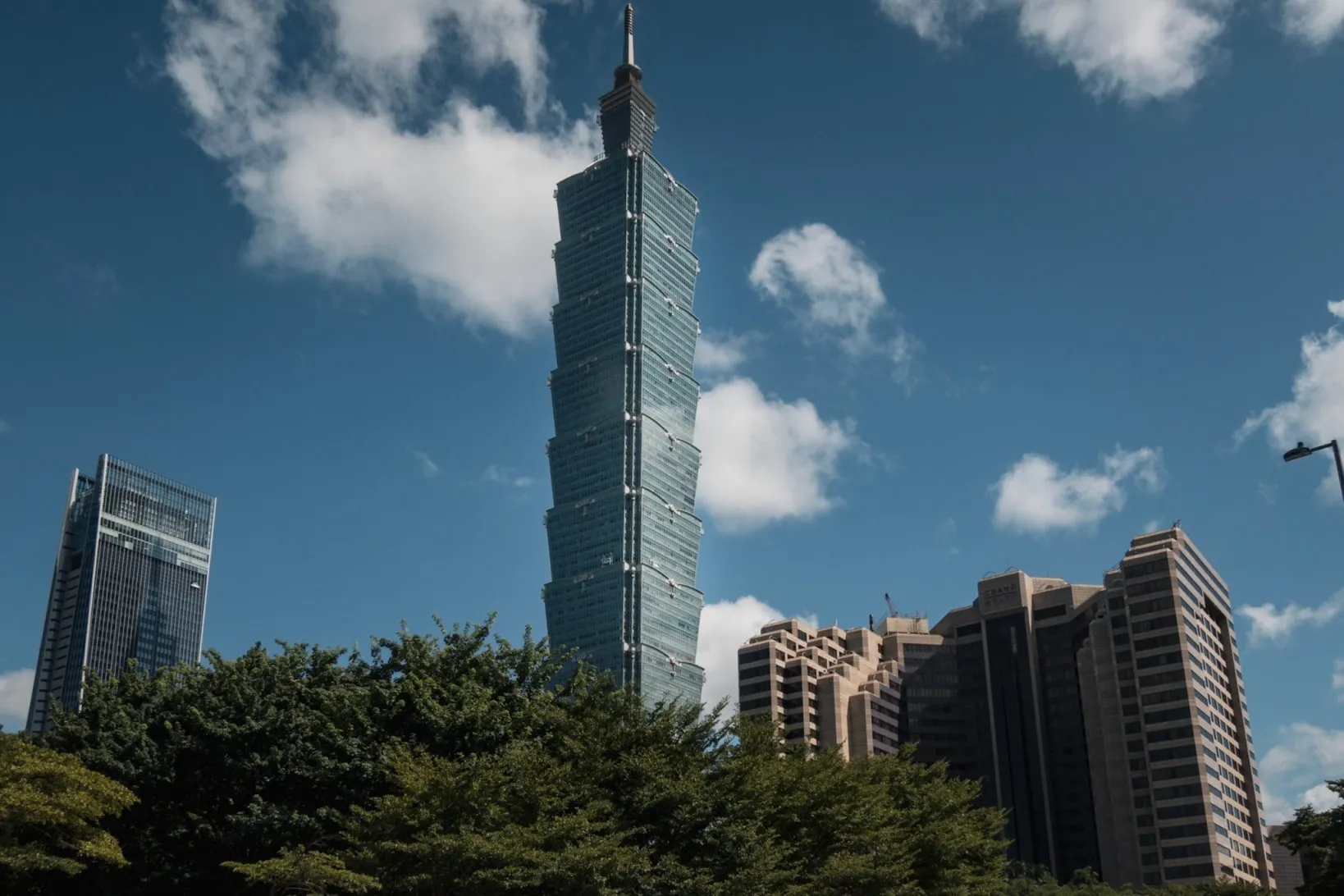
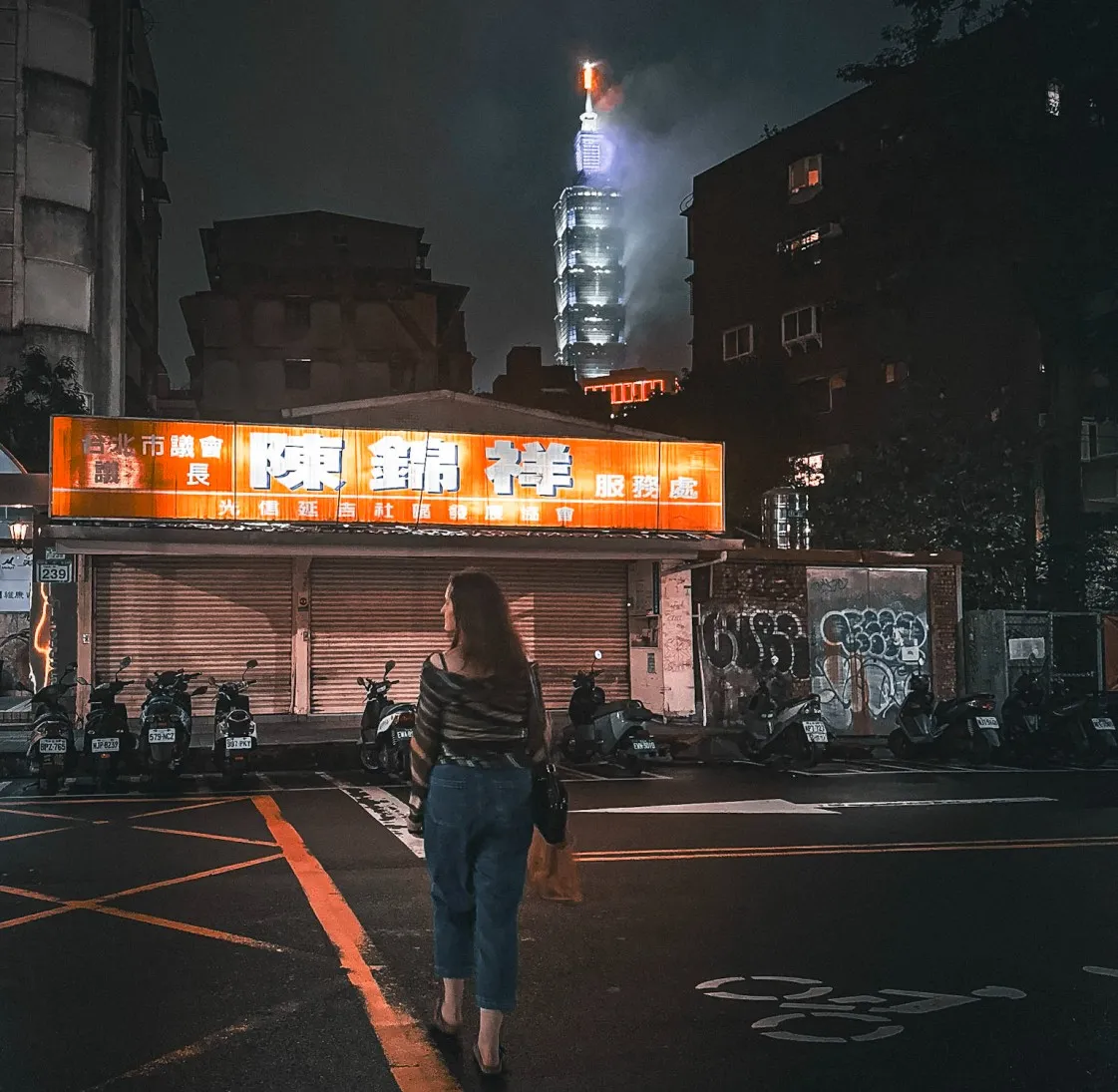
The 508-metre tower that defined the city’s skyline and held the title of world’s tallest building from 2004 until Burj Khalifa took it in 2010. The pressurised elevator runs at 60 km/h and gets you from the lobby to the 89th-floor observatory in 37 seconds, fast enough for your ears to pop twice. The real surprise is what’s hanging in the middle of the building between the 87th and 92nd floors: a 660-tonne golden steel ball called the tuned mass damper, designed to swing the opposite way to typhoons and earthquakes and keep the tower upright. You can walk a full circuit around it. Tickets around NT$600. Go an hour before sunset for blue hour photos from the outdoor deck on the 91st floor, and check the website first because they close it for high winds.
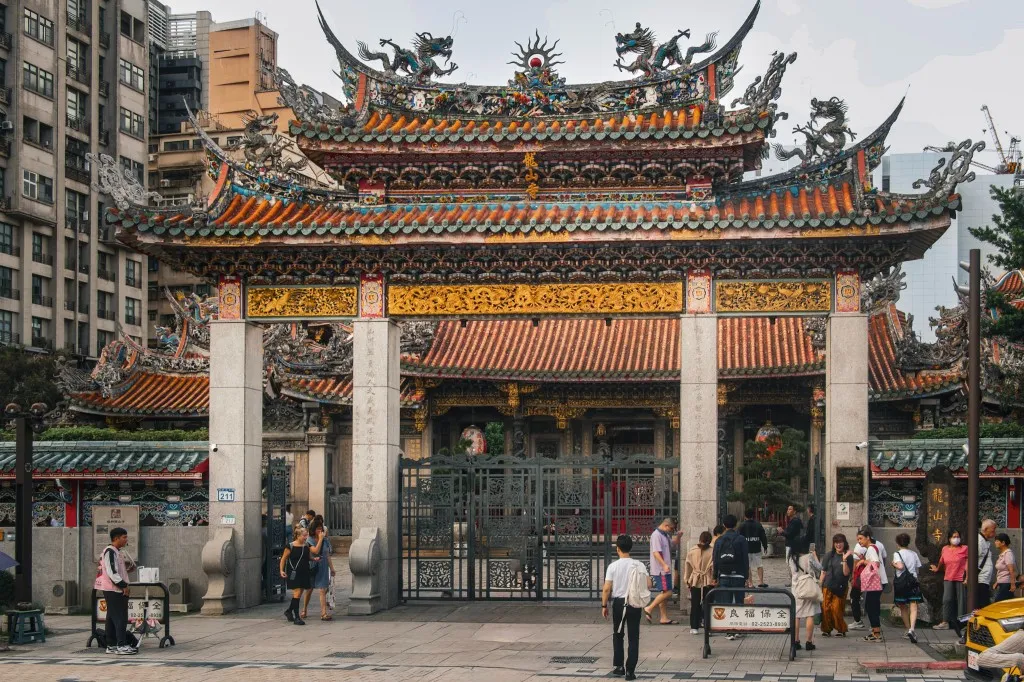
Taipei’s most atmospheric temple, built in 1738 by Hokkien settlers from Fujian who arrived in the Wanhua district looking for work and brought their gods with them. The main hall is dedicated to Guanyin, the goddess of mercy, but the back hall is a polytheist’s dream with over a hundred deities covering everything from exam results to safe childbirth to finding a husband. The temple has been levelled three times in its history, by earthquake, fire, and American bombs in 1945, and rebuilt every time. Free to enter. Go at dusk when the locals come to chant evening prayers and the air thickens with incense. Two minutes’ walk from Longshan Temple MRT, and worth lingering for thirty minutes longer than you think.
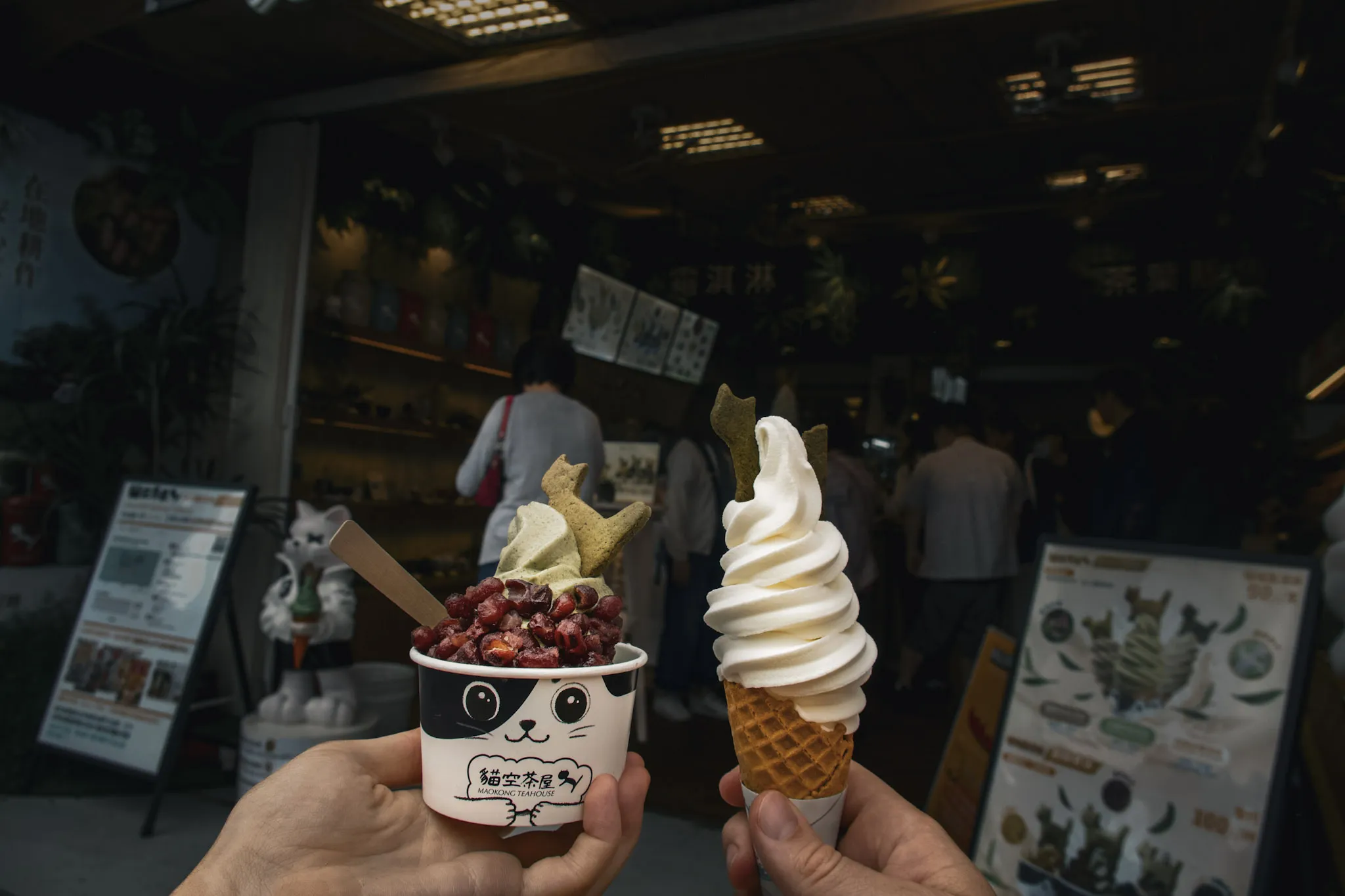
A 4km cable car that climbs from Taipei Zoo MRT into the tea plantations of Maokong on the southern edge of the city. The journey takes 25 minutes with one direction change at the top, the cabin sways gently the whole way, and a few of the cars have a glass floor if you’re brave enough to ask for the Crystal Cabin at the bottom (it’s the same price, you just queue separately). At the top there’s a network of footpaths through tea fields and a couple of dozen old wooden tea houses serving Tieguanyin, the dark roasted oolong this hill is famous for. Order a pot, a small plate of dried tofu, and watch the sun set over Taipei from the terrace at Yao Yue Tea House. Round trip is around NT$240, closed Mondays. Easily a half-day, longer if you find a good seat.
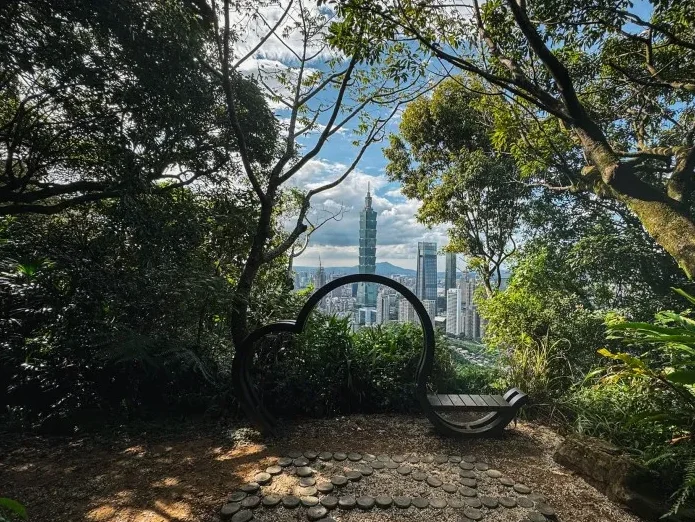
The 183-metre hill in the south of the city that gives you the postcard photo of Taipei 101 from a quarter mile away, lit up against the sunset. The full name is Xiangshan, the trail starts directly behind Xiangshan MRT, and you climb 600 stone steps to the top in around 20 minutes if you’re fit, 40 if you’re sensible. The famous photo spot is the Six Giant Rocks at the first viewing platform, which gets shoulder to shoulder around 30 minutes before sundown, especially on weekends. Push past it to the second or third platform and you’ll have most of the view to yourself. Bring water and a torch for the way down. Free, open all hours, and one of the few hikes in Taipei you can do straight after dinner in your normal shoes.
Raohe Night Market · Songshan
05Bucket list
Eat your way down Raohe Night Market
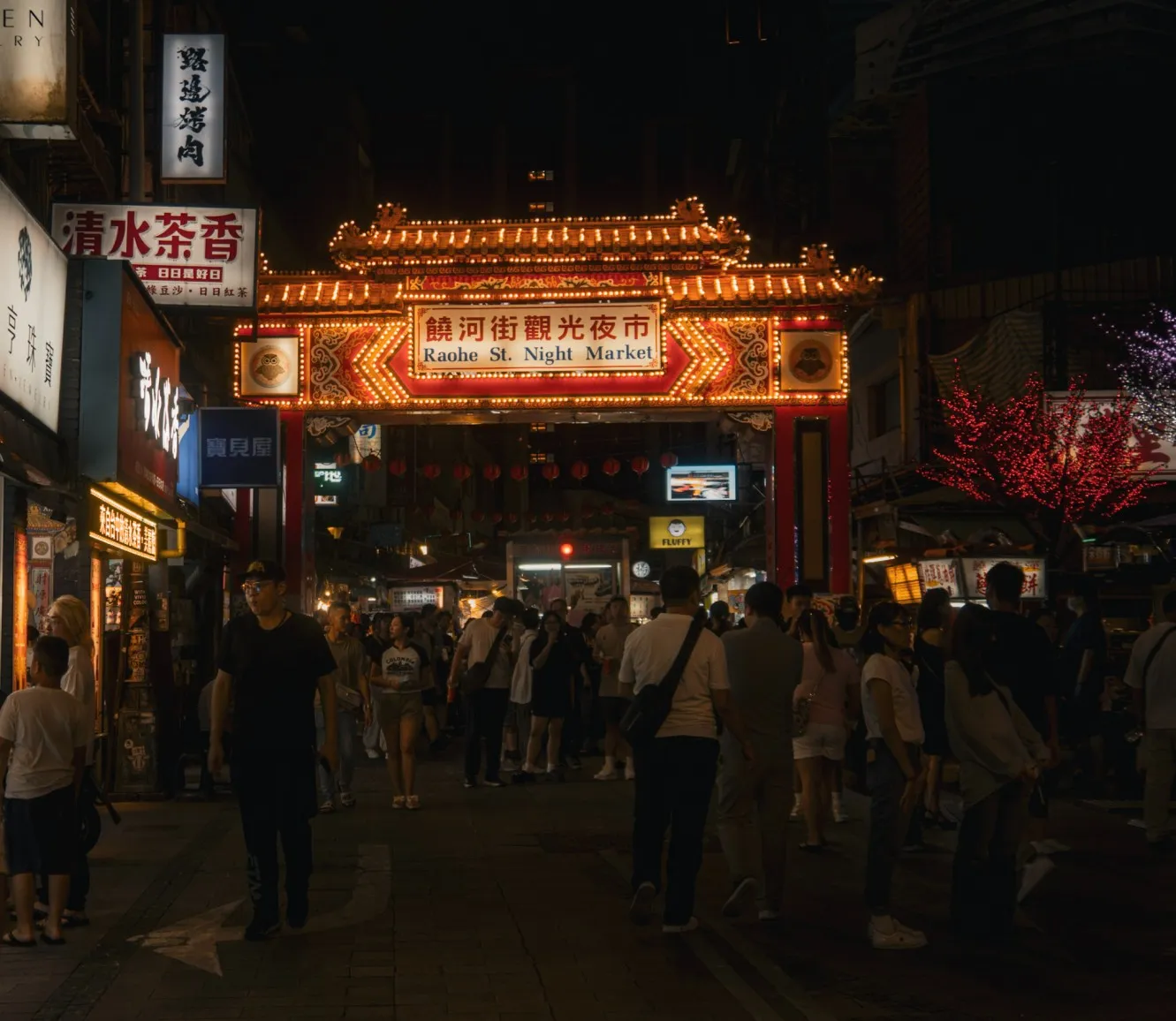
The night market locals send their visiting friends to. Narrow, entirely walkable from end to end in 600 metres, which is the right length for a stomach. Enter under the giant red dragon arch at the Songshan MRT end and the very first stall on the right is Fuzhou Shizu Pepper Buns, a Michelin Bib Gourmand pick that bakes pork and spring onion buns inside a clay tandoor oven and is consistently the longest queue in the market. Worth it. Work your way down: oyster vermicelli at Dong Fa, stinky tofu at the obvious smell, mango shaved ice further along, and then the back streets for the hardware vendors selling bamboo steamers if you’ve still got room in the suitcase. Open 5pm to midnight, busiest after 8pm. Go hungry.
 First time visiting Taiwan? Read my Taiwan travel guide for all the essential information you need to plan your trip.