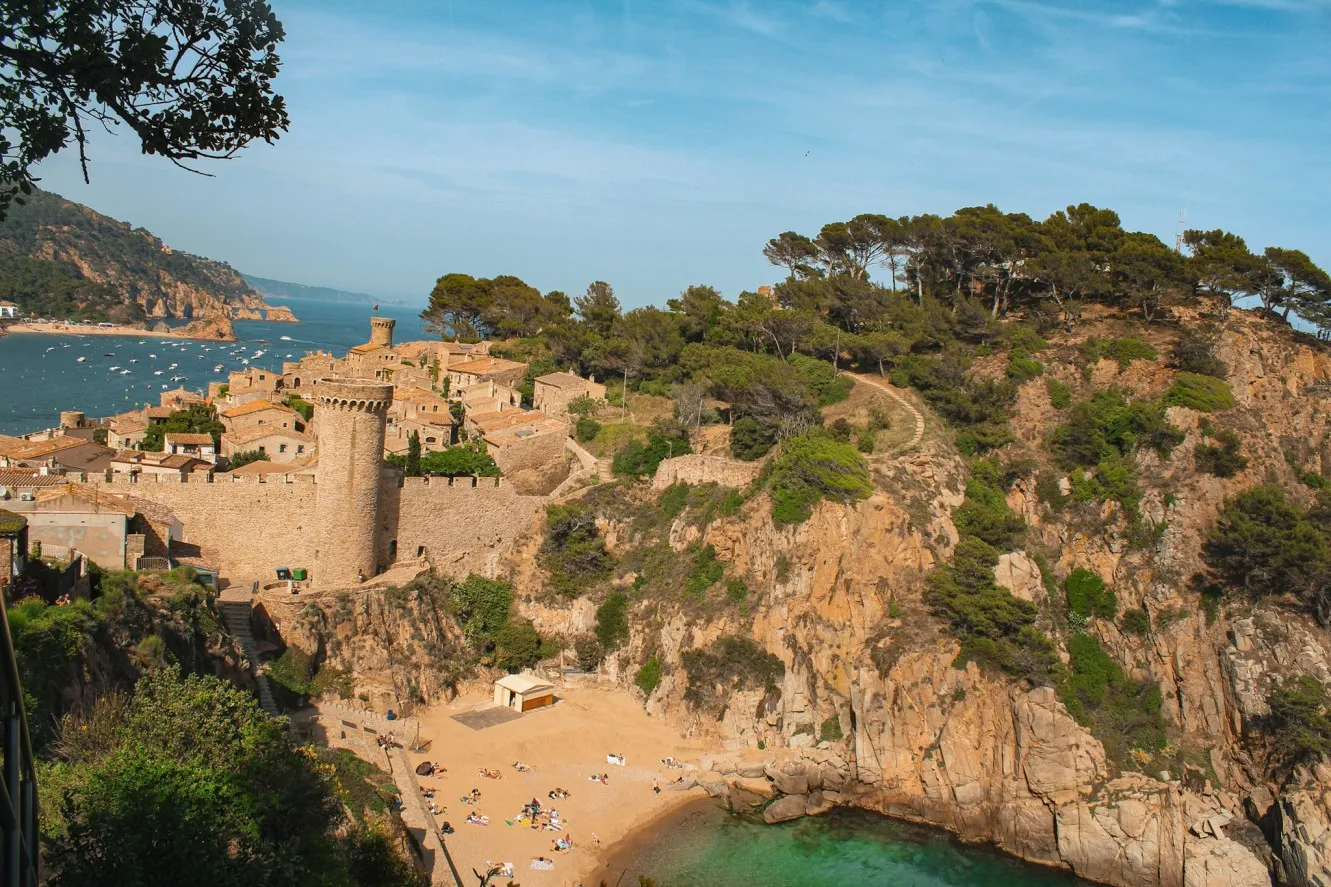
Wondering where Tossa de Mar, Spain fits into your Costa Brava plans? This medieval coastal town of just under 6,000 people, tucked north of Barcelona in Catalonia’s Costa Brava region, punches well above its size. Whether you’re weighing it up as a day trip from Barcelona (it’s just 90 minutes away) or wondering if it deserves a few nights of its own, there are plenty of things to do in Tossa de Mar to fill either kind of visit.
Three blue flag beaches, a hilltop castle, and a tangle of charming side streets lined with shops and bars. K-Pop fans might already recognise the town from YooA’s music video ‘Melody’ or the Korean series ‘The Legend of the Blue Sea’, filmed along this same stretch of coast; are just a few of this towns highlights.
Sitting 38 km from Girona, it’s an easy add-on to a Catalonia itinerary, and once you see it, you’ll understand why it’s worth more than a passing glance.
First time visiting Spain?
Check out my Spain travel guide for all the essentials before you travel →

How To Get To Tossa de Mar
The easiest and fastest way is by car. It’s about an hour and ten minutes drive from Barcelona along the AP-7 and then the C-32 and C-65, and having your own car means you can also stop off at other Costa Brava towns on the way, which I recommend doing rather than going straight there and back.
If you don’t want to drive, the bus is your best option. Sarfa/Moventis runs a direct service from Barcelona Nord bus station to Tossa de Mar, taking around 90 minutes. Buy your ticket in advance online if you’re travelling in July or August, since the buses do fill up.
There’s no train station in Tossa de Mar itself, the nearest is in Girona or Blanes, so the train only makes sense if you’re combining it with a bus or taxi for the last leg, and at that point it’s usually more hassle than just taking the direct bus from Barcelona.
If you’re coming from Girona Airport, a taxi takes about 40 minutes and is the simplest option if you’ve just landed and want to get straight there without juggling transfers
Best Time To Go To Tossa De Mar
I’d say May to June or September is the best time to visit Tossa de Mar. The water’s warm enough to swim, the town hasn’t been swallowed by the July and August crowds yet, and you can actually get a table at one of the seafront restaurants without queueing. July and August are when Tossa de Mar gets properly busy, day-trippers pour in from Barcelona and the beaches fill up fast, so if you want photos without fifty other people in them, avoid those two months if you can.
Winter is a different town entirely. Most of the restaurants and shops close up, the castle still has its views but the whole place feels half asleep. I wouldn’t plan a trip around it unless you just want somewhere quiet to walk and don’t mind everything being shut.
If I were going back, I’d pick early June. Long days, warm sea, and the town still feels like itself rather than an extension of the Barcelona day-trip circuit.
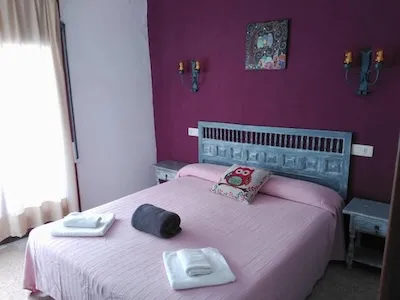
Where To Stay Tossa De Mar
Best Hotels In Tossa de Mar
RELATED: 3 Day Barcelona Itinerary →
Is Tossa de Mar Worth Visiting?
Yes, and I’d go further than that, it’s one of the few Costa Brava towns that actually lives up to the photos (the other is Cadaques). The combination of an intact medieval old town, decent beaches within walking distance of each other and a coastline good enough to justify a boat trip or a proper hike, isn’t something you get everywhere on this stretch of coast. A lot of nearby towns have one or two of those things. Tossa de Mar has all of them packed into somewhere you can walk end to end in twenty minutes.
That said, it’s not flawless, and I wouldn’t tell you it is. It’s popular for a reason, which means July and August bring real crowds, the kind that make Playa Grande feel more like a sea of people than a beach and the Forat del Dimoni impossible to photograph without a stranger in frame. If you can’t avoid those months, go early in the morning or in the evening for the old town and the walls, and treat the middle of the day as beach-or-shade time only.
I’d also say it’s not a place that needs a week. A couple of days is enough to do it properly, do the hike, walk the walls, get on the boat, eat well, without feeling rushed. If you’re building a longer Costa Brava trip, I’d treat Tossa as a strong two or three night base rather than the whole holiday.
So worth visiting, yes. Worth building real time around rather than just a flying day trip from Barcelona, also yes. Just go in with your eyes open about when you’re going, because the version of Tossa you get in June is a different town to the one you get in August.
Best Things To Do In Tossa de Mar
1. Hike The Cami de Ronda Coastal Path
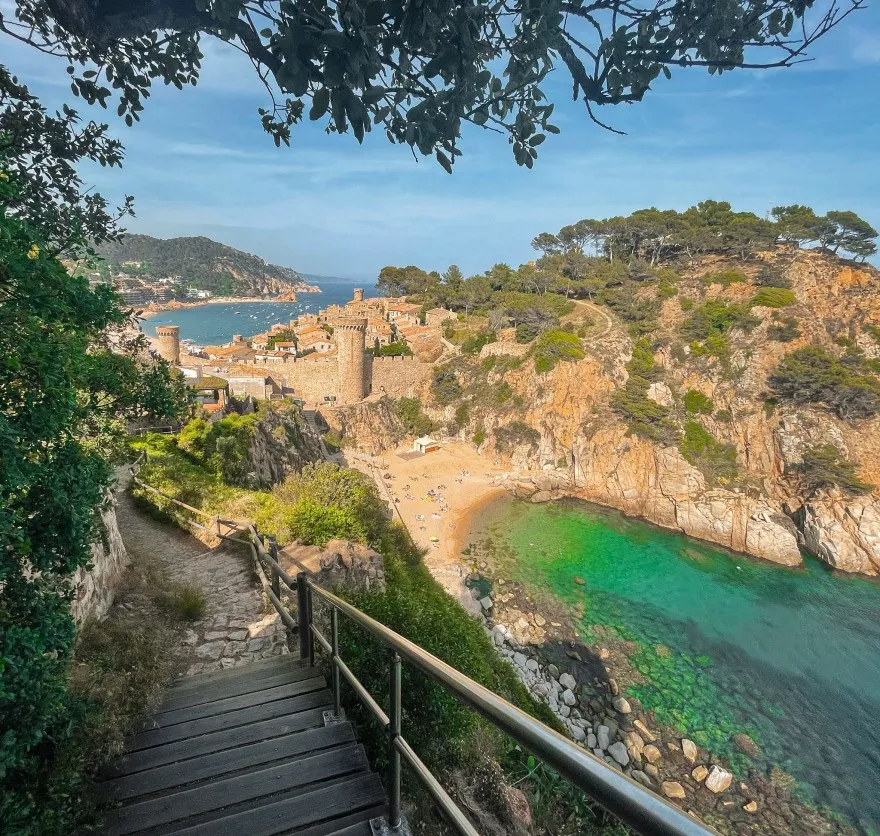
My favourite thing to do in Tossa de Mar is to hike the Camí de Ronda coastal path. The trail is well-signposted and gives you sweeping views of the town, its beaches, and the Mediterranean, which goes from turquoise to almost transparent depending on the light.
There are a few different routes you could take, but I’d recommend the stretch between Tossa de Mar and Cala Pola, a 6km round trip. It’s a good choice if you’re short on time in Tossa, or if you’re visiting in the thick of July or August heat and don’t want to commit to anything longer.
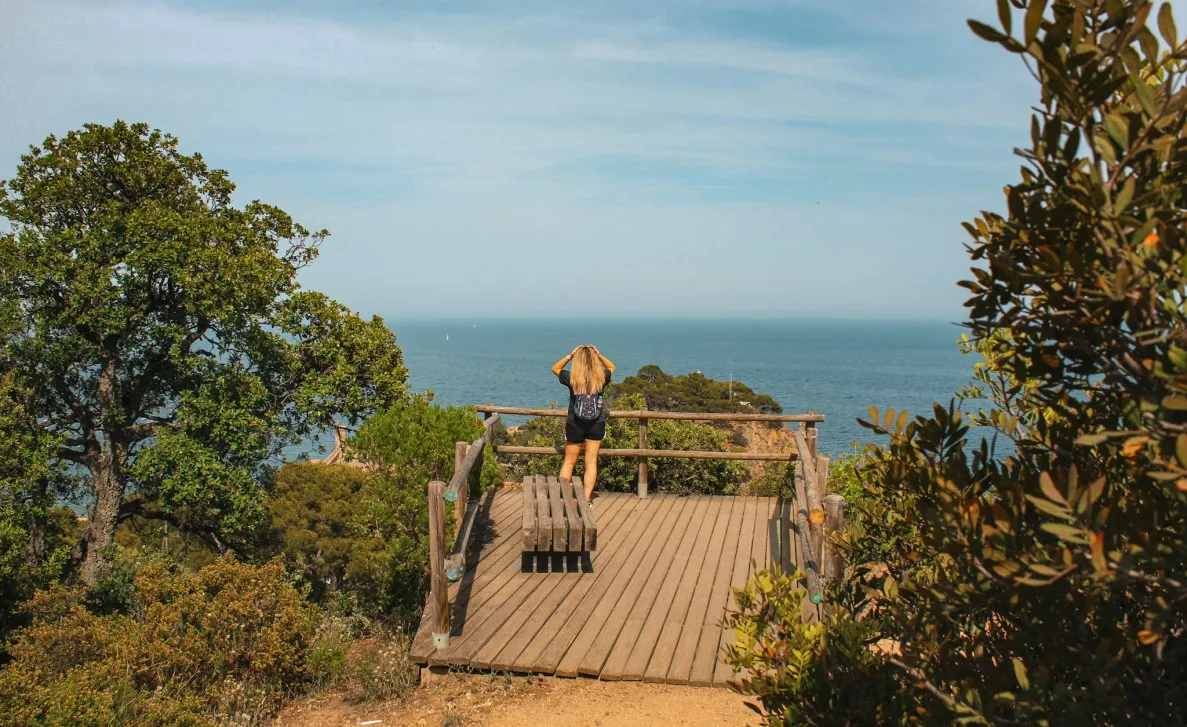
The hike starts at the Castle of Tossa de Mar beside Playa Grande, following a cliff-edge path with the ocean on one side the whole way. There are a handful of viewpoints along the route where it’s worth stopping for a minute, not just for the photo but because the views genuinely are that good. Cala Pola itself is the reward at the end, and I’d factor in time for a swim there before heading back, since you’ll have earned it.
One thing I’d say: wear actual hiking shoes, not sandals. Some sections get steep and the ground underfoot is loose and uneven in places, and I saw more than a few people regretting their footwear choices on the way down.
2. Walk The Castle Walls
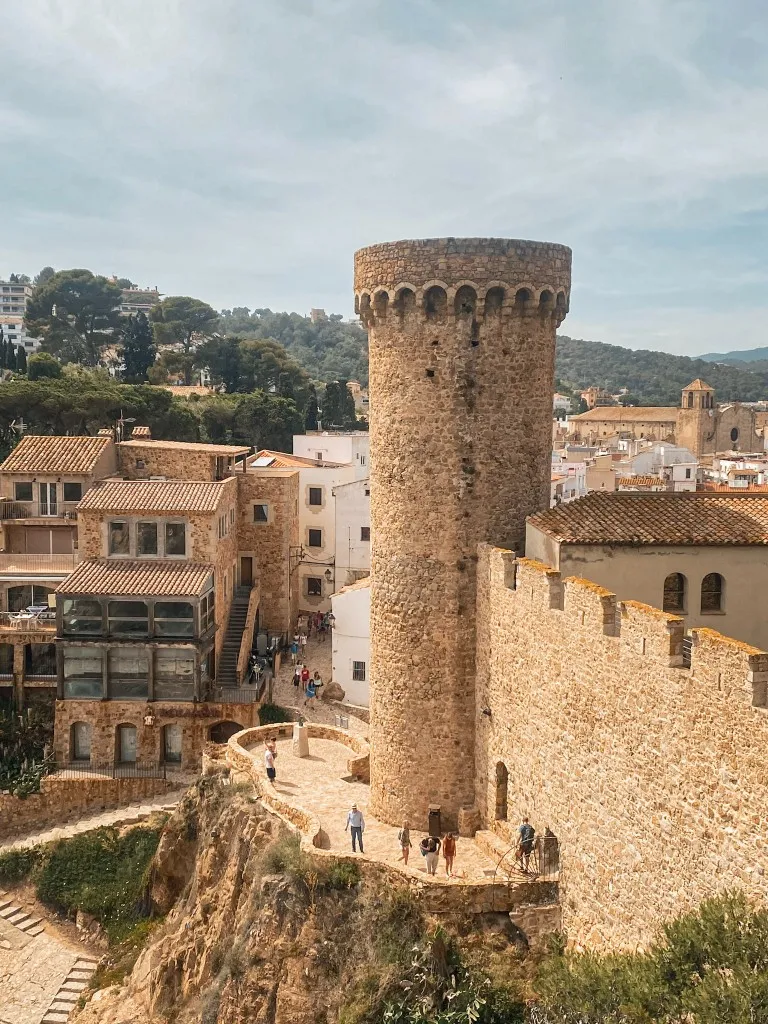
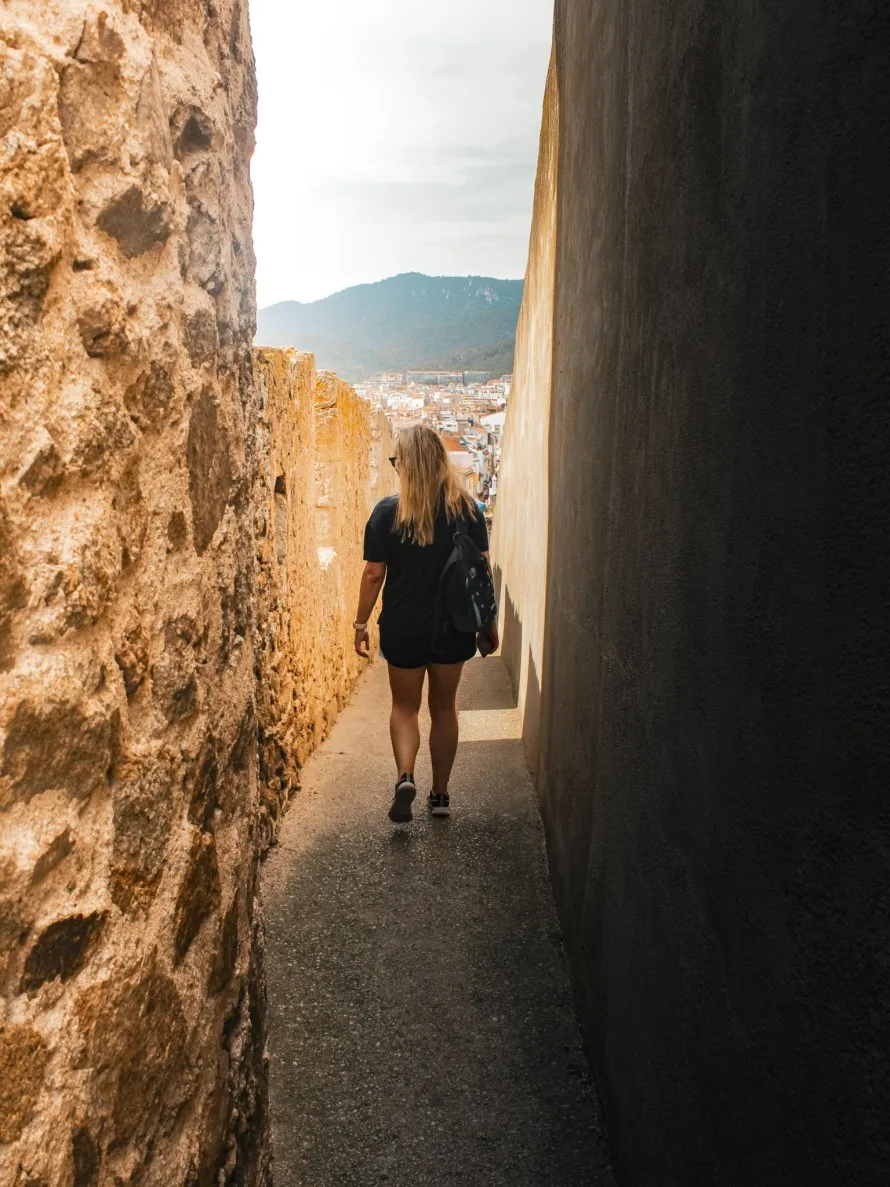
A defensive wall once encircled the Tossa de Mar old town, the Vila Vella, built in the 12th century and reinforced through the 14th to protect the fishing settlement from pirate raids along the Catalan coast. Remarkably, it’s the only example of a fortified medieval town still standing on the Catalan coast, and today around 300 metres of its original perimeter survive almost completely intact, complete with sturdy towers and battlements.
Certain stretches of the wall are open to the public and accessible directly from the old town, letting you walk along the same ramparts that once stood watch for enemy ships. From up here, you can see over the red-tiled rooftops of the old town, the curve of Platja Gran beach, and the deep blue of the Mediterranean.
While you’re up there, make sure to stop at the Forat del Dimoni (the “Devil’s Hole”), a small gap cut into the city wall that frames the open ocean below. It’s one of the most photographed spots in Tossa, and for good reason, but go early or later in the day if you want it without a queue of people waiting for the same shot.
3. Glass Bottom Boat Trip
Hop aboard a glass-bottom boat for a scenic trip along the coast between Tossa de Mar and Cala Giverola, cruising past a string of hidden coves and sea caves carved into the cliffs of the Costa Brava. Through the glass hull, you’ll get glimpses of the clear Mediterranean waters below, while above deck the coastline unfolds in a series of dramatic rocky headlands, pine-covered slopes, and secluded beaches only reachable by boat or on foot.
You can either stay aboard for the full round trip, or hop off at one of the beaches along the way to relax and swim before catching a later boat back. Boats run every hour during the low season and as frequently as every 30 minutes in peak summer.
You can book this boat tour on the boat operators website.
RELATED: 10 Best Things To Do In Cadaques, Costa Brava →
4. Cap de Tossa Lighthouse
Perched at the edge of Tossa de Mar old town beside the sea, the Cap de Tossa Lighthouse sits on the highest point of Tossa de Mar, on the same promontory where a medieval castle once stood guard over the coast. Its focal plane sits 60 metres above sea level, and although the tower itself is only 10 metres tall, its light can be seen from as far as 30 nautical miles out to sea.
Built in 1919, the lighthouse was constructed to close the gap in maritime signalling between the Calella and Palamós lighthouses and remains an active aid to navigation today. Its commanding position means it’s visible from numerous points around town and from the surrounding beaches, and in turn it offers some of the best panoramic views in Tossa sweeping vistas over the old town’s rooftops, the curve of Platja Gran, and the open Mediterranean beyond.
There’s also a small museum inside dedicated to the history of Mediterranean lighthouses. I wouldn’t go out of my way just for the museum, but if you’re already up there for the view, it’s worth the quick look.
5. Relax On The Beaches
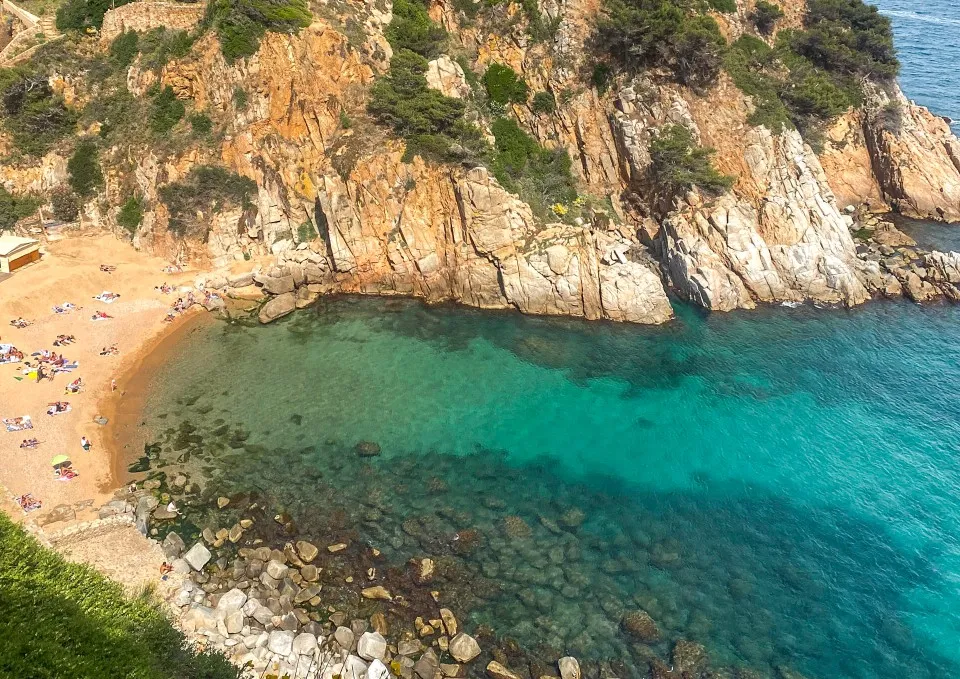
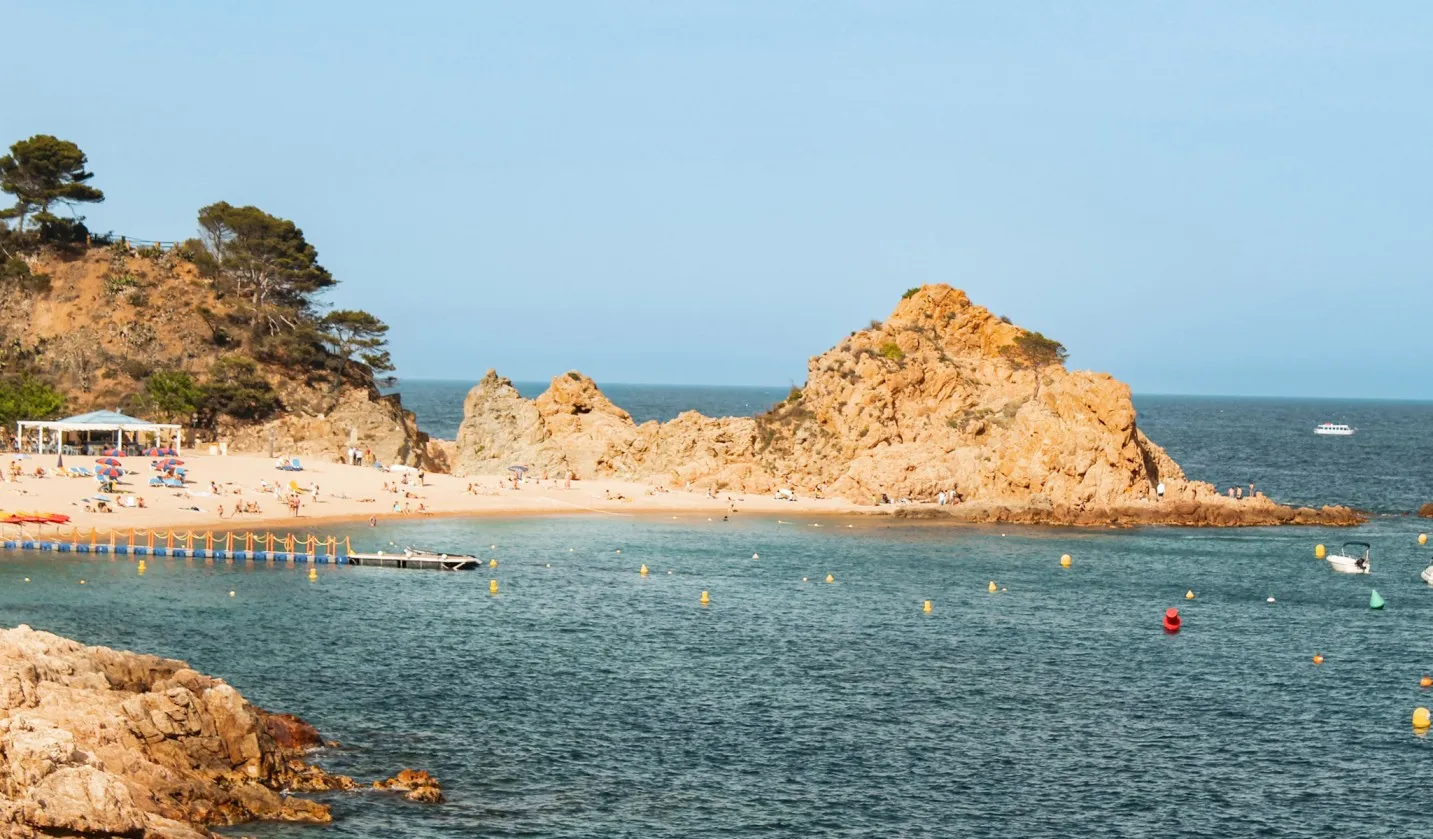
Tossa de Mar has three beaches within easy walking distance of one another, each with its own character, from the lively main town beach to a tiny, sheltered cove tucked behind the castle walls.
- Playa Grande – the main beach, right in the heart of town, around 370 metres long and 80 metres wide with thick golden sand, framed by the medieval walls of the Vila Vella on its southern side. It’s the busiest of the three, with restaurants, beach bars, and watersports facilities right there, and it’s also where the glass-bottom boats and tourist cruises depart from, so expect more people and more noise. If you want lively, this is your beach.
- Mar Menuda – a short walk from the centre and feels calmer and more residential. It’s about 160 metres of coarse sand, and it’s fully accessible for people with reduced mobility, with adapted toilets, walkways, and amphibious chairs for assisted bathing, so it’s the one I’d point people toward if that’s a priority. It’s also the spot local diving schools use for beginner dives, and the water’s clearer here, which makes it good for snorkelling too.
- Es Codolar – smallest of the three, tucked behind the walls of Tossa de Mar Castle and only around 30 metres long. It used to be a small fishing port for Tossa’s boats, and now it’s a quiet, sheltered little cove that feels almost private compared to the other two, though don’t expect much space if it’s busy.
6. Explore Tossa de Mar Old Town
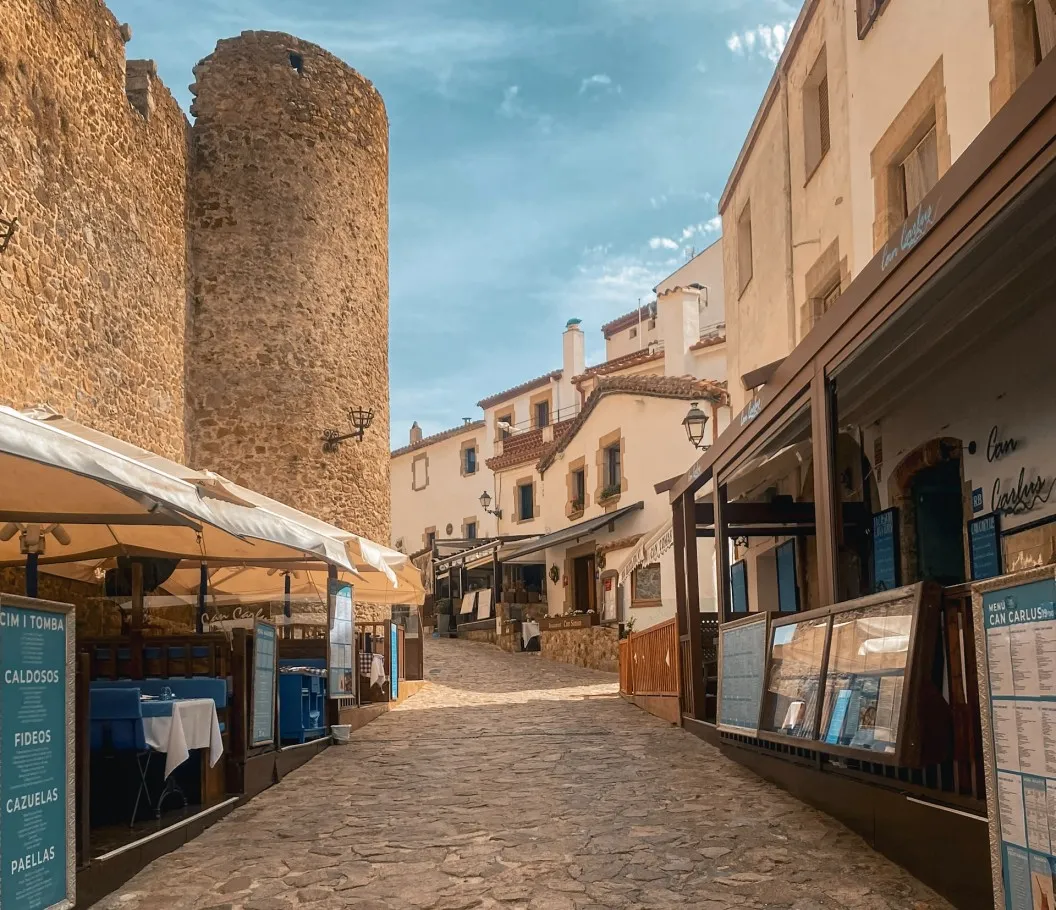
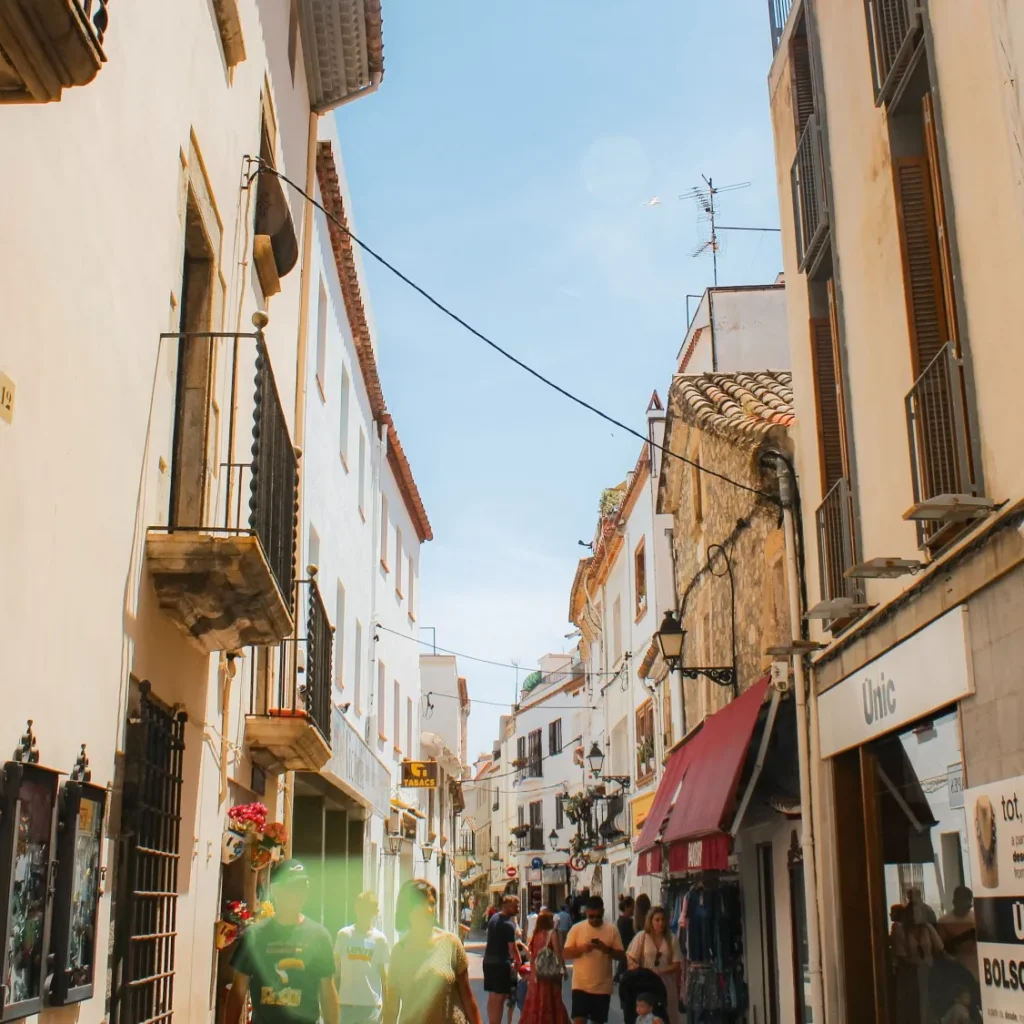
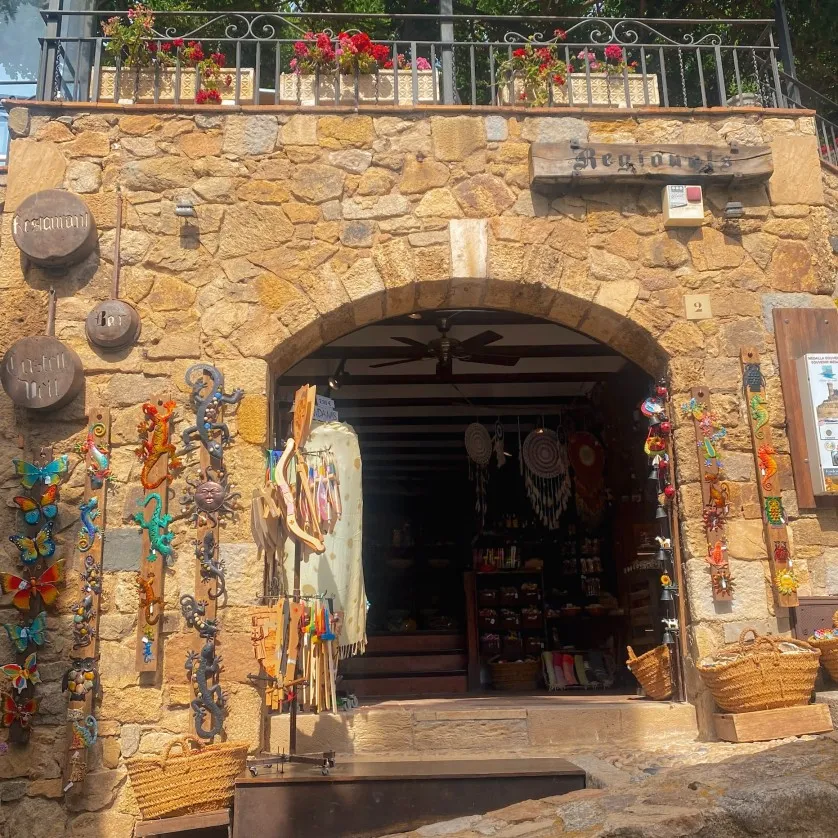
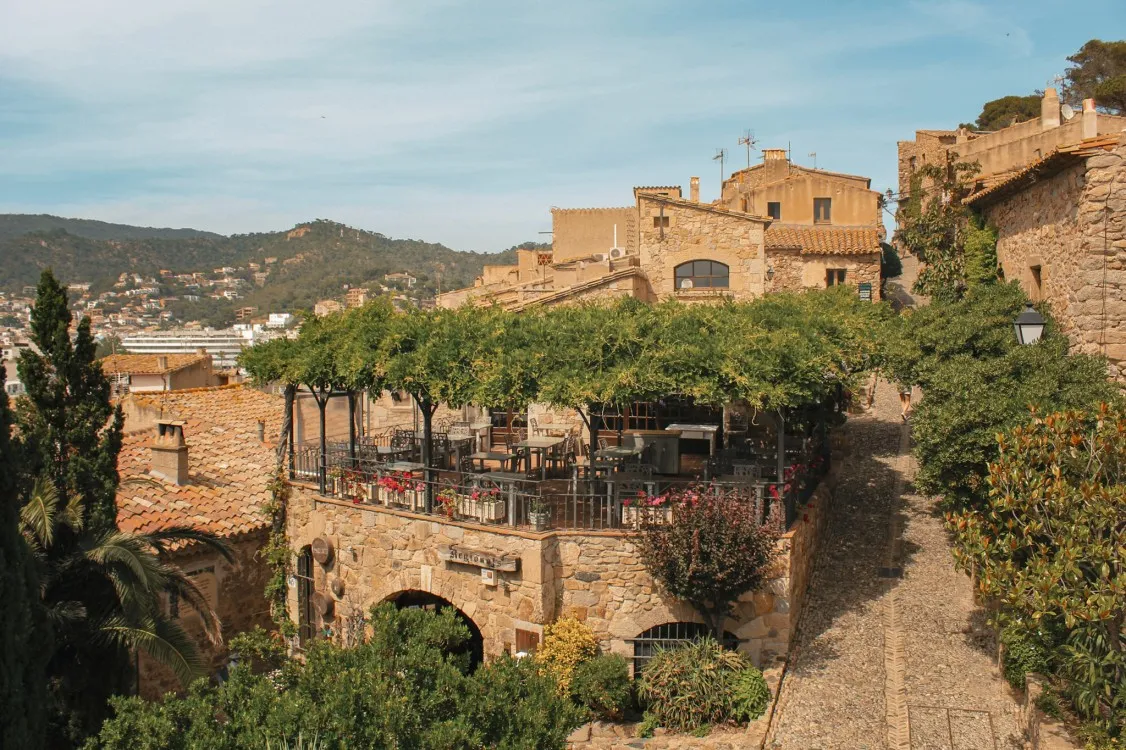
Once you’re through the gates, the rest of the world drops away. Tossa de Mar old town, also known as Vila Vella, is a place to get a little lost in. The streets are narrow and steep and cobbled, twisting uphill between honey coloured stone houses, with bright flowers spilling out of window boxes. There’s no real route to follow; just pick a lane and see where it takes you.
The crowds and noise of the beachfront fade fast once you’re inside the walls, replaced by the occasional clink of cutlery from a terrace. Cats sun themselves on doorsteps. Old doors are painted in faded blues and greens. Every so often a gap between buildings opens onto the sea, and you stop without meaning to.
Climb high enough and you reach the ruined arches of the old church, roofless and weathered, with grass growing between the stones. Come back at golden hour or after dark, when the walls are lit up and the lanes empty out, and the whole place feels like it belongs to another century entirely.
RELATED: How to spend 1 day in Malaga →
Where To Eat Tossa de Mar
Tucked between the beach and the old town walls, Tossa de Mar has a great little food scene that goes well beyond the usual seaside fare. Here are a few of my favourites:
- L’Espai: cute restaurant that put their own creative twists on tapas. You can either sit outside under the Sant Vicenç de Tossa church or inside on a large shared table, each option makes for a unique dining experience. Dishes include Potato mille-feuille with allioli and harissa, Broad beans, mint and peas with black pudding, and meatball with cuttlefish and chocolate sauce .
- Brasas Portal: an Argentinian stand specialising in BBQ meats and delicious sandwiches. I recommend the Tossaloca, which has Mexican pulled pork, red pickles and cilantro.
- Restaurant Can Pini: seafood restaurant blending Catalan cuisine and fresh seafood. It’s one of the more expensive options in Tossa de Mar, but they pride themselves on high quality local ingredients. Try the paella and fish stew.
RELATED: 26 Best Things To Do For Free In Madrid →
Thanks for reading these best things to do in Tossa de Mar