Bari, Puglia, is the second largest city in Southern Italy. It’s one of the best cities in Italy that you haven’t heard of. Nonnas making fresh pasta outside their homes on a street. Fishermen smashing raw octopus against stone walls at the crack of dawn. An academy dedicated to overseeing that chefs can correctly make the local dish – Spaghetti all’Assassina. The stolen bones of Saint Nicholas (yes, Santa Claus) in a Basilica. Oh, and the modern side of town, Murat, was designed by Napoleon’s brother-in-law, Joachim Murat, in 1813. You could call Bari quirky, I mean it’s closer to Albania than it is to Rome, it even has its own dialect – Barese which has more in common with old Neapolitan than standard Italian.
Sat right on the Adriatic, you can spend your mornings lazily wandering the romantic Old Town, stopping for focaccia and panzerotti, while you see out the afternoon on one of the many beaches before heading to a piazza for a pre-dinner aperitivo. Bari doesn’t do rush hour, that’s exactly why you need to come here.
My Bari travel guide has all the basics to cover your trip here along with more detailed guides on what to do, where to stay, day trips, and my honest thoughts on why it belongs on your Italy itinerary.
First time visiting Italy? Read my Italy travel guide for all the essential information you need to plan your trip.
Bari Essentials
The bits worth knowing first.
Bari Travel Plan
01
When to go
Spring and early autumn are the easy answer. Skip July and August unless you really want the beach.
The best months for Bari are mid-April to mid-June and September into early October. Warm days in the low to mid 20s, sea warm enough to swim from June onwards, and the old town hasn’t yet been overrun.
Early May is something special. The Festa di San Nicola kicks off on the 7th, three days of processions, sea pageants, and fireworks honouring the city’s patron saint. Worth timing a trip around if you can.
July and August are hot. Expect high humidity and to be covered in sweat after an hour of being outside. 30+ degrees is just the average but can push past 40. The beaches are busy, hotels are at peak rates and walking the old town in the afternoon is chaotic. November through February is mild and quiet, with sunny stretches between the rainy days. Cheap flights, no crowds, but most of the seafront restaurants pull in their tables and other establishments close until Spring.
Jan
Feb
Mar
Apr
May
Jun
Jul
Aug
Sep
Oct
Nov
Dec
Best monthsQuieter, hit and miss weatherSkip if you can
02
What it costs
One of southern Italy’s better-value cities. You can do Bari well without flexing the budget.
Bari is affordable by Italian standards. A sit-down lunch with wine still hovers around €15, focaccia from a bakery is under €5, and a glass of local Primitivo at a wine bar in the old town is rarely more than €4. The city stays expensive only in August and over Easter.
For where to stay, Bari Vecchia is romantic but can be noisy. Murat, the grid-planned new town just south, is a five-minute walk to everything and tends to be cheaper. Lungomare hotels charge a sea-view premium that’s worth it once.
€95
Per night, mid-range
B&B in Bari Vecchia€60–110
Boutique in Murat€110–180
Lungomare sea view€180–320
Espresso at the bar€1.20
Focaccia by weight€2.50–4
August doubles most hotel rates and Festa di San Nicola in early May books up months ahead. Lock things in early for both.
03
How long to stay
Two days for the city, four to five for Bari plus a Puglia loop.
Bari itself is small. Two full days covers the old town, both basilicas, the orecchiette ladies on Arco Basso, an evening on the Lungomare, and at least one big seafood lunch. You’ll have eaten enough focaccia to file a complaint with your doctor.
Use it as a base and the trip multiplies. Day three goes to Polignano a Mare by train. Day four rents a car for Alberobello and the trulli. Day five takes you to Matera, just over the border in Basilicata, with its cave dwellings carved into the canyon. A full week and you can add Lecce, Ostuni, or a slow day on the beach somewhere down the Salento coast.
1core
2core
3polignano
4trulli
5matera
6salento
7slow
Solid pink is the minimum, lighter days are the ones I’d add if I had the time again.
04
What to eat
Puglian food is built on flour, olive oil, vegetables, and whatever came in on the boat. Order accordingly.
Bari cooks like a coastal farming town that learned to make a feast out of nothing. The dough is always good, the seafood is fresher than it has any right to be, and you’ll see things on menus you won’t see elsewhere in Italy. A few things you really should not leave without trying.
Orecchiette alle Cime di RapaThe signature dish
Hand-shaped little ear pasta tossed with bitter turnip tops, garlic, anchovy, chilli, and toasted breadcrumbs. The whole reason orecchiette exists. Order it at any old town trattoria and watch how seriously they take it.
Spaghetti all’AssassinaBari only
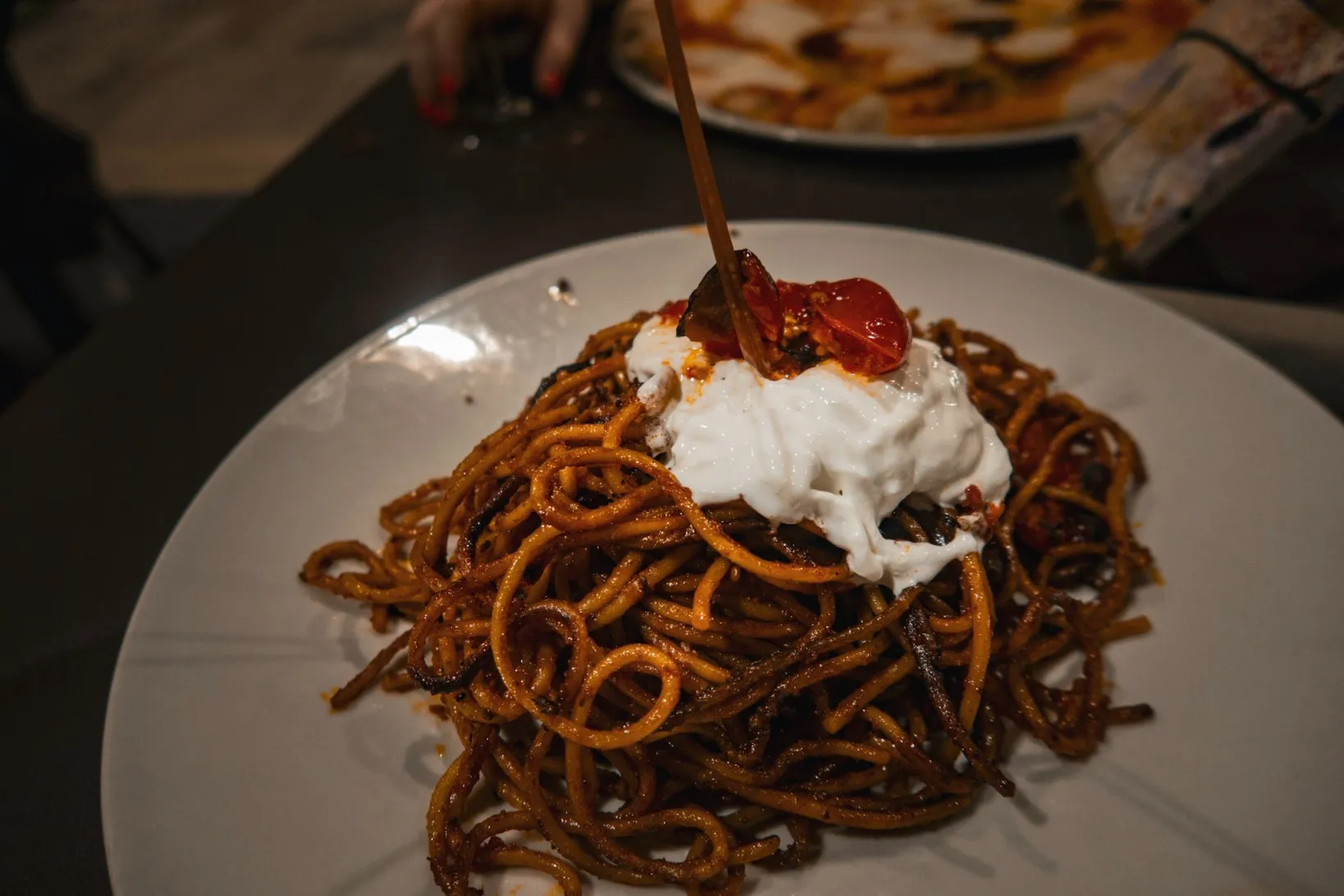
Spaghetti cooked risotto-style straight in the pan with spicy tomato broth, ladled in until the pasta turns crusty and almost charred. Invented at Al Sorso Preferito in the 1960s. You cannot get this anywhere else.
Focaccia BareseEat it standing up
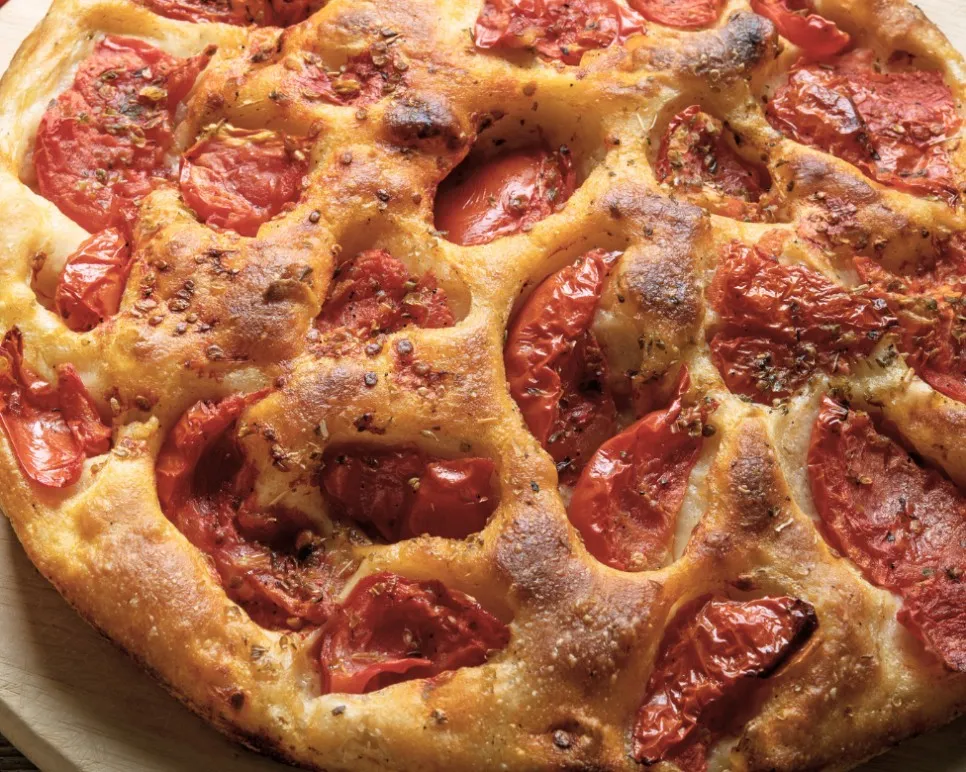
Thicker than the Genovese version, made with semolina and mashed potato in the dough, topped with cherry tomatoes and olives. Panificio Fiore and Santa Rita in the old town are the two everyone fights over.
Polpo CrudoOrder brave
Raw octopus, beaten on the rocks of the old harbour by fishermen until tender, then sliced thin with lemon. A Bari rite of passage. Try it at Il Pescatore or any of the stalls along the seafront in the morning.
Burrata e StracciatellaBetter at the source
Puglia is the home of burrata. The version they serve here, made that morning by a producer 30km away, makes the supermarket stuff back home feel like an entirely different food. Eat it with bread, oil, and not much else.
SgagliozzeStreet food classic
Fried squares of polenta, sold piping hot in paper cones from old ladies on stools in Bari Vecchia. A euro or two and you’ll understand why this city eats outside.
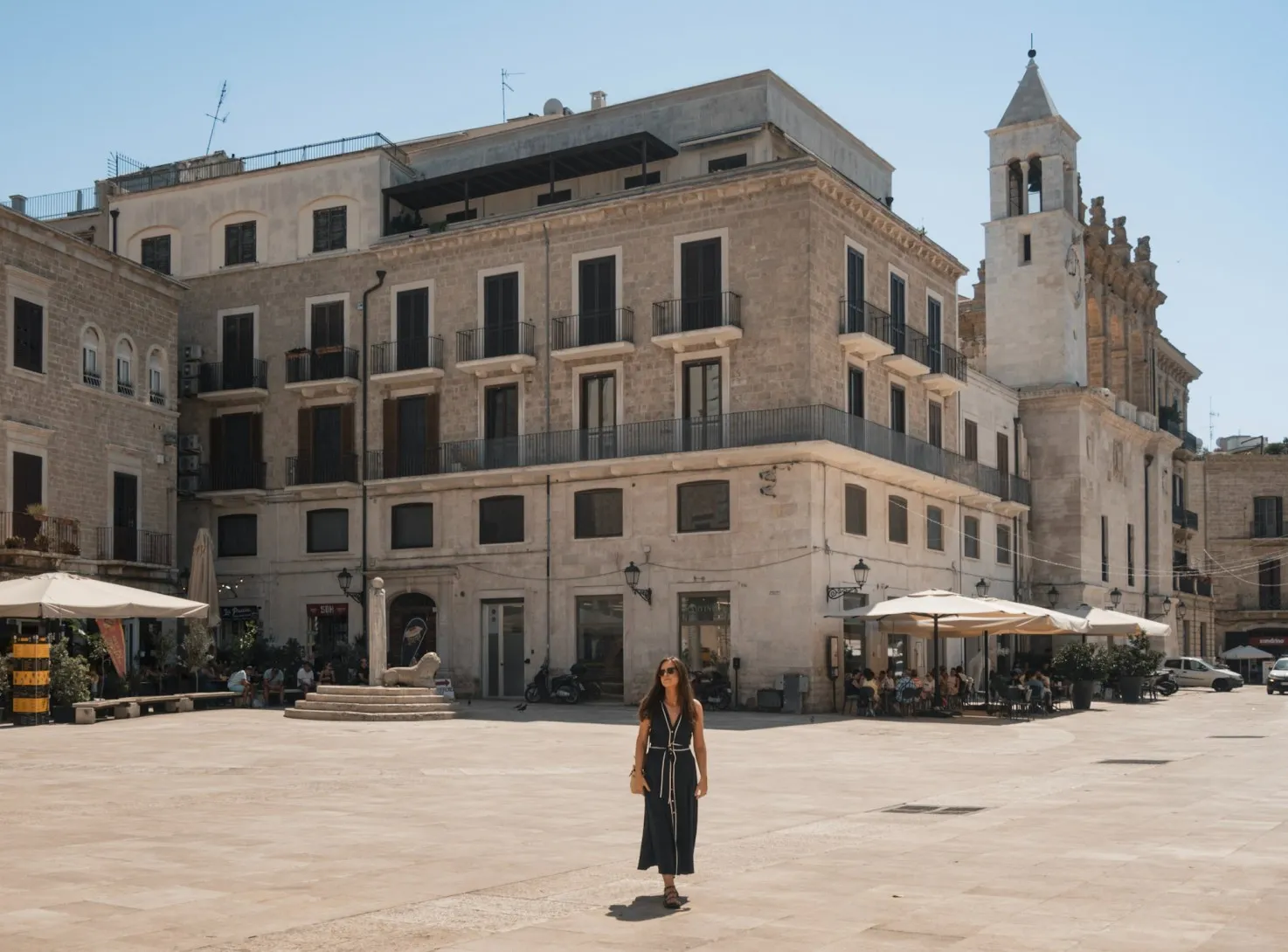
Bari Vecchia is the obvious pick for first timers and people wanting to be in the heart of it all. This is the Old Town – where the majority of Bari’s attractions are. The cobblestone streets are fringed by panifici and salumerie where the scent of fresh foccacia spills out onto the street, impossible to resist. Peek down an alleyway and witness locals sit outside their homes, sipping beer under hanging laundry. There is a romantic atmosphere, especially at night when the piazzas become a meeting point for people to enjoy an aperitivo.
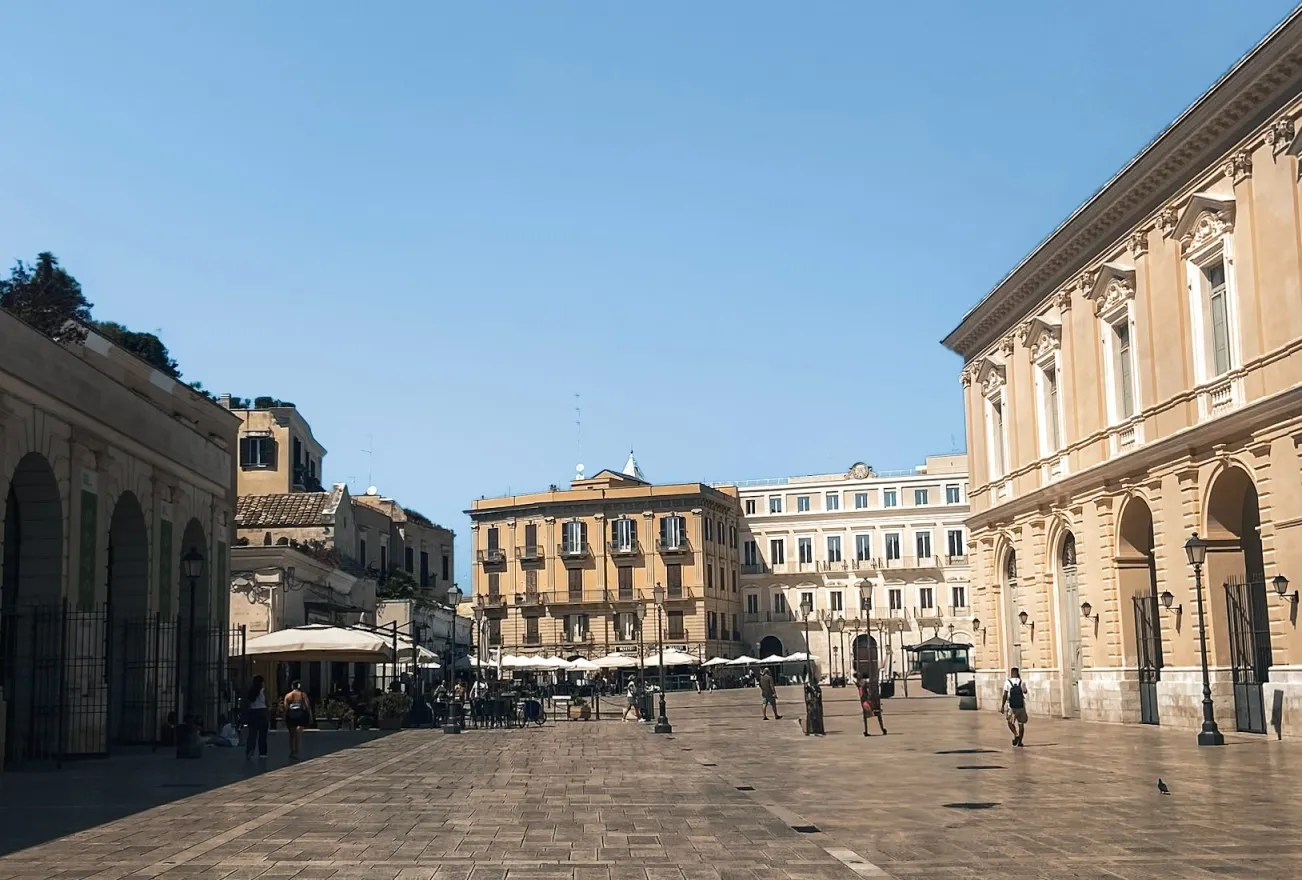
Murat is another convenient spot, especially for day trips, given its close location to the train station. It’s the modern side of Bari where shops like Zara and H&M reside. It’s not as atmospheric as Bari Vecchia, but it’s only a short walk away so it an excellent cheaper option. In the day it feels a bit dead but at night it livens ups with restaurants and bars.
Madonnella and Lido San Francesco are great for families, quieter, residential, right by the sea, and packed with apartment rentals that make more sense than a hotel room if you’re travelling with kids. Lido San Francesco is about two miles from the old town, so you’ll want bus 12 or a quick taxi to get back in for dinner.
Nobody buys travel insurance with any enthusiasm, and almost everyone wishes they had at some point, usually around the moment a Vespa scrape becomes a hospital visit, or a delayed flight wipes out a non-refundable hotel. Two providers cover almost everyone reading this:
For EU citizens
True Traveller
If you hold an EU passport, True Traveller is the most sensibly priced option I’ve found, and although it’s an EU-citizen-only product, it covers you anywhere in the world. They also let you buy cover after you’ve already left home, which most insurers refuse to do.
For travellers from outside the EU, and for anyone planning a longer trip with the usual mix of hiking, scooters, and ill-advised cliff-jumping, World Nomads remains the standard. They cover adventure activities most insurers won’t touch, and you can extend from the road.
Bari is walkable, which is the first thing to know. The old town is a tight pocket of about a square kilometre and you can stroll from Bari Centrale station to the seafront, through Bari Vecchia, and out to the castle in under thirty minutes without rushing. Most visitors barely use public transport at all. Save your legs for getting out to the beaches or the further reaches of the lungomare.
Bus
AMTAB runs the city buses, 33 routes covering everywhere from Bari Vecchia to the coastal neighbourhoods, generally between 5am and 11pm. A single ticket is €1 if you buy ahead, €1.50 if you pay onboard. A 90-minute ticket is €1.20, a day pass €2.50. The easiest way to buy is the MUVT app, which saves you hunting for a tabaccheria with the ticket machine actually working.
Train
You won’t need a train to get around the city itself, but they’re how you do the rest of Puglia properly. Polignano, Monopoli, Ostuni, Lecce, Matera, all reachable from Bari Centrale. Book through OMIO for mobile tickets and skip the ticket office queues, which can be brutal in summer.
Car
Honestly, don’t bother for Bari itself. Driving in the old town is borderline impossible, parking is its own special punishment, and walking is faster than any of it. A rental car only earns its keep for day trips into the wider Apulian countryside (Alberobello, the Itria Valley, the Salento coast) where trains thin out and the good stuff is between the towns rather than in them. DiscoverCars is the easiest way to compare rates.
Best Things To Do In Bari
Bari Vecchia · Old Town
01Don’t miss
Get Lost in Bari Vecchia
The old town is the whole reason to come. A tangle of whitewashed alleys on a peninsula sticking out into the Adriatic, where doors stay open, nonnas chat across balconies, and laundry hangs over your head. It’s not a museum piece, it’s a working neighbourhood that just happens to be beautiful. Skip the map and just wander. Early evening is when it really comes alive, with families eating dinner on plastic chairs in the street. Watch out for kids on scooters around blind corners.
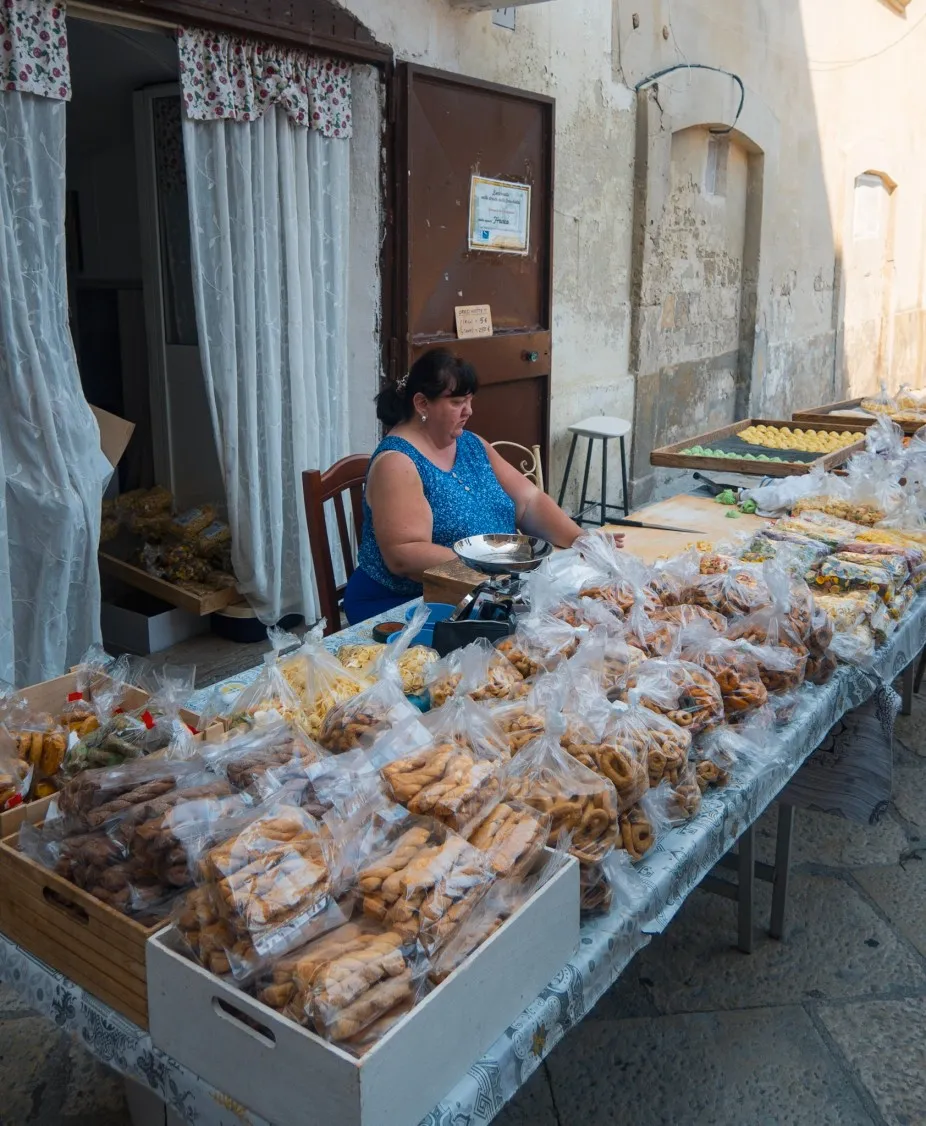
A single narrow street in the old town where local women sit outside their front doors making orecchiette by hand on wooden boards, the way their grandmothers did. They’ve been doing it for decades and the trays of fresh pasta dry right there on the cobbles. You can buy a bag for a few euros, or sign up for a class with one of them and learn to shape the little ears yourself. Mornings are best. Bring cash and don’t be the person who takes photos without buying something.
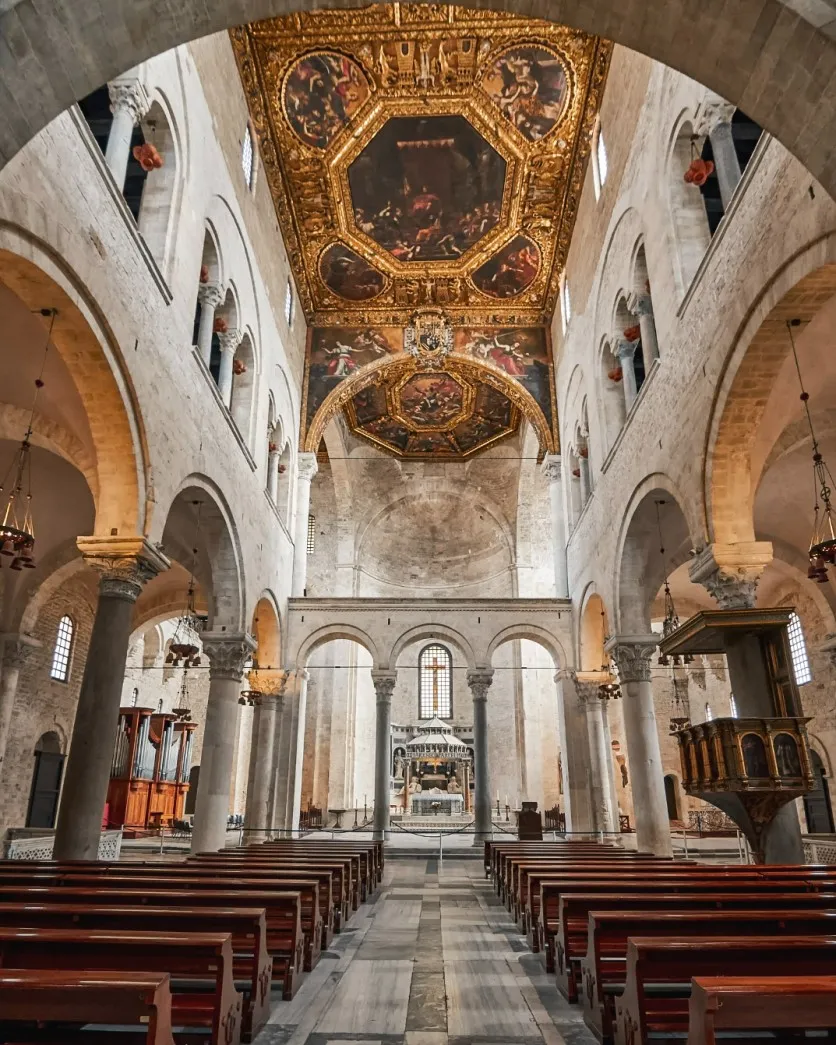
The bones of Saint Nicholas, yes that one, the original Santa Claus, are kept in the crypt of this 11th-century Romanesque church. Pilgrims have been coming here since 1087 when sailors from Bari pinched the relics from Myra in modern-day Turkey. The basilica is plain on the outside and almost severe inside, with a gilded ceiling and a famously beautiful crypt full of mismatched ancient columns. It’s one of the few places where Catholic and Orthodox Christians both worship. Free to enter, quiet most mornings.
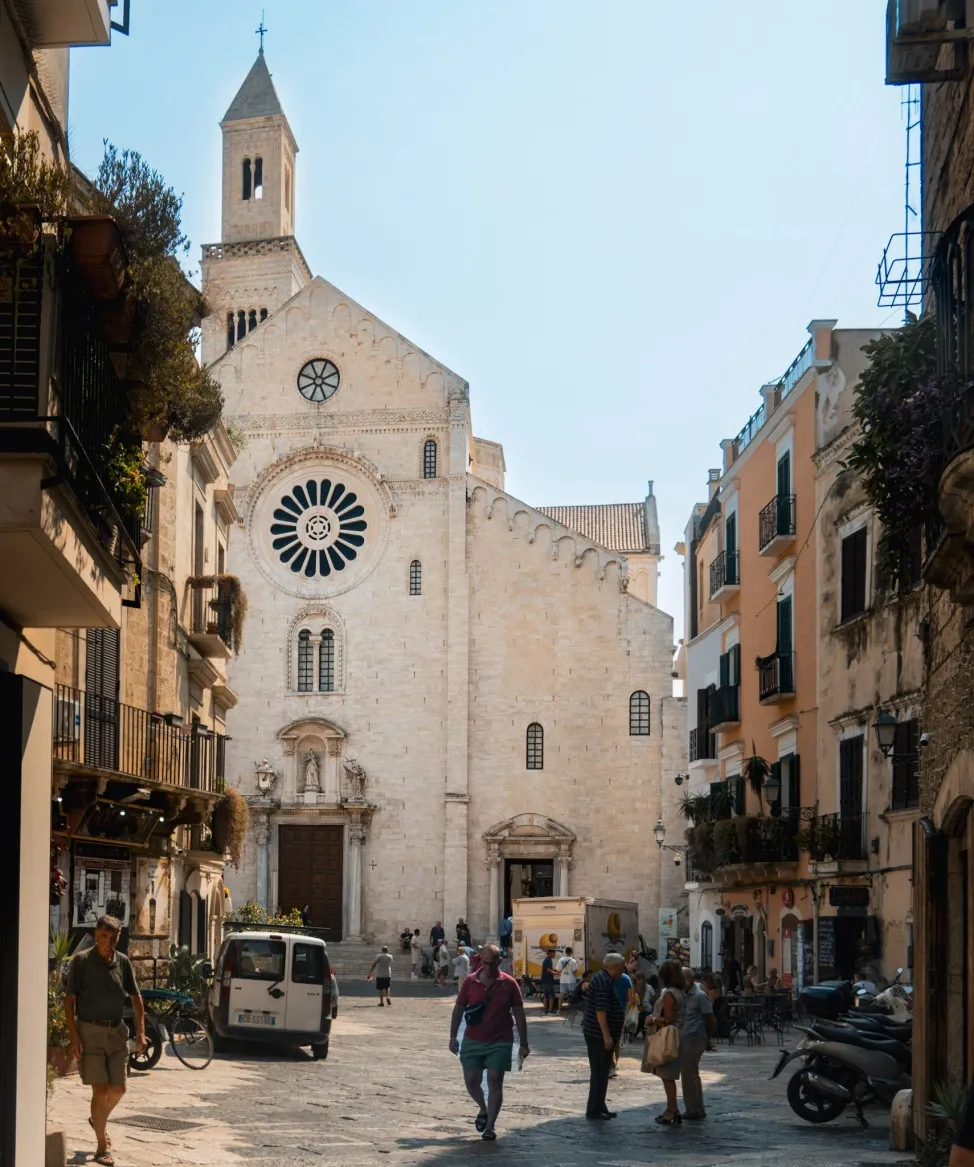
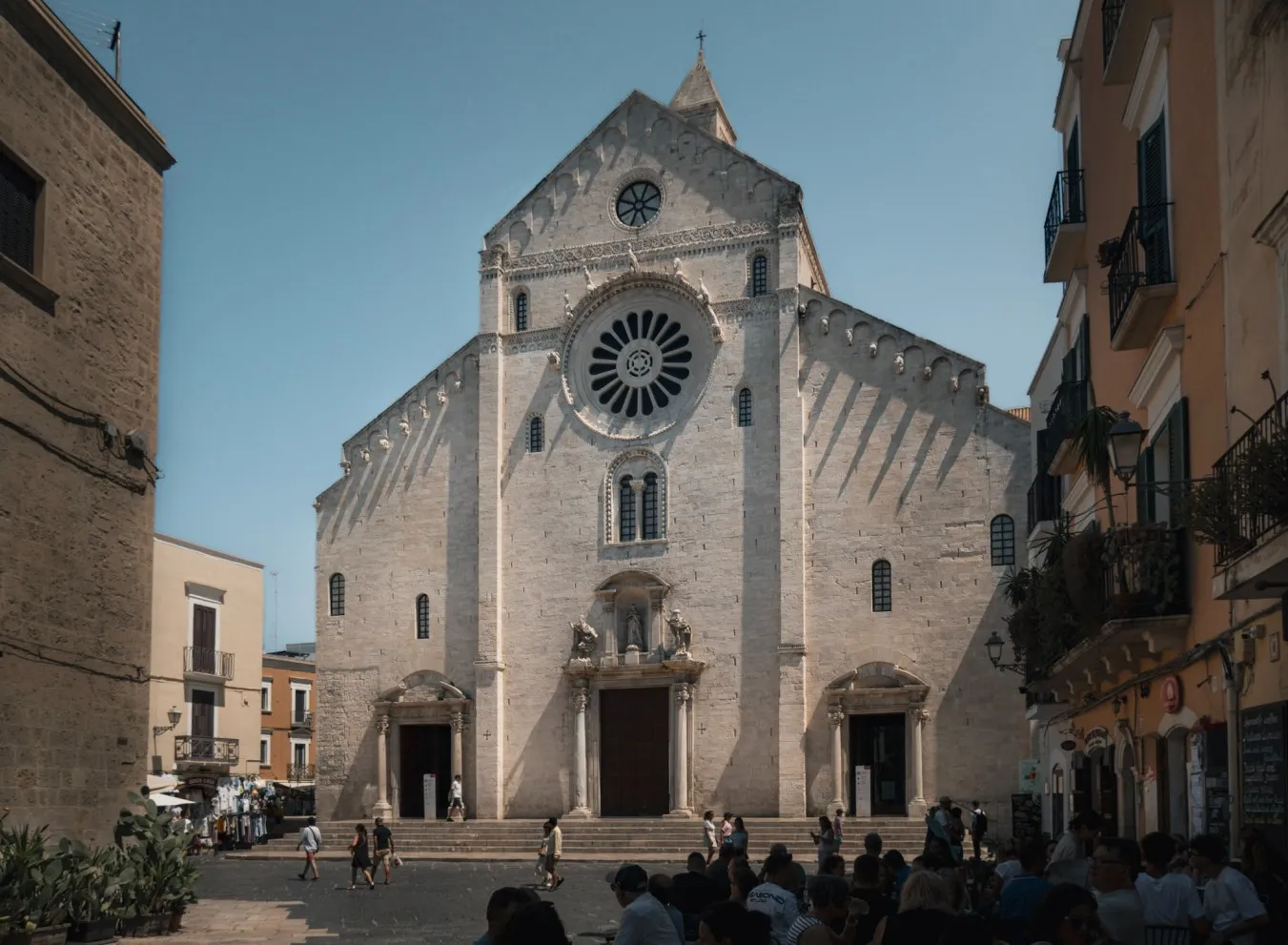
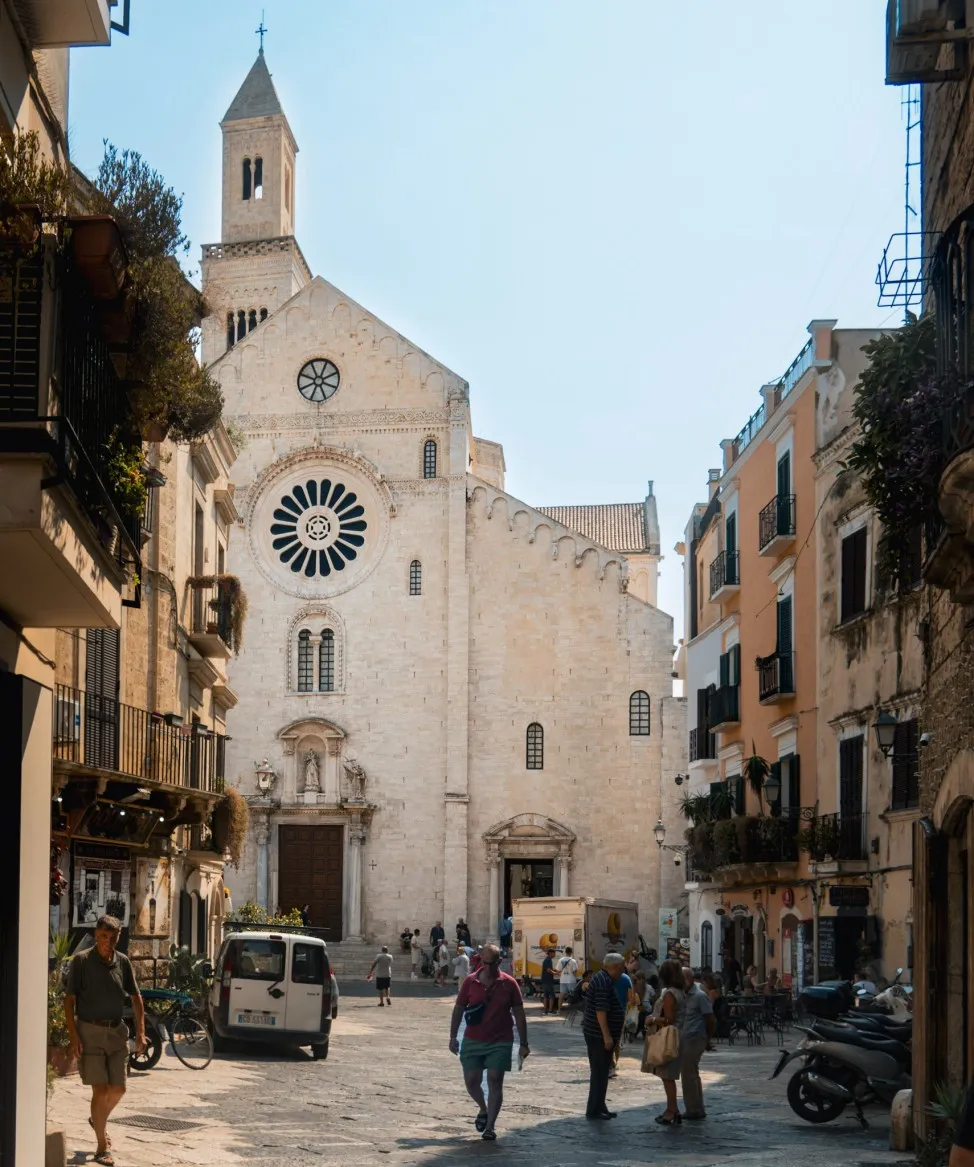
Bari’s actual cathedral, often skipped because everyone heads straight to San Nicola around the corner. That’s a mistake. It’s a quieter, purer example of Puglian Romanesque architecture, with a gorgeous rose window, a 70m bell tower, and an 8th-century crypt holding the relics of San Sabino himself. The light inside in the late afternoon is something else. Free to enter, open daily from 8:30am to 7pm, with shorter hours on Sunday mornings. Pair it with a stop in Piazza dell’Odegitria out front, which has one of the nicest views of the basilica facade.
Lungomare Nazario Sauro · Seafront
05Outdoors
Walk the Lungomare at Sunset
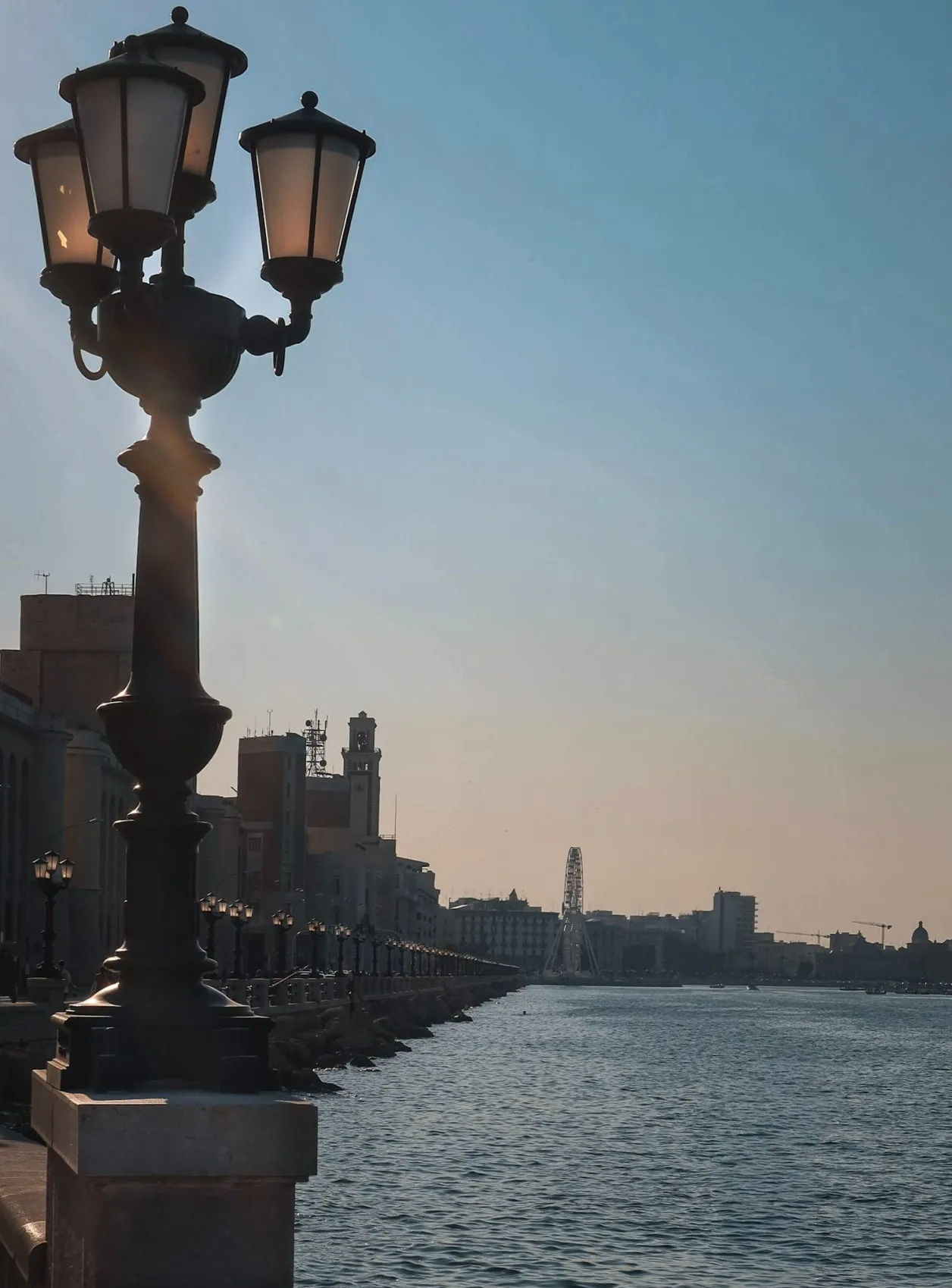
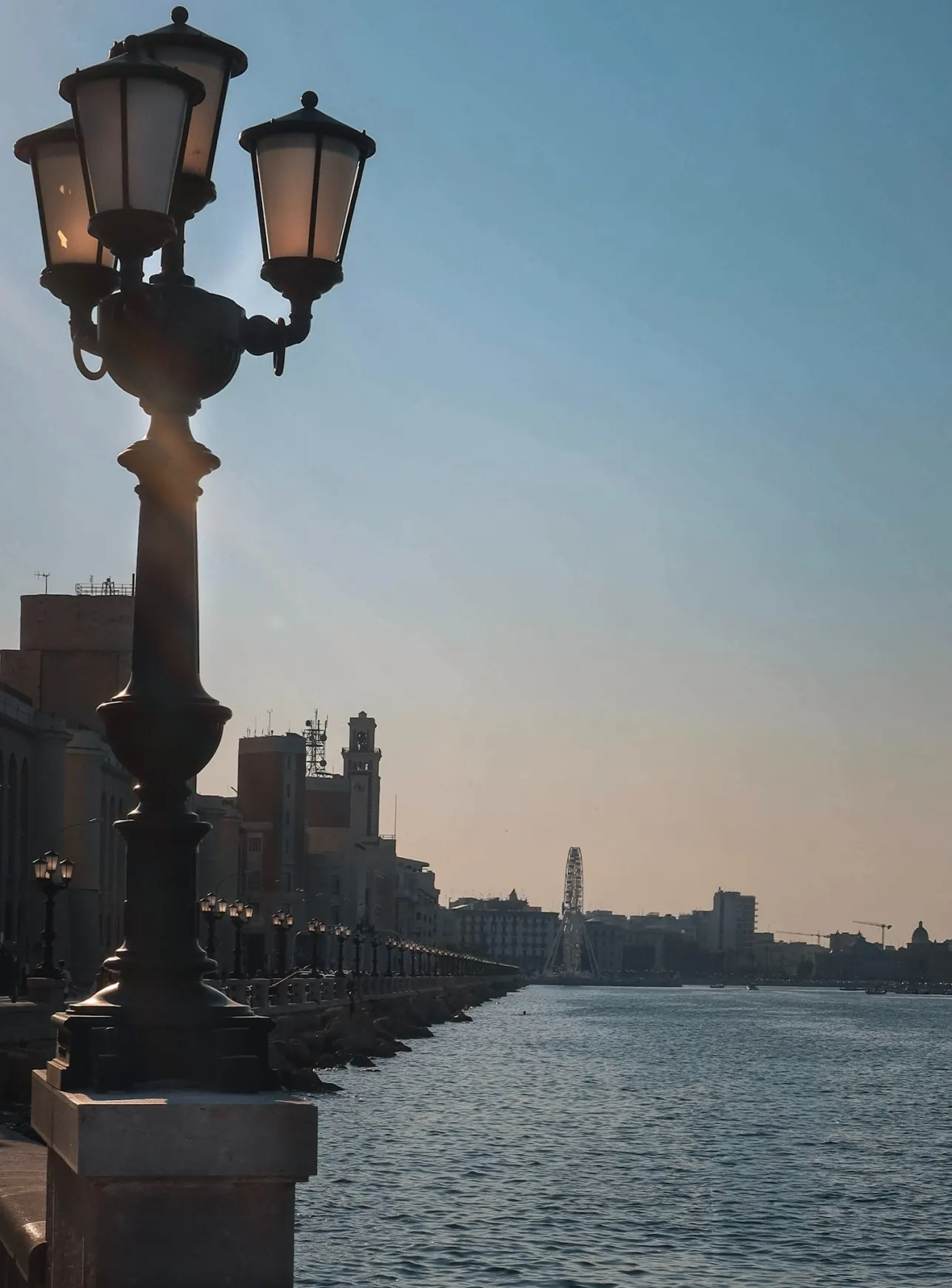
One of the longest seafront promenades in Italy, running for miles past grand fascist-era buildings, fishing boats, and benches that fill up with locals every evening around six. Start near the old port, walk south past Piazza Diaz, and keep going until you’ve earned a gelato. The light off the Adriatic in late afternoon is the kind that makes everyone look better. In summer you’ll see people swimming straight off the rocks. There are bike lanes the whole way if you’d rather roll than walk.
Panificio Fiore · Strada Palazzo di Città
06Foodie
Eat Focaccia Barese From a Hole in the Wall
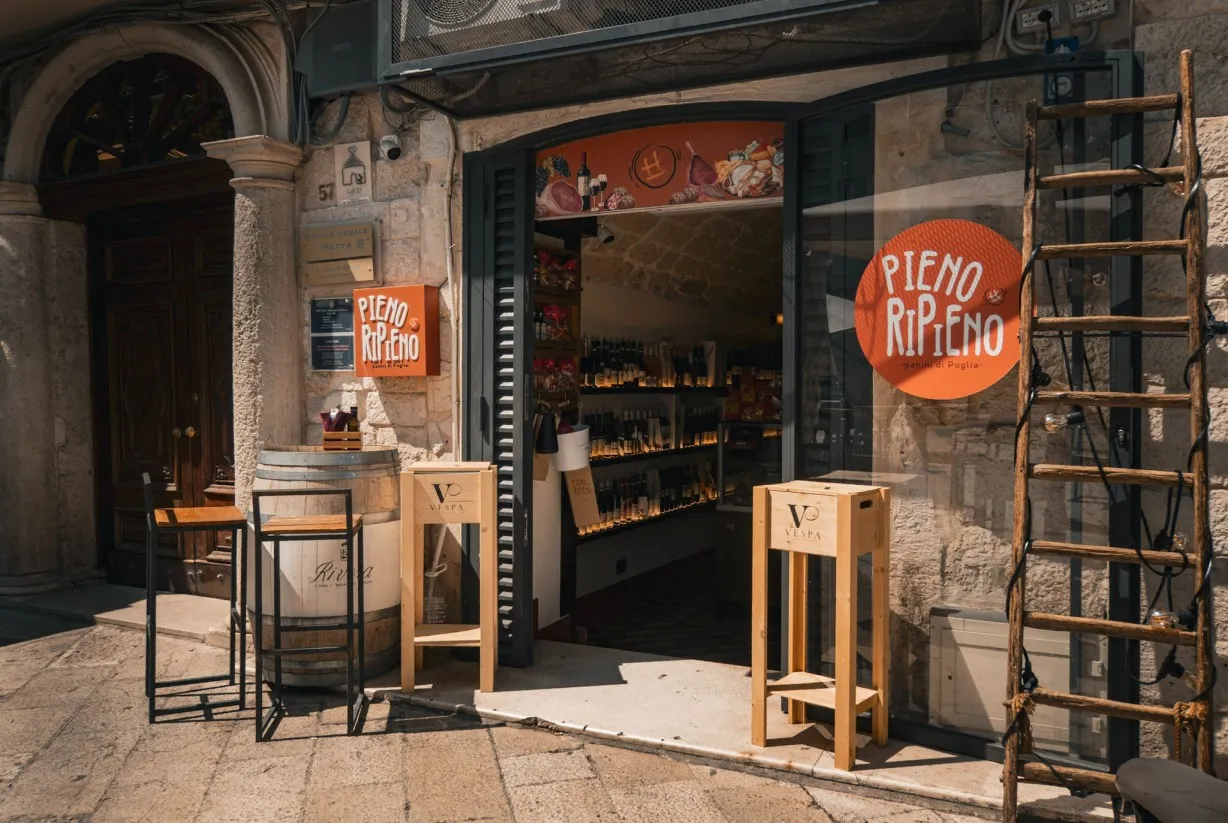
Focaccia in Bari is its own thing. Thicker than the Genovese version, made with semolina and mashed potato in the dough, topped with cherry tomatoes and olives, and baked until the bottom is properly crisp. Panificio Fiore, tucked inside what used to be a church near Piazza Mercantile, is the one most locals will send you to. Santa Rita is the other, with a queue out the door from mid-morning. Both sell it by weight, hot from the oven, wrapped in paper. Eat it standing up like everyone else.
A dish you basically cannot get outside Bari, and one of the more unhinged things on any Italian menu. Dry spaghetti gets cooked risotto-style, straight in the pan, in a spicy tomato broth that’s added a ladle at a time until the pasta is crusty, charred at the edges, and almost burnt. The name means “the assassin’s spaghetti” because of the chilli kick and the slightly aggressive technique. Invented at Al Sorso Preferito in the 1960s, but most old town trattorias do their own version now. Order it once and you’ll order it again.
Pasta and Tiramisu Class · Near Teatro Petruzzelli
08Don’t miss
Pasta and Tiramisu Class
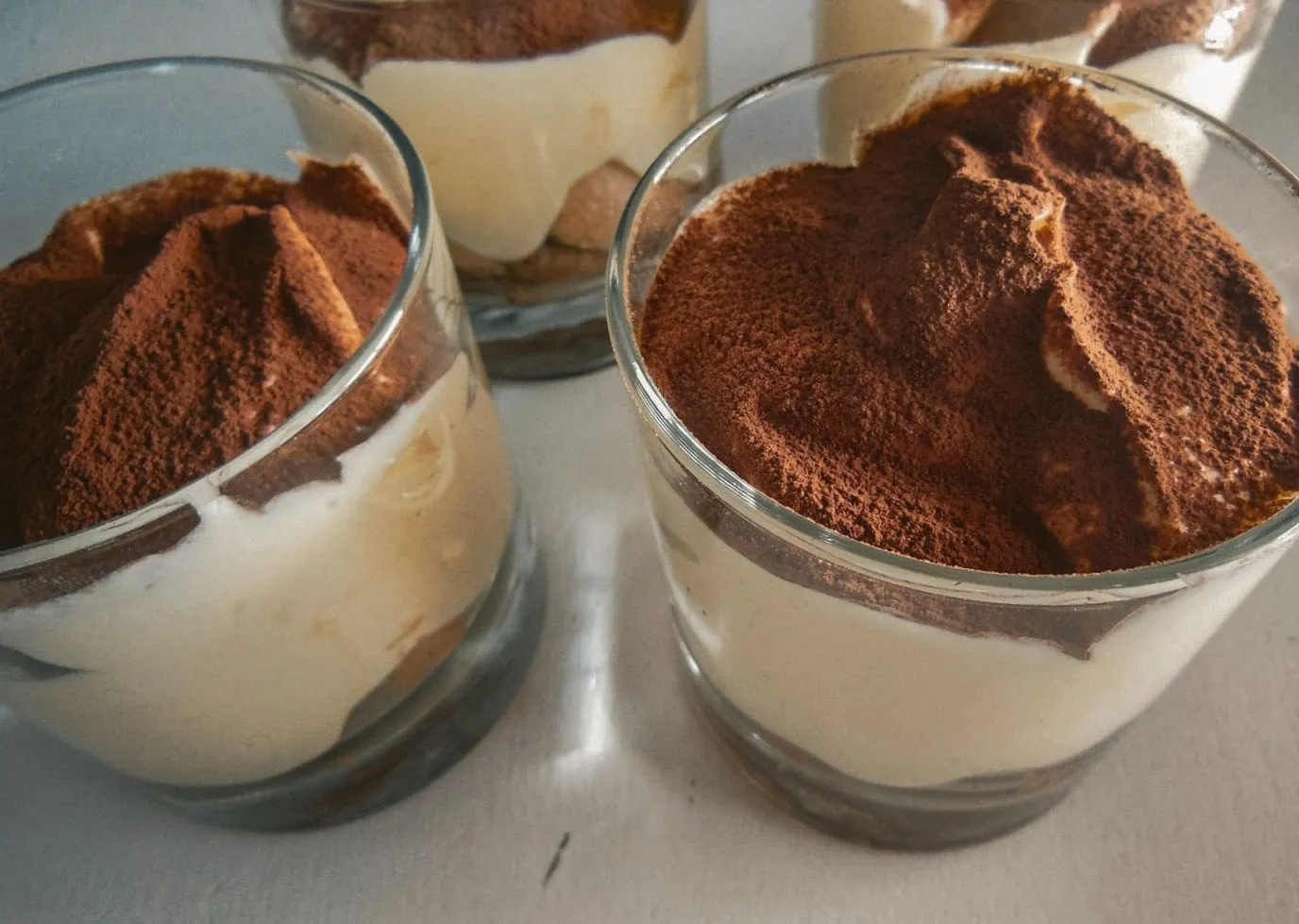
Genuinely one of the best things I did in Bari. The class runs out of a family-owned restaurant a few minutes walk from Teatro Petruzzelli and the beach, and they start you off with a glass of Prosecco while you make tiramisu from scratch. Then it’s onto fresh pasta, with two more glasses of local wine along the way (no notes). They send you home with the recipes, which is dangerous because the tiramisu is now a permanent Friday night fixture in my house. They do vegetarian options if you ask. If you want to actually learn something while eating well and drinking better, this is the one.
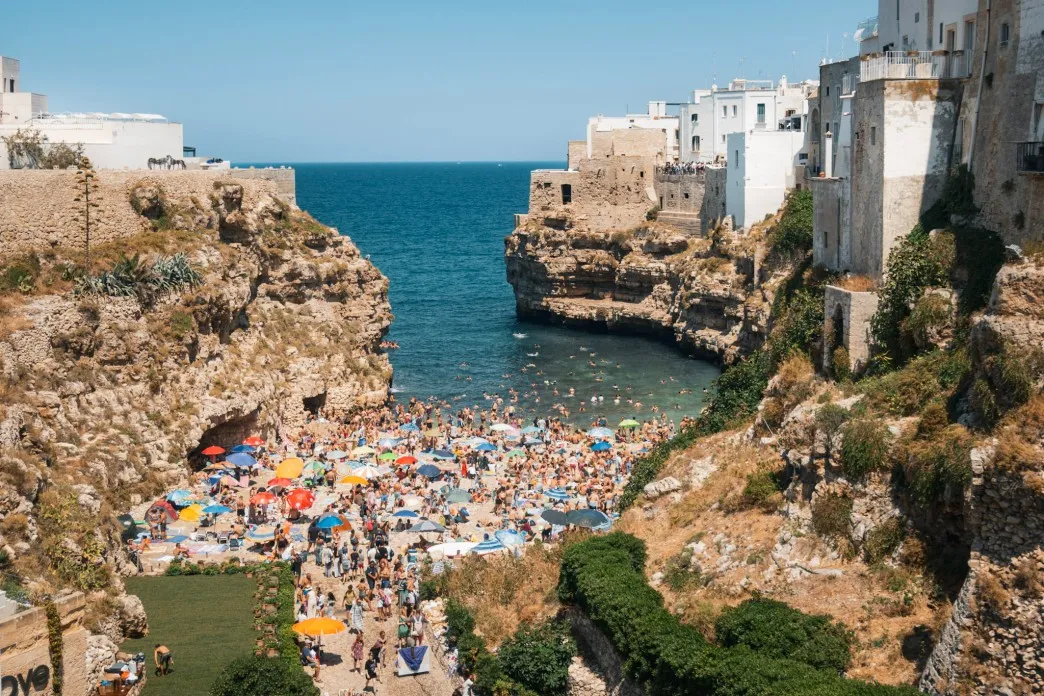
A small clifftop town built right on the edge of limestone cliffs that drop straight into turquoise water, about 40 minutes south of Bari by train. The famous shot is Lama Monachile, a tiny pebble cove squeezed between two cliffs with a Roman bridge arching over the top. Eat lunch at one of the trattorias hanging off the cliffs, swim if it’s warm, and wander the whitewashed lanes of the old town. Trains from Bari Centrale leave roughly every half hour and cost about 3 euros each way.
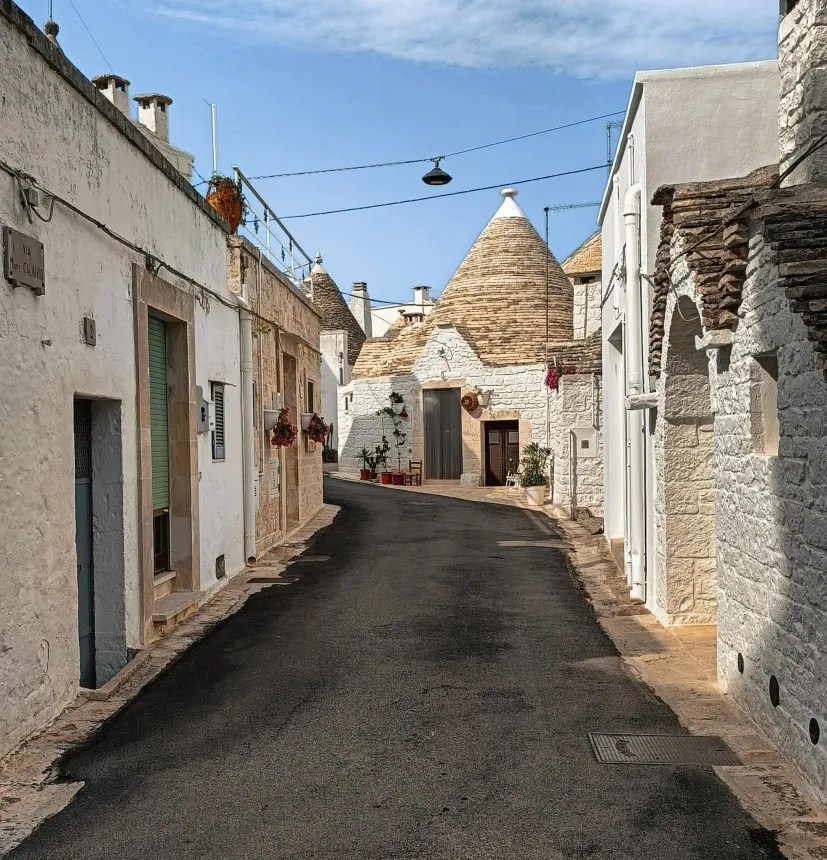
A whole town of trulli, those little circular stone houses with conical grey roofs that look like they were drawn by a five-year-old in the best possible way. Some of them date back to the 14th century, built dry-stone (no mortar) so they could be quickly dismantled to dodge property taxes. The whole thing is a UNESCO site now. The Rione Monti district has the highest concentration, and yes it’s touristy, but it’s also genuinely unlike anywhere else on earth. Easiest by car or guided tour, around an hour from Bari. Combine it with Locorotondo or the Itria Valley if you’ve got the day.
Hello, I am Tara, the creator of this travel blog! After 4 years of full-time travel, I’ve learned what actually matters when planning a trip and what’s just tourist hype. I share brutally honest guides, realistic itineraries and real tips (including the downsides) about the places I’ve been to. No sugar-coating, no fluff, just the information you actually need to plan a great trip.
Some links in this post are affiliate links, which means if you make a purchase I may earn a commission at no extra cost to you
 First time visiting Italy? Read my Italy travel guide for all the essential information you need to plan your trip.