Let me be upfront with you: trip planning is a minefield. You’ve got a finite number of holidays per year, a budget that doesn’t stretch as far as you’d like, and an internet full of people trying to sell you something. So when it comes to Kotor, Montenegro’s medieval town tucked between dramatic mountains and the Adriatic, you deserve a straight answer.
Here it is: Kotor is a nice place to visit. But it’s not for everyone and it’s not without its frustrations. This guide will give you the full picture so you can decide whether it deserves a spot on your Montenegro itinerary.
I visited Kotor after spending over a year living in big cities. Back to back months of concrete, noise and the particular kind of fatigue that comes from being constantly surrounded by people. I needed something to remind me why travel felt exciting in the first place.
Kotor gave me that nudge.
I woke up every morning actually wanting to get out of bed which, after that stretch of city living, felt almost miraculous. I’d grab my coffee from CAVE or Piccollo, wander around and just look up. The mountains are right there. Enormous, ancient, indifferent to me. I walked every single day because it felt like a waste not to. Kotor reignited something in me that I hadn’t realised had gone quiet – my love for the outdoors.
That said, I’m not here to write a love letter to Kotor. I noticed things that would put certain travellers off and you deserve to know those too before you book that Kotor trip.
RELATED: read my Kotor travel guide and the 15 best things to do in Kotor here for all the essential info to help plan your trip →

Some links in this post are affiliate links, meaning I may earn a commission at no extra cost to you if you make a purchase.
Tourist Tax: All tourists staying in Kotor for less than 30 days must pay a tourist tax within 48 hours of arrival. It costs €1 per day. The office is located here and it will be checked when you leave the country; if you don’t pay, you could be fined up to €150.
Insurance: I recommend True Traveller for EU/UK citizens and World Nomads for anyone else. Both are highly reputable and reliable travel insurers.
Mobile Data: Airalo is a super convenient eSIM that you can just download to your phone and go!
Car Rental: DiscoverCars for a large selection and competitive prices.
Best time to visit: May–June or September–October (shoulder season — warm but not heaving).
Getting there: Nearest airport is Tivat (20 mins) or Dubrovnik in Croatia (roughly 2 hours with the border crossing).
Is Kotor Worth Visiting: Pros
The Scenery Is Outstanding
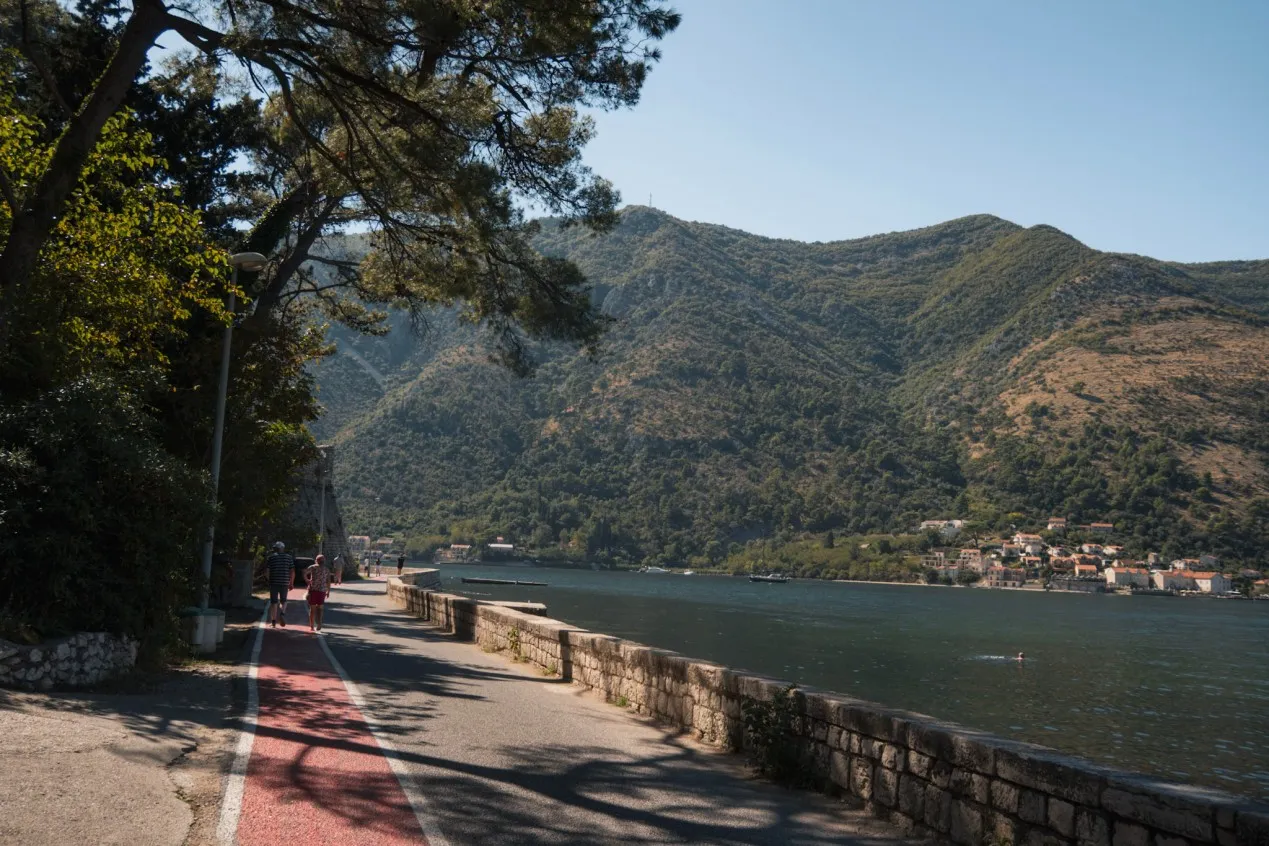
The Bay of Kotor (Boka Kotorska), often called Europe’s southernmost fjord, is one of those landscapes that stops you mid-sentence. The water is impossibly still in the early morning, the mountains are steep and forested while the light shifts constantly throughout the day. At golden hour, the whole place looks like it was designed specifically to make you feel small in the best way.
What makes it stand apart from other Mediterranean destinations is the drama of the setting. This isn’t a flat coastline with a pretty beach. It’s shimmering mountains plunging into water, with a walled medieval town sitting at the base. The only place I’ve visited that comes close is Riva del Garda in Italy.
It Is Versatile
Kotor manages to offer something for almost every type of traveller, which is rarer than it sounds.
If you want to be active, the hike up to the fortress walls above the Old Town is one of the most rewarding morning activities you’ll find anywhere in Europe. You’ll sweat profusely, you’ll complain profusely and then you’ll reach the top and immediately forget every step of it. The views are spectacular. There’s also the Kotor cable car and alpine coaster for those seeking an adrenaline kick and Fort Vrmac and Vrmac Ridge for a wilder and quieter experience.
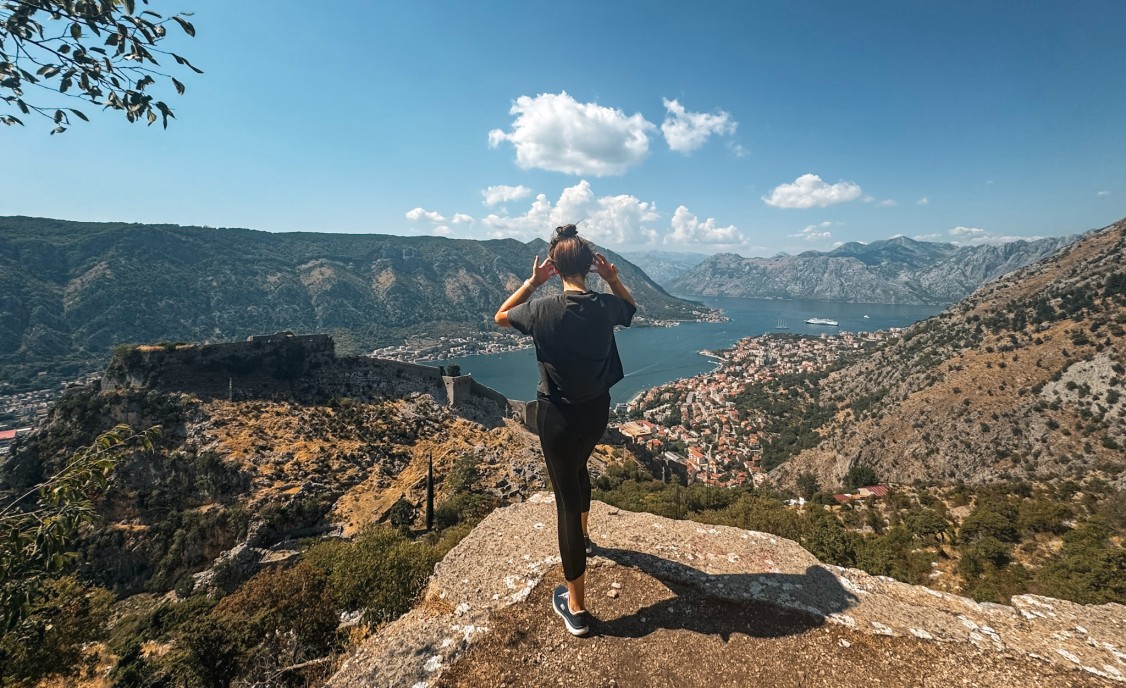
If you’d rather move slowly, the town is also perfectly set up for that too. Café terraces, boat trips across the bay, beaches and wandering without a map down little alleys.
Couples, solo travellers, adventurous families, culture seekers, Kotor has a version of itself for most of them.
The Swimming is Excellent (and Underrated)
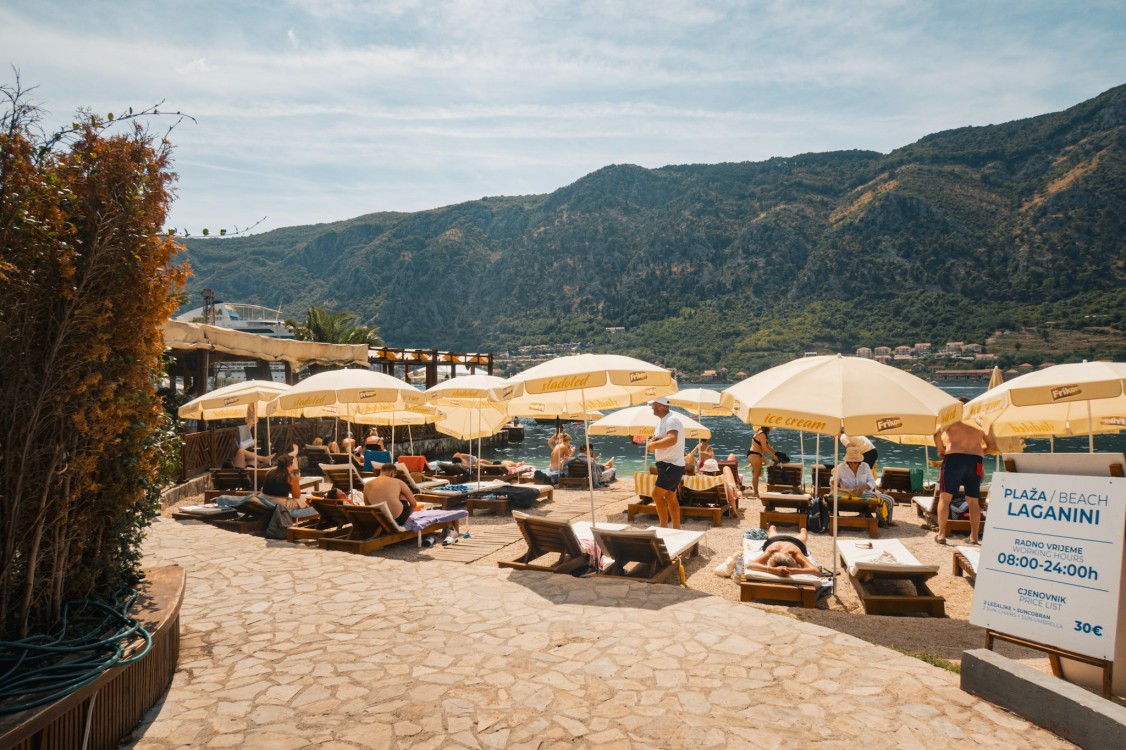
Beach access isn’t the first thing people associate with Kotor, but it’s worth factoring in. The town itself sits on the bay rather than the open sea, so swimming directly in Kotor is more about the calm, sheltered water than any kind of beach experience and honestly, that has its own appeal. But if you want proper beaches, they’re within easy reach.
Plavi Horizonti on the Luštica Peninsula is one of the most beautiful stretches of coastline in Montenegro clear water, relatively uncrowded compared to the main resort towns, and worth the short drive. Jaz Beach near Budva is larger and livelier, better suited to a day where you want a bit more going on. Both are doable as day trips, meaning you get the character of Kotor as your base without sacrificing beach time.
It’s a combination that’s harder to find than it sounds: a place with genuine history and atmosphere that also puts you within 30–45 minutes of exceptional swimming. Most destinations make you choose one or the other.
The Old Town

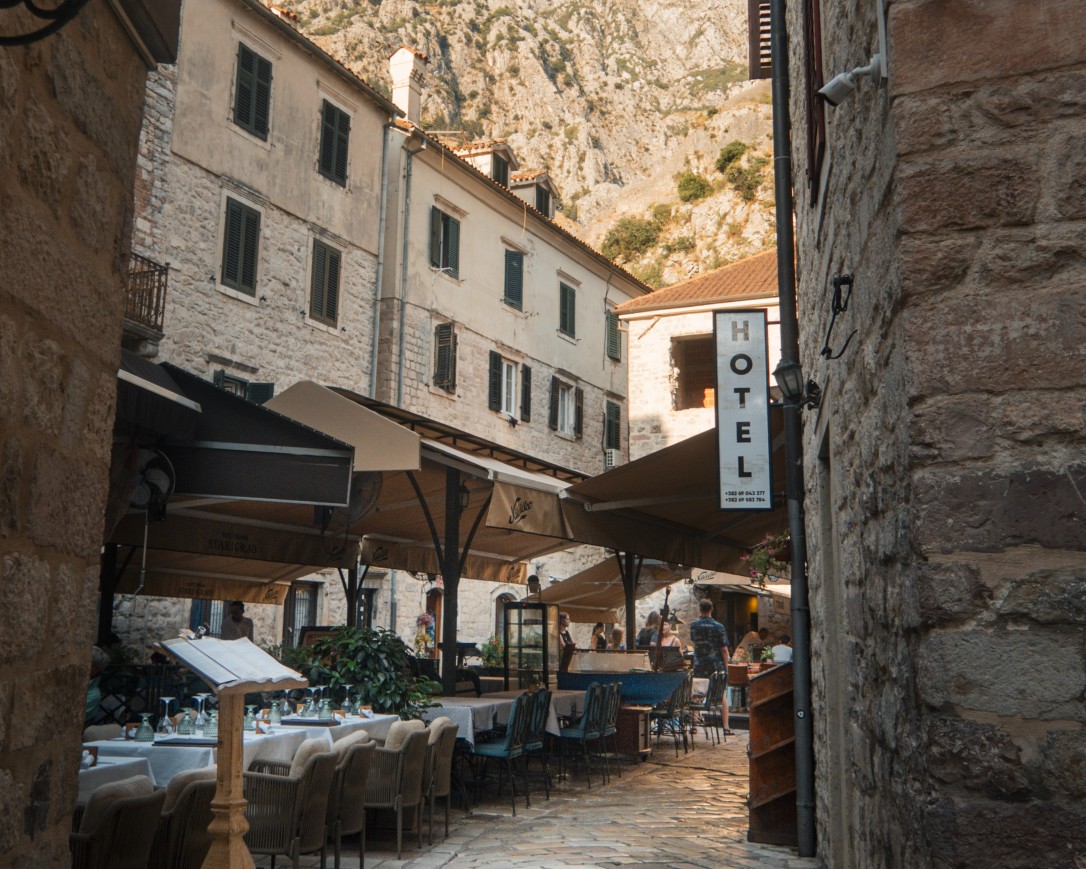
A lot of “old towns” in popular tourist destinations turn out to be a few renovated streets with souvenir shops and not much soul. Kotor’s Old Town is not that.
The medieval walls are well preserved and imposing. The squares, particularly Trg od Oružja (the Arms Square), have real atmosphere rather than a manufactured version of it. with people sitting out for hours with a cold beer or coffee. The stone alleyways are genuinely labyrinthine; you will get turned around and it will be fine, because every wrong turn leads somewhere worth seeing.
The cats are also a legitimate selling point. Kotor is famous for its resident street cats, and they’re everywhere, lounging on steps, sitting in café windows, generally conducting themselves with the dignity of people who know they own the place. There’s even a cat museum. And yes, it’s as delightful as it sounds.
It’s Remarkably Easy and Stress-Free
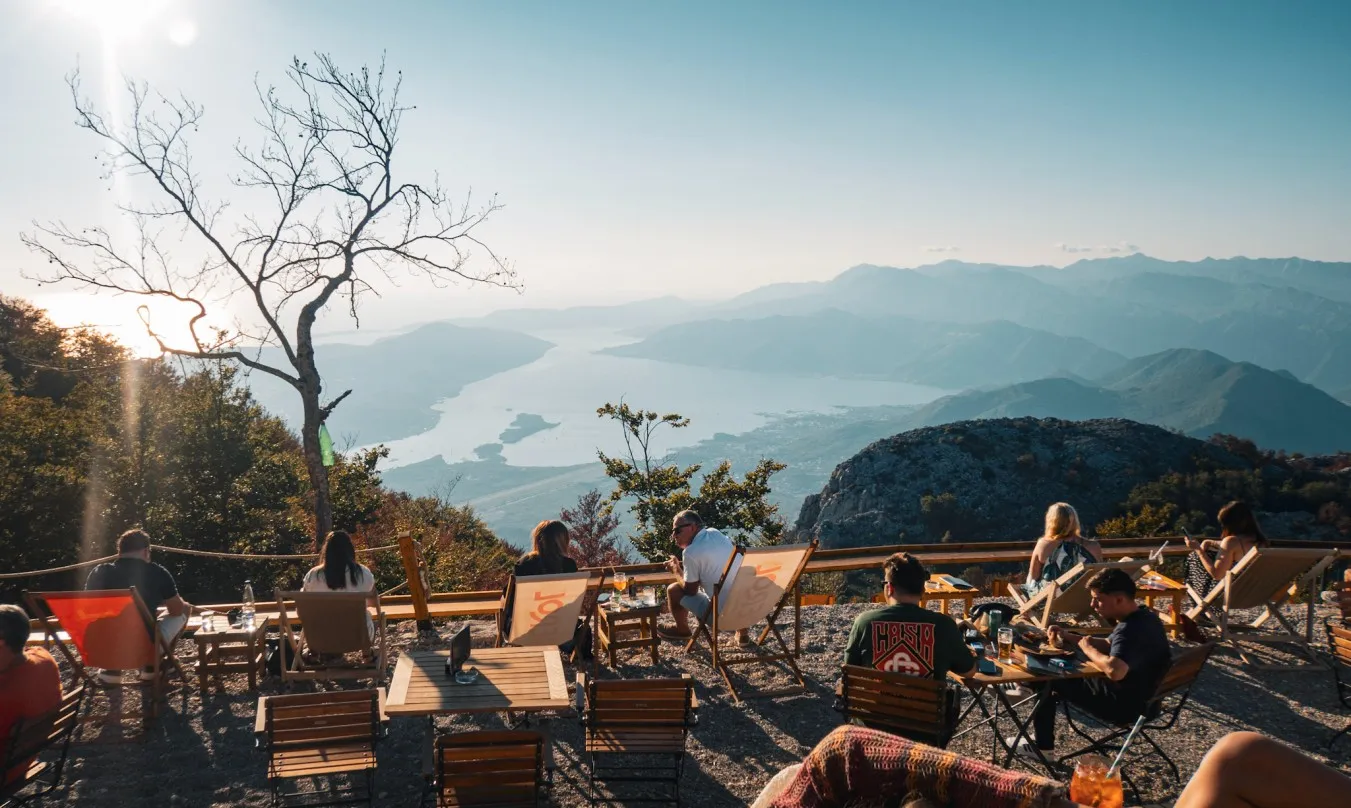
This one doesn’t get talked about enough. Kotor is a genuinely low-friction destination. Crime is very low, you can walk alone at night, leave your bag on a café chair, and generally move around without the background hum of anxiety that some cities produce. The Old Town is compact and impossible to feel truly lost in. English is spoken widely enough that navigating restaurants, accommodation, and day trips requires no real effort.
For solo travellers especially, this matters more than any single attraction. There’s a particular kind of ease that Kotor has you arrive, you can orient yourself within an hour and then you just exist there rather than constantly managing logistics. After the mental load of big city travel, that simplicity is its own kind of luxury. It feels like a holiday from the first day rather than the third.
Is Kotor Worth Visiting: Cons
Frustration Towards Tourists Is Noticeable
This is something other travel guides tend to skip over, but I think it is important.
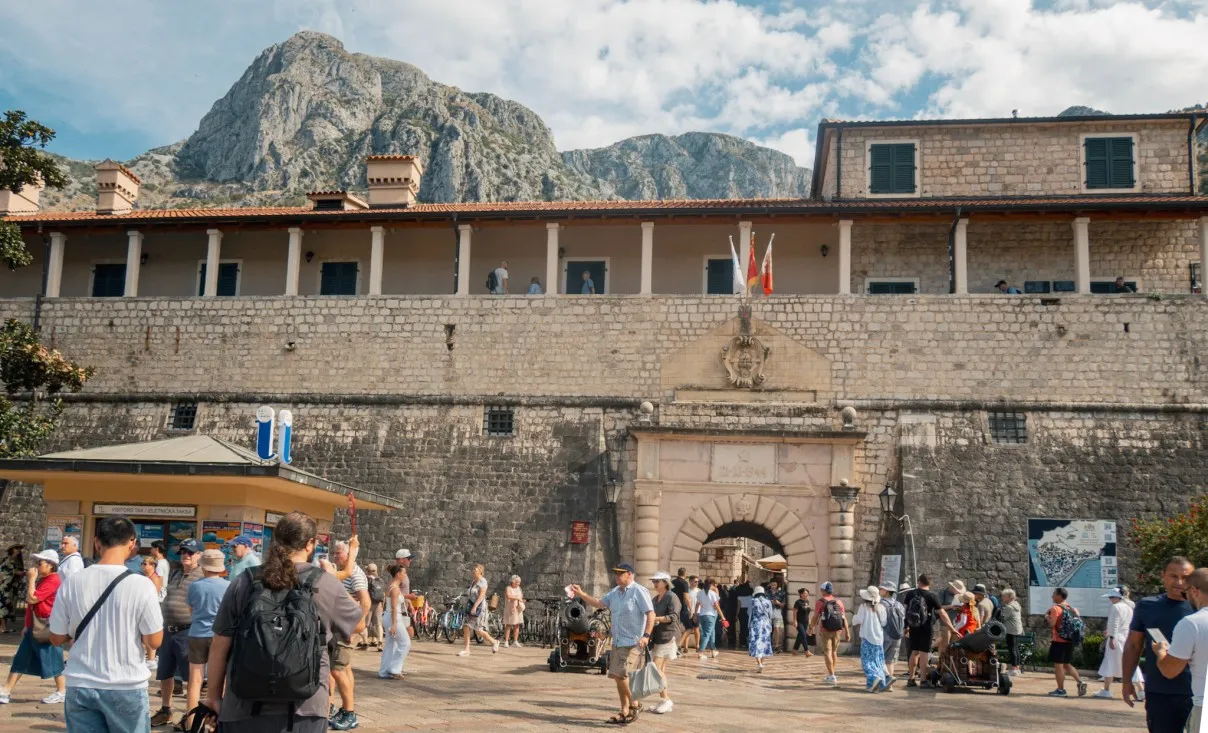
In peak season especially, there’s a palpable tension between locals and the sheer volume of visitors passing through. You may encounter a coldness in certain interactions that goes beyond reserved, it reads as genuinely fed up. This isn’t universal, and many people you meet will be warm and welcoming, but it’s worth going in without the expectation that you’ll automatically be received with enthusiasm.
The cruise ship situation is a big part of this. On certain days, thousands of passengers descend on the Old Town for just a few hours. The streets that feel atmospheric and charming at 8am can feel like a bottleneck by 11am. The frustration locals feel is understandable and worth being sensitive to as a visitor.
We found CruiseMapper to be a handy resource for checking times of cruise ship arrivals. We would plan our day around beating the crowds.
Large Crowds
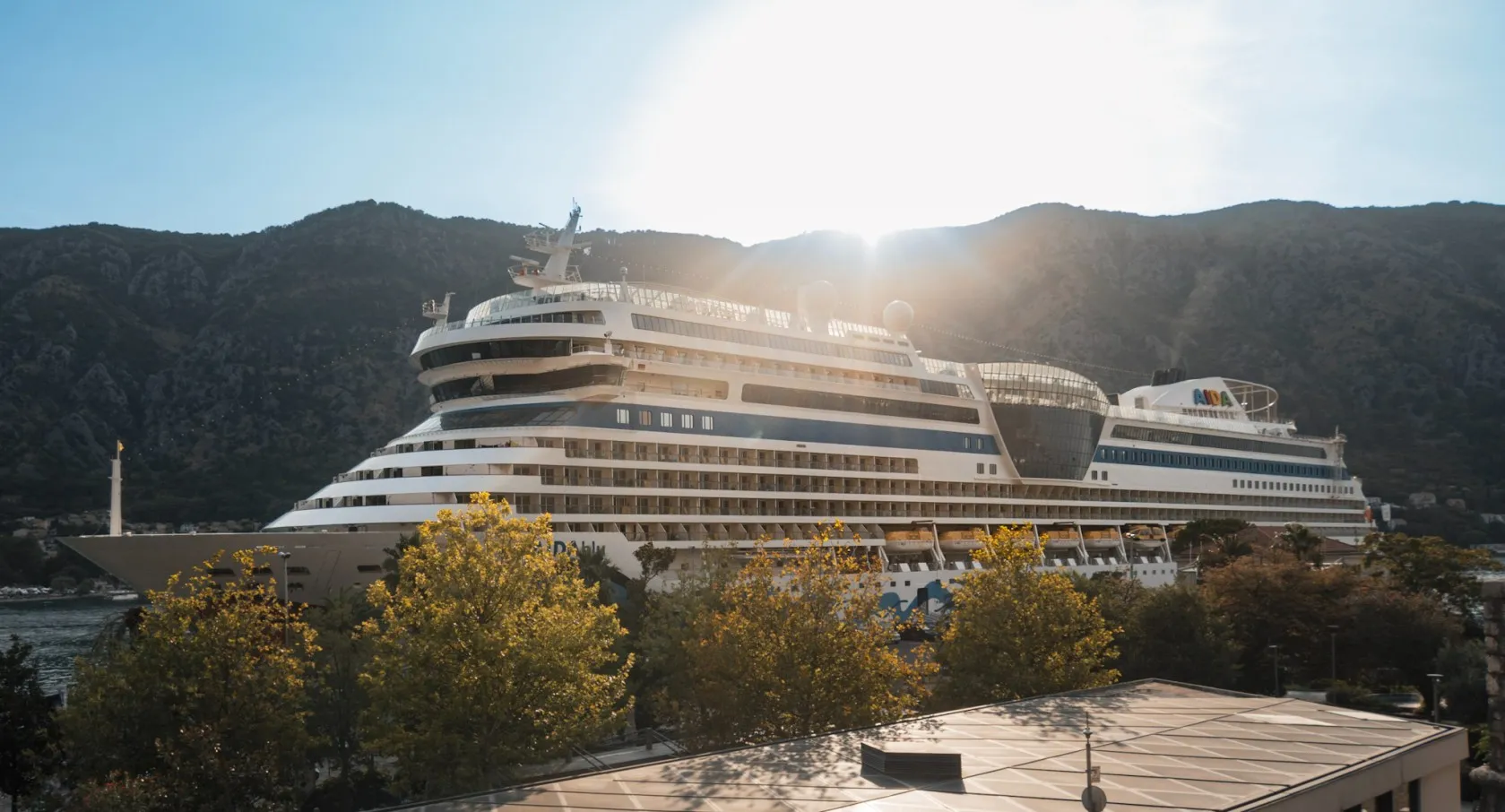
Building on that: if you visit in July or August without planning carefully, Kotor can feel overwhelming. The Old Town’s narrow streets don’t breathe well when they’re packed. The fortress hike becomes a queue. The quiet café where you imagined reading your book has no seats left.
Peak summer Kotor and shoulder season Kotor are different experiences and one is significantly better than the other.
We found August to be almost chaotic but mid-September was perfect. Good atmosphere but noticeably quieter streets.
Expensive
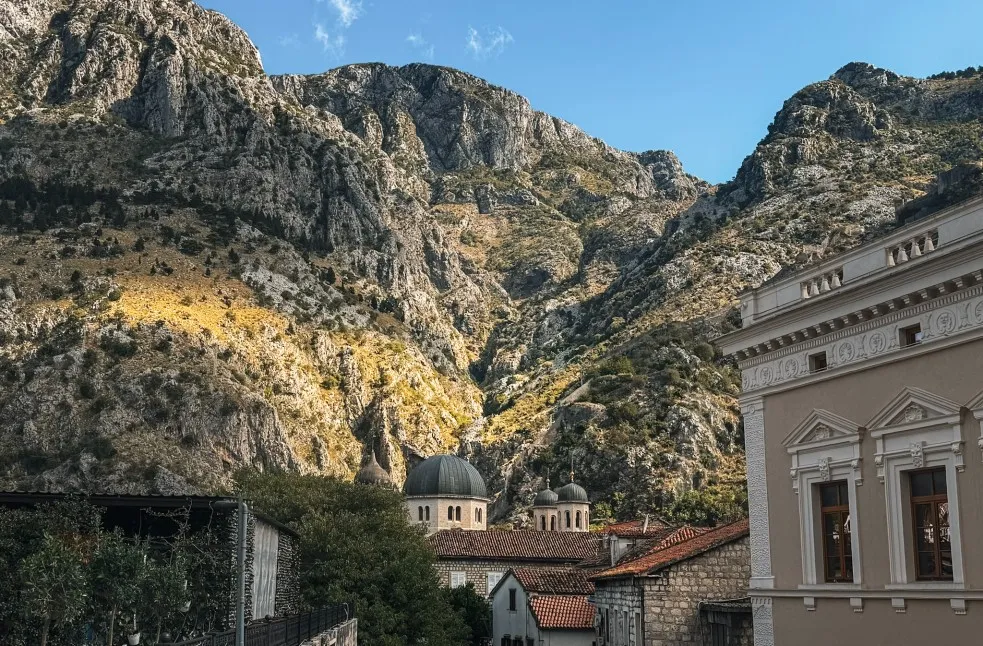
Montenegro isn’t a cheap destination by Balkan standards and Kotor sits at the pricier end.
Compared to Western Europe like France and the UK, Kotor is cheaper, but I found it more expensive than the likes of Italy and Spain, which shocked me. It will not be the most comfortable place for budget travellers.
People often expect it to be comparable to other Balkan countries, but come expecting budget travel to be effortless.
Accommodation in or near the Old Town carries a premium, restaurants in the central squares charge tourist prices and anything marketed as “experience” will cost accordingly.
Expect to pay €18 pp for a meal, €4 for a coffee, €6 for a beer and an average of €130 per night for a room in a mid-range hotel.
 Spending the night? I’ve put together a guide on where to stay in Kotor, including the best neighborhoods and hotels for all budgets.
Getting Around Requires Planning
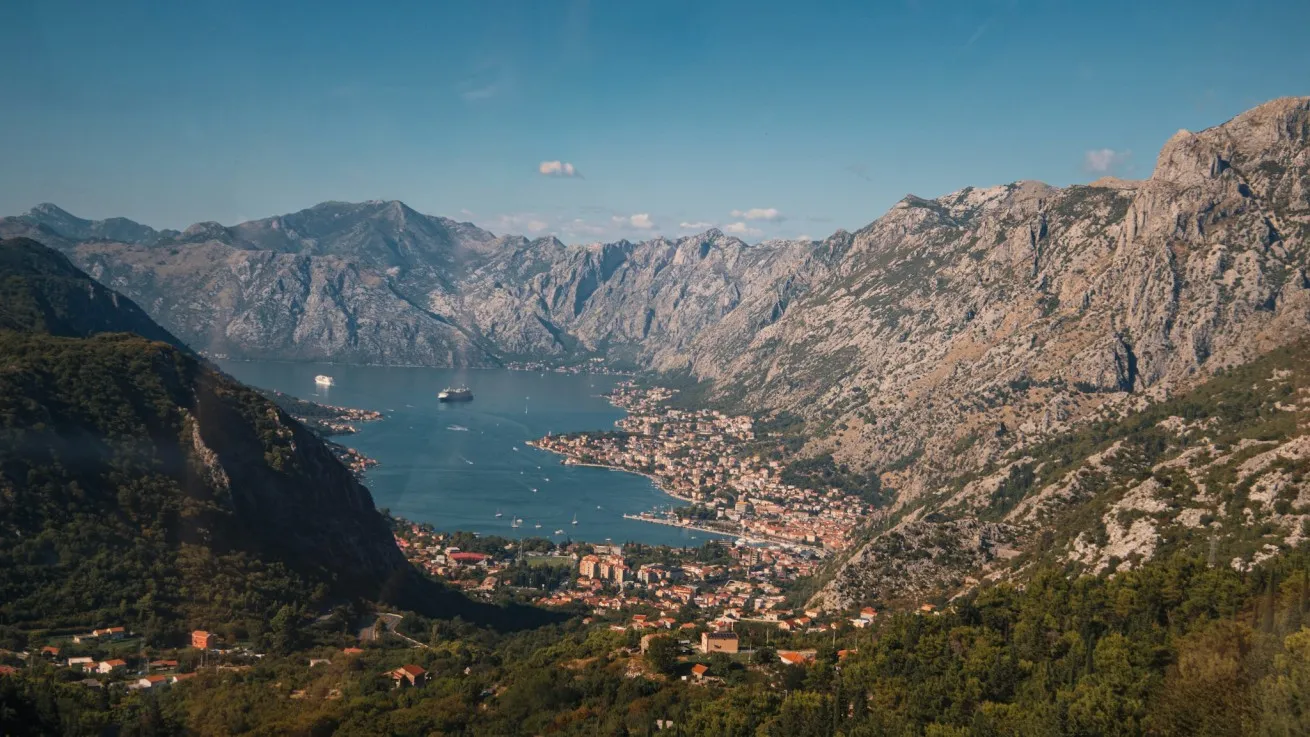
Kotor itself is walkable, but getting to nearby attractions such as Perast, the Our Lady of the Rocks island, Lovćen National Park requires either a rental car or some patience with sporadic bus schedules and expensive taxis.
If you want to explore the wider bay and surroundings (and you should they’re beautiful), factor in either the cost of car hire or the time cost of public transport. The bay isn’t particularly well set up for independent travellers without wheels.
Food Is….Fine

Here’s the honest bit that most travel content glosses over: the food in Kotor is not a highlight.
There are exceptions, fresh seafood done simply, a few spots that put real effort in (read my best cafe and restaurants in Kotor guide here) but the general standard in and around the Old Town is unremarkable.
A lot of restaurants rely on location and that most patrons are just in town for a day or two. Menus blur into one another: grilled fish, risotto, pizza, pasta. If you’re someone who plans a trip around food, Kotor will likely disappoint in that department.
Who Is Kotor For?
Kotor is an excellent fit for you if you love nature and want it front and centre, if you appreciate history and architecture without needing a packed cultural itinerary, if you’re travelling as a couple or solo, or if you’re happy to move at your own pace rather than tick off a list.
It’s also great if you’re combining it with a wider Balkans or Adriatic trip, it pairs naturally with Dubrovnik, the Montenegrin coast, or a drive inland.
It’s less of a fit if you’re visiting in peak summer without careful planning, if food and restaurant culture are central to how you enjoy a destination, or if you need great public transport infrastructure to feel comfortable.
Is Kotor Worth A Visit?
Yes, Kotor is worth visiting. But the version of it that’s worth visiting requires a little thought: shoulder season over peak summer, early mornings over midday, a car over relying on buses, and a willingness to look past the tourist-facing layer to find the place underneath it.
When you find that version, it delivers. The mountains, the light, the Old Town at dawn, the stillness of the bay, these are things that stay with you. I came home from Kotor remembering what it felt like to be genuinely excited by a place again. That’s not nothing. That’s actually quite a lot.
Just check the cruise ship schedule before you go 😉