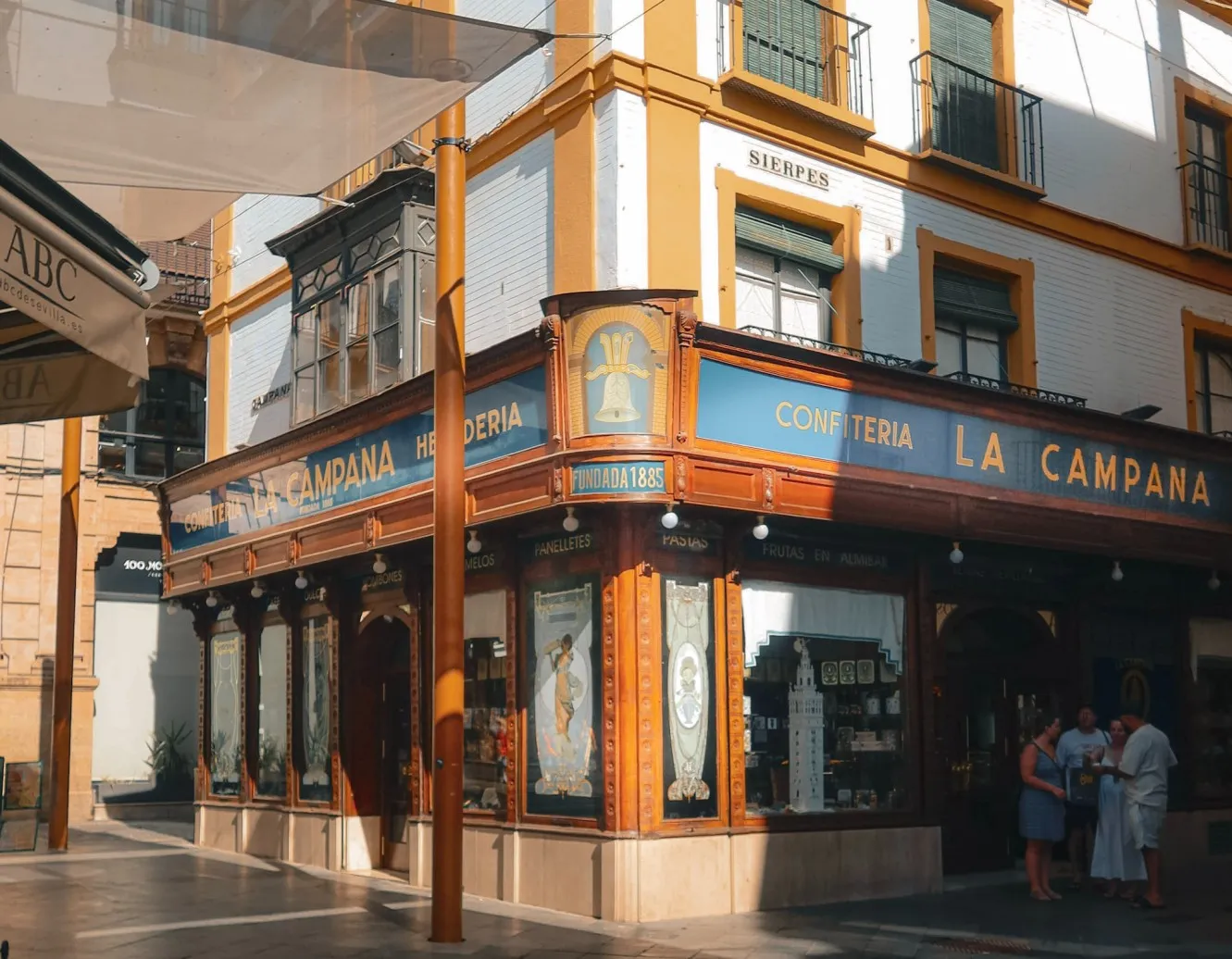
S P A I N
travel guide
Spain is the trip I keep coming back to without ever feeling like I’ve covered it. I’ve been multiple times now, Madrid, Barcelona, Andalucía, and there’s still a list of places I haven’t touched. That’s the thing about Spain: it doesn’t behave like one country. Every region runs on its own food, its own pace, its own version of what a good night out looks like, and just when you think you’ve got a handle on it, you end up somewhere new that reshuffles the whole picture.
This Spain travel guide has all the practical information you need before you go, plus the blog posts I wrote along the way, from the regions worth basing yourself in to the dishes I kept ordering again.
How To Get Around Spain
Spain is a country built for the train, and you’ll rarely need to fly between cities the way you might elsewhere. The high-speed network is extensive, the regional buses fill in almost everything the rails don’t reach, and a rental car only really earns its keep once you’re off the main corridors. A bit of planning here saves real money, since the price gap between operators on the same route can be considerable.
Train
Spanish high-speed rail isn’t a single operator anymore, and the difference between the options matters.
- AVE: Renfe’s flagship high-speed service, and still the backbone of the network. Madrid to Barcelona in two and a half hours, Madrid to Seville in under three. Full service, multiple classes, proper catering on the longer routes, and no luggage limits worth worrying about. This is what you want if comfort and reliability matter more than shaving off a few euros.
- Iryo: the newer, more upscale competitor, using Italian-built Frecciarossa-style trains in an aggressive red livery. Runs Madrid-Barcelona, Madrid-Valencia, and the Andalusia corridors through Córdoba. Quality catering, often a touch nicer than AVE, sometimes similarly priced once you book ahead.
- Avlo: Renfe’s own low-cost spin-off, distinctive purple trains, one class, no catering, and luggage restrictions that actually get enforced. Cheap fares if you book early, but pay attention to the suitcase size, going over it costs more than you’d expect.
- Ouigo: the French import, run by SNCF, double-decker trains in pink and blue that some people love and some find a bit much after three hours. The cheapest of the bunch on the routes it covers, with optional XL seats for a few euros more.
- Alvia: the hybrid service that runs partly on high-speed track and partly on the older conventional lines, useful for reaching places the pure high-speed network skips, much of the north and the routes toward Galicia.
- Regional and Cercanías trains: the local and medium-distance services, slower, no seat reservation needed, and the way you’ll get between smaller towns the high-speed lines don’t touch.
There are three ways to book Spanish trains: directly through Renfe, Iryo, Avlo or Ouigo’s own sites, in person at the station, or through a third-party app like Omio where you can compare them all at once.
Omio — the easiest way to book buses and trains across Spain.
I use Omio for one reason: it’s the easiest place to compare trains, buses, and the occasional ferry across Spain in a single screen. You search a route, see Renfe, Iryo, Avlo and the relevant bus options side by side, book in two taps, and the ticket lives in the app on your phone.
The real value: every ticket lives on your phone. No printing, no fishing through inboxes on a platform when the conductor walks past.
The booking process takes about thirty seconds. The ticket arrives instantly. On the day of travel, you open the app, show the QR code or the seat number to the conductor, and that’s it.
Book on Omio →Bus
If a train doesn’t go where you’re headed, or the fare gap is too wide to ignore, the bus fills the space. Spain’s bus network reaches further into the country than the rails do, and it’s often the only way into the smaller white villages, rural Andalusia, or the back roads off the main coast.
ALSA is the dominant operator, running most of the intercity and long-distance routes with a reach that genuinely covers the whole country. Avanza is the other major name, particularly strong in the centre and north. Both run modern coaches with wifi and reclining seats, and both have English-language websites, so booking ahead isn’t a guessing game.
Local and regional buses inside the bigger cities run on their own ticketing systems entirely, Madrid’s Tarjeta Multi, Barcelona’s T-casual, that kind of thing, and you’re generally better off with the card than paying cash on board.
Car
Spanish drivers are confident rather than careful, and the cities are not where you want to be behind the wheel for the first time.
A few things to know before you pick up the keys:
You don’t need a car in any major Spanish city. Madrid, Barcelona, Seville, Valencia, none of them require it, and several now run low-emission zones in the centre that restrict or fine older or unregistered vehicles automatically by camera. The fine arrives later, by post, and it is enforced. Don’t risk it without checking first.
Where a car earns its place is the open country: the white villages of Andalusia, the back roads of Galicia, the wine regions of La Rioja, anywhere the rail map thins out. The driving outside the cities is enjoyable. Inside them, not so much.
A few practical points:
- Roads marked AP are autopistas, the toll motorways. Take a ticket on entry, pay on exit, have a card or cash ready.
- Roads marked A are autovías, the free motorways, broadly as good as the toll roads but occasionally slower in the busiest stretches.
- Speed limits sit at 120kph on autopistas, 90kph on autovías, and 50kph through towns, and they’re enforced by camera as much as by police on the road. The fines follow you home.
- If you’re stopped and fined on the spot, paying immediately gets you a discount, around half off in many cases, so it’s worth having a card on hand.
- Bank holidays and the start of August see the whole country move at once, expect serious traffic jams out of the big cities on those weekends.
DiscoverCars for the best prices, every time.
If a car is non-negotiable for the trip you’re planning, DiscoverCars consistently finds the best price by comparing every rental company at the airport in a single screen. Pick up at the airport, drop off at the airport, and let the cities have their pedestrian peace.
Compare prices →
Best Time To Visit Spain?
Mild everywhere at once, which is rare for a country this size. Seville’s orange blossom in March, Semana Santa processions through April, Feria de Abril right after. By May the south is already warming up and the north is just hitting its stride. Long days, no need for air conditioning yet.
Brutal inland. Madrid and Seville push past 38°C, and the interior empties out for a reason. The coast and the north make more sense, San Sebastián, the Basque beaches, anywhere with a sea breeze. August is when the whole country goes on holiday at once, so cities thin out but the coast fills up and prices follow.
The best stretch of the year by most accounts. September still feels like summer along the coast, with warm water and thinner crowds. October brings the grape harvest in La Rioja and mushroom season up north. The light turns gold, the heat breaks, and everyone who left in August is back to make the cities feel normal again.
Splits the country in two. The interior gets properly cold, Madrid needs a real coat, and the north stays grey and wet. The south barely notices, with the Costa del Sol still good for an outdoor lunch in January. Skiing picks up in the Pyrenees and the Sierra Nevada, and the cities empty out enough that the museums feel like yours.
Go mid-September to mid-October. Warm enough for the coast, cool enough for the cities, and the harvest festivals are reason enough on their own.
The one to avoid: August, especially the first half. The interior is an oven, the coast is fully booked, and a fair number of restaurants in Madrid just close for the month. Go literally any other time.
Where To Go In Spain

Landlocked, properly seasonal, and the most expensive corner outside the coast. Hot summers, cold winters, and a capital that runs on late dinners and a museum scene that rivals anywhere in Europe.

The other expensive corner, and the one most likely to eat your whole budget if you let it. Gaudí’s buildings, a serious food scene, and a coastline that gets crowded the moment summer hits.

The cheapest of the headline regions, and the one with the deepest Moorish history, the Alhambra, the Mezquita, the whole layered story of Al-Andalus written into the architecture. Brutally hot in summer, mild the rest of the year.
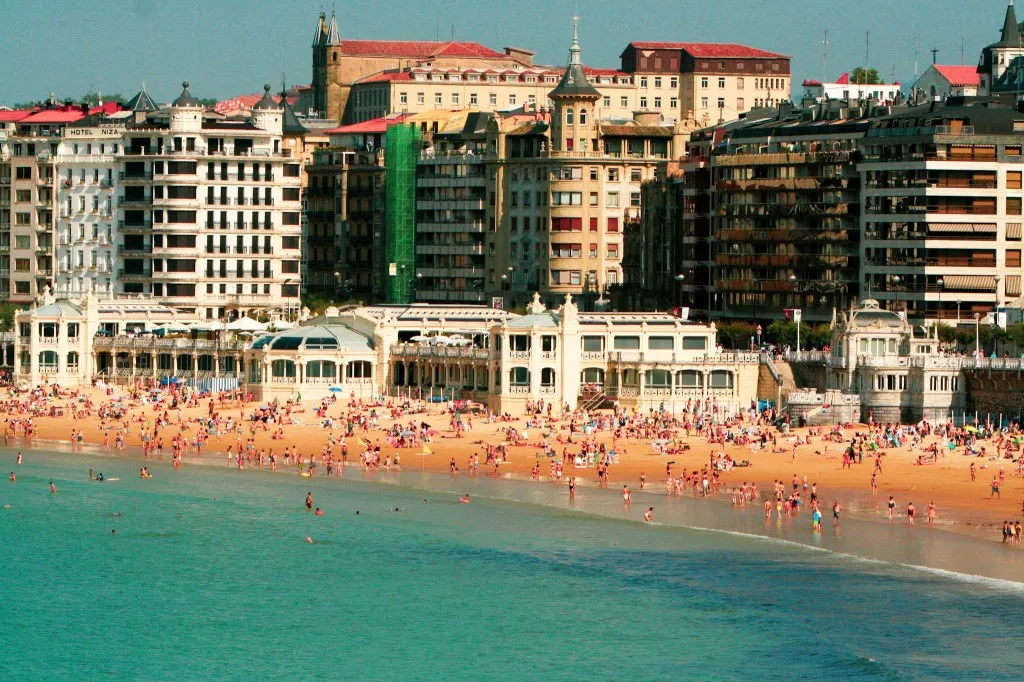
Spain’s food capital and its wettest, greenest corner. Cooler, rainier, more expensive than the south but cheaper than Barcelona, with a coastline that looks more like Ireland than the Mediterranean.

Paella’s birthplace, a genuinely underrated city, and a coastline that’s warmer and cheaper than Barcelona’s without losing much in the way of charm.
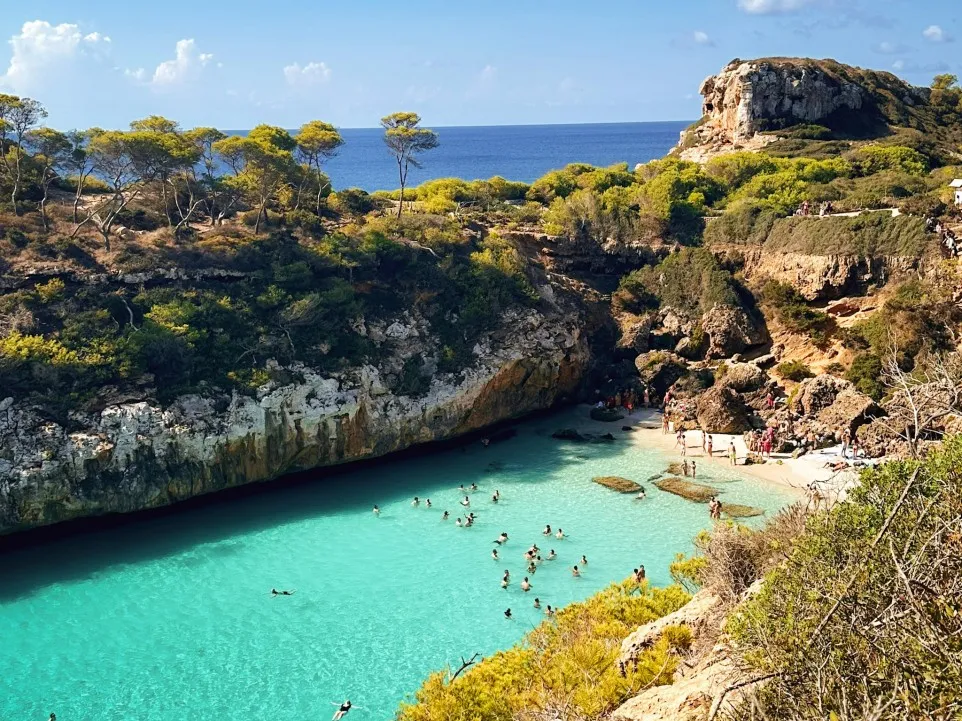
Two entirely different propositions. The Balearics are a Mediterranean summer at a premium. The Canaries sit off the African coast and run mild and sunny through winter.
Andalucía gives you the most for the least, the history, the food, and the weather all line up. Madrid and Barcelona are unmissable but expensive, similar in price to any major European capital. The north is the one most people skip, and shouldn’t.
Spanish Food: What To Eat In Spain
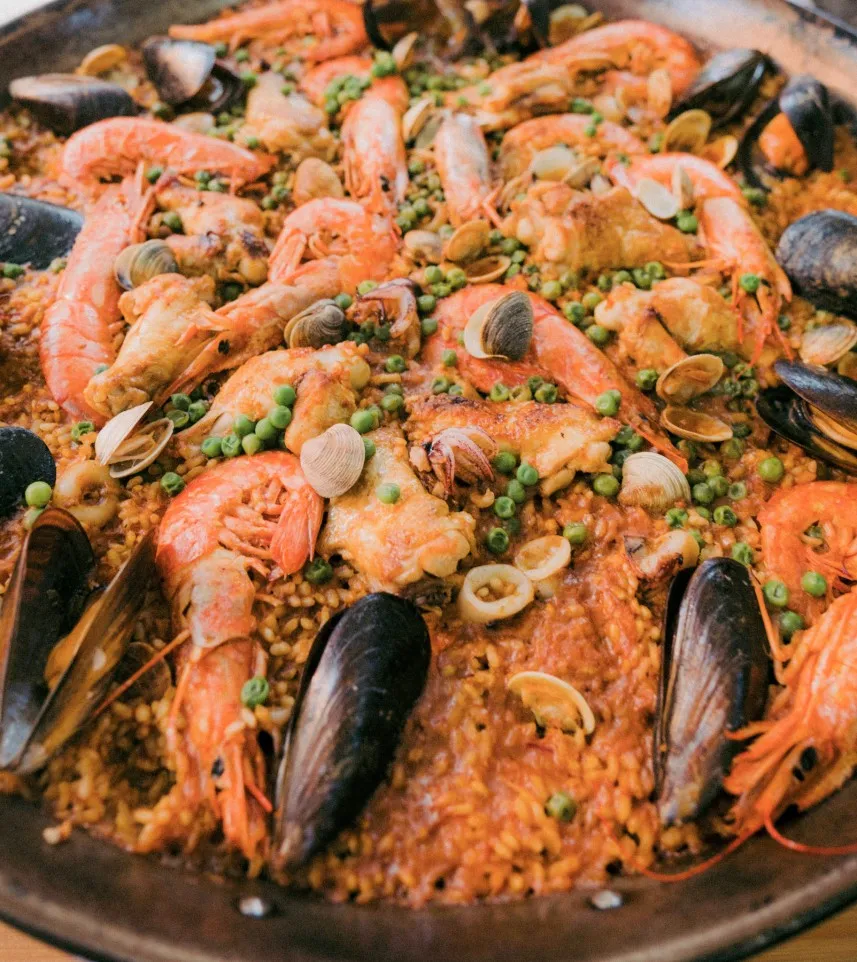
Spanish food runs on olive oil, garlic and good pork rather than chili heat, and it’s built for sharing rather than eating alone. Tapas culture means a table covered in small plates instead of one big one, and jamón, cured slowly over months, shows up everywhere from a bar counter to a Sunday lunch. Saffron rice dishes dominate the coast, cold soups get you through the worst of the summer heat, and the whole day runs late: lunch at 2 or 3, dinner rarely before 9.
Ten dishes worth ordering on purpose rather than whatever the menu happens to push at tourists.









Airalo: install a plan before you land.
The airport SIM card desk is a tax on people who didn’t plan ahead. Airalo sells eSIMs you install on your phone before you leave home; you land in Spain, switch the line on, and you’re online before you’ve reached passport control. A Spain only plan covers a one week trip; a Europe-wide plan is the move if you’re hopping borders.
Check first that your phone supports eSIM (most phones from 2018 onwards do) and that it isn’t carrier-locked.
Browse plans →Spain Travel Guides

BARCELONA
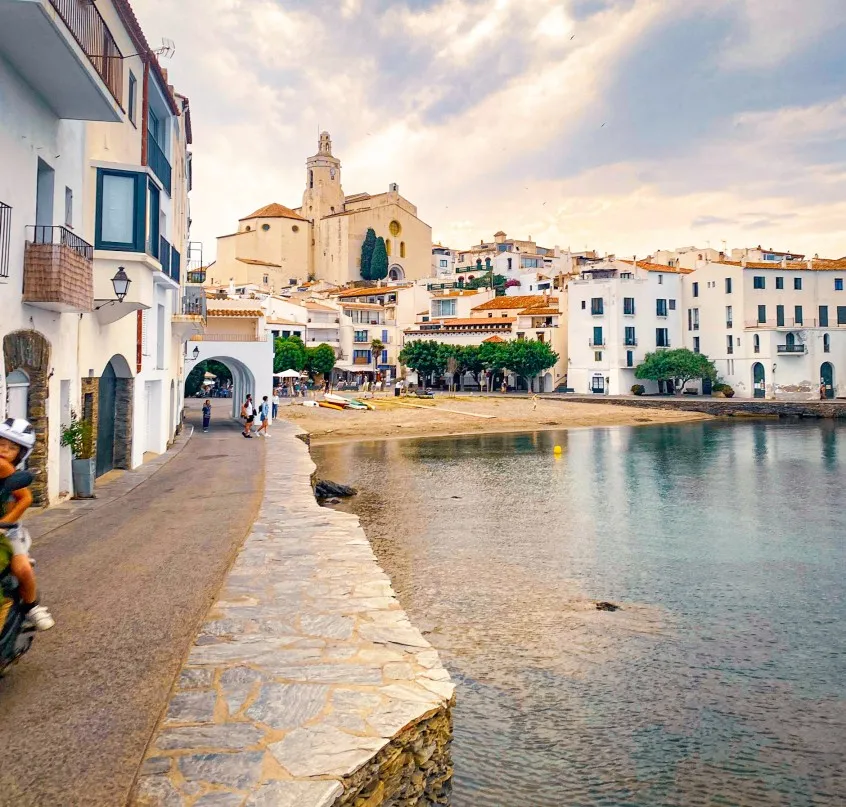
CADAQUES

MADRID

MALAGA

MONTSERRAT
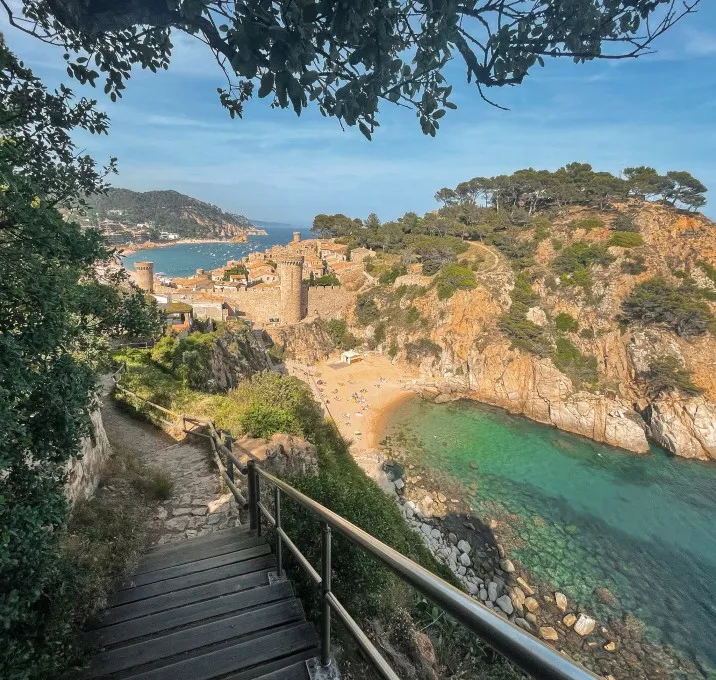
TOSSA de MAR
