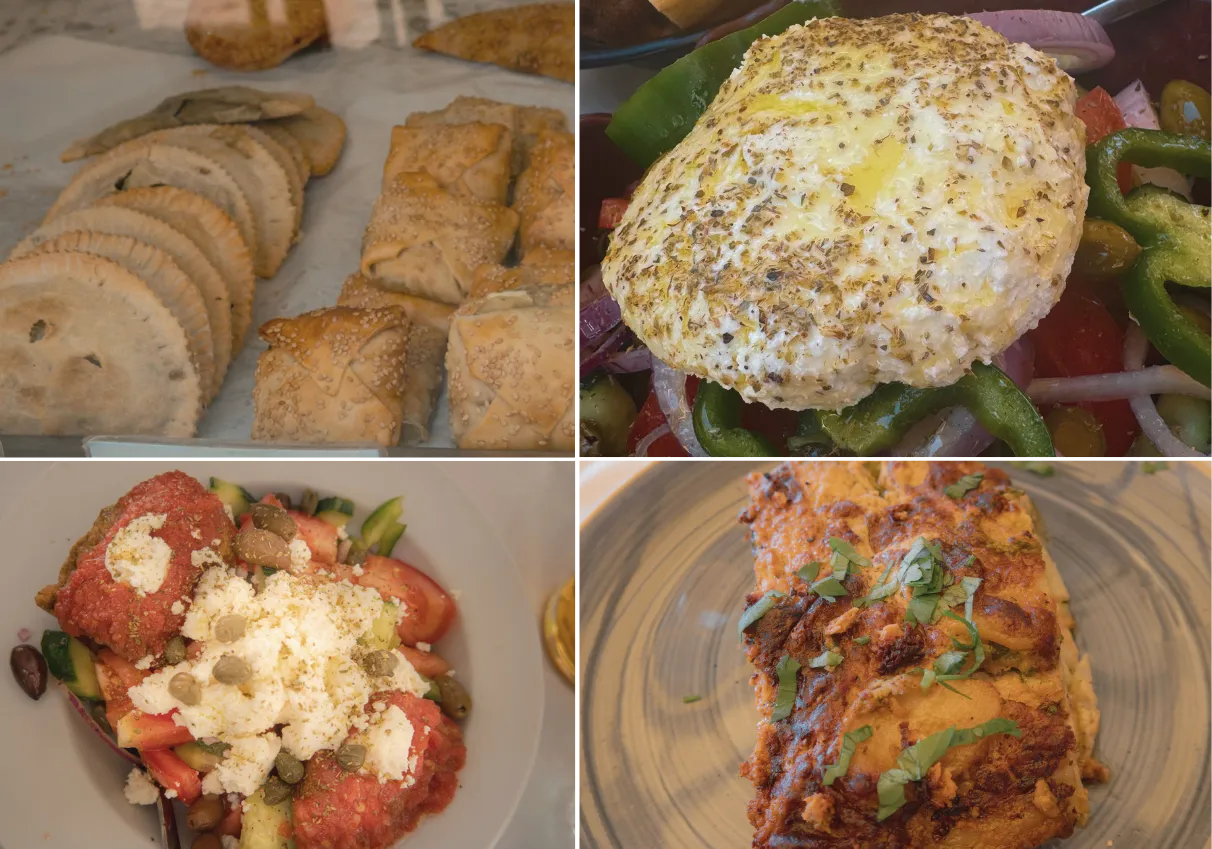
I went to Crete with the expectation I would lose a few pounds, basking in the mediterranean diet, I was certain I would be unrecognisable on my departure. Yeah, that didn’t happen, instead I had a big fat Greek summer. Literally, I gained some pounds. I don’t know why I was surprised as I spent the months in tavernas eating cheese, fish lathered in olive oil and so many pies. I won’t lie, it was great.
If you’ve already been to Greece and think you know what to expect from Cretan cuisine, think again. Crete, the largest island in Greece, has a whole culinary identity of its own. One shaped more by mountains, shepherds and monasteries than by the moussaka-and-tzatziki version of Greek food most people picture. Mizithra cheese instead of feta, raki instead of ouzo. It’s Greek food, but not the Greek food you think you know.

What To Expect from Cretan Food
Cretans are considered one of the healthier populations on earth, with a life expectancy of 82 for men, 85 for women, along with low incidences of cancer and heart disease. It’s a diet that has been studied for decades. Then you take a seat at a local restaurant, cheese is plentiful, food is fried and raki is flowing like water.
But Cretans have perfected the art of balance. Olive oil (more produced here per capita than anywhere in the world), fresh vegetables, legumes and wild herbs are the foundations of this island’s diet. Red meats are not consumed as much as they are on the mainland. When meat is on the table, it’s often goat. That was a surprise to me.
Some of the best meals I ate were entirely vegetable. Boureki was a meal. A plate of dakos was lunch. It was refreshing to not base every meal around a piece of meat.
Hunger was a rare sensation during my time in Crete. Meals here are made to be shared, placed in the centre of the table surrounded by family. We typically got two to three dishes to share between my partner and I. Just when we though we couldn’t squeeze anymore food, we ask for the cheque, and a complimentary dessert and raki was placed on the table. Turns out, we always had room for more. Raki after a meal is a Cretan tradition, it is believed to aid digestion and promote good health. Yamas.

a few things to know…
1
Greek meal times
Many cafes serve brunch until 1 or 2, tavernas open for lunch at 1 PM and then dinner is around 6 PM. But locals tend to eat dinner between 9 and 10 PM. Eating early can mean you have the place to yourself.
2
Don’t be in a rush
Service is slow, it’s not a restaurant fault, it’s just the culture. The food takes it time, as does the bill. It’s all part of island living.
3
Tipping
It’s always appreciated but 5-10 % is expected for good service.
Cretan Food You Must Try
1. Sfakian Pie
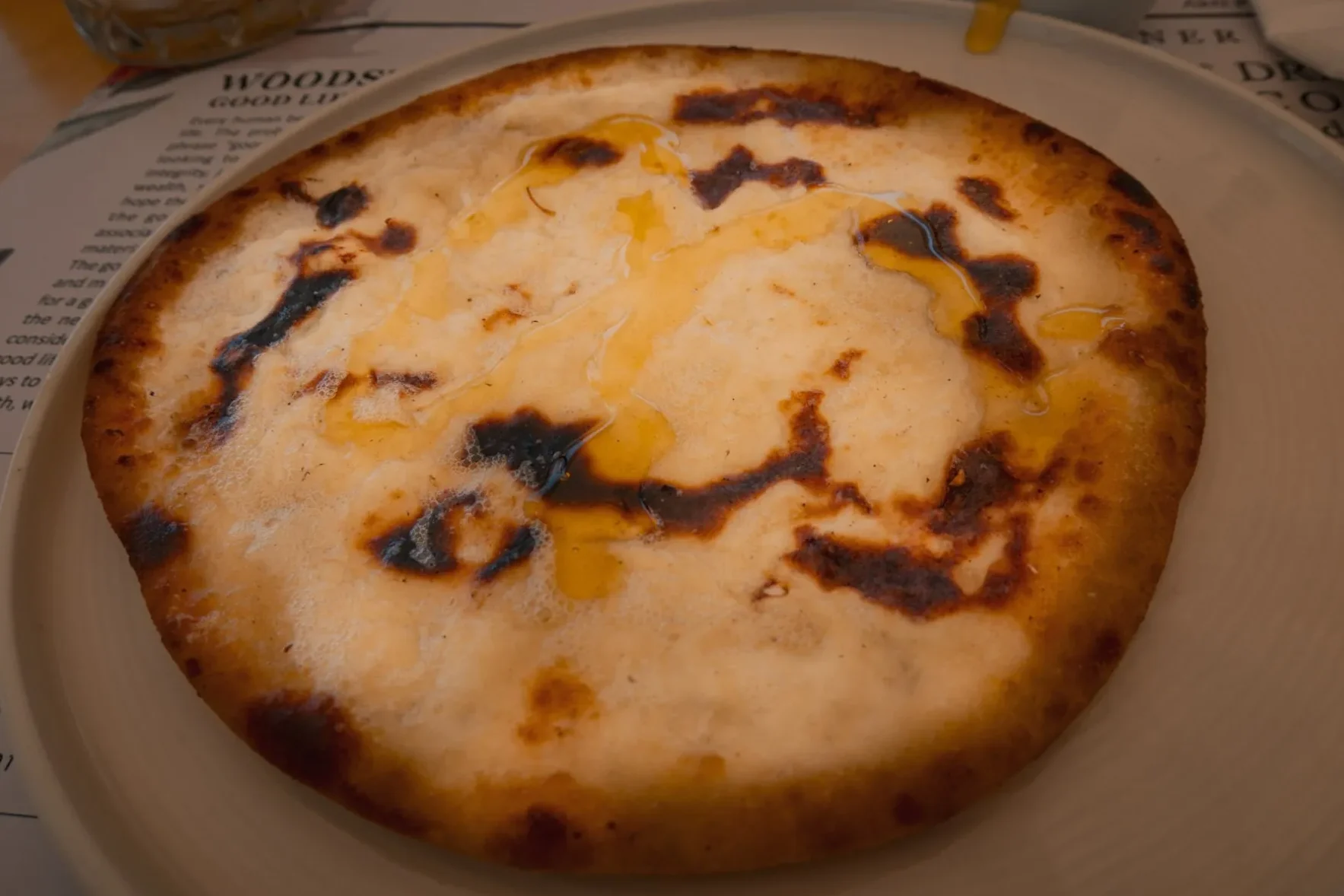
Cretans love their pies, just walk into any bakery on the island and you’ll be hit with rows of them stacked behind glass. Forget whatever pie you’re picturing; these are thin and pan-cooked, closer to a crepe than anything baked in a tin.
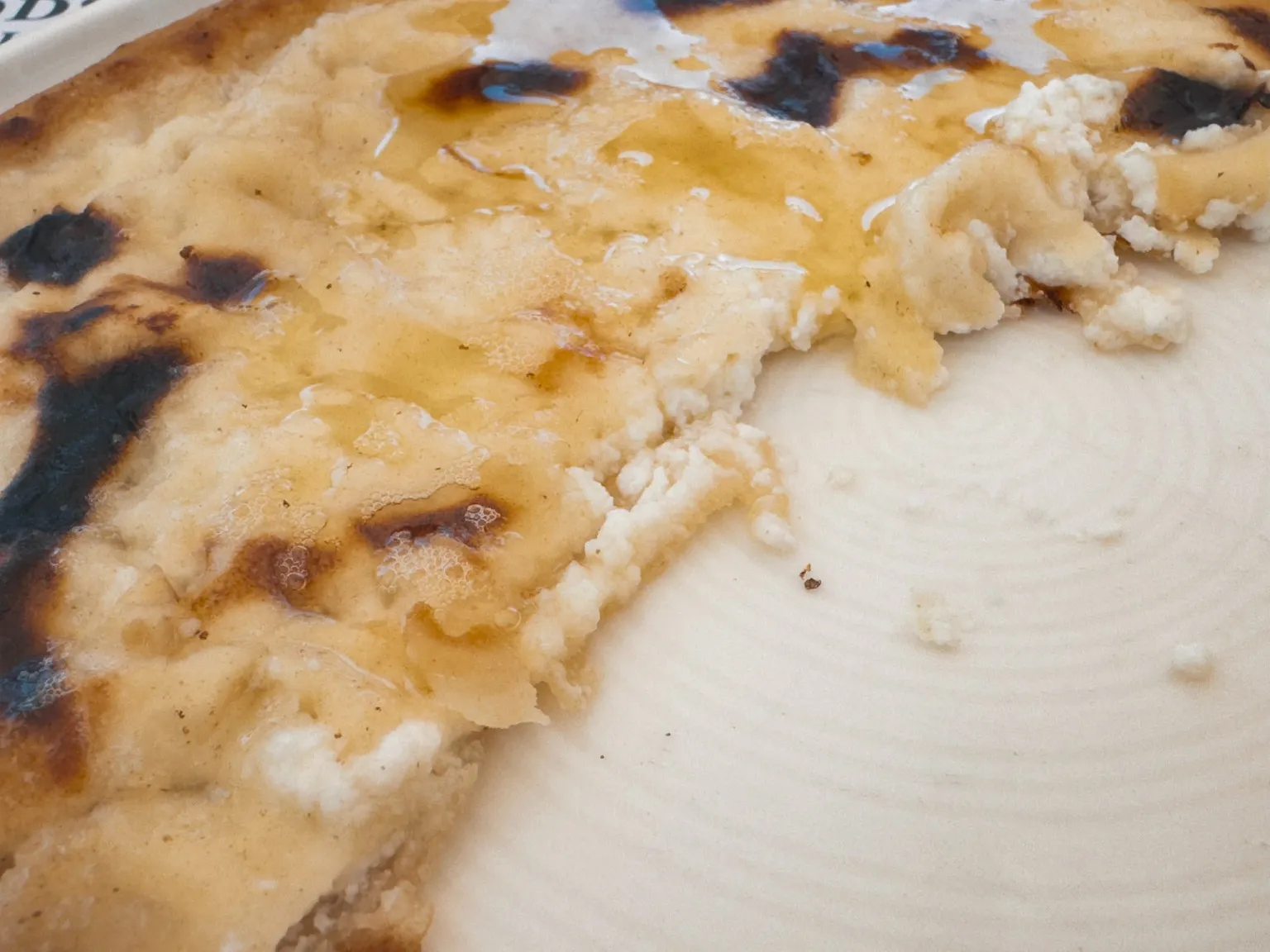
Sfakian Pie was my favorite. Plate-sized, stuffed with soft, milky mizithra cheese, fried until the edges turn crackly and gold, then drowned in dark local honey. Sweet, salty, crisp, gooey, it was my go-to breakfast. Thankfully, it’s light enough that there is space for a second.
2. Boureki
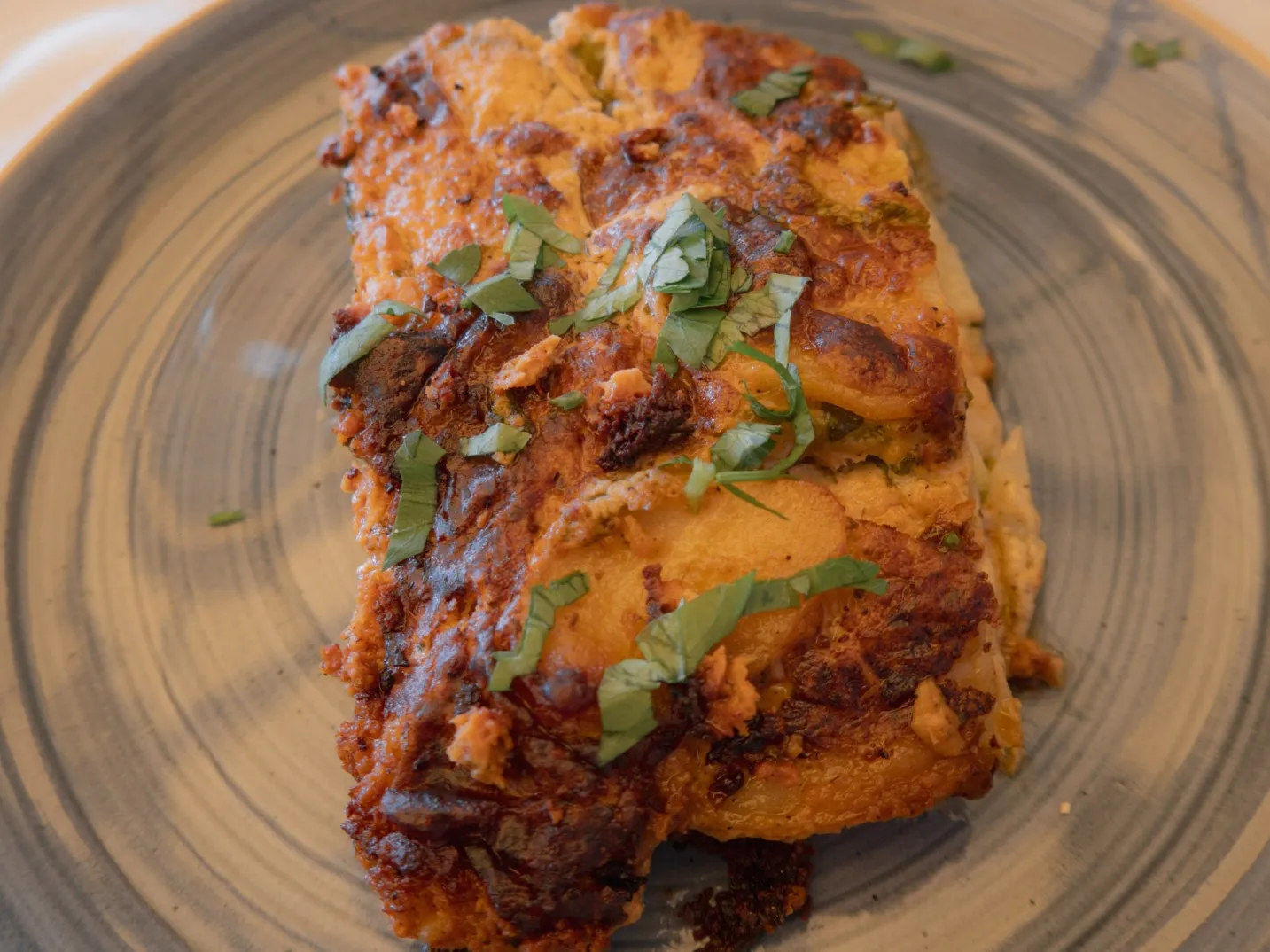
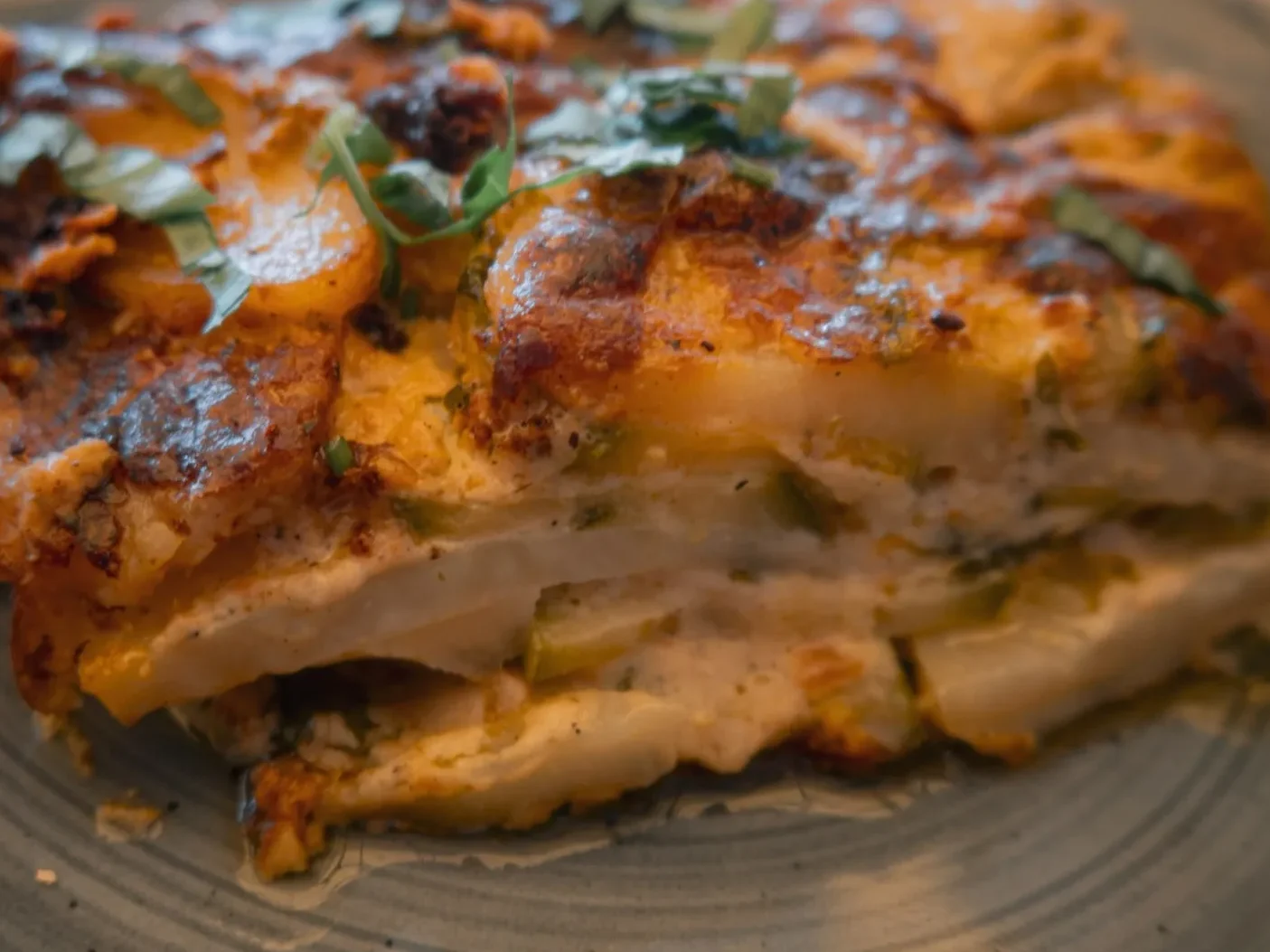
A regional speciality of Western Crete, boureki can be found in many beachside taverns in Chania. It’s a hearty casserole made from layers of thinly sliced potato and zucchini tightly stacked on top of each other. Drenched in a sour and tangy cheese, usually mizithra, it is then baked until the top layer crisps up.
It’s vegetarian, but that word does it no justice. It’s heavy enough to slow you down for an hour, sharp enough you keep going back.
3. Kalitsounia
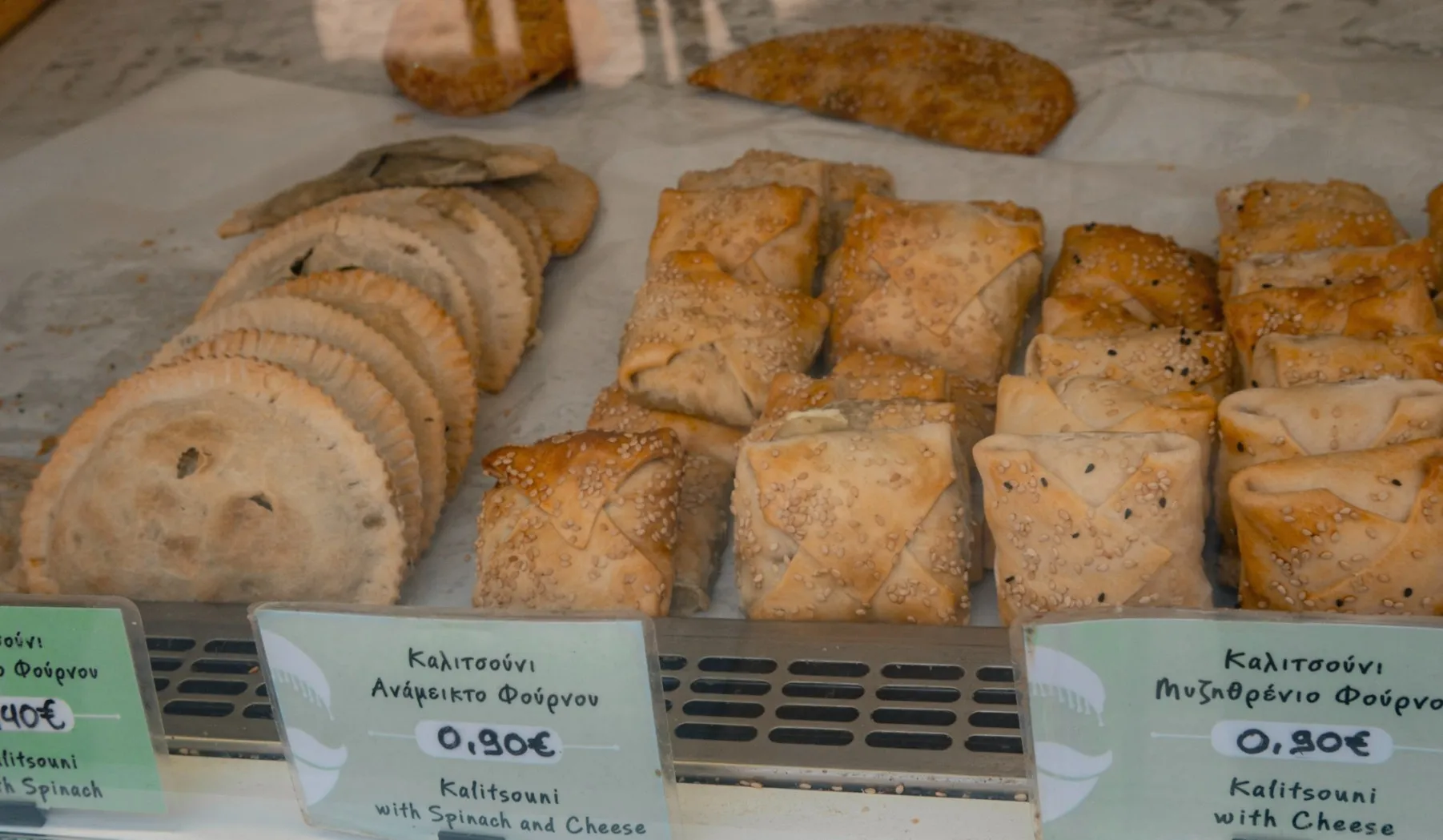
Small, hand sized pastries that show up all over Crete in two very different moods. The sweet version is filled with soft mizithra cheese, sometimes with a little cinnamon or lemon zest mixed through and finished with a drizzle of honey. The savoury version pairs mizithra cheese with wild greens (horta) instead. My personal favourite though are the onion kalitsounia, red onion is fried and slightly caramelised, it’s sweet, savoury and you’ll want more.
The pastry itself is thin and a little crisp at the edges, not too far off the dough used in Sfakian Pie, but folded and sealed rather than left flat. If you see both sweet and savoury on offer, get one of each rather than committing to just one.
You’ll find them in bakeries and tavernas year round. They’re small and inexpensive enough that you don’t really notice how much you’ve eaten until it’s too late.
4. Lychnarakia
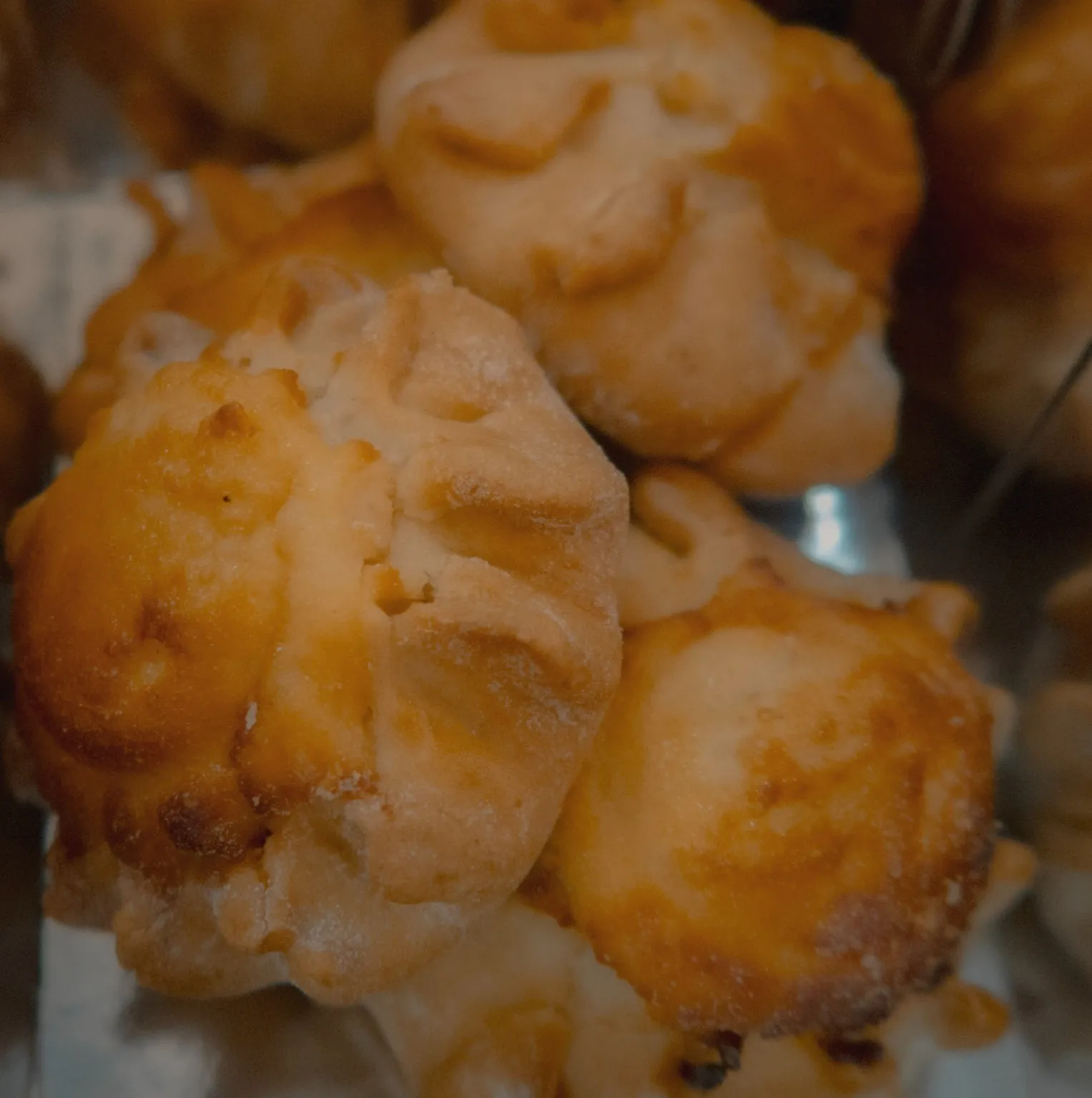
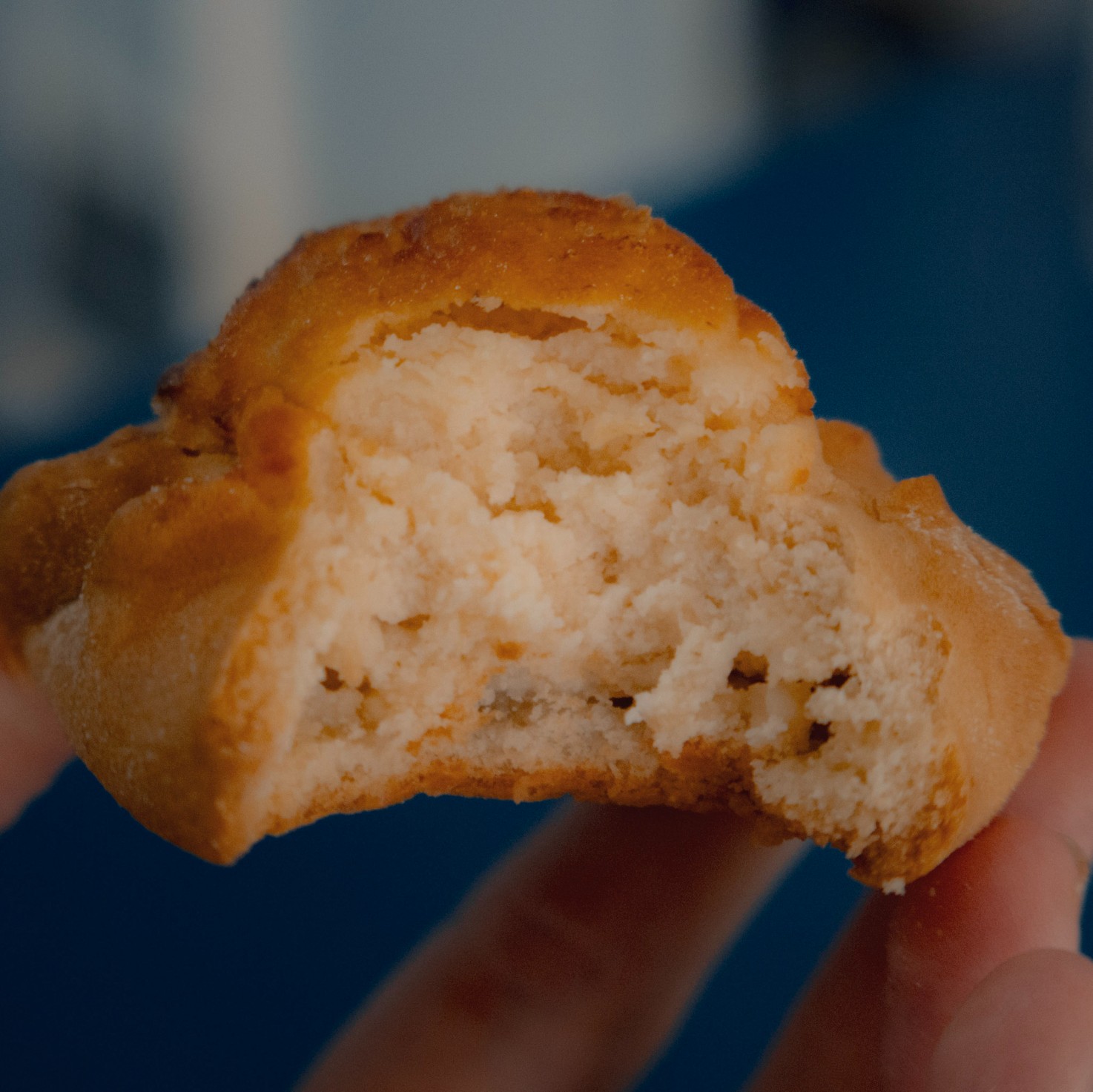
The open-faced cousin of Kalitsounia. Where Kalitsounia are folded and sealed shut, Lychnarakia are left open, small circles of dough with a spoonful of sweet mizithra cheese in the centre, then the edges pinched into little pleats all the way round. The name means “little lamps,” a nod to old oil lamps the shape is said to resemble.
They’re strongly associated with Sitia, on the eastern side of the island, though you’ll find them elsewhere too. The filling is usually mizithra mixed with sugar, egg and cinnamon, baked rather than fried and finished with a dusting of cinnamon once out of the oven. Traditionally these are Easter Saturday food, made in Cretan kitchens the morning before Easter Sunday, but bakeries sell them year round now.
Side by side with Kalitsounia, the difference is easy to spot once you know what you’re looking for. Sealed and pinched shut is Kalitsounia, open with a rim of pleated dough is Lychnarakia.
5. Chania-style Bougatsa
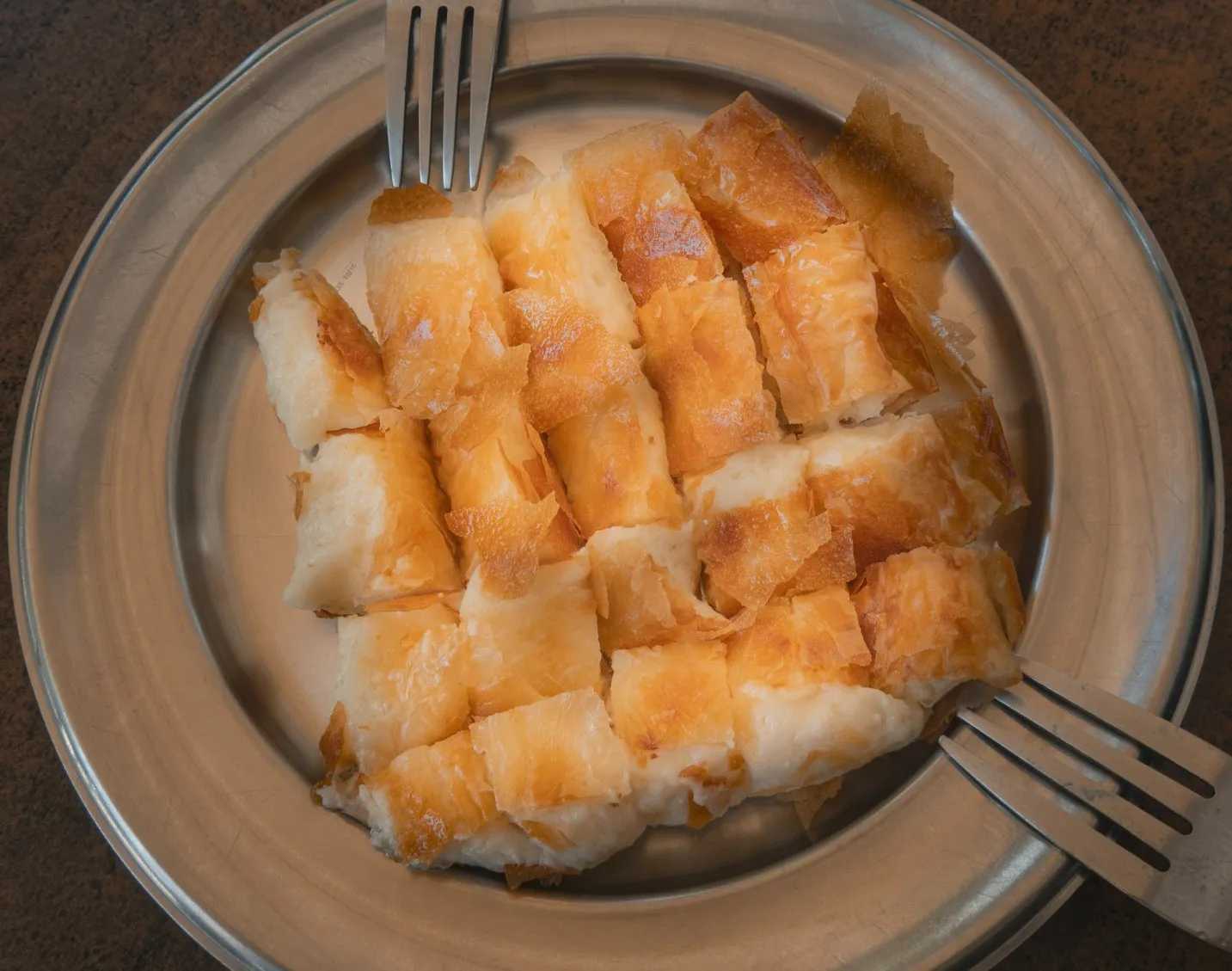
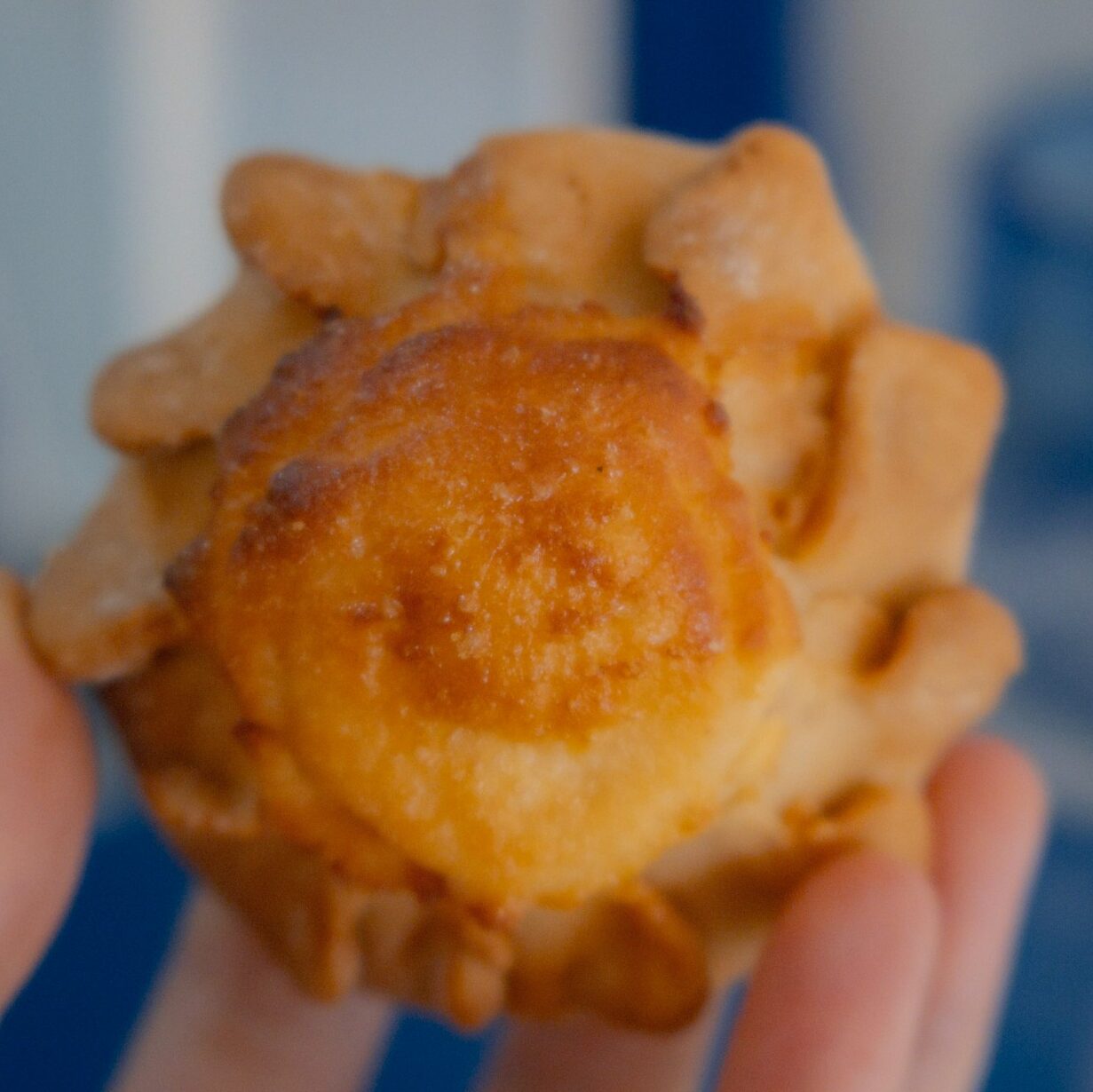
Forget the custard filled pastry you might know from Thessaloniki or the mainland, Chania does its own thing. Here bougatsa means thin, crisp phyllo wrapped around warm mizithra cheese, sour and slightly tangy, with nothing but a scattering of plain sugar and cinnamon on top.
It’s a breakfast thing, best eaten hot and fresh, ideally straight from the oven with a freddo espresso on hand. The sugar barely registers against how sharp the cheese is. If you order bougatsa expecting something creamy and sweet, you’ll be caught off guard. Once you adjust, it’s hard to go back.
Bougatsa Chania or Bougatsa Iordanis are both institutions in Chania, small local cafes that have been serving bougatsa for decades .
6. Apaki
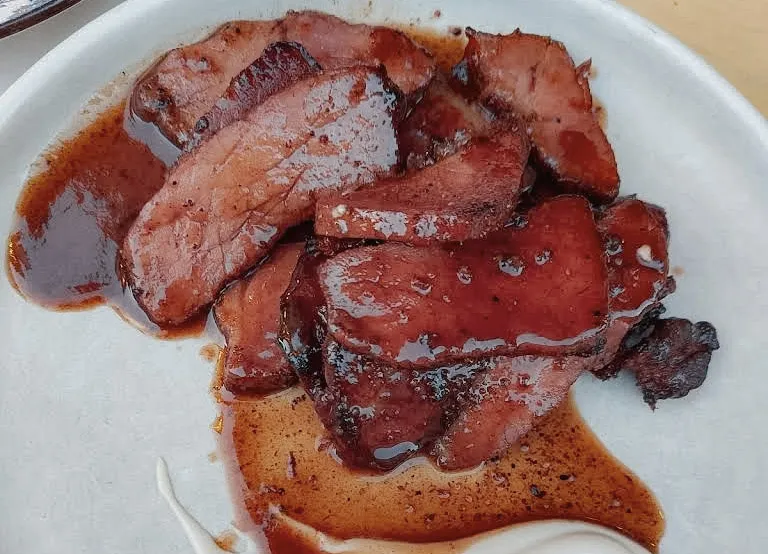
Apaki is pork, but cured and smoked until it tastes closer to a good cured ham. thinly sliced, lean, with a sharp vinegar note upfront and smoke behind it.
People here have made it this way for generations, long before fridges existed, hanging the meat to smoke over local wood, olive, cypress, orange, along with herbs like thyme and sage. You’ll usually see it as part of a meze plate alongside raki, though it also turns up in pasta or alongside potatoes. Best eaten in small amounts rather than a full plate, it’s strong enough that a little goes a long way.
7. Dakos Salad
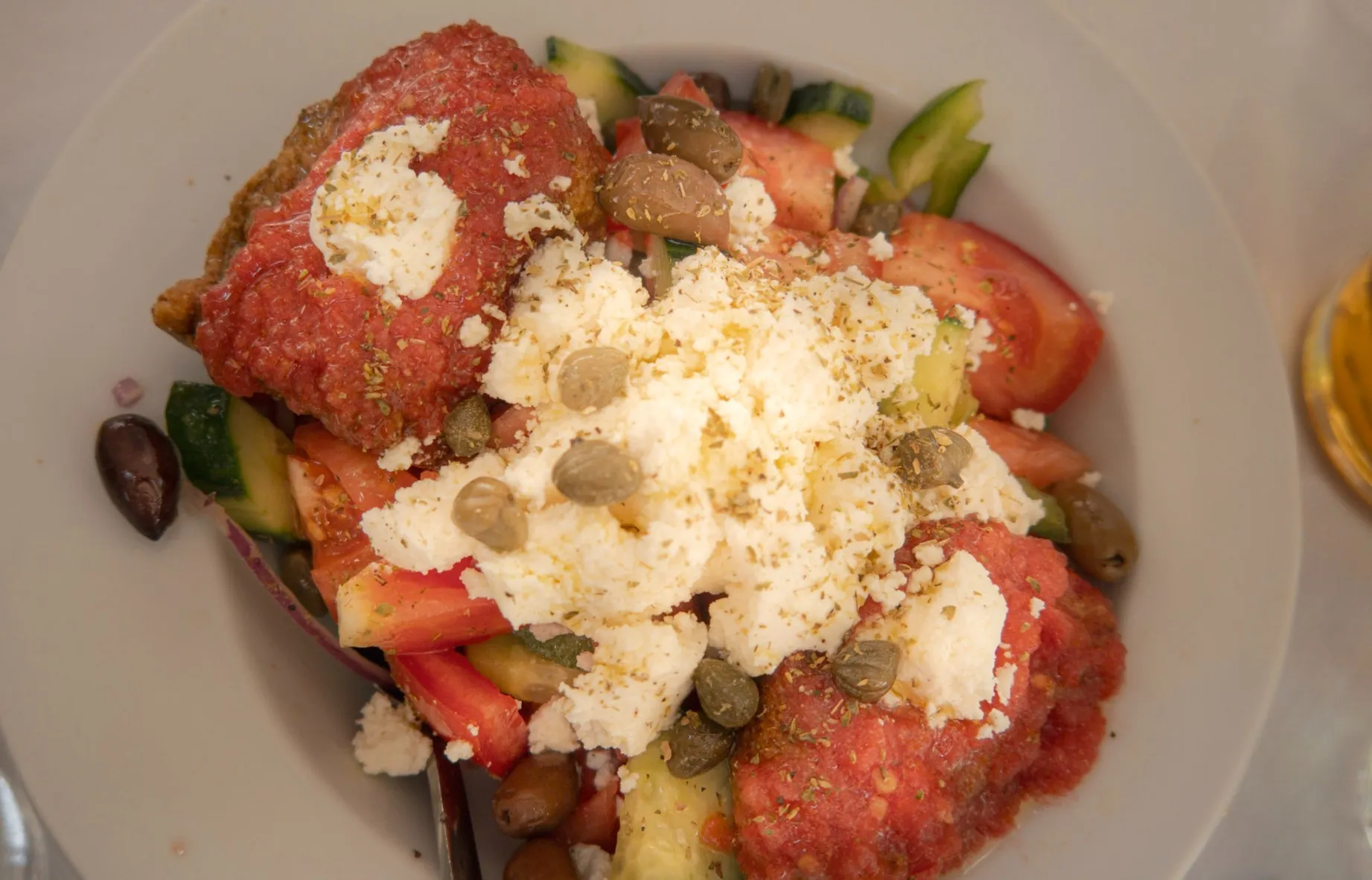
I used to be devoted to Greek salad. Then I had the Cretan version, and started ordering it instead.
At first glance it’s a horiatiki with tomatoes, green peppers, red onion, cucumber, capers, olives. Where the difference lies is rather than feta cheese, mizithra cheese takes it place at the top of the bowl, along with pieces of carob bread that have been topped with tomato sauce. You’ll often be served a Cretan salad with the carob bread at the bottom, soft from soaking up the tomato’s juices.
Some restaurants will serve it with boiled potatoes which soak up the olive oil dressing nicely.
8. Mizithra Cheese
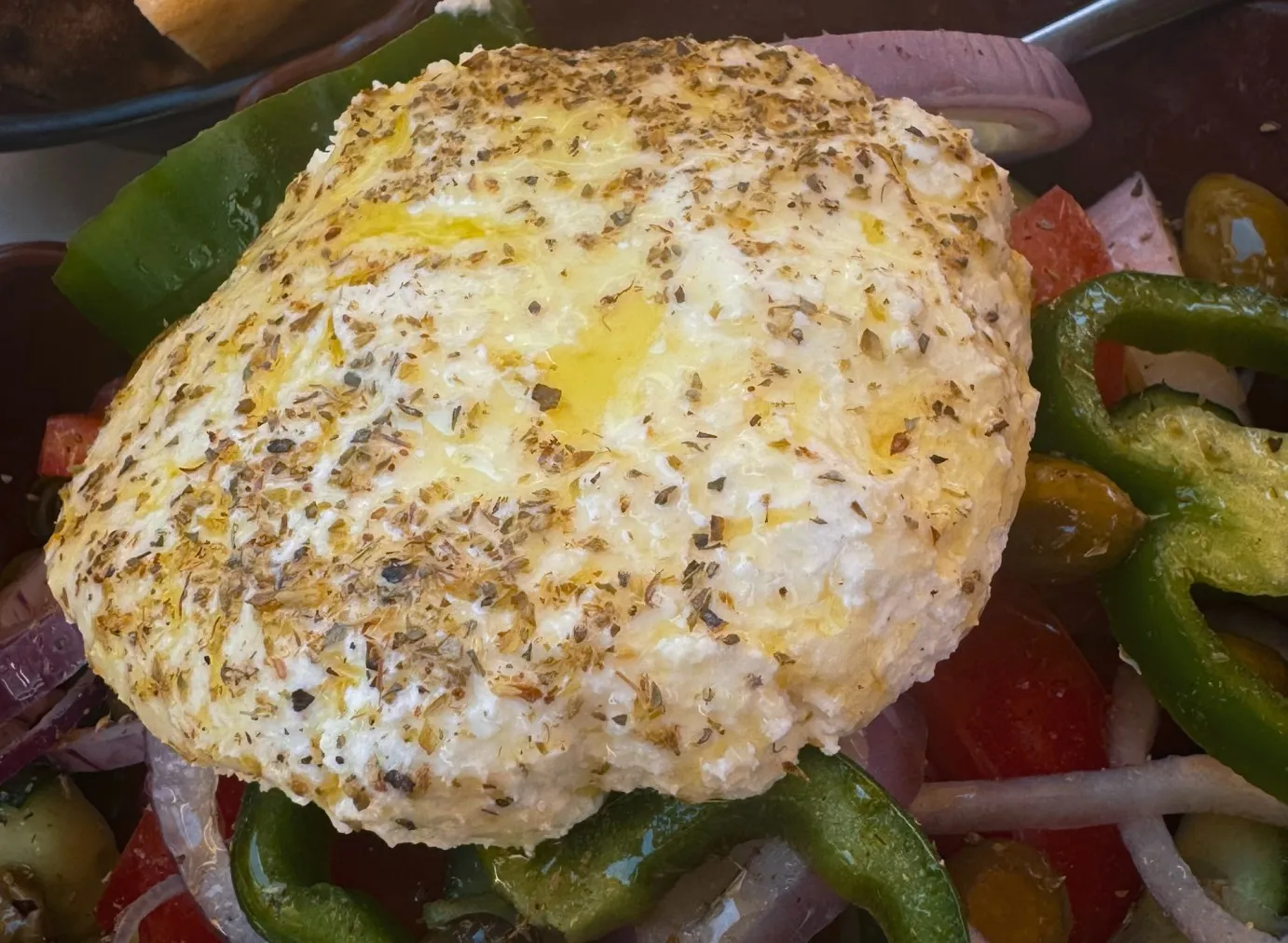
Cheese is a staple in the Cretan diet, breakfast, lunch, dinner or as a snack, anytime of day is a good time for it. Mizithra is THE cheese of crete, it shows up everywhere.
Spreadable, soft, similar texture to ricotta but the taste is more sour with a subtle hint of sweetness. It is typically served on top of Dakos or as a filling in pie.
9. Kalamarákia (Calamari)
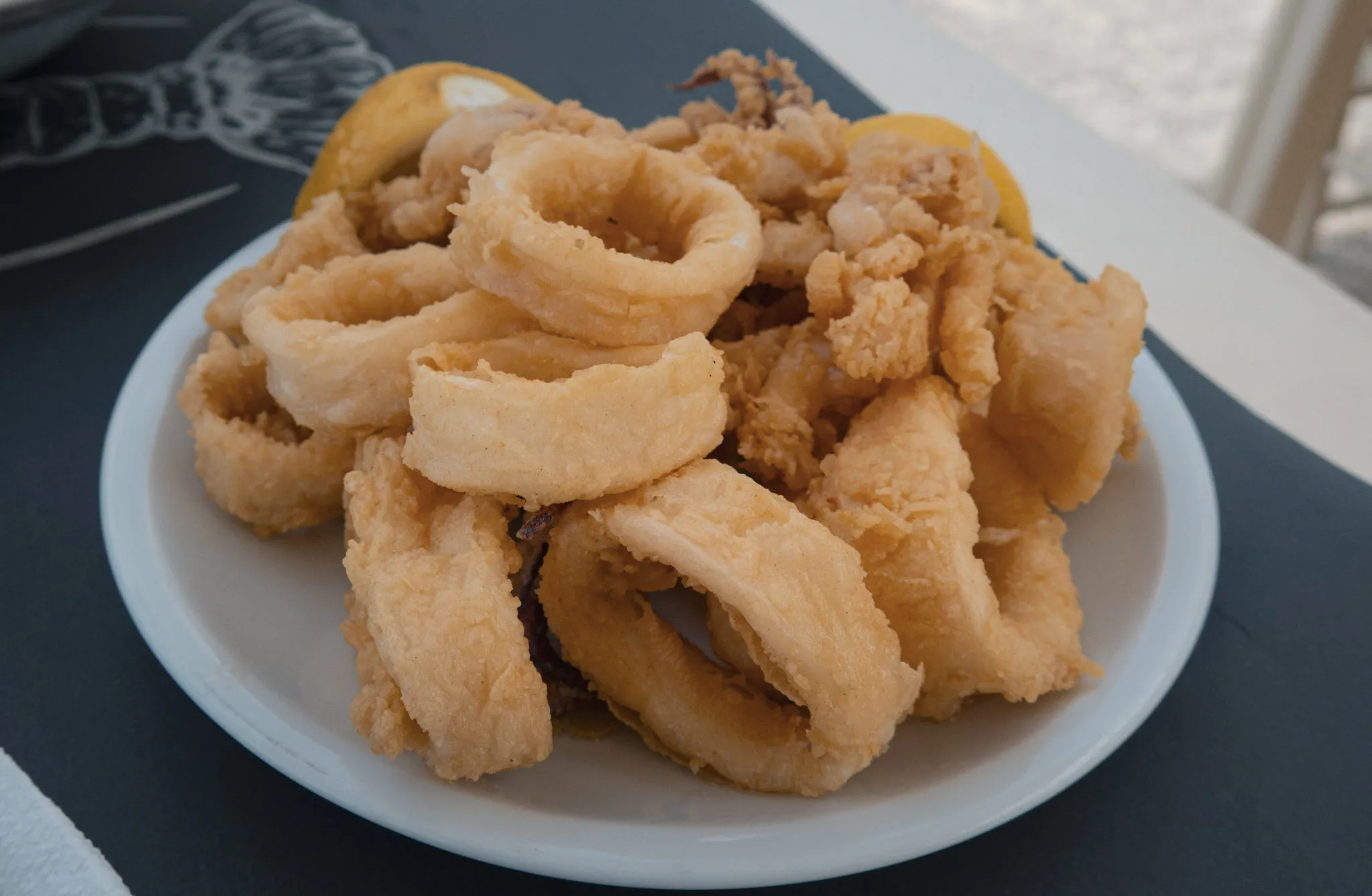
For me, a day at the beach in Crete ends one way: a plate of fried calamari and an Aperol. You’ll see it on every menu, usually under one of three names. Kalamarakia tiganita: rings and tentacles, it’s fried, is the most common, and probably the one you are searching for. Kalamarakia psita is the same thing grilled: lighter, a little chewier. Kalamarakia gemista is whole squid stuffed with cheese and herbs, it’s not that common but something to order once you’ve been on the island a few days and want something different.
A squeeze of lemon is the only seasoning it needs. Skip the tartar sauce or mayonaise.
One catch: a lot of places serve it from frozen. If the menu doesn’t say fresh, assume it isn’t. The big tourist places near the harbor are the worst offenders, find a small beachside taverna instead. And if your calamari shows up tough and rubbery, you’ve been had.
10. Antikristo
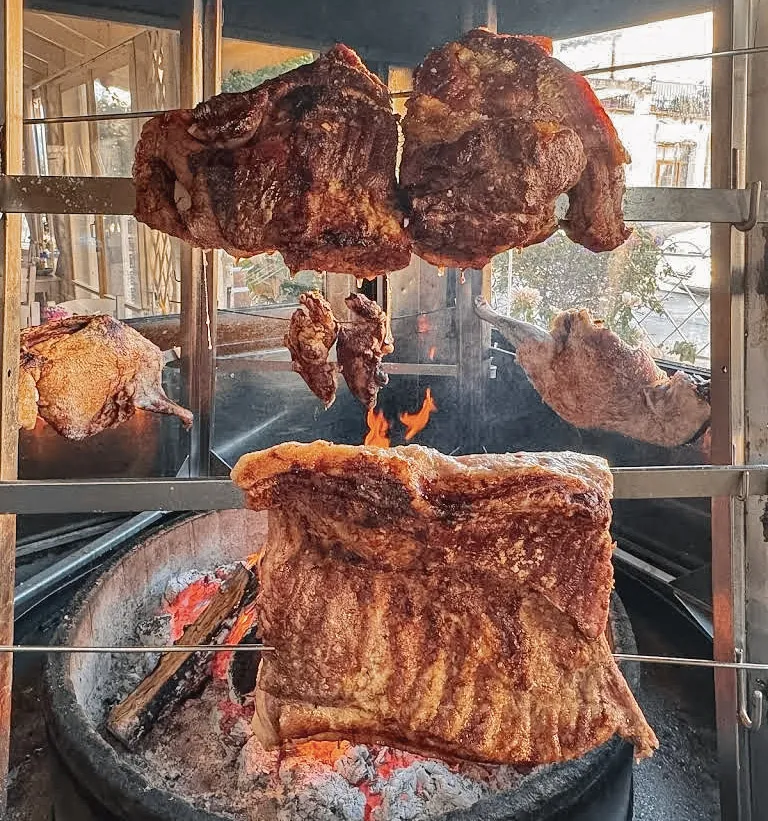
Antikristo means “facing the fire,” here lamb pieces are set on skewers arranged around an open flame rather than directly over it, so the meat cooks slowly from the radiant heat instead of getting scorched. No grill, pot, or oven is involved, just a fire pit and someone willing to keep checking on it for hours.
The lamb is cut into four large pieces, salted then staked around the fire in a circle. It can take up to five hours. The outside is deeply browned and a little smoky, the inside stays juicy since the fat and juices baste the meat as it turns. There is no sauce or marinade, the fire did all the work.
This is originally shepherd food, a way to cook a lot of meat with almost no equipment, developed by herders working the mountains with their flocks. Although a traditional Cretan food, it’s not so easy to find as most tavernas have switched to spit-roasting instead. However, To Antikristo a few minutes outside of Chania specialises in Antikristo.
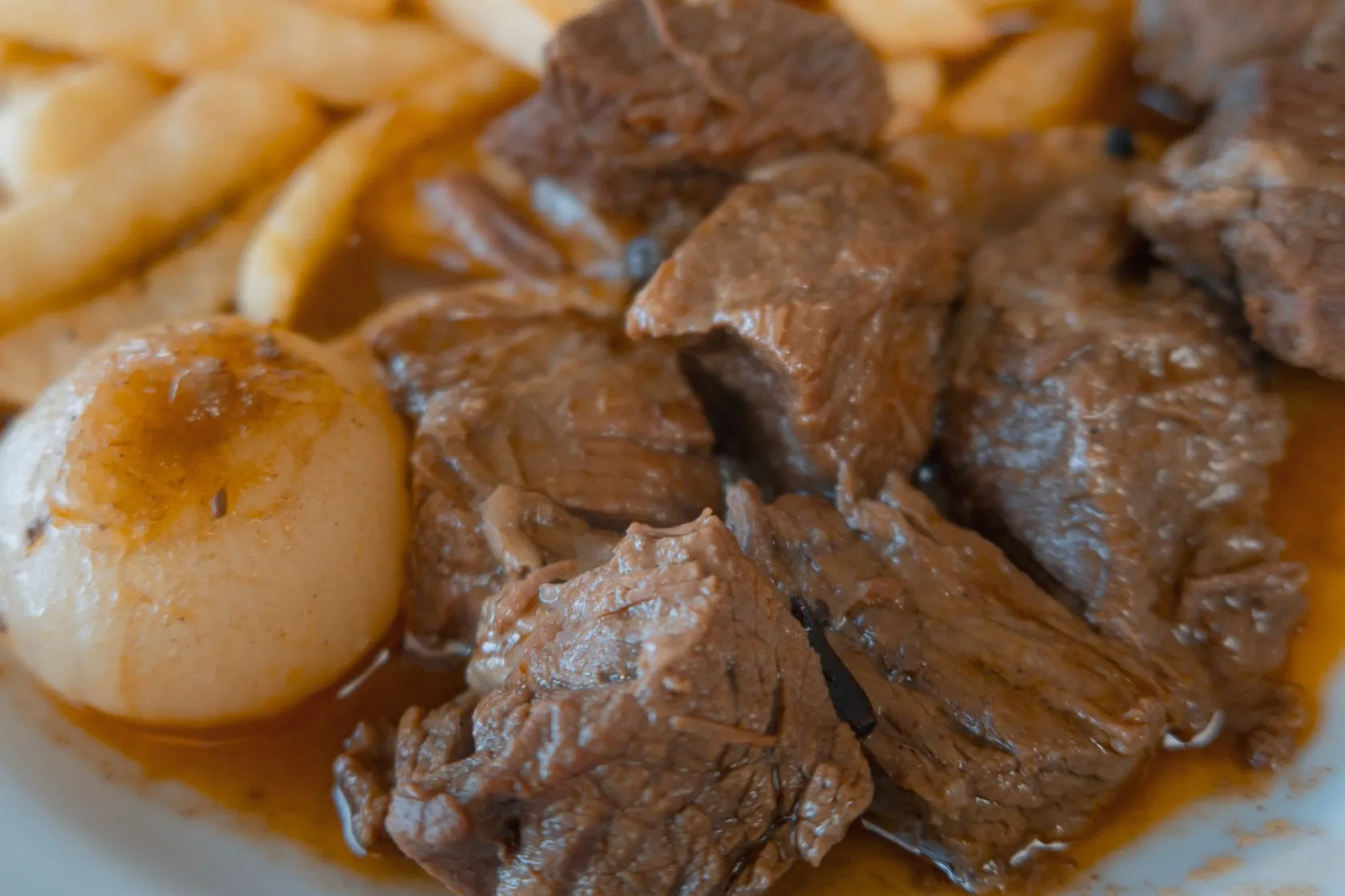
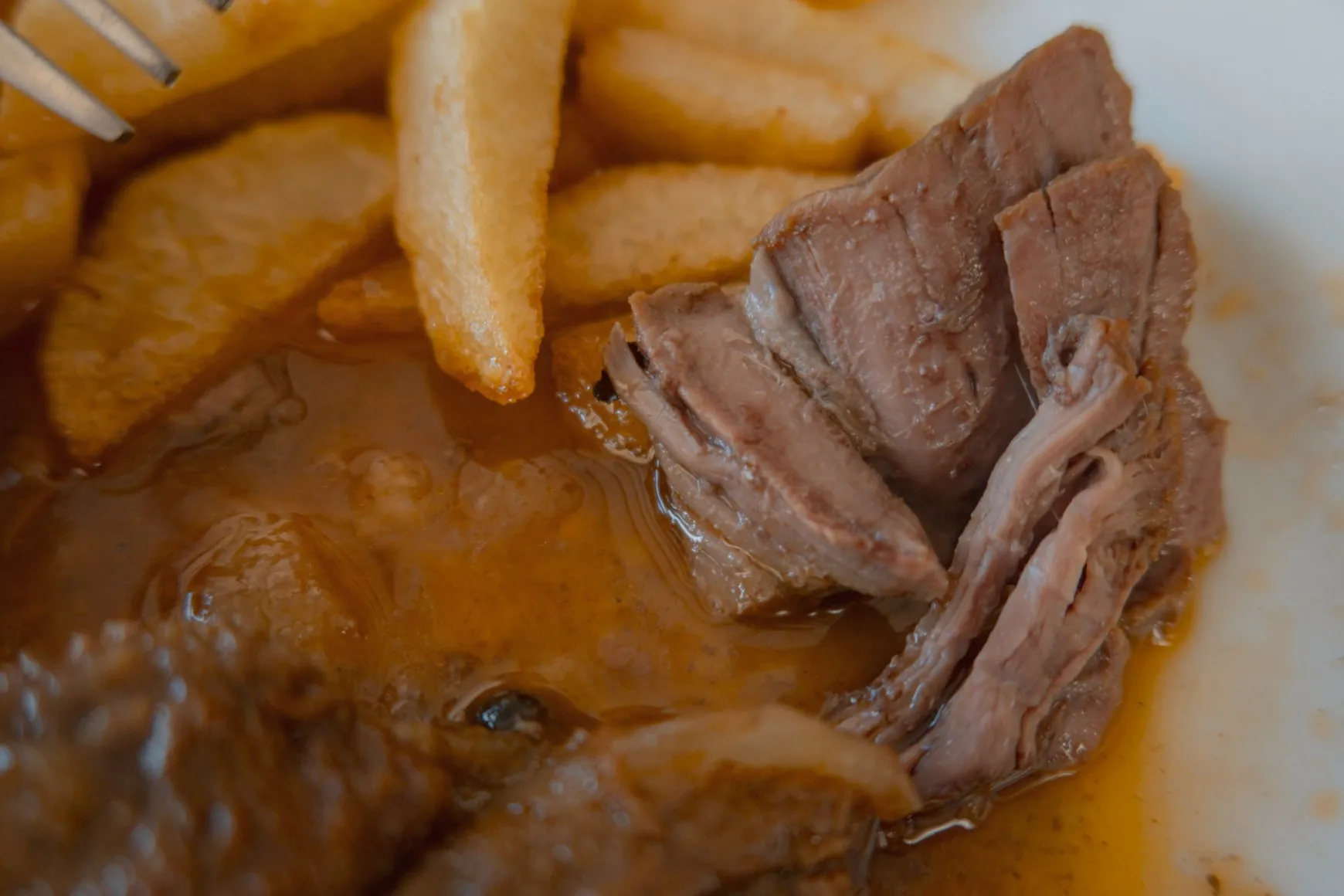
11. Beef Stifado
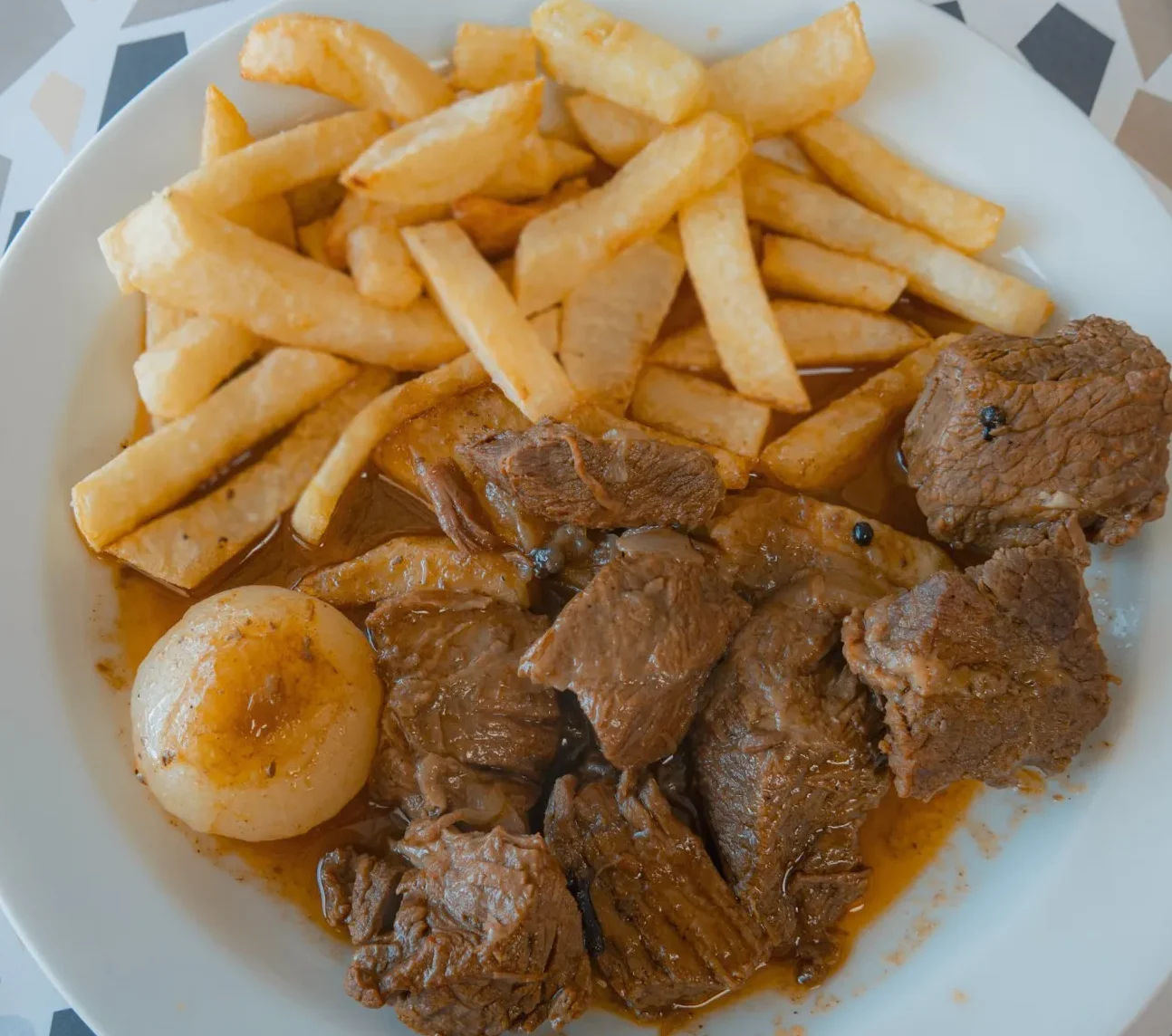
This was my favourite dish in not only Crete but all of Greece. Ok, it’s found all over Greece but I’m allowed to break the rules if something is this good.
Stifado just means stew and there are a few different versions depending on where you are and what’s in season. Mine was beef, though pork versions are common too. What makes it stifado rather than just a beef stew is the sauce, a deep, rich red wine and tomato base, slow cooked until the meat is falling apart before it even reaches the fork. There’s a strong hit of cinnamon running through it, which I wasn’t expecting, sweet spice in a savoury dish shouldn’t work as well as it does but I found it to really enhance the beef. Small pearl onions are traditional in a good stifado too, cooked down until they’re soft and sweet, almost jammy. It’s usually served with chips on the side, perfect for mopping up whatever sauce is left in the bowl.
12. Rabbit Stifado
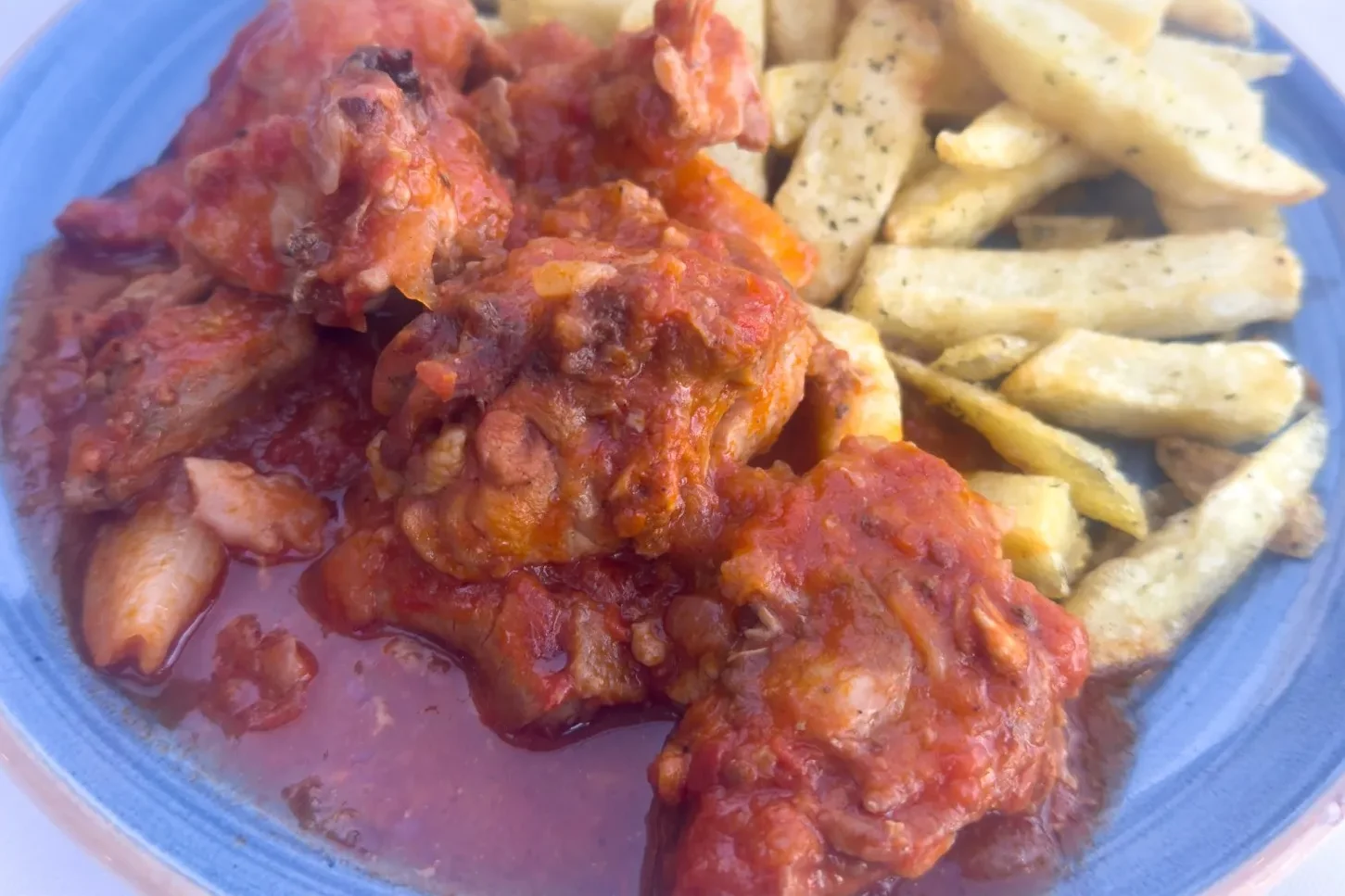
If Beef Stifado is comfort food, Rabbit Stifado is when you want to break free from your comfort zone. Rabbit shows up on Cretan tables far more than it does on the mainland, it’s mountain and village food, around long before beef was as common or affordable.
The sauce is the same family as the beef version, red wine, tomato, warm spices like cinnamon and cloves, but the meat itself is leaner and the flavour is earthier, a bit gamier. Slow cooked it pretty much falls off the bone. It’s a dish that feels more rooted in the island than the beef version does. If you only try one stifado in Crete, this is the one that’s harder to find back home or in other areas of Greece.
13. Chochlioi Boubouristi
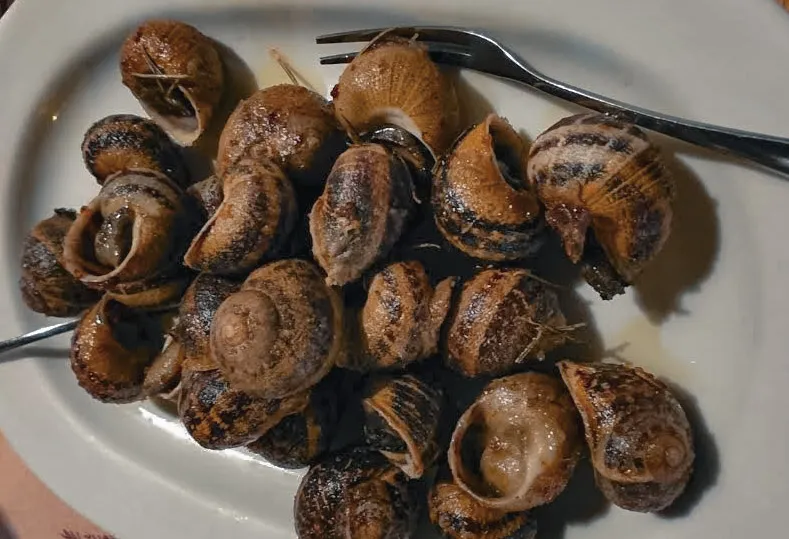
You might need a bit of an open mind for this one, Chochlioi Boubouristi are Fried snails. It’s better than that it sounds, bear with me. The snails are cooked whole in hot olive oil with a touch of flour, hissing and popping in the pan. This is actually where the name comes from, boubouristi roughly means the sizzling sound they make while cooking. Crisp on the outside, tender inside, use your hands and scoop them out of their shell. Don’t be afraid to get messy. If you have had snails before, they are very similar to mushrooms, just with more chew.
Snails have been eaten in Crete since Minoan times, and you’ll still see them served this way in tavernas across the island, typically ordered as a meze alongside raki rather than a main.
14. Marides Tiganites
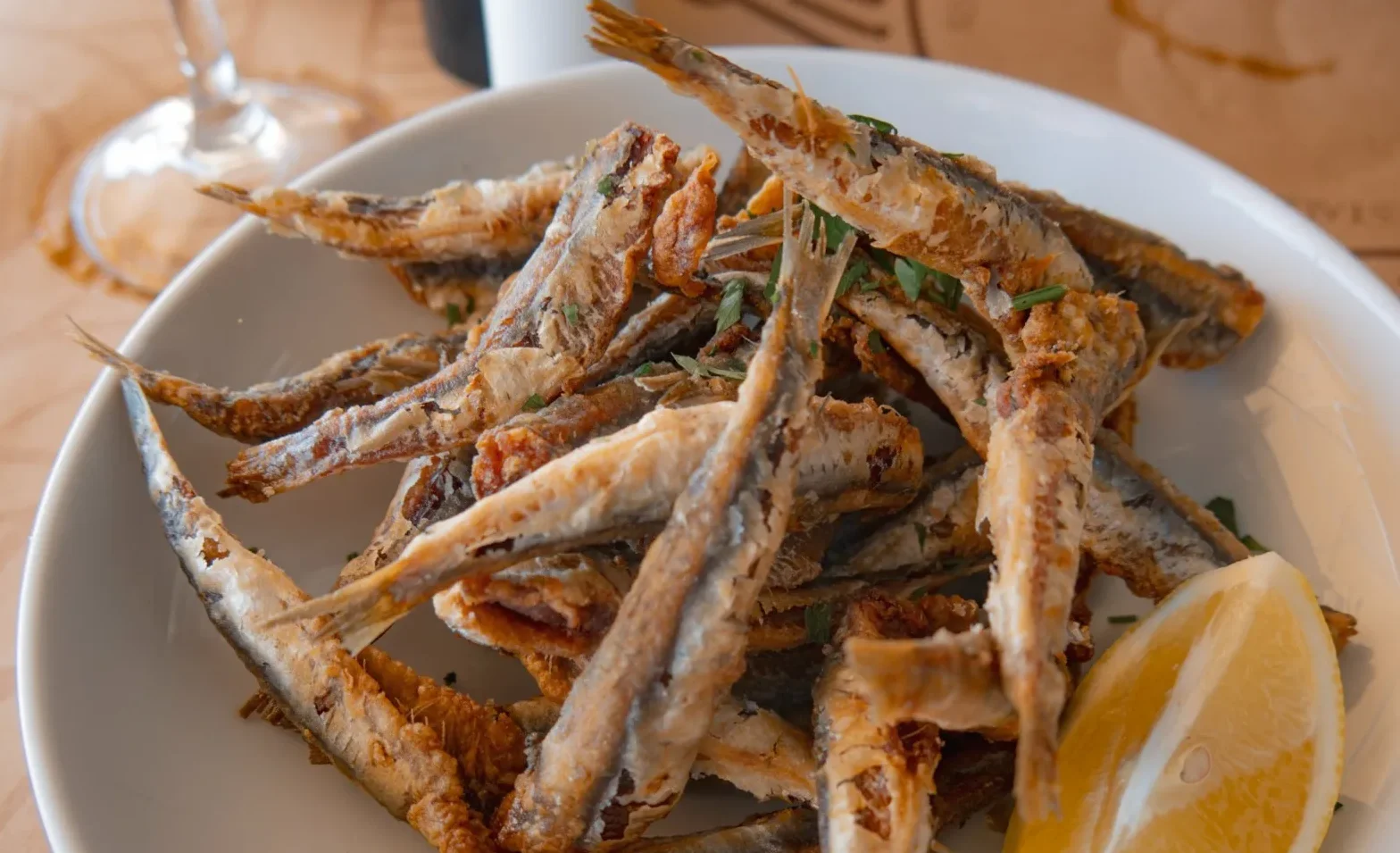
Little fish served whole and eaten entirely, head, tail, bones and all. They are dusted in flour and deep fried until crisp all the way through, so there’s no picking around bones, the batter gives it a nice bite. A squeeze of lemon is the only thing they need. Crunchy, salty, a little oily in the best way and dangerously easy to keep reaching for without noticing how many you’ve had.
Freshness is nearly always guaranteed as these little guys surround the shores of Crete. Local fishermen catch them on a daily basis, and you can tell from their taste.
15. Sea Bream (tsipoura)
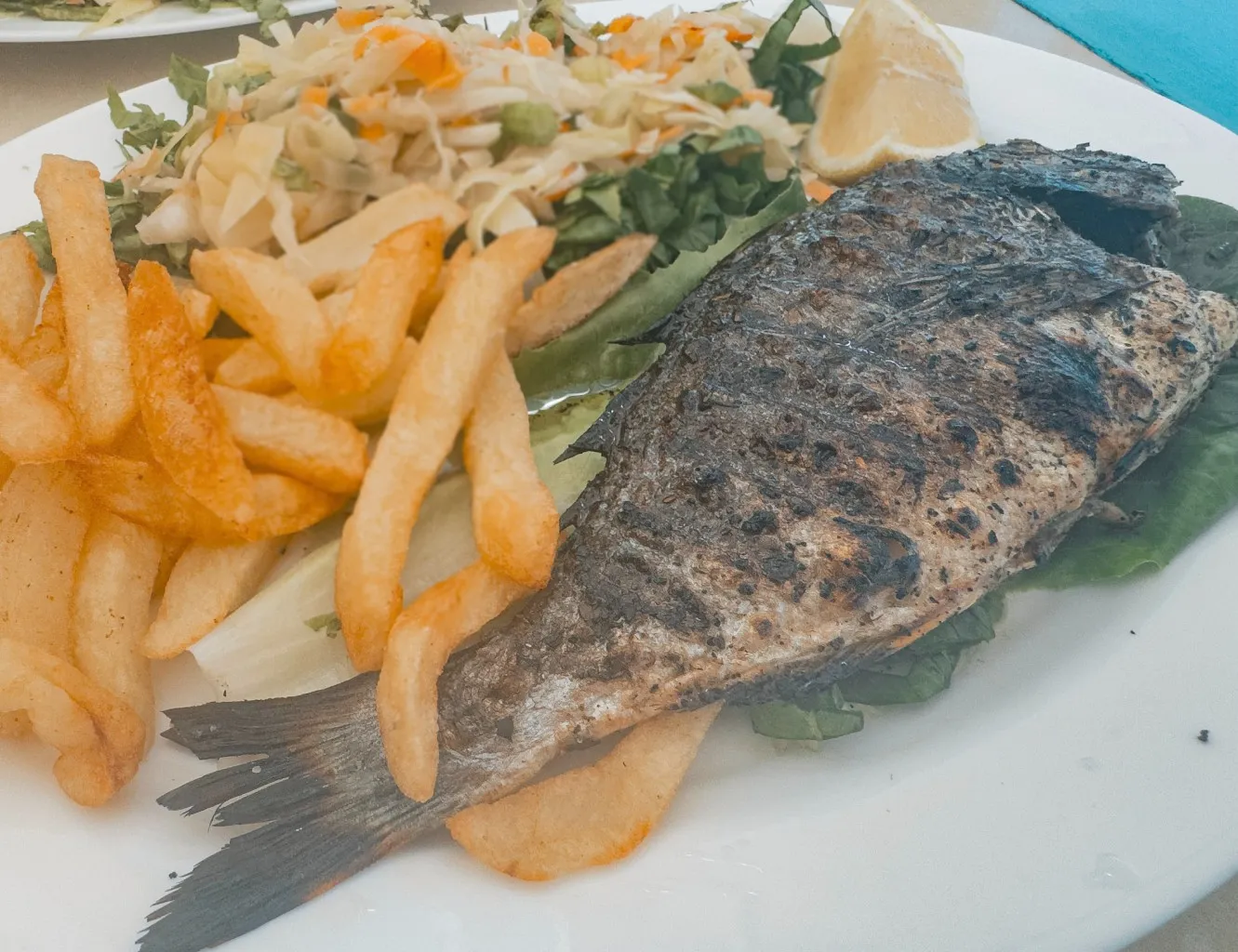
Sea bream (tsipoura) is one of the most common fish you’ll find on a Cretan taverna menu, and it’s a sit-down meal rather than a snack, meaty white flesh that pulls easily off the bone once you know how to work through it. Grilled whole, skin scored and crisped over charcoal, then finished with nothing more than olive oil and a squeeze of lemon.
Worth knowing before you order: sea bream in Greece is very often farmed rather than wild caught, which isn’t a downside on its own, farmed tsipoura is still genuinely fresh and a normal, everyday choice here, but it does mean you’re not automatically getting a wild fish just because it’s local.
16. Raki (tsikoudia)
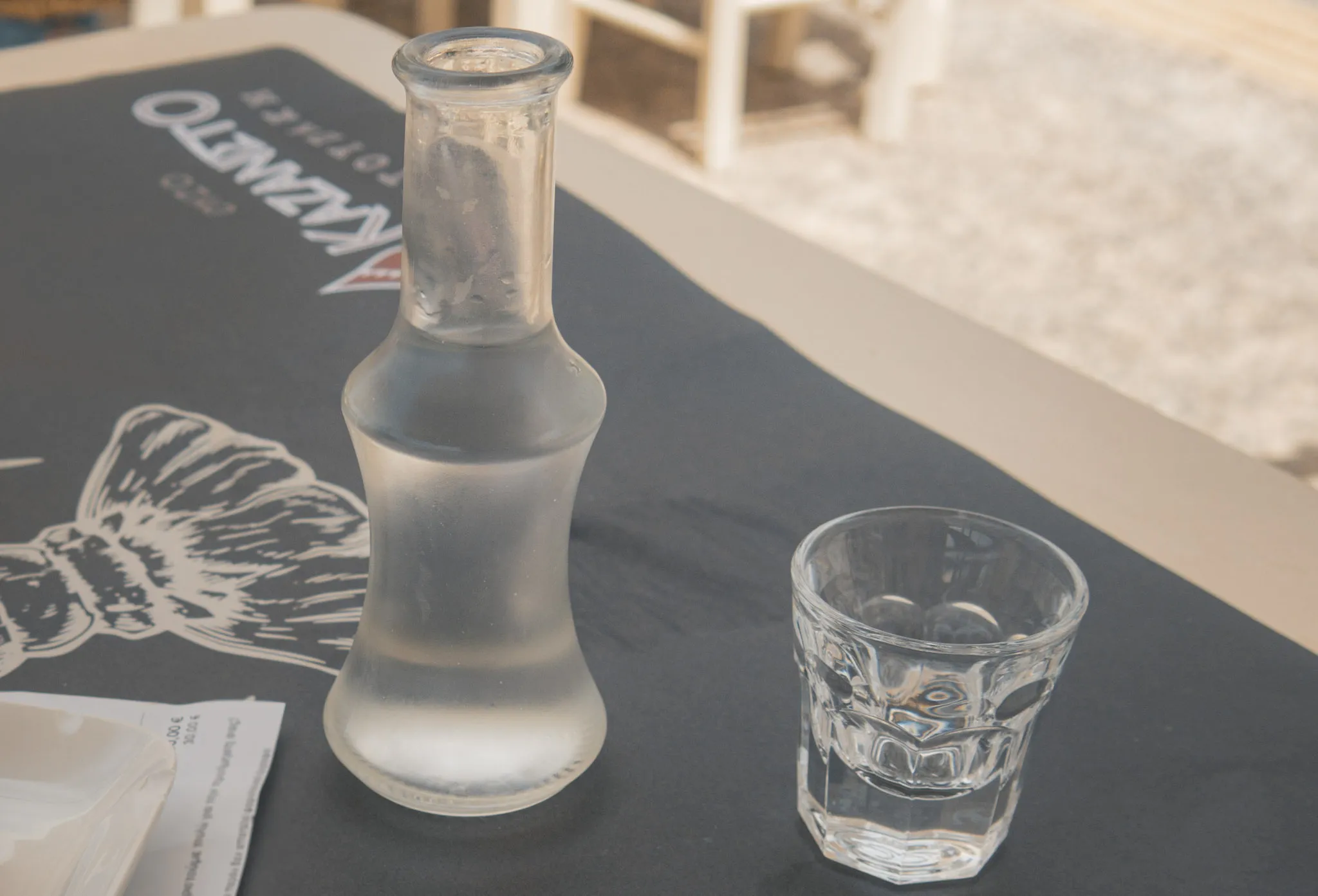
Technically it’s tsikoudia, made from what’s left over after the grape harvest, the skins and seeds pressed for wine, fermented for weeks, then distilled down into something clear and strong. Most of Crete just calls it raki though, and either name gets you the same glass.
It’s not sipped slowly like whisky, more knocked back in one go, ice cold, usually appearing on the table whether you ordered it or not. Strong, a little fiery, with a grape sweetness underneath that stops it tasting like straight spirit. Every village seems to have someone licensed to distil their own, so the taste shifts slightly from place to place, sharper here, smoother there. Refusing a glass when it’s offered isn’t really an option, it’s less a drink than a handshake.
17. Horta Greens
Boiled wild greens, and one of the plainest sounding things on this list that ends up being one of the best. Horta isn’t one plant, it’s a catch-all for dozens of wild greens gathered from the fields and mountainsides, dandelion, amaranth, wild chicory, whatever’s in season, foraged rather than farmed. Older women across Crete still go out picking it by hand, and knowing which plants to gather and where is knowledge passed down rather than something you’d learn from a book.
Cooked simply, just boiled until tender, then dressed with olive oil and lemon, nothing else. A little bitter, a little peppery depending what’s in the mix, and a genuinely good counterweight to everything richer on the table, the cheese, the fried things, the meat. Order it as a side without expecting much, and it’ll probably surprise you.
FAQs Cretan Food You Must Try
What is traditional Cretan food?
Traditional Cretan food centres on olive oil, wild greens, legumes and mizithra cheese, with meat playing a smaller role than it does on the Greek mainland. Signature dishes include dakos (Cretan salad), boureki, sfakian pie and kalitsounia, alongside slow cooked meat dishes like stifado and antikristo.
What is the most popular food in Crete?
Dakos, the Cretan take on Greek salad, is one of the most ordered dishes on the island. It swaps feta for mizithra cheese and adds carob bread soaked in tomato and olive oil. Sfakian pie and fried calamari are close behind as tourist and local favourites.
What cheese is Crete famous for?
Mizithra is the cheese of Crete. It’s soft, spreadable and slightly sour, similar in texture to ricotta, and shows up in everything from breakfast pies to savoury pastries to dakos salad.
Is Cretan food healthy?
Crete has some of the highest life expectancy rates in the world, and the local diet is a big reason why. Meals are built around olive oil, vegetables, legumes and wild greens (horta), with red meat eaten far less often than on the mainland. That said, cheese and fried food show up at nearly every meal too, so it’s more about balance than restriction.
Crete Basics
Where to stay: Casa Delfino for luxury. Madonna Del Mare for something mid-range but still wow.
Don’t forget Insurance: I recommend True Traveller for EU/UK citizens and VisitorsCoverage for anyone else. Both are highly reputable and reliable travel insurers.
Mobile Data: Airalo is a super convenient data only eSIM that you can just download to your phone and go!
Car Rental: DiscoverCars for a large selection and competitive prices.
Best Day Trips: Balos Beach, Samaria Gorge, & Elafonissi Beach .