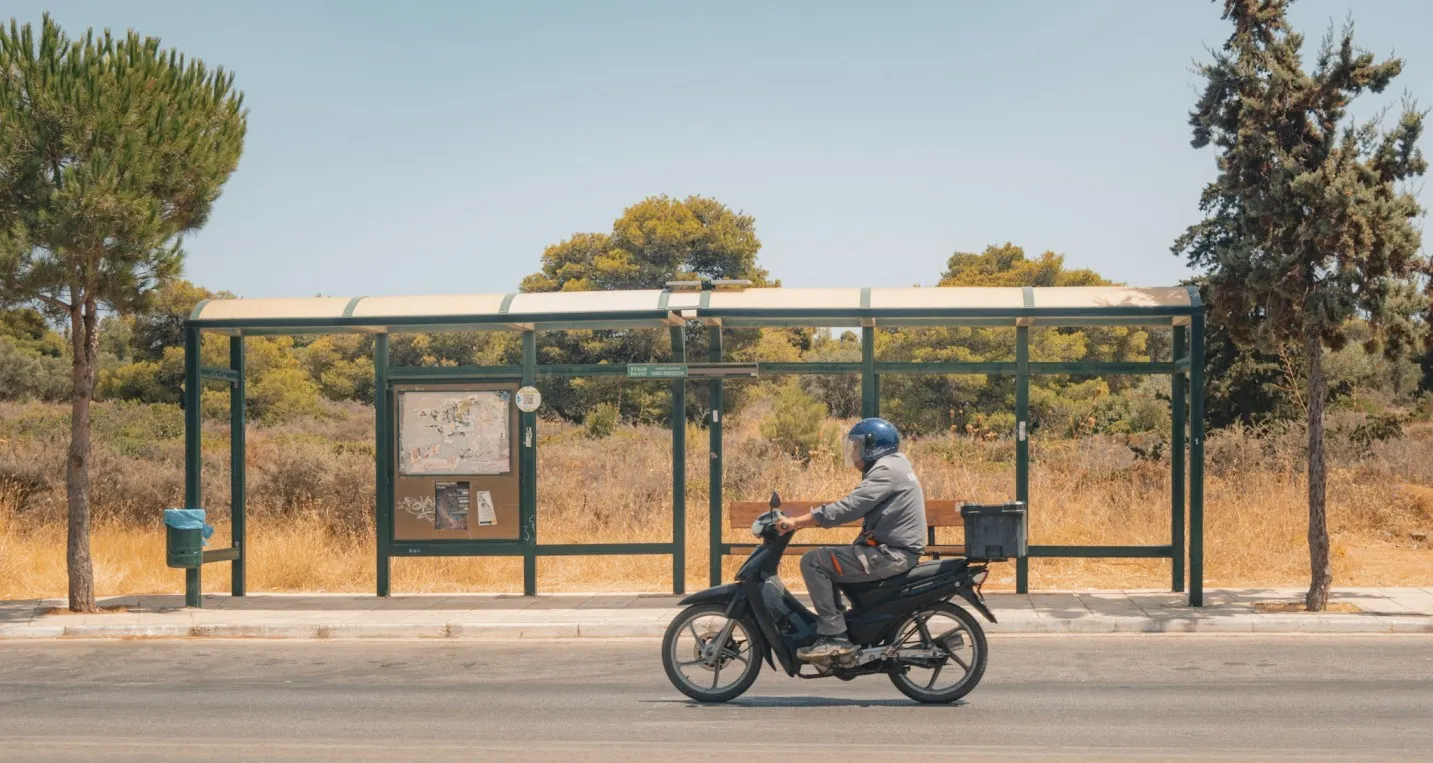
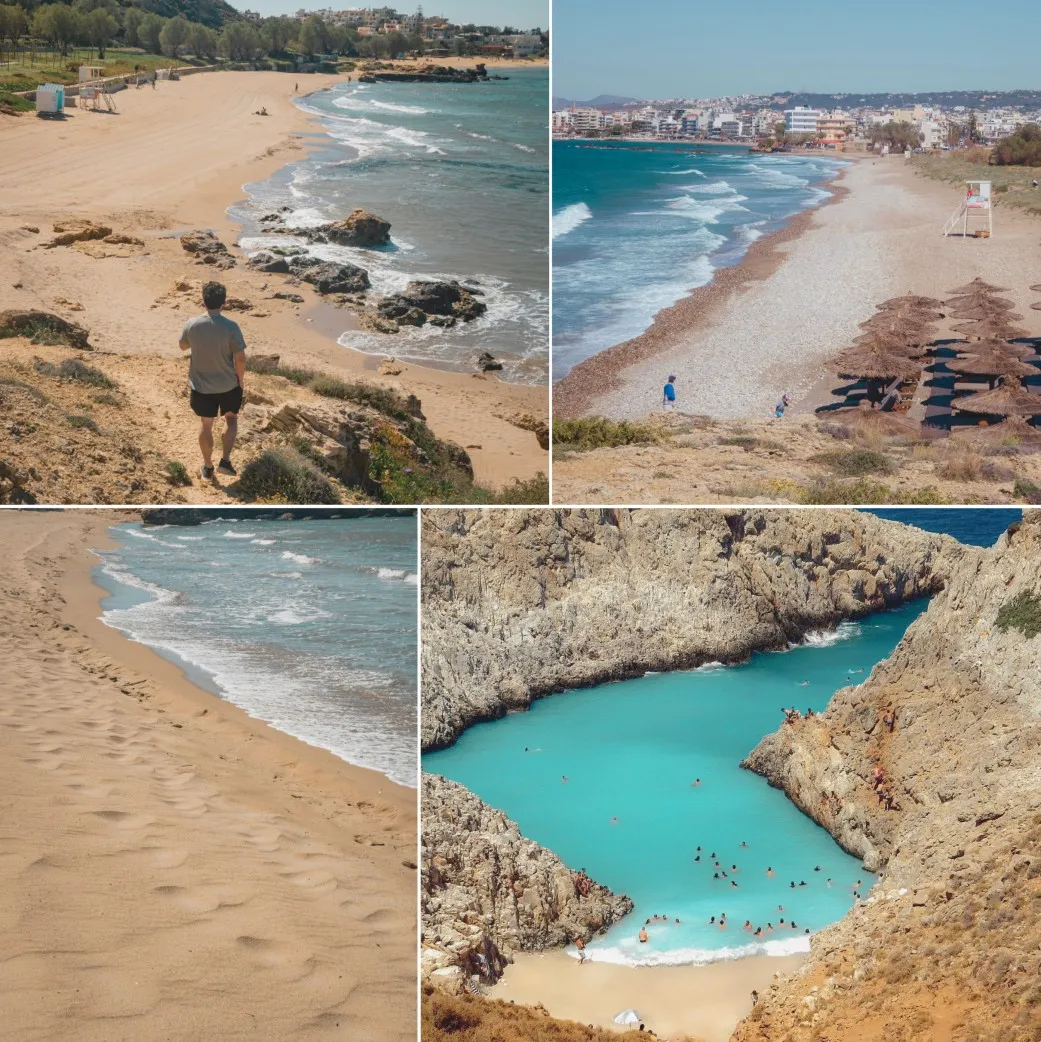
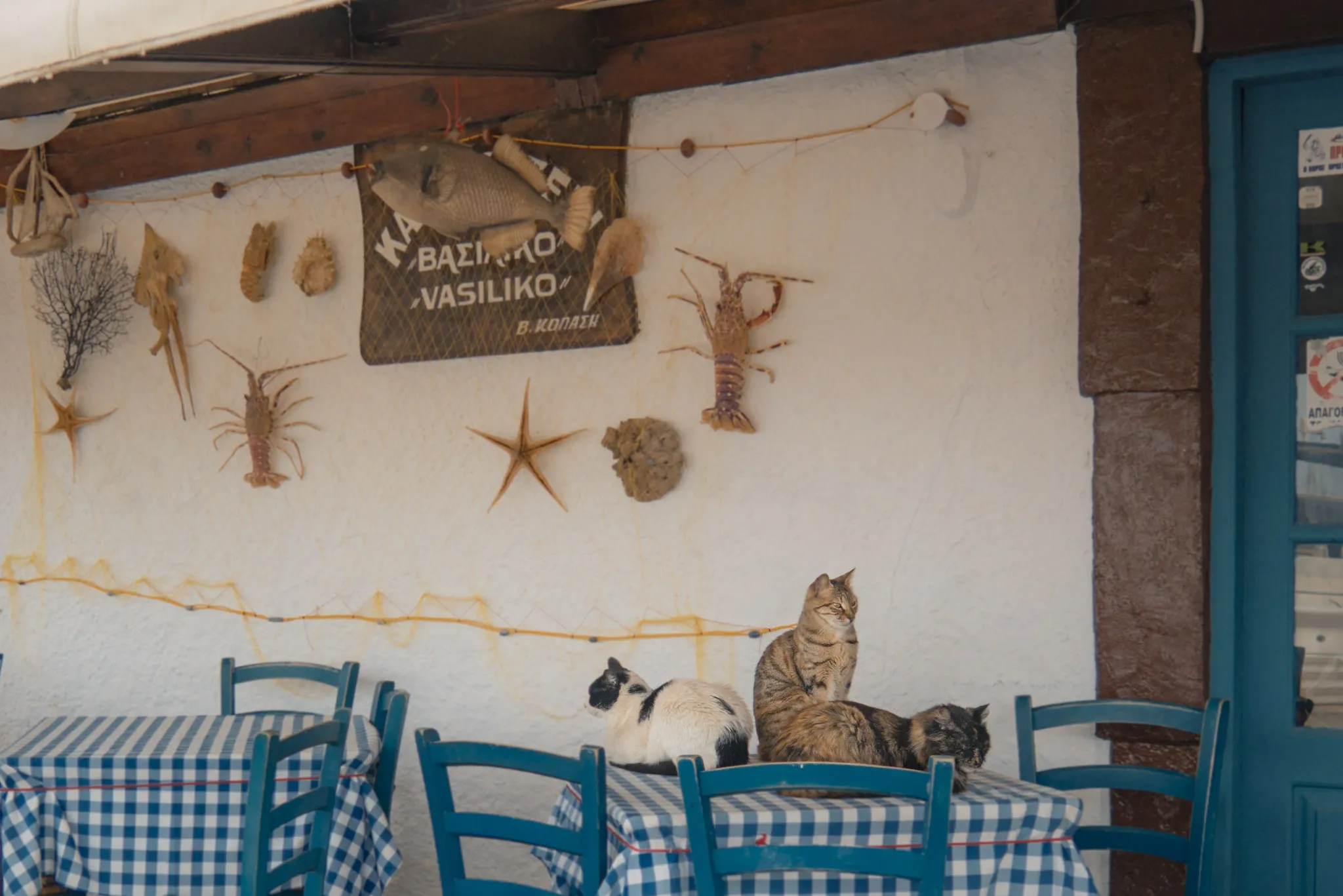
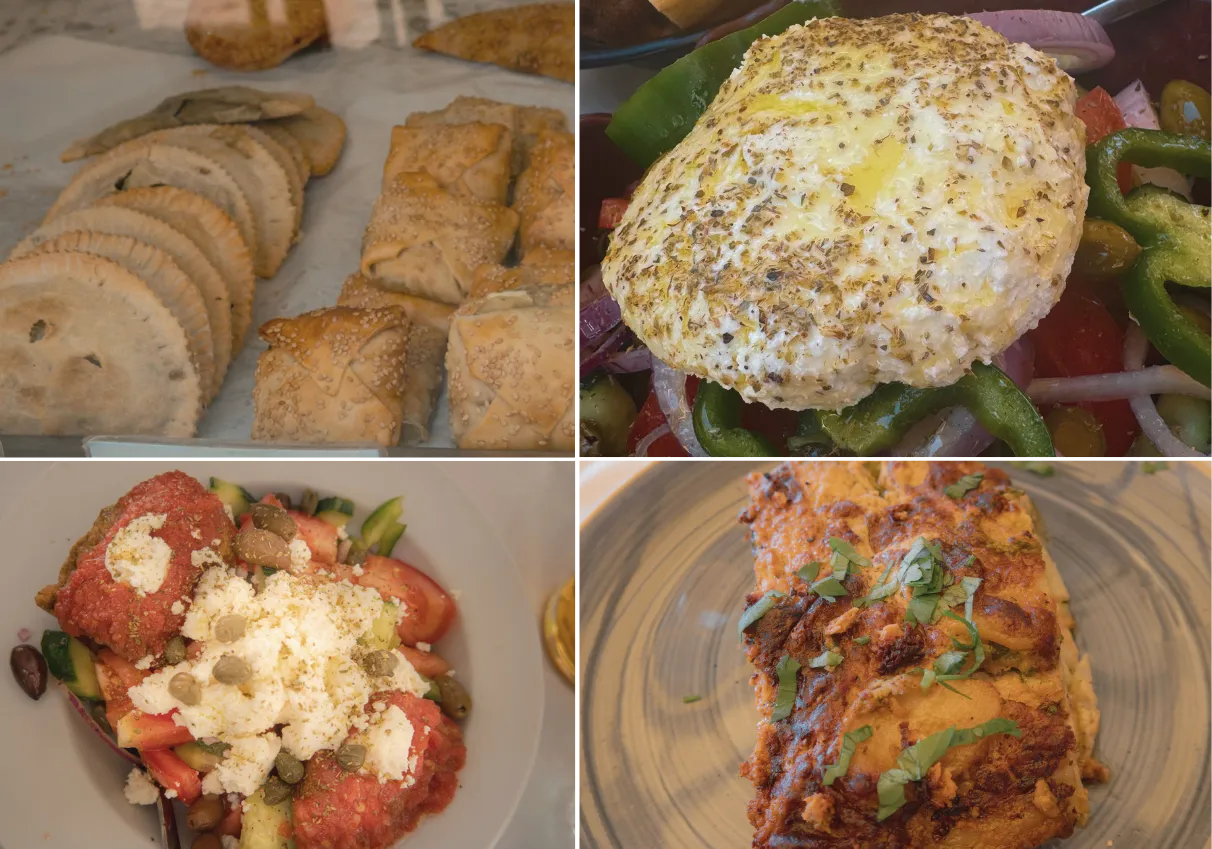
Crete is not really an island holiday. It is a place the size of a small country that happens to have sea around it and treating it like a week in the Cyclades is the fastest way to get it wrong.
It is the largest of the Greek islands, about 260 kilometres from end to end and in places barely 12 wide, with a spine of mountains running the whole length of it. That’s why the drives take longer than the map promises, and it’s also why you can be swimming on the south coast in spring while there’s still snow on the peaks behind you. Sitting at the bottom of the Aegean, closer to North Africa than to most of Greece, it has always felt a bit like its own country, and plenty of Cretans will tell you it is.
You get Venetian harbours and old towns in the west, four thousand years of Minoan history in the middle, long sandy resort strips along the north, and an empty, mountainous south coast where some villages still have no road in. The food is its own tradition rather than a version of mainland Greek cooking, built on barley, wild greens, olive oil and mizithra cheese and it ends with raki (whether you ask for it or not).
Below is everything I’d want to know before booking: when to go, what it costs, how long to give it, where to base yourself, and what to eat once you’re there.
Crete Essentials
01
When to go
May to mid June, then September to mid October. Everything else is a compromise of some kind.
The island peaks twice a year. May and early June give you green hills, wildflowers, gorges that are safe to walk, and beaches you can have mostly to yourself. The sea is still bracing in May and properly swimmable by June. September is the other one, and arguably the better of the two, because the water has had all summer to warm up and stays good well into October.
Greek Orthodox Easter moves around, usually April or early May, and it is a genuinely big deal here. Whole villages roasting lamb, church bells, fireworks in some places. Wonderful to be around, but flights, rooms and hire cars all go early.
July and August are hot and busy in a way that changes the trip. Mid 30s inland, the meltemi wind battering the north coast, tour boats emptying onto Balos and Elafonissi by ten in the morning, and rates at their highest. If you can only travel then, base yourself south or in the mountains and treat the middle of the day as a write off.
November to March is the quiet version. Mild and green, real snow on the White Mountains, cheap flights, but most of the beach resorts shut completely. Chania, Rethymno and Heraklion stay open because they are actual cities rather than holiday strips, so a winter trip works if you want tavernas and old towns rather than sunbeds.
Jan
Feb
Mar
Apr
May
Jun
Jul
Aug
Sep
Oct
Nov
Dec
Best monthsQuieter, hit and miss weatherSkip if you can (very hot + busy)
02
What it costs
Cheap by Greek island standards. Nothing like Santorini, and the food is better.
Crete is one of the best value places in Greece, partly because it is a working island with farms and a university and ferries full of freight, not a resort with a village attached. A taverna dinner with house wine lands around €15 to €20 a head, and it usually finishes with raki and a plate of fruit that nobody charges you for. A gyros in paper is €4 to €5 and will defeat most people.
The real budget line is the car. Buses along the north coast are cheap and reliable, but almost everything worth seeing sits off that road, so plan on €35 to €60 a day for a small hire car and book it early in summer. The island genuinely runs out of cars in August.
For a base, Chania old town is the prettiest and prices it accordingly, plus the harbour bars carry until late. Rethymno does the same thing for less money and with fewer people. Heraklion is not charming but it is the transport hub and has the best food on the island if you go a couple of streets back from the front. For quiet, look south to Plakias, Paleochora, or Loutro, which you can only reach by boat.
€85
Per night, mid-range
Room in Chania old town€65–120
Boutique in Rethymno€95–170
Sea view near Elounda€200–420
Hire car per day€35–60
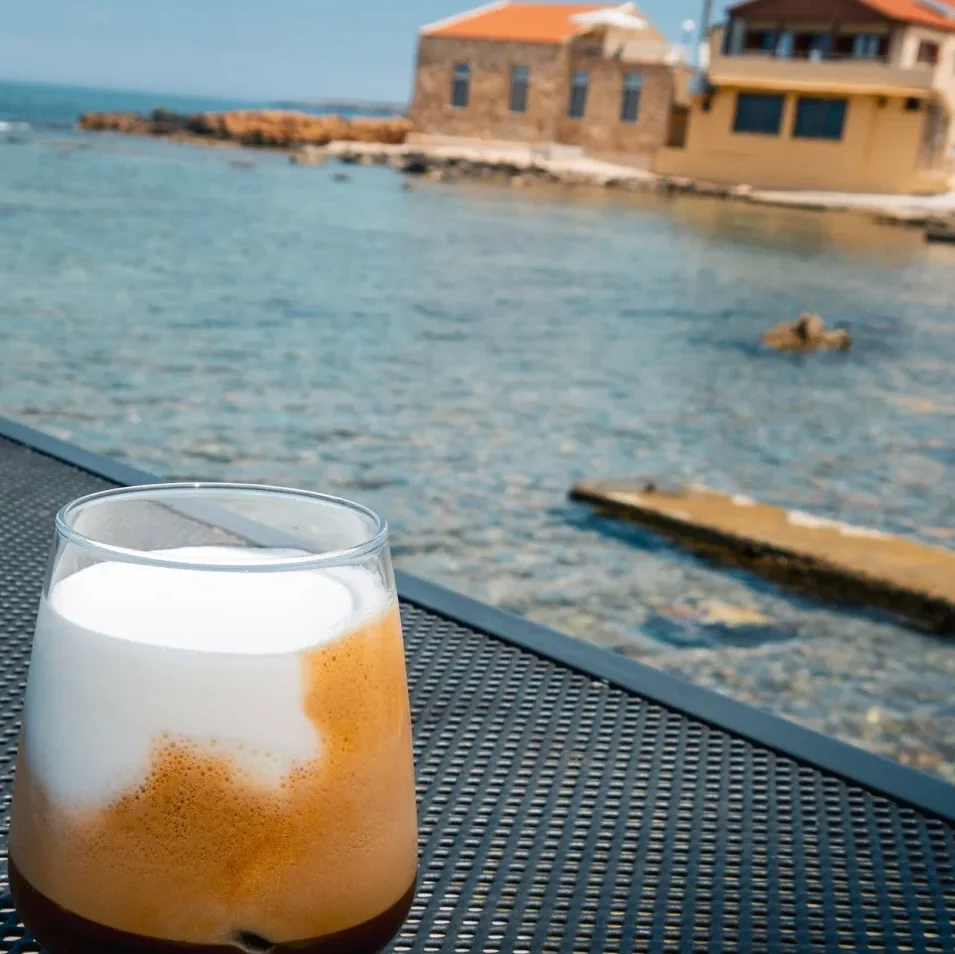
Freddo espresso€2.50
Gyros, wrapped€4–5
August roughly doubles hotel rates, and Greek Easter fills the good places months in advance. Book the car at the same time as the room, not after.
03
How long to stay
Four days for one end of the island, a week to do the west and centre properly.
Crete is 260km end to end and the roads are slower than the map suggests, especially once you turn south into the mountains. The classic mistake is booking a week and trying to see all of it, which turns into five hours a day in the car and a lot of motorway.
A sensible first trip stays west. Two days in and around Chania, a day for the beaches out at Balos or Elafonissi, and a day for the Samaria gorge, which takes roughly six hours and ends with a boat and a bus back. That is a full four days without rushing.
With a week, add Rethymno and the Amari valley behind it, then Knossos and the archaeological museum in Heraklion, which only makes sense done in that order. Ten days or more and you can take the east too: Elounda, the old leper island of Spinalonga, the palm beach at Vai, and the empty south coast around Ierapetra.
1chania
2beaches
3samaria
4rethymno
5knossos
6east
7south
Solid pink is the very minimum I would do.
Where To Stay In Crete
Crete is a huge island with cities, long sandy beaches, mountain towns and big resorts. The best pace to stay depends entirely on what you want from your trip here. The following are what I consider the best ares of Crete to stay,
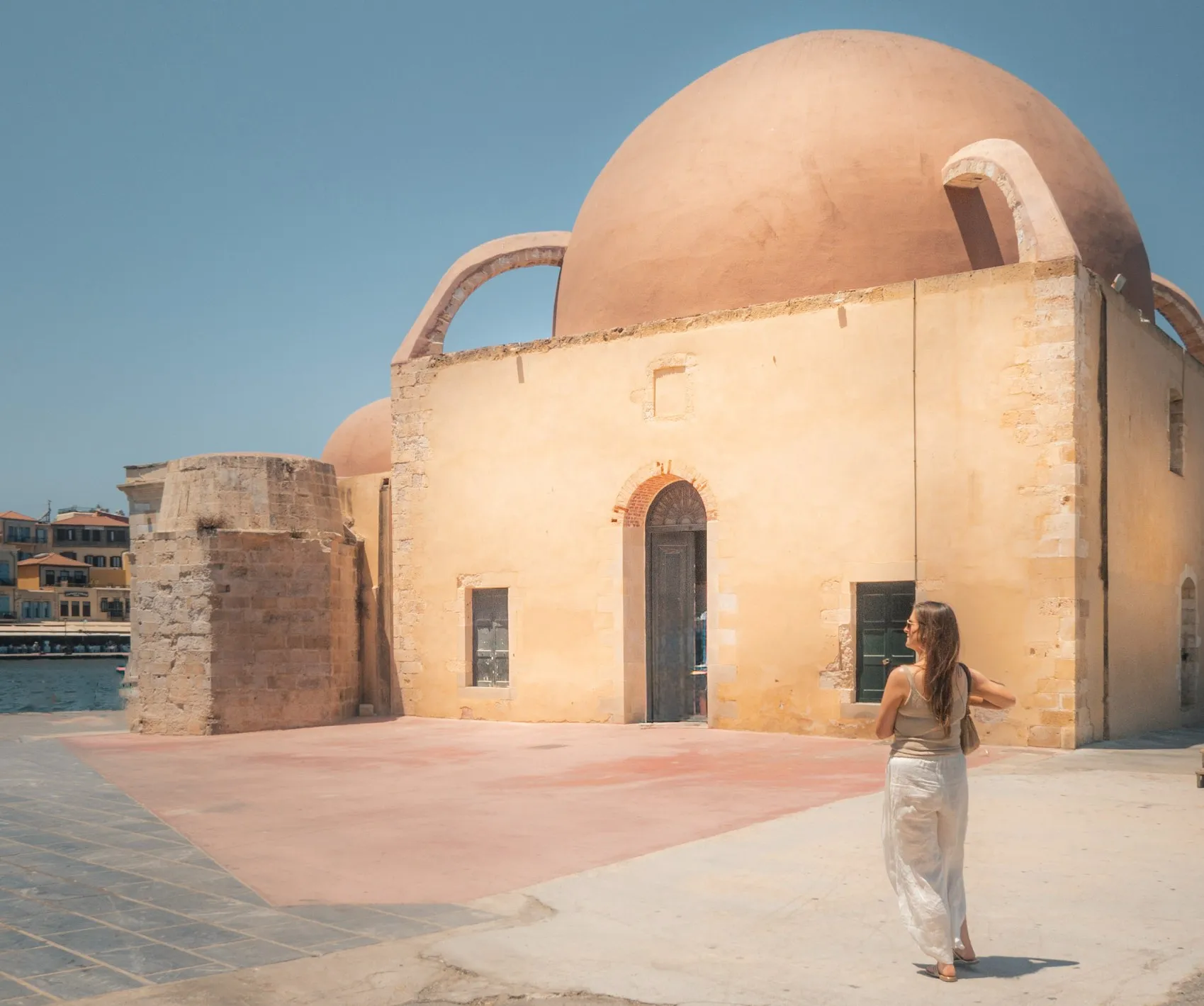
Chania is my top pick for where to stay in Crete. There are so many things to do here, it’s a great base for exploring Crete along with the old town, walkable beaches, excellent cafe scene and lots of great restaurants. It’s a city but you do do get the best of both worlds, for example you could stay in the beach area of Nea Chora, which is just a 10 minute walk to the Old Town.
Rethymno is similar to Chania, in that there is an old town and beaches. However I found it to be more touristy with more family style resorts. Rethymno Beach is a massive 12 – 13 kilometre (7.5 – 8 mile) sandy stretch. If you plan to spend most of your trip on the beach but would like to have a large town to dip in and out of, Rethymno is a good choice. You can also get a ferry to Santorini from here, there are many 1 day trips.
Hersonissos has a reputation as the party town, it attracts a young crowd. The town itself has lots of bars and touristy restaurants but a few kilometres away close to the mountains are three old towns which which offer a more traditional Cretan experience. There are also some amazing beaches here like Sardini beach and Anissaras beach.
Agios Nikolaos is over on the east side and has a different feel to anywhere else on this list. The town is built around Lake Voulismeni, a small round lake with bars and tavernas circling it. The beaches in town are small, so it’s not the choice for a week of sunbathing, but it’s one of the best bases for eastern Crete if you want to see Elounda and take the boat across to Spinalonga. It tends to attract couples and an older crowd rather than families or a party scene.
Georgioupoli sits roughly halfway between Chania and Rethymno and it’s the most low key option here. The beach is a long sandy stretch running all the way towards Kavros, while the village itself is small, built around a square shaded with eucalyptus trees. It’s a good pick if you want somewhere quiet and family friendly but still want two old towns within half an hour, and Lake Kournas, the only freshwater lake in Crete, is a 15 minute drive inland.
Heraklionis the biggest city on the island and it’s where most people land, so it often gets written off as somewhere to pass through. I’d say give it a day to check out. It’s not as pretty as Chania or Rethymno, but Knossos Palace is 20 minutes away, the Archaeological Museum is genuinely worth a couple of hours. It’s the most practical base if you’re short on time or heading east, and you can also get the ferry to Santorini from here too. What it isn’t is a beach base, so plan on driving out if that’s what you’re after.
Getting Around Crete
Bus
The island is well serviced by buses, you can get to all the island’s top towns and beaches on the public bus. KTEL is the bus company, you can book your ticket online and also see up to date timetables. The buses are comfortable, but during the summer months can become crowded so a seat isn’t always a guarantee.
The north coast route between Chania, Rethymno and Heraklion is the one you’ll likely use most and it runs frequently enough that you barely even need to plan around it. Chania to Rethymno takes about an hour, Rethymno to Heraklion about the same again and the fare is only a few euros each way. Buses also run out to the big beaches and to Knossos in season, though those drop right back once the summer timetable ends in autumn.
Where it gets harder is the south and place.s inland Services to the mountain villages can be one a day, often timed for locals going to town in the morning and back in the afternoon rather than for visitors doing the opposite.
Car Rental
I recommend everyone visiting Crete to rent a car. The buses cover the main towns and the big beaches, but the gorges, the mountain villages and most of the south coast are off that network. Book early if you need an automatic, as there are far fewer of them and they can cost more.
Check the small print on dirt roads, because almost no policy covers you on the track down to Balos, which is the exact road most people end up renting a car for.
Ferries
If you’re coming from Athens, the overnight ferry from Piraeus is a lovely way to arrive. It takes around nine hours to Heraklion or to Souda, which is Chania’s port about 7km outside town, and a cabin costs less than you’d think. You sleep, you wake up in Crete, and you haven’t lost a day to an airport.
In summer there are high speed boats from Heraklion and Rethymno up to Santorini in roughly two hours, which is what makes a day trip doable. The other ferries to know about are the small ones along the south coast, connecting Chora Sfakion, Loutro, Agia Roumeli, Sougia and Paleochora. Some of those villages have no road in at all, and the boat is how you get out of the Samaria gorge at the end of the hike. Check Ferryhopper for routes and timetables, and keep an eye on the forecast, because the south coast boats are cancelled in rough seas and there’s often no plan B.
Best Things To Do In Crete
Chania Old Town · Venetian Harbour
01Don’t miss
Wander Chania Old Town
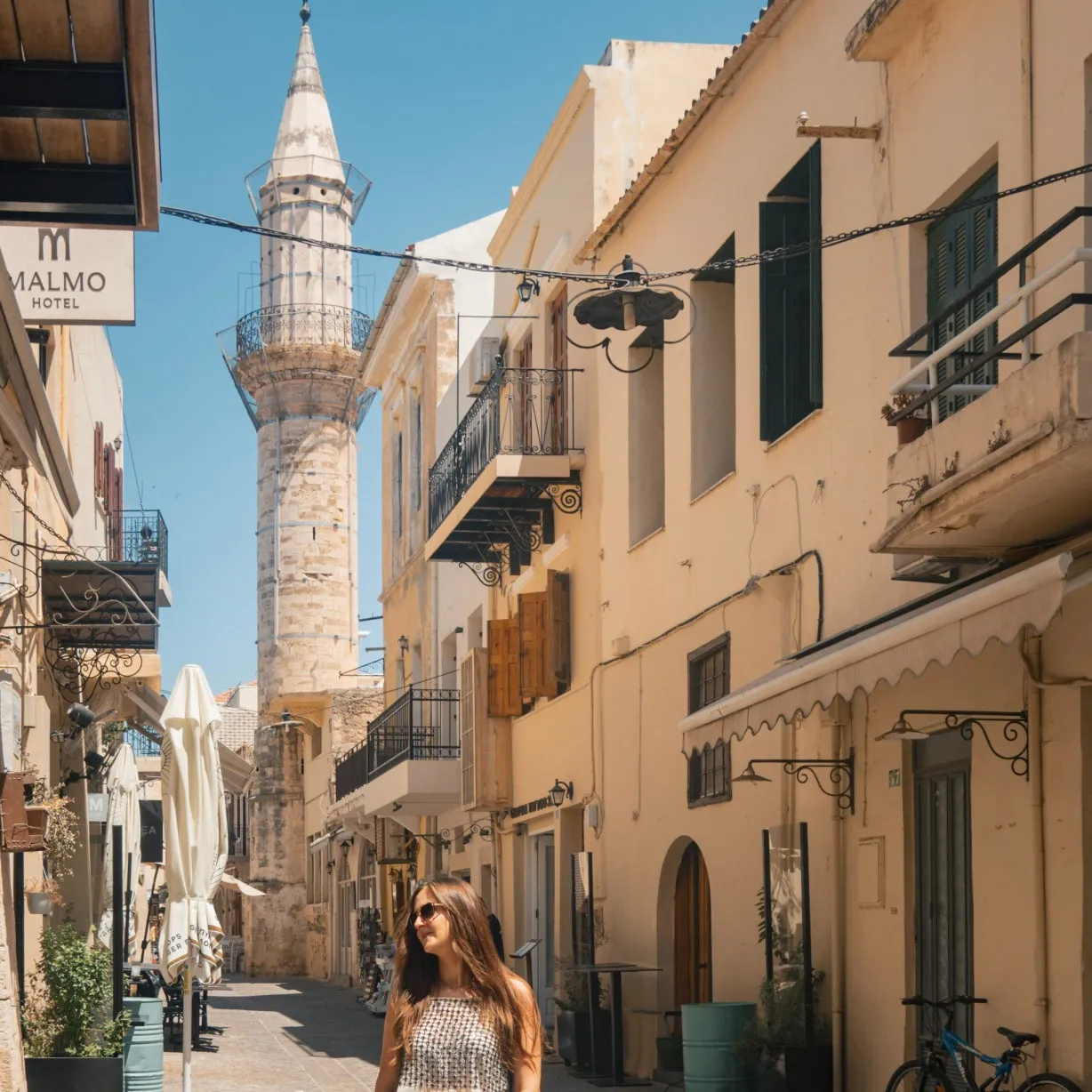
The prettiest town in Crete and the reason I keep telling people to base themselves here. The Venetian harbour curves around to an Egyptian lighthouse, and behind it is a maze of Venetian and Ottoman lanes that most people never get past the first two streets of. Go inland to Splantzia, where the squares have proper tavernas instead of menus in five languages. The harbourfront is worth one drink for the view and not much more. Early morning and after nine at night are when it’s at its best, when the day trippers have gone and the light goes gold on the old walls.
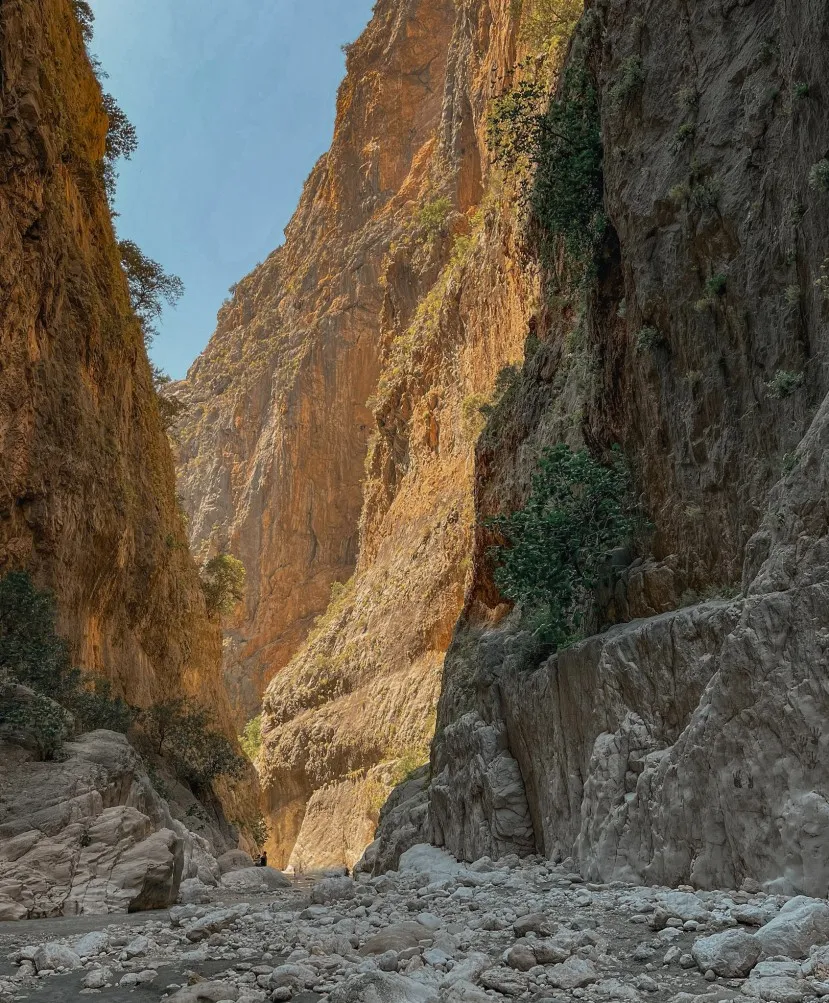
Sixteen kilometres downhill through a national park, starting at Xyloskalo on the Omalos plateau at 1,230m and finishing at the sea in Agia Roumeli. The bit everyone comes for is the Iron Gates, where the walls close in to a few metres apart and rise hundreds of metres over your head. Give it five to seven hours and don’t underestimate the descent, it’s steep and the path is loose rock the whole way. It usually opens in early May and closes in October, and it shuts entirely in bad weather. There’s no road out at the end, so you finish with a ferry to Chora Sfakion or Sougia and a bus back. Book the organised trip and the transport is sorted for you, which is genuinely worth it here.
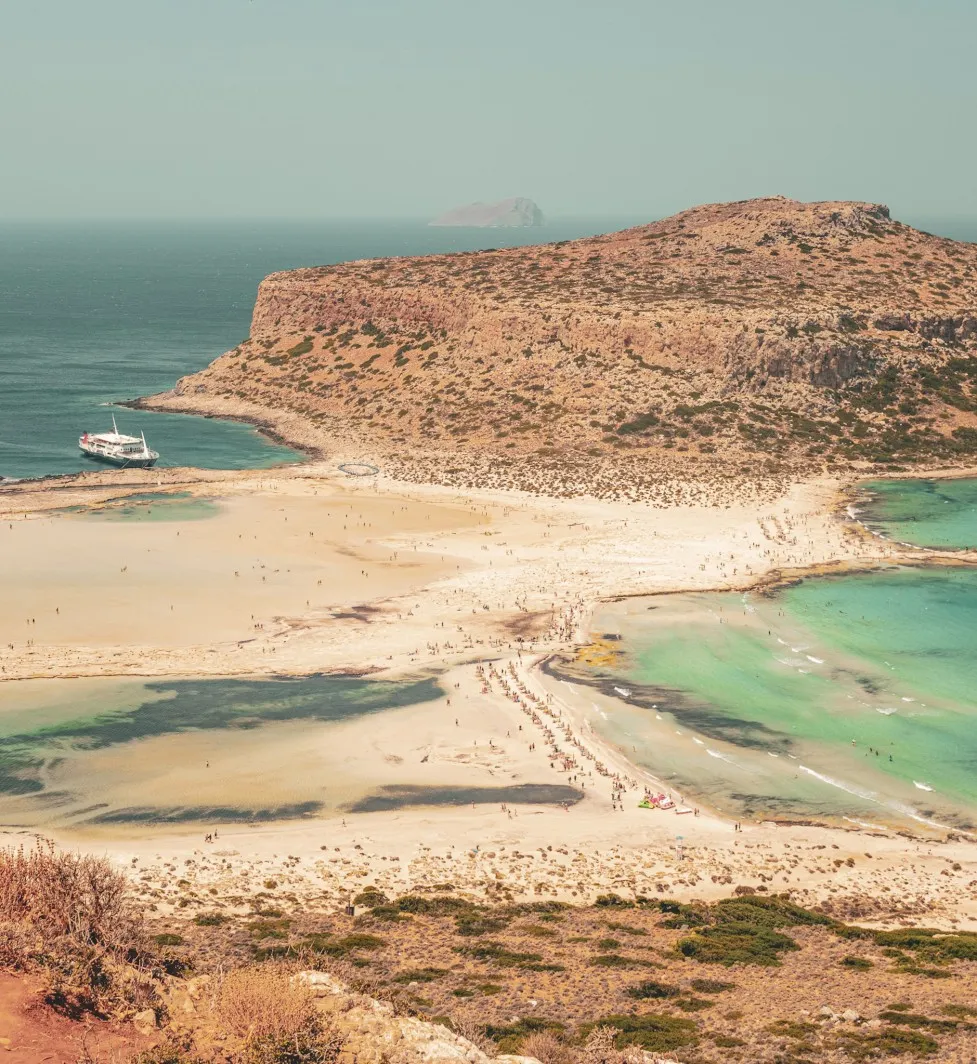
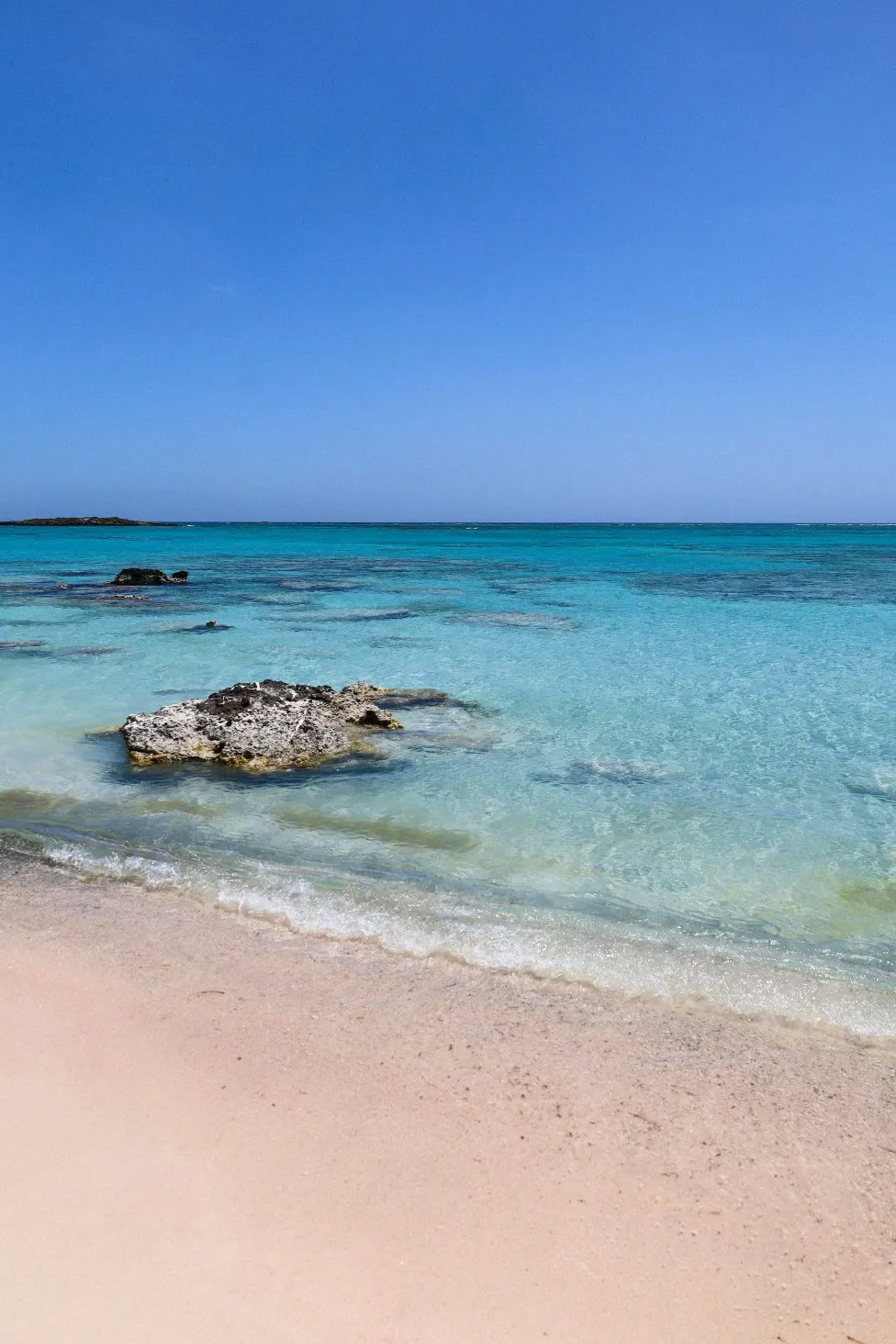
The shallow turquoise lagoon on the northwest tip of the island, with white sand that turns faintly pink where the shells have been ground into it. Two ways in. The boat from Kissamos takes most of the day and stops at Gramvousa island first, where you climb up to a ruined Venetian fortress with a shipwreck sitting in the bay below. Or you drive the dirt track and walk down about twenty minutes of steps, which is quieter but hard on the car, and most hire agreements don’t cover you on that road. Either way, go early. By midday the boats are in and the lagoon is very much not a secret.
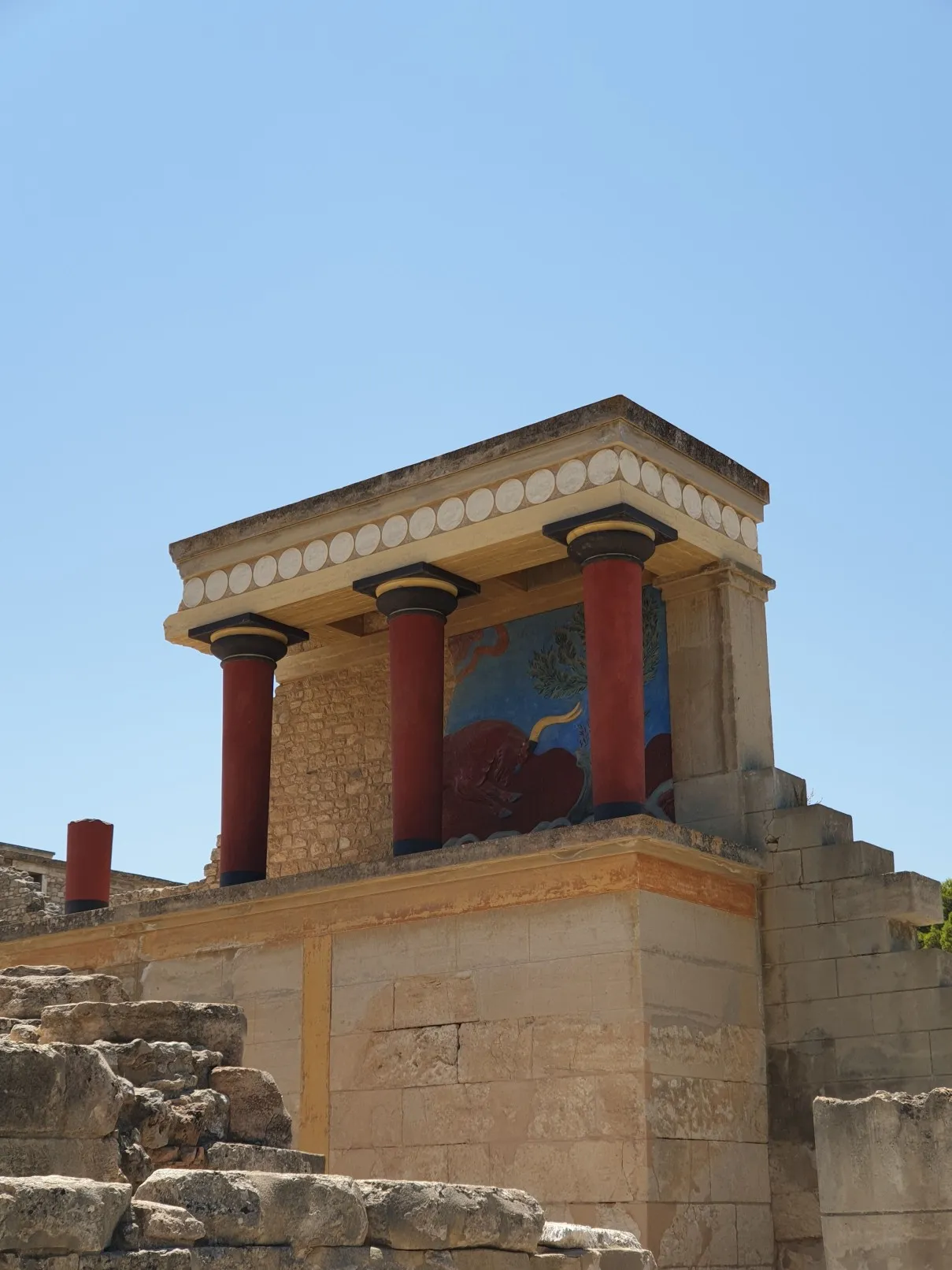
Europe’s oldest city, the centre of Minoan Crete, and the palace tied up in the myth of the Minotaur and the labyrinth. Fair warning, a lot of what you see was reconstructed in concrete by Arthur Evans in the early 1900s and archaeologists have argued about it ever since. It’s still extraordinary, but it’s flat stone and heat without context, so take a guide or at least an audio guide. Then do the Heraklion Archaeological Museum in the same day, because that’s where all the real finds ended up, including the frescoes and the snake goddess figurines. Go first thing or late afternoon in summer, there is almost no shade on the site.
The pink sand beach in the southwest corner, where a shallow lagoon separates the mainland from a small protected islet you can wade across to, usually knee deep. The pink comes from crushed shell, so it shows up in patches rather than the whole beach, and it’s strongest right at the water’s edge. It’s a nature reserve, so no picking up the sand to take home. The drive from Chania is about two hours on mountain roads that are beautiful and slow, so leave early and make a day of it rather than squeezing it in. Facilities are limited to a couple of canteens, and it can get windy in the afternoon.
Crete has a slightly different cuisine to mainland Greek and other Greek Islands. They still use an abundance of olive oil and gyros are on every corner, but the cheese is different, pies come in all shapes and sizes and raki after any meal is a given. I wrote a detailed guide on all the best Cretan foods, but if you don’t have time check the top 8 dishes you definitely shouldn’t miss below.
01
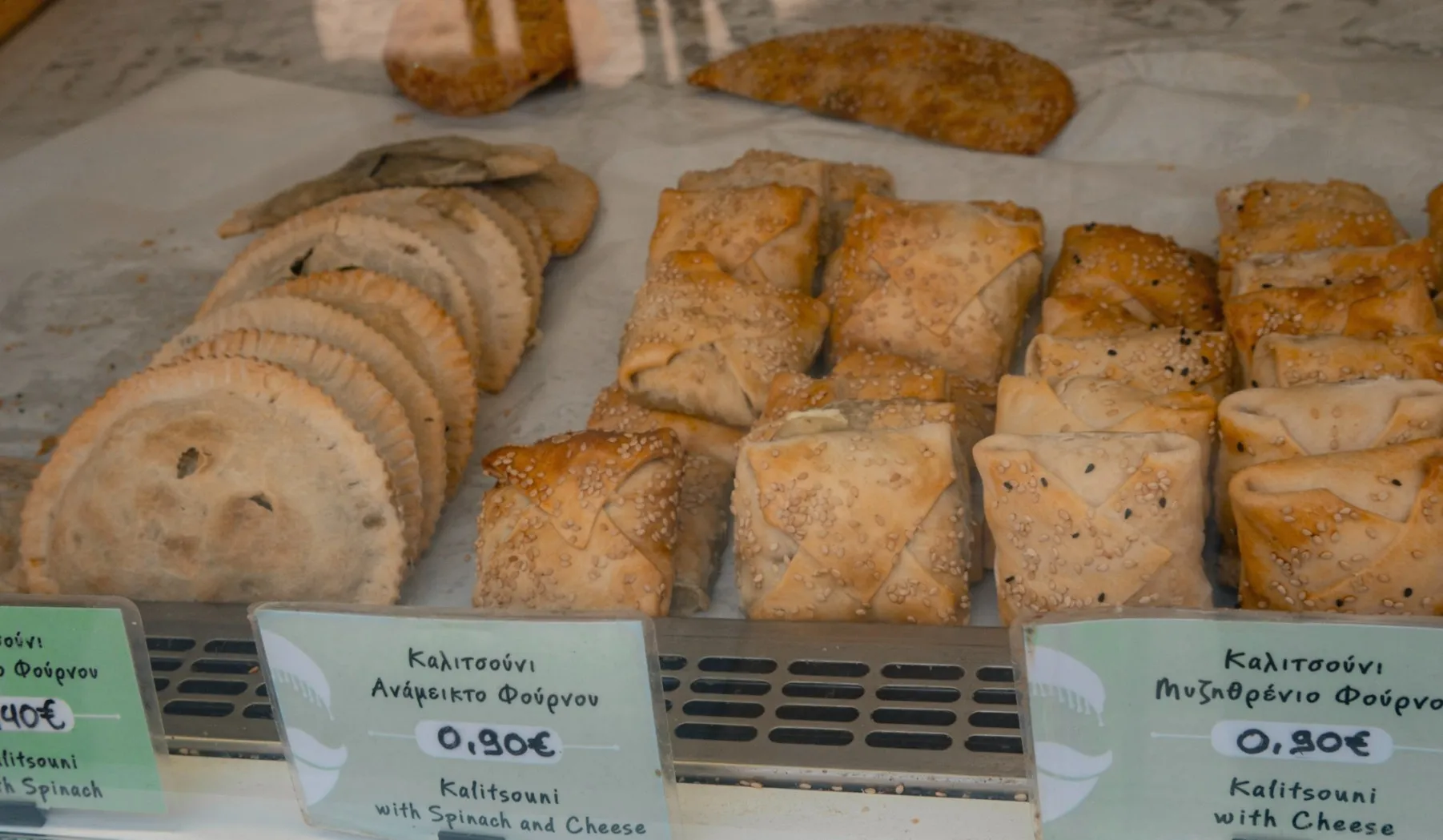
Kalitsounia
Small hand folded pastries filled with soft mizithra and sometimes wild greens, either baked or fried until blistered. The savoury ones arrive with thyme honey poured over the top, which sounds wrong for about two seconds. Every bakery has a tray out by nine in the morning.
Must order
02
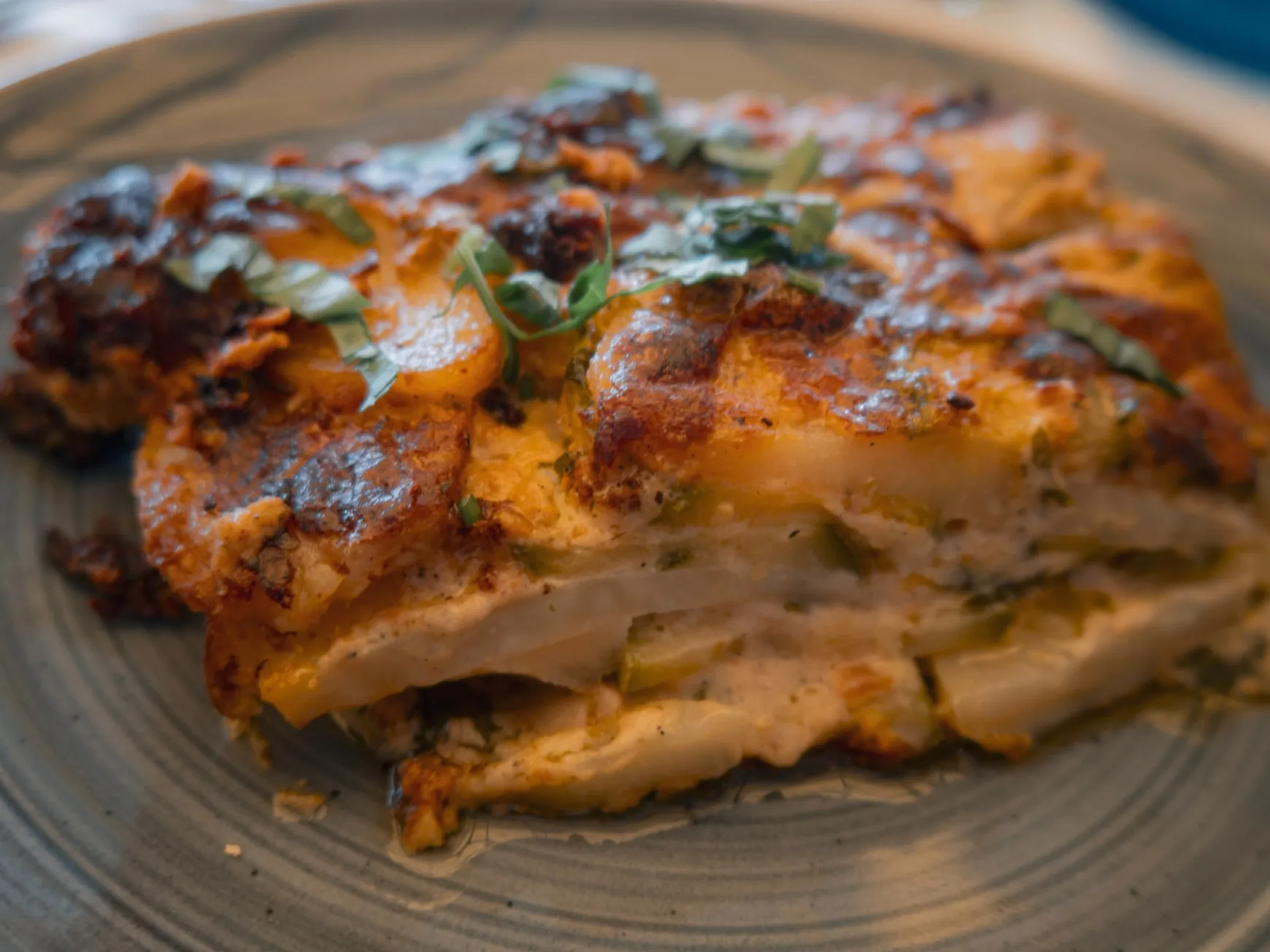
Boureki
Sliced courgette and potato layered with mizithra and mint, baked slowly until the top goes golden and the whole thing collapses into itself. Served warm rather than hot. Always better in a small family taverna than anywhere with a view of the harbour.
03
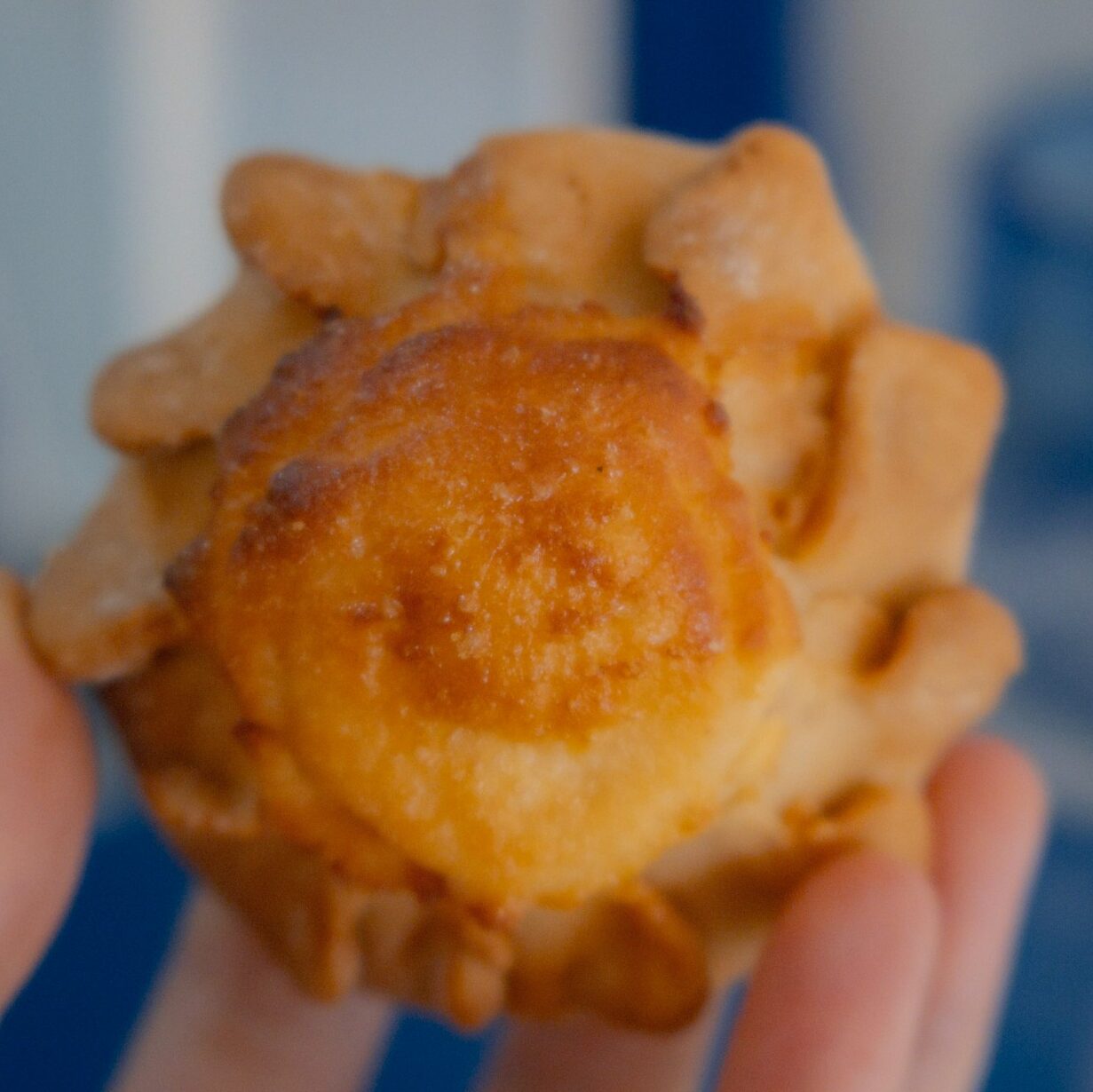
Lychnarakia
The sweet cousin of kalitsounia, open topped and pinched into the shape of a little oil lamp, which is where the name comes from. Filled with mizithra scented with cinnamon and orange. Traditionally an Easter bake, so spring is when you find them made properly.
Easter treat
04
Bougatsa, Chania Style
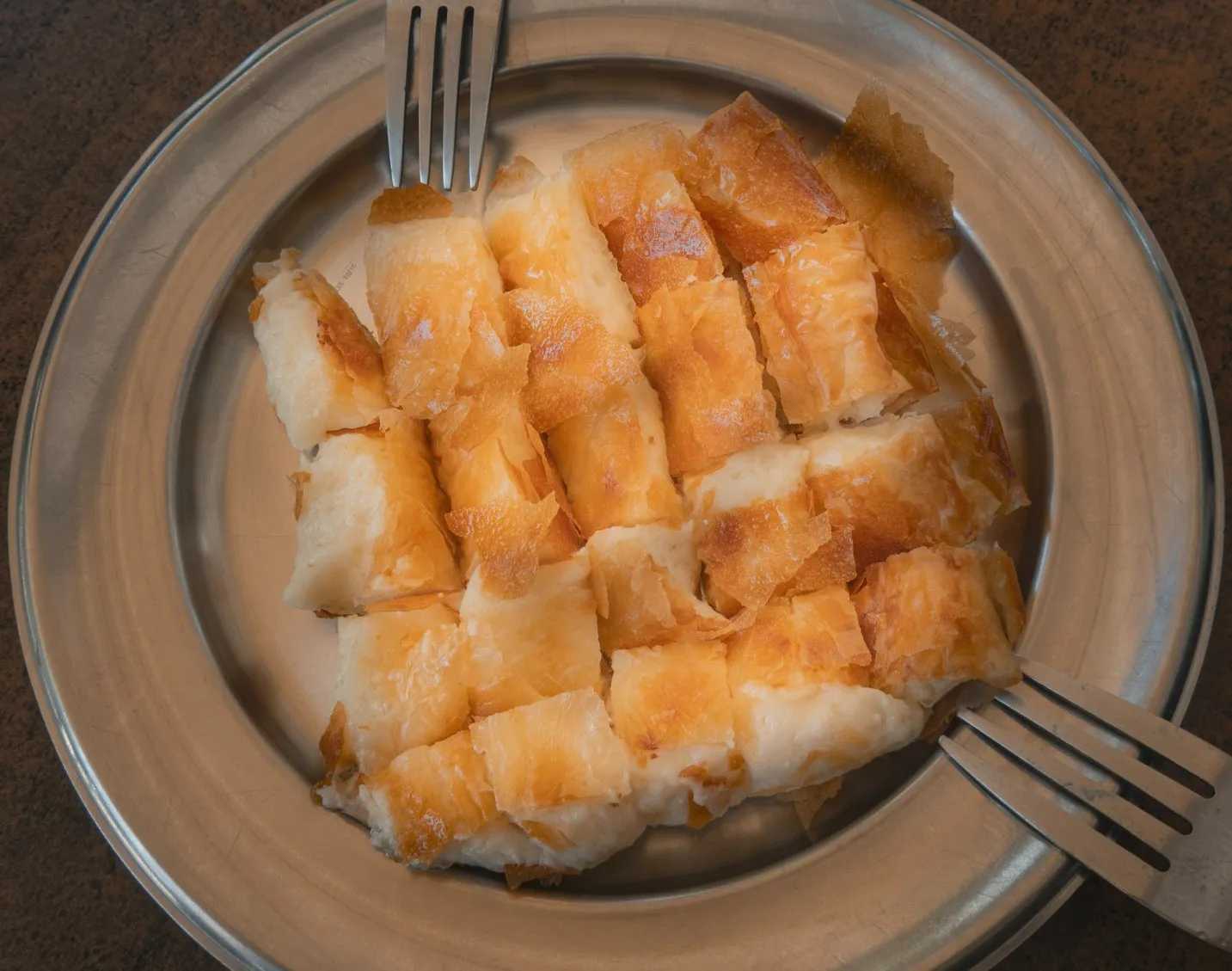
Forget the custard version from northern Greece. Here it is thin flaky pastry packed with fresh unsalted mizithra, baked, cut into squares with a scraper at the counter, then dusted with sugar and cinnamon. Bougatsa Iordanis in Chania has been making one thing only since 1924. Eat it standing up with a coffee.
Breakfast
05
Mizithra
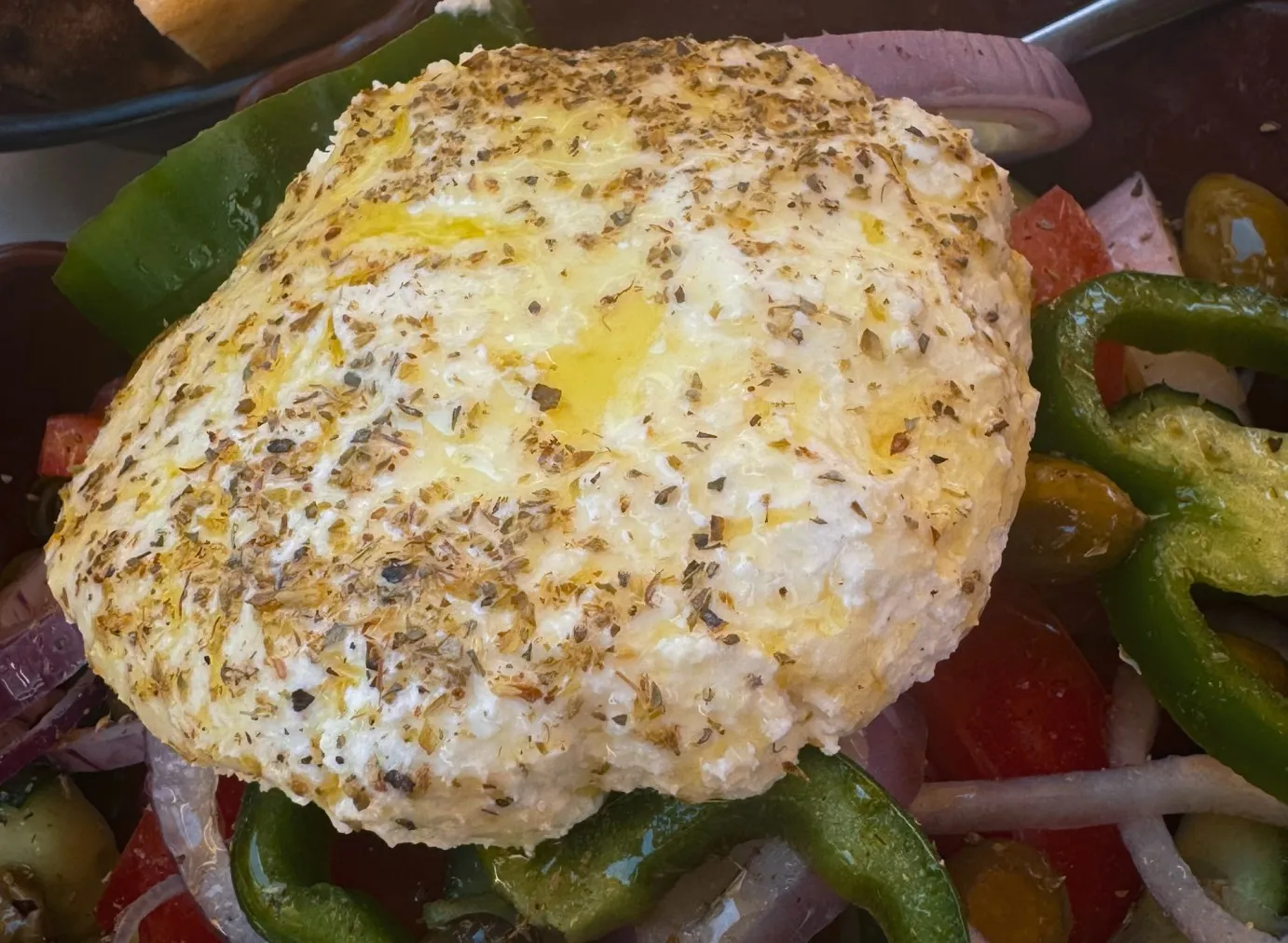
The cheese running through almost everything on this list. Fresh, it is soft, milky and barely salted. Aged and dried, it turns hard and sharp and gets grated over pasta and dakos. Buy some fresh from a village shop with bread and honey and you have lunch sorted.
06
Raki
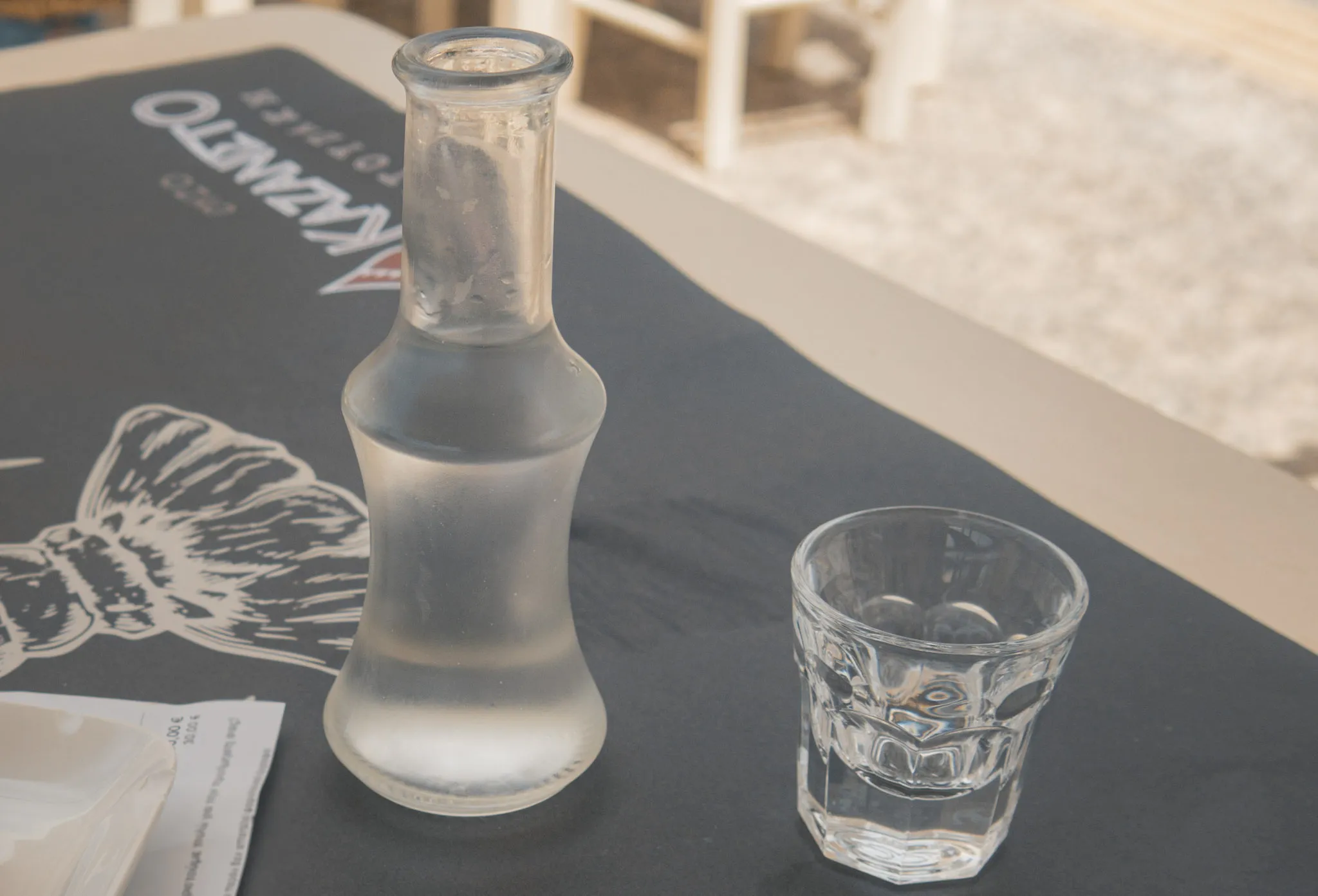
Tsikoudia, if you are being formal. Clear, strong, distilled from what is left after the grape pressing, and poured free at the end of every meal with fruit or something sweet. Turning it down is rude, one is polite, three is completely normal.
After dinner
07
Dakos
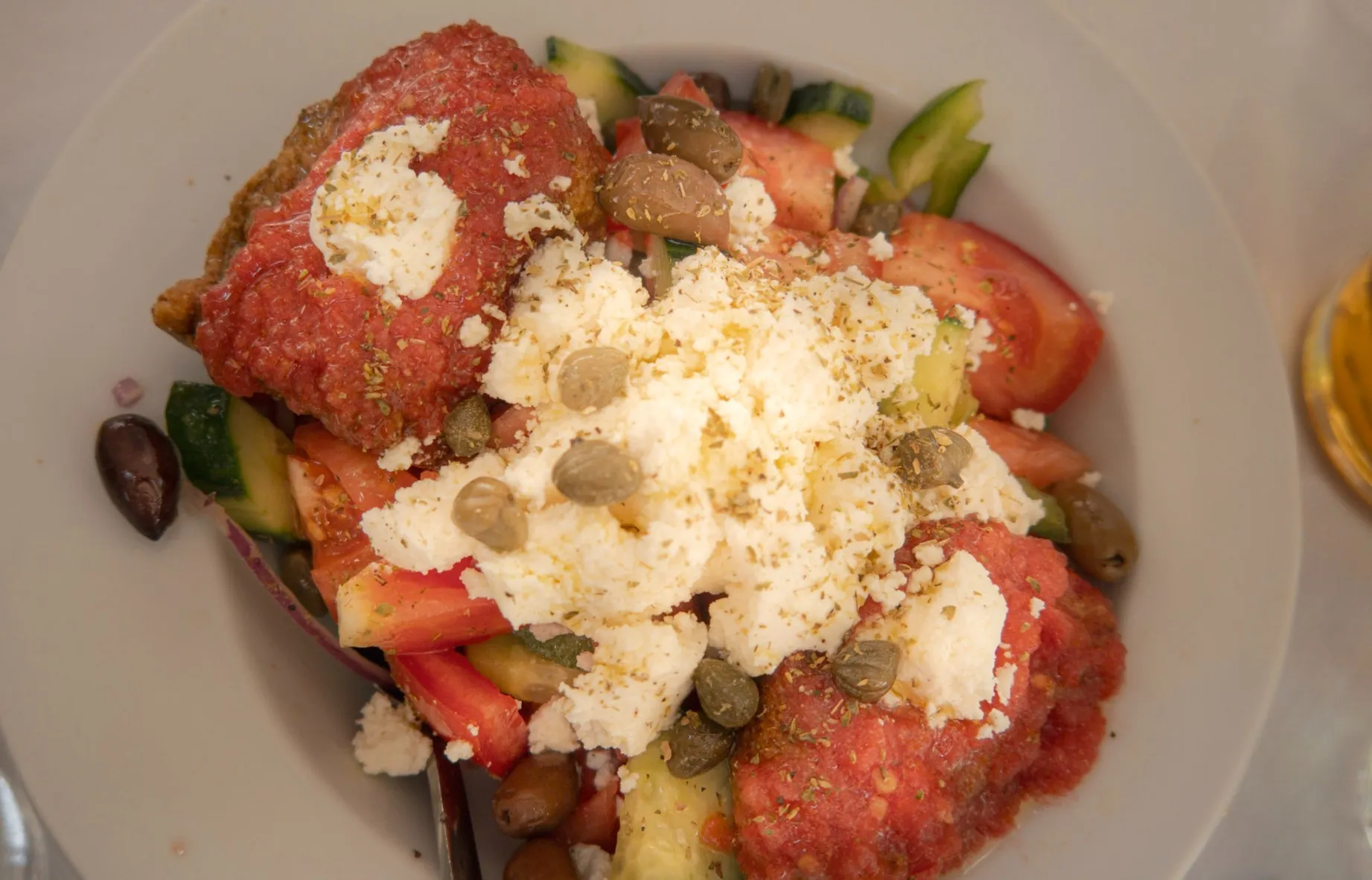
A hard barley rusk, dampened just enough to give, piled with grated ripe tomato, crumbled mizithra, oregano and a lot of olive oil. It reads like nothing on a menu and turns out to be the best thing on it. The difference between a good one and a bad one is entirely the tomato.
Don’t skip
08
Antikristo
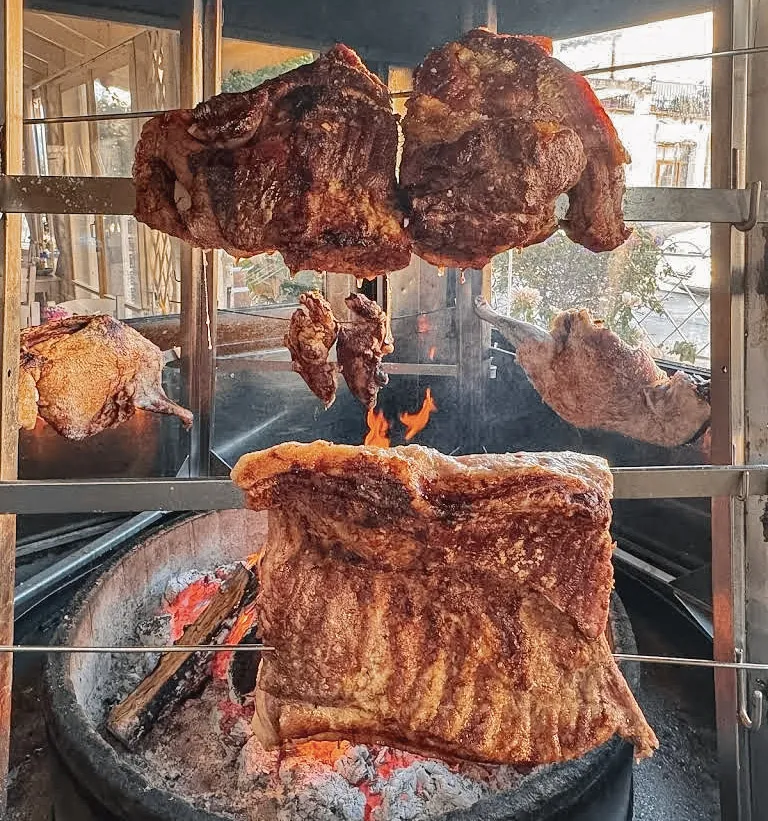
Lamb cut into quarters, staked upright in a ring around an open fire and cooked slowly by the heat facing it, sometimes for hours. Salt and nothing else, because nothing else is needed. The name means facing each other, which is the meat and the flames. Sfakia and the villages around Anogia are where to eat it, and it is worth heading inland for a night to do so.
Hello, I am Tara, the creator of this travel blog! After 4 years of full-time travel, I’ve learned what actually matters when planning a trip and what’s just tourist hype. I share brutally honest guides, realistic itineraries and real tips (including the downsides) about the places I’ve been to. No sugar-coating, no fluff, just the information you actually need to plan a great trip.
Some links in this post are affiliate links, meaning I may earn a commission at no extra cost to you if you make a purchase