L O N D O N
travel guide
Some cities you visit. London is a city that pulls you in.
It’s tempting to say London has it all and it’s a cliché for good reason. Within a few Tube stops you can go from Roman ruins to glass skyscrapers, from a Michelin-starred tasting menu to a Saturday market stall selling the best salt beef bagel of your life, and from royal palaces to warehouse raves at night in Hackney. No single visit covers all of it and that’s why I will always go back.
London isn’t really one city. It’s a patchwork of villages that grew into each other over centuries and each one kept its own character. Shoreditch is all street art, coffee and late nights. Notting Hill has pastel terraces and the hum of Portobello Road. Hampstead feels like a country village sitting on top of a capital city. Greenwich has maritime history and some of the best views over the skyline. Like the world’s other great cities, London is best understood one neighbourhood at a time and the joy is in finding the corners that feel like yours.
My London travel guides will help you do that. We’ll cover the icons you shouldn’t miss and the side streets most visitors walk straight past, plus how to get between them without losing your mind (or your Oyster card).
So step aboard and mind the gap.
London Essentials
London Travel Guides
Where To Stay In London
Zone 1, or zone 2 close to a Tube station. Covent Garden or the South Bank if you can’t decide.
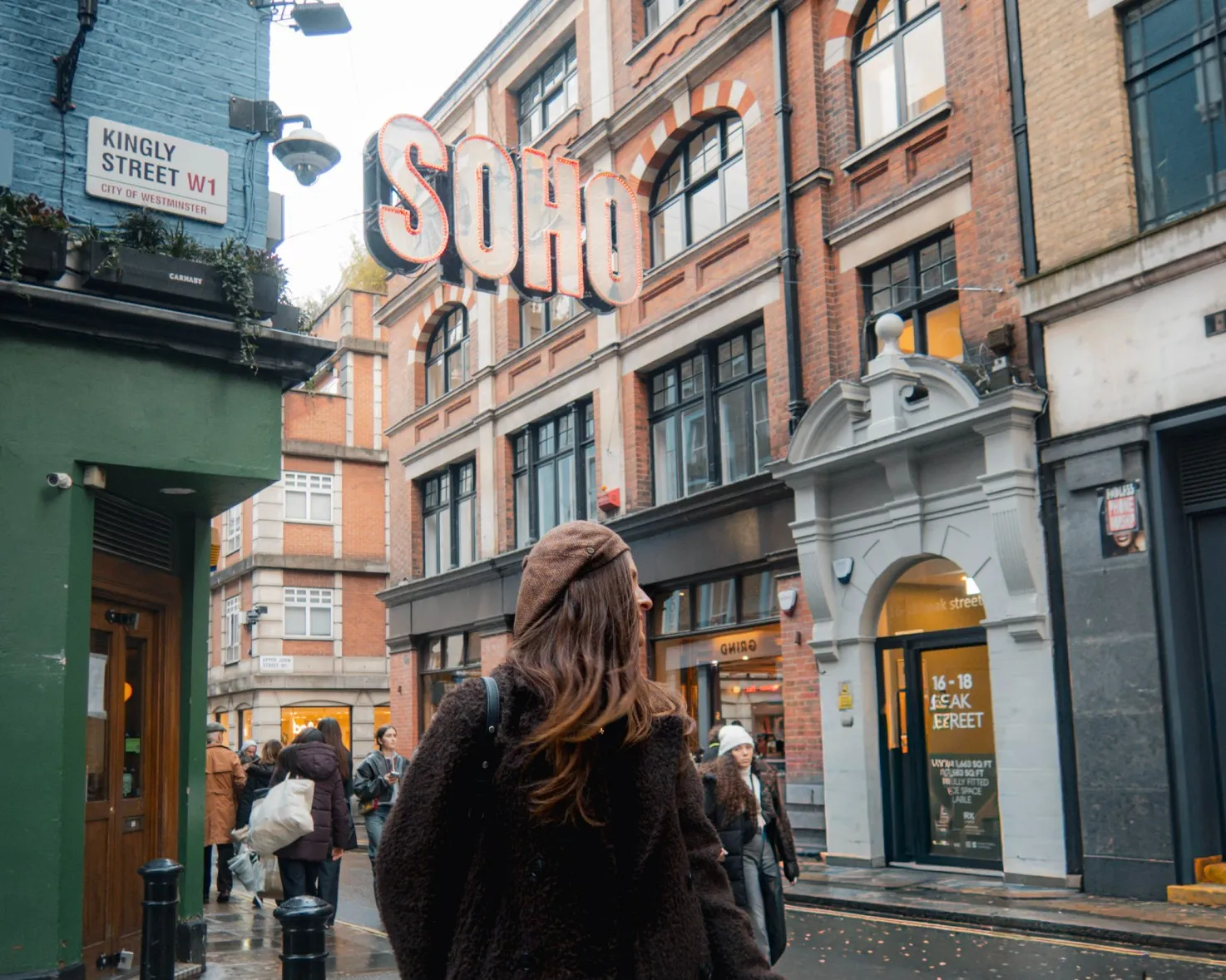
For a first trip, staying central is worth the extra money. Covent Garden puts you within walking distance of the theatres, Soho and the river. Expect small rooms and some late-night noise. The South Bank is easier with kids and is lovely for walking. You can see the London Eye, Big Ben and the river from your door, though the food along the water costs more than it should.
If you want somewhere with more character, Borough is close to the market, Tower Bridge and the Shard. Notting Hill feels like a village, but it’s further out and goes quiet at night. Shoreditch is best for bars, street art and vintage shops if landmarks aren’t the point.
On a first visit I’d skip anywhere out in zones 5 and 6, and I wouldn’t pick a hotel near Leicester Square for the late nights.
If you’re stuck, read my full guide to where to stay in London, which goes through each area with handpicked hotels per budget.→
Getting Around London
Honestly, walk wherever you can. Central London is much smaller than the Tube map makes it look. Covent Garden to Leicester Square is about a four minute walk, and lots of journeys that look like two changes on the Underground are fifteen minutes on foot. The South Bank from Westminster Bridge to Tower Bridge is the best walk in the city and takes about an hour if you don’t stop, which you will. Citymapper is the app to download for routes, and it’s better than Google Maps here.
The Tube
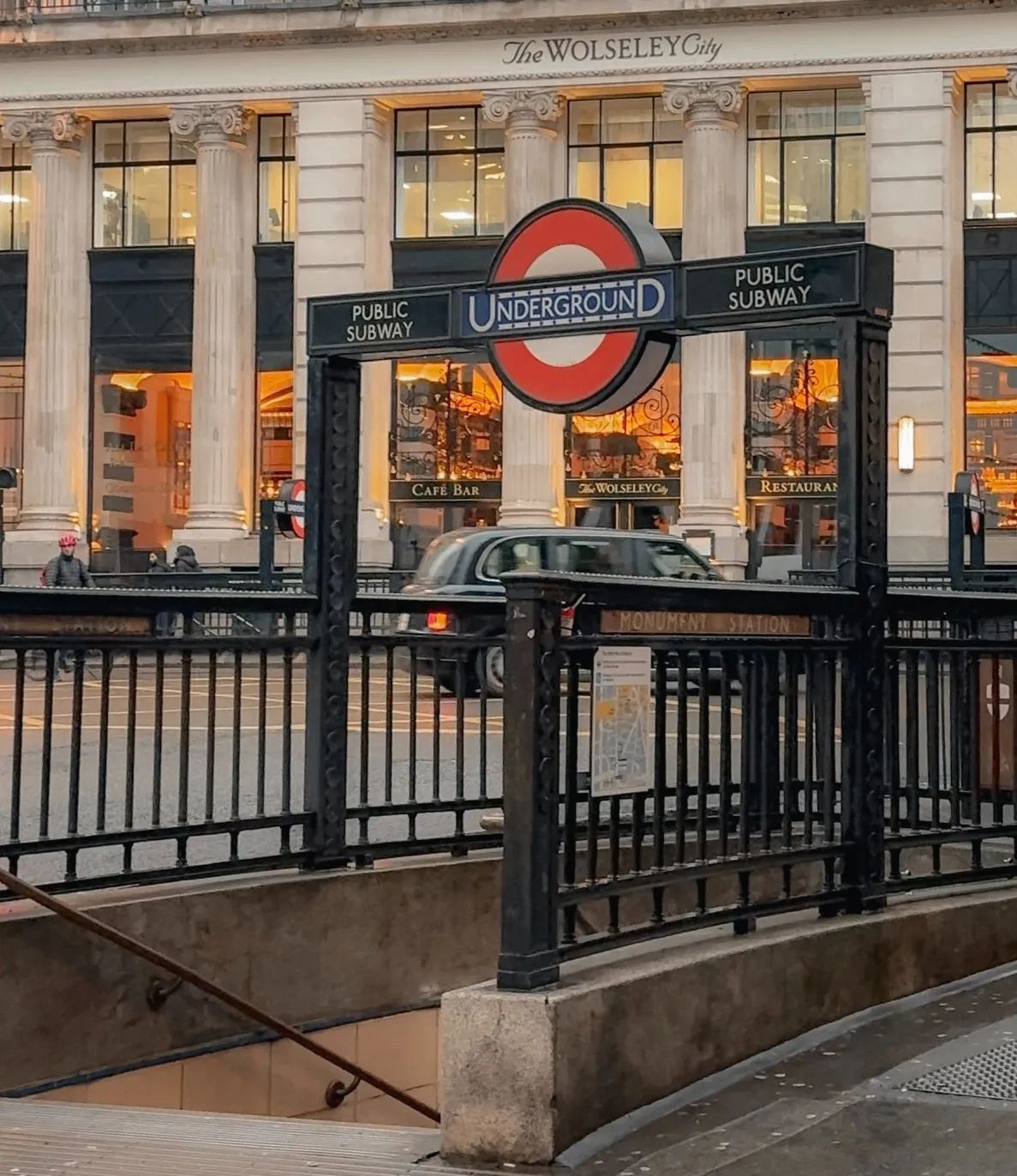
The Underground is the quickest way to cover distance in London, and you’ll use it more than anything else. You don’t need to buy a ticket or an Oyster card: just tap a contactless bank card or your phone on the yellow reader when you go in and again when you come out. Always tap out, or you’ll be charged the maximum fare. Use the same card or phone all day, because that’s how the daily cap works. Once you hit it, the rest of your travel that day is free. Check TfL for fares and any line closures, which happen a lot at weekends.
Since March, a journey within zone 1 costs £3.10 at peak times and £3.00 off peak. Travel in zones 1 and 2 is capped at around £9 a day, however much you ride. Avoid the rush hours if you can, roughly 7:30 to 9:30 and 5 to 7 on weekdays. The trains are packed, and in summer the deep lines like the Central and Northern get properly hot. The Night Tube runs on Friday and Saturday nights on a handful of lines, which is handy after the theatre.
Bus
The buses are cheaper than the Tube and far better for seeing the city. A flat fare of £1.85 takes you anywhere, and with the Hopper fare you can take as many buses as you like within an hour for that one fare. They’re cash-free, so tap the same card you use on the Tube. Get a seat at the front of the top deck on the 11 or the 15 and you’ve got a sightseeing tour for under two pounds. They’re slower than the Tube in traffic, though, so leave plenty of time if you need to be somewhere
Boats
The Uber Boat by Thames Clippers runs along the river like a bus, between piers from Putney out to Greenwich and beyond. It costs more than the Tube, but you can tap on with contactless and you get the Houses of Parliament, St Paul’s and Tower Bridge from the water. It’s the nicest way to get to Greenwich, so take it at least one way
Getting in from the airport: From Heathrow, the Piccadilly line is the cheapest and slowest. The Elizabeth line is quicker and about £15.50 into central London, and the Heathrow Express is the fastest and the most expensive. Gatwick, Stansted and Luton all have trains into the centre. Book in advance if you can, as it’s usually cheaper than buying on the day.
Best Things To Do In London
Walk the South Bank
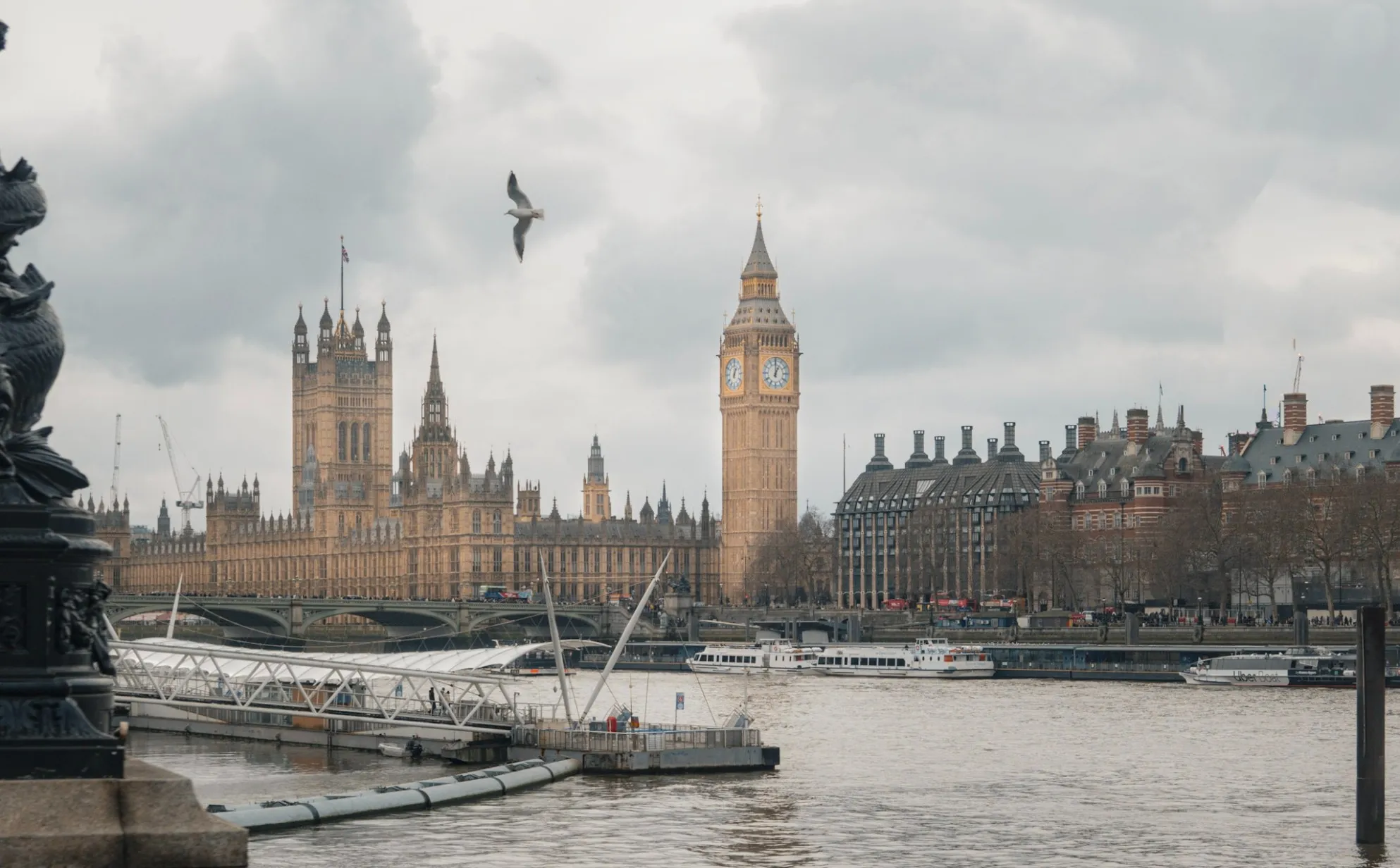
If you only do one thing in London, make it this. Start at Westminster Bridge with Big Ben behind you and follow the river east past the London Eye, the second-hand book stalls under Waterloo Bridge, the skateboarders at the Southbank Centre and Shakespeare’s Globe. Cross the Millennium Bridge for the view straight up to St Paul’s, or keep going to Tower Bridge. It’s about an hour without stopping, but you’ll stop. Pop into Tate Modern on the way, which is free, and go up to the viewing level on the tenth floor. Late afternoon into sunset is the best time.
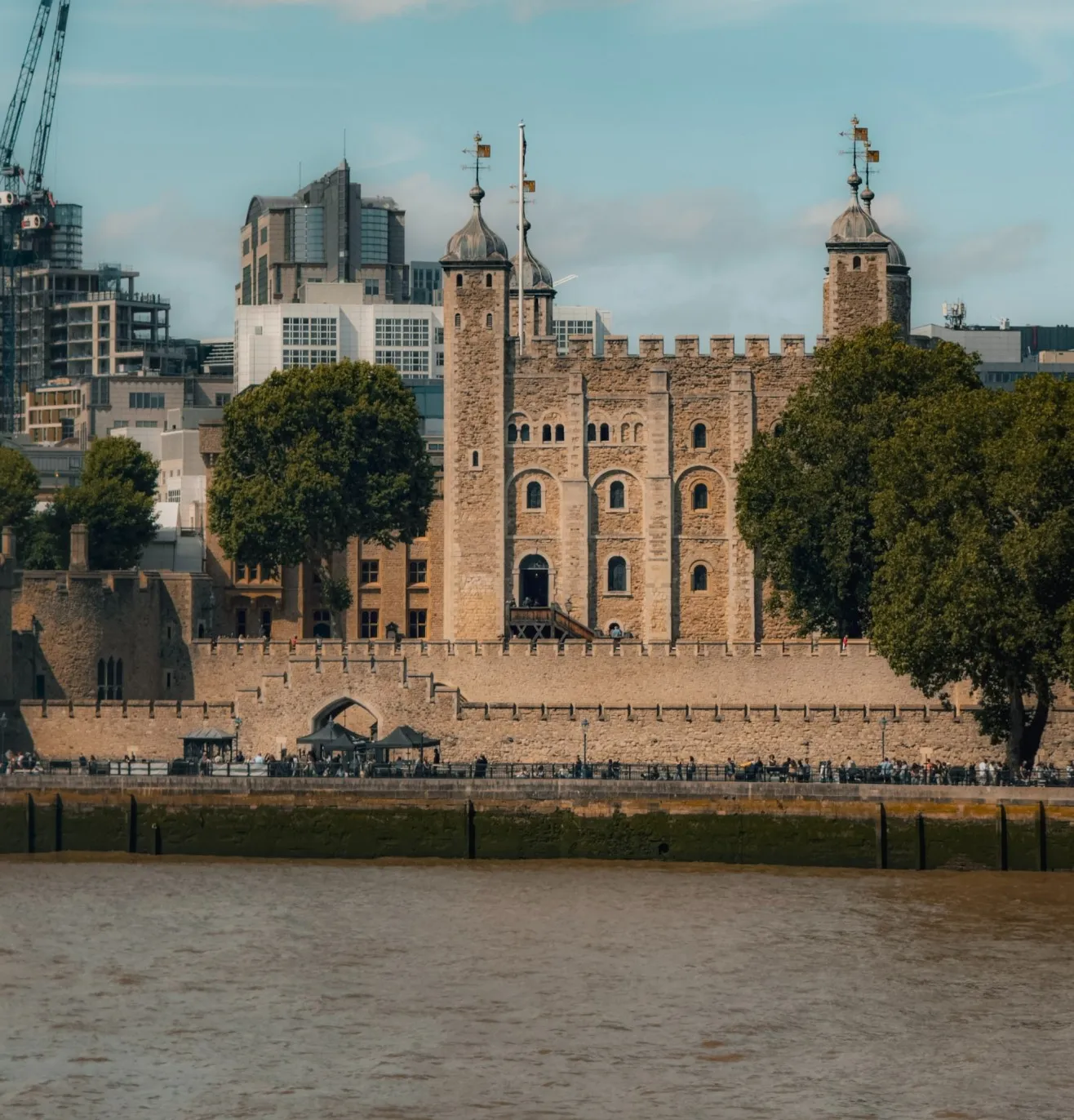
The Tower of London
Nearly a thousand years of royal fortress, prison and execution site, and somehow still not as stuffy as that sounds. The Crown Jewels are the main event. Go straight there when the gates open, before the queue builds and you end up shuffling past the crowns on a moving walkway. Then join one of the free tours with the Yeoman Warders, the Beefeaters, who are very funny and know every grim story the place has. Give it at least three hours, book online in advance, and pair it with a walk across Tower Bridge afterwards.
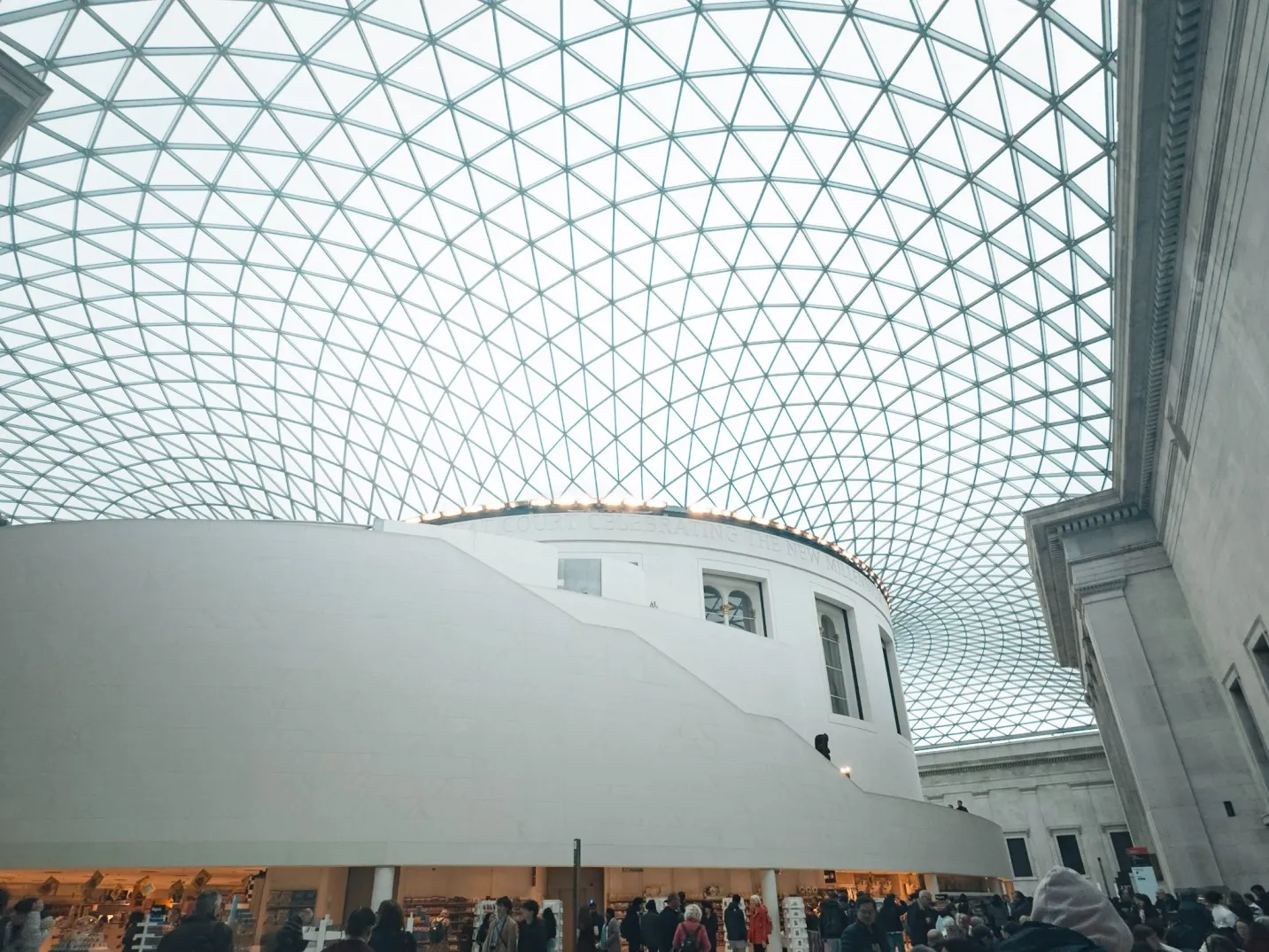
The British Museum
Free to get in and genuinely one of the best museums in the world, with the Rosetta Stone, the Egyptian mummies, the Parthenon sculptures and the Sutton Hoo treasure all under one roof. It’s enormous, and the mistake is trying to see all of it. Pick four or five rooms, see them properly and leave before your feet give up. Booking a free timed slot on the website saves you queuing outside. Weekday mornings are the calmest, and the rooms off the main route are often close to empty even when the Egyptian galleries are packed.
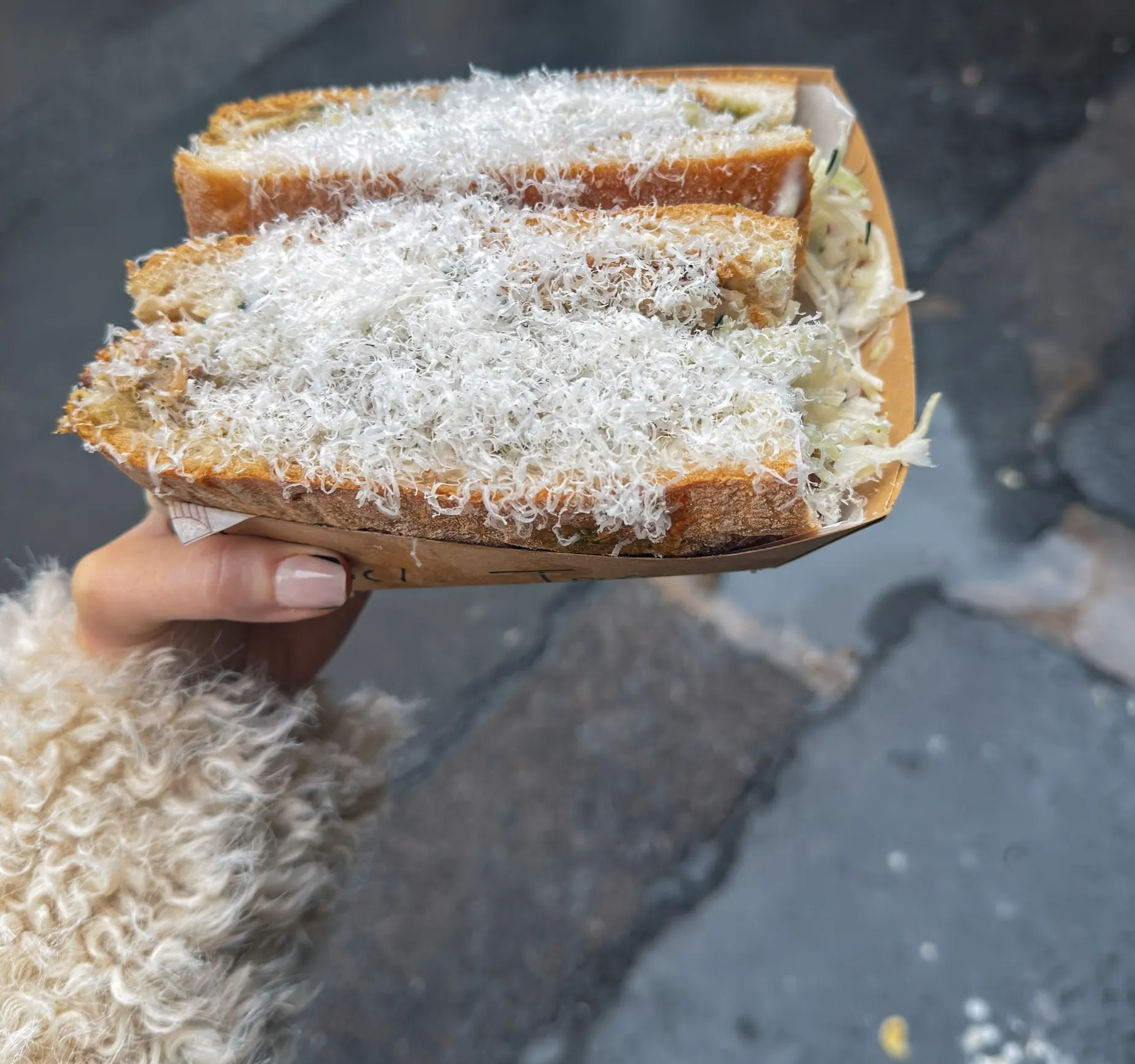
Eat your way round Borough Market
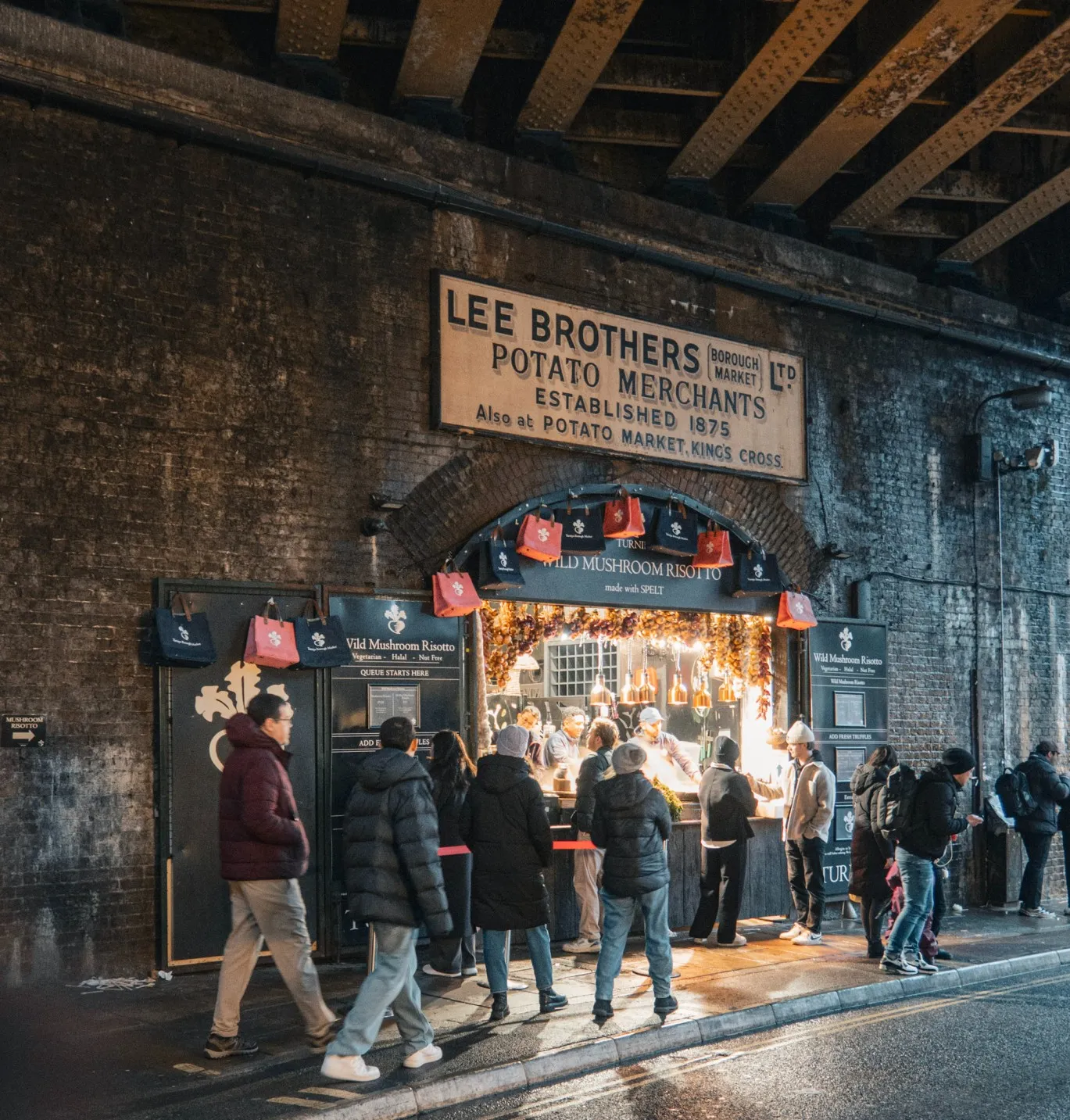
London’s oldest food market, tucked under the railway arches beside London Bridge, and the best place in the city to graze for lunch. Get a toastie from the cheese stalls, a salt beef bagel or a box of fresh pasta, then something from the bakeries for later. Saturdays are a crush, so come on a weekday morning if you can. It’s closed on Mondays. If you like it, Maltby Street a ten minute walk away is the smaller, more local version, and it’s at its best on a Saturday.
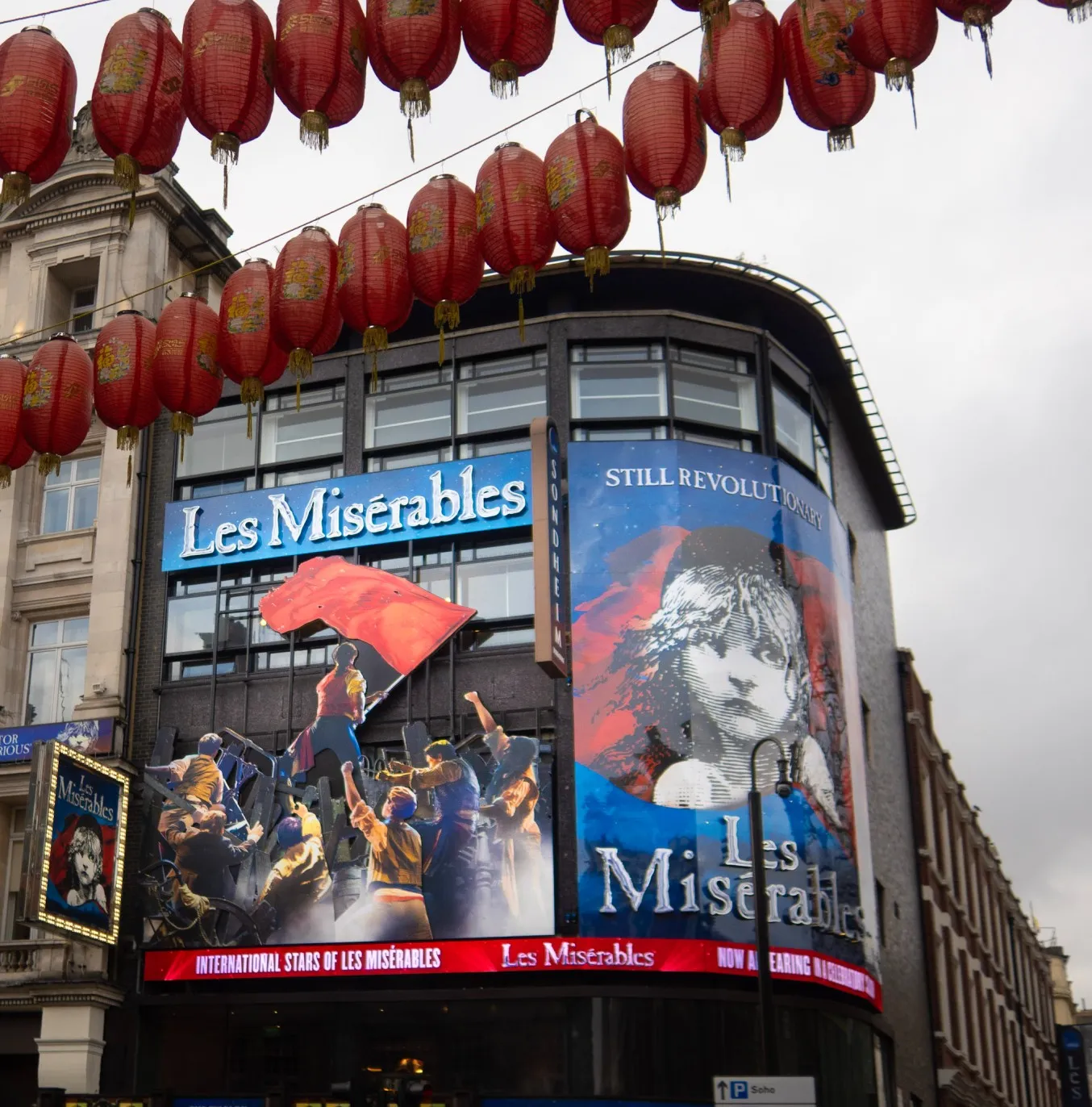
See a West End show
Even if you’d never go to the theatre at home, do it here. The West End has big long-running musicals, new plays and serious stars on stage. Most of it is within a few streets of Covent Garden, so you can have dinner nearby and walk over. Book through the theatre or the TodayTix app rather than the ticket booths around Leicester Square. Many shows also release cheap day seats or a lottery on the morning, so if you’re flexible on what you see, it’s possible to get a good seat for a fraction of the price.
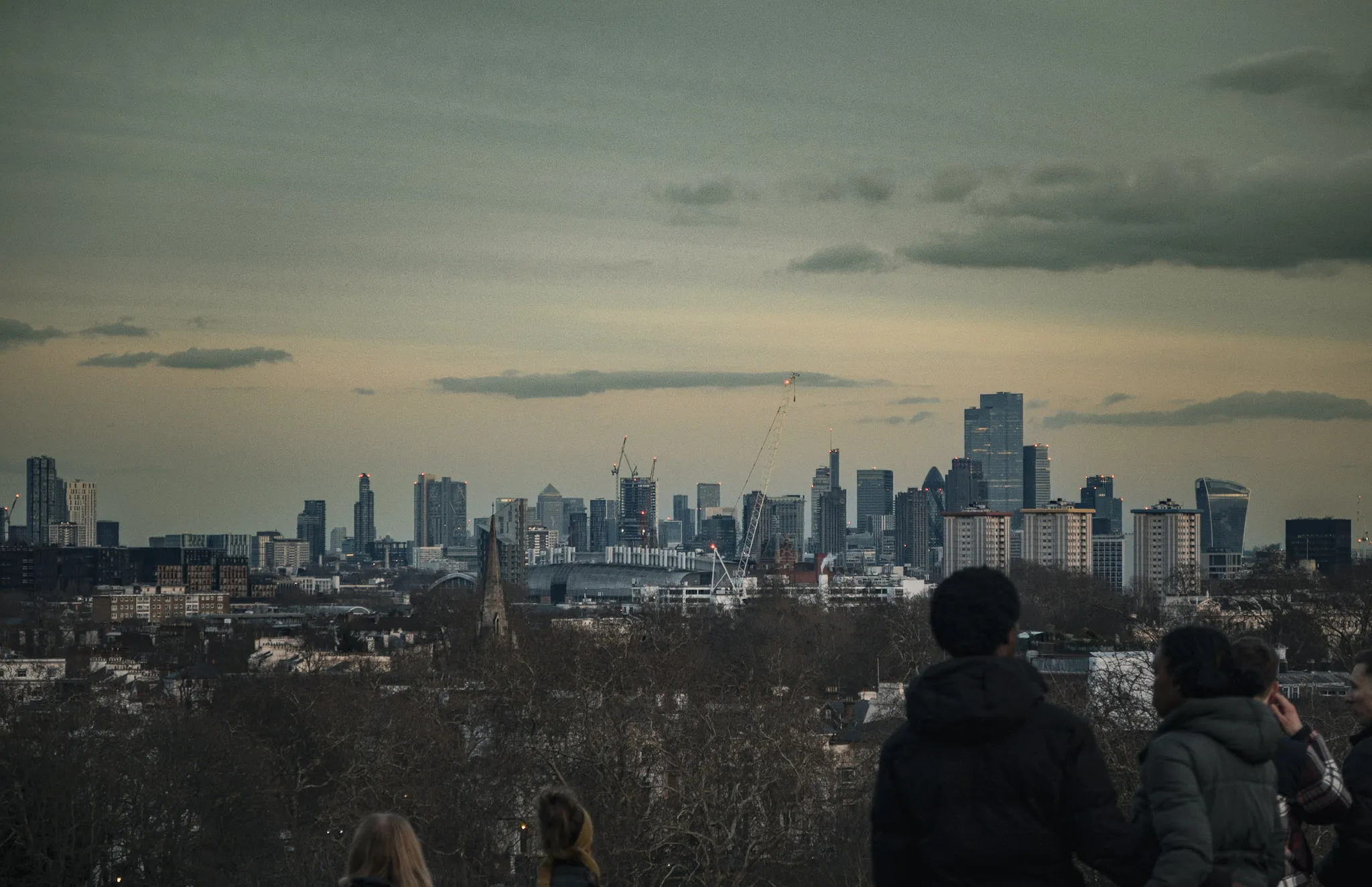
Sunset on Primrose Hill
A short, steep walk up from the north edge of Regent’s Park and you get the whole skyline laid out in front of you, from the Shard and St Paul’s across to the BT Tower and the London Eye. It’s the view locals bring friends to, and at sunset the grass fills up with people sharing a bottle of wine and watching the city turn gold, then light up. Bring a blanket and something to drink, and get there half an hour before sunset to get a spot near the top. Afterwards, walk down into Primrose Hill village for dinner, or carry on along the canal to Camden. It’s free, and it’s at its best on a clear summer evening.